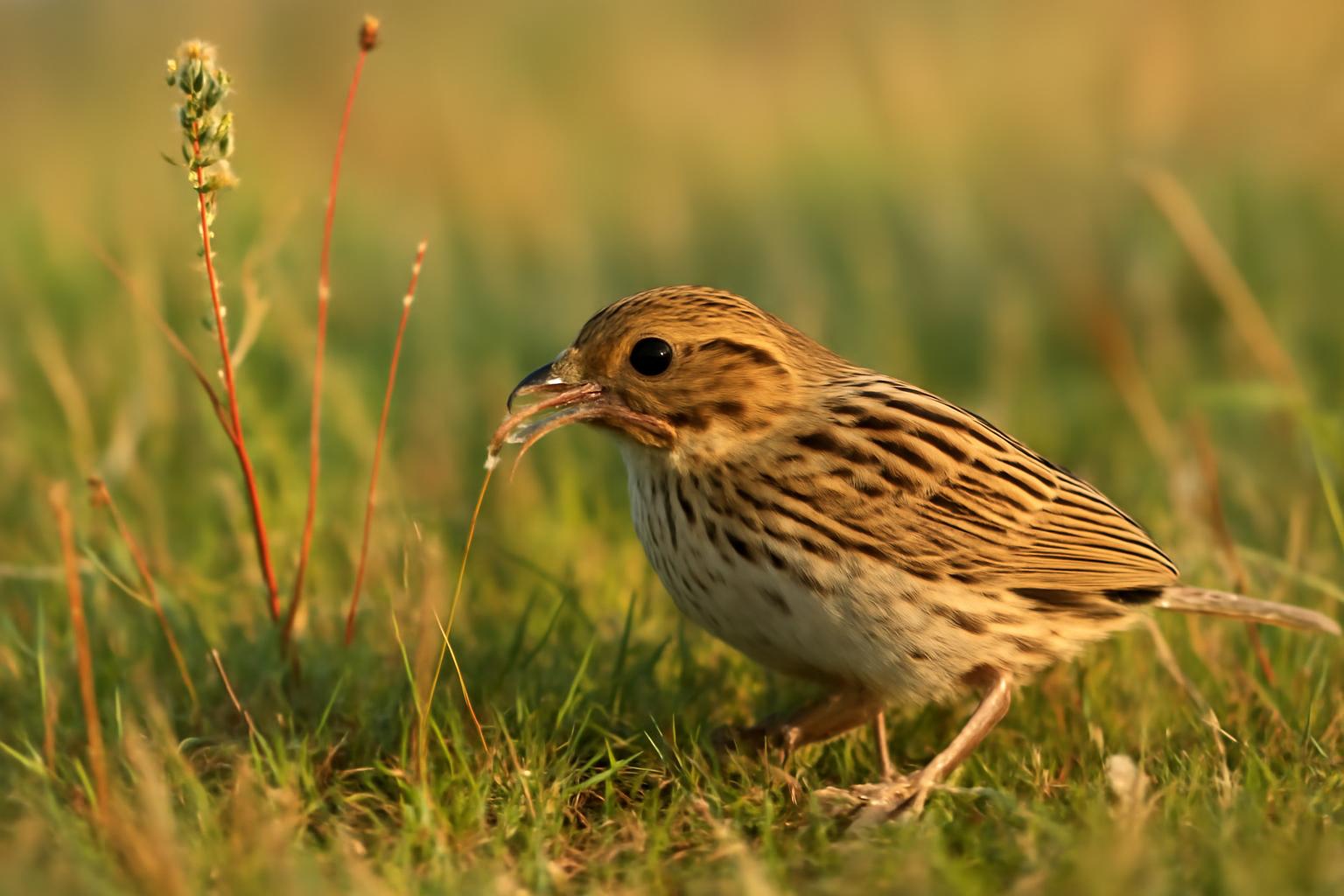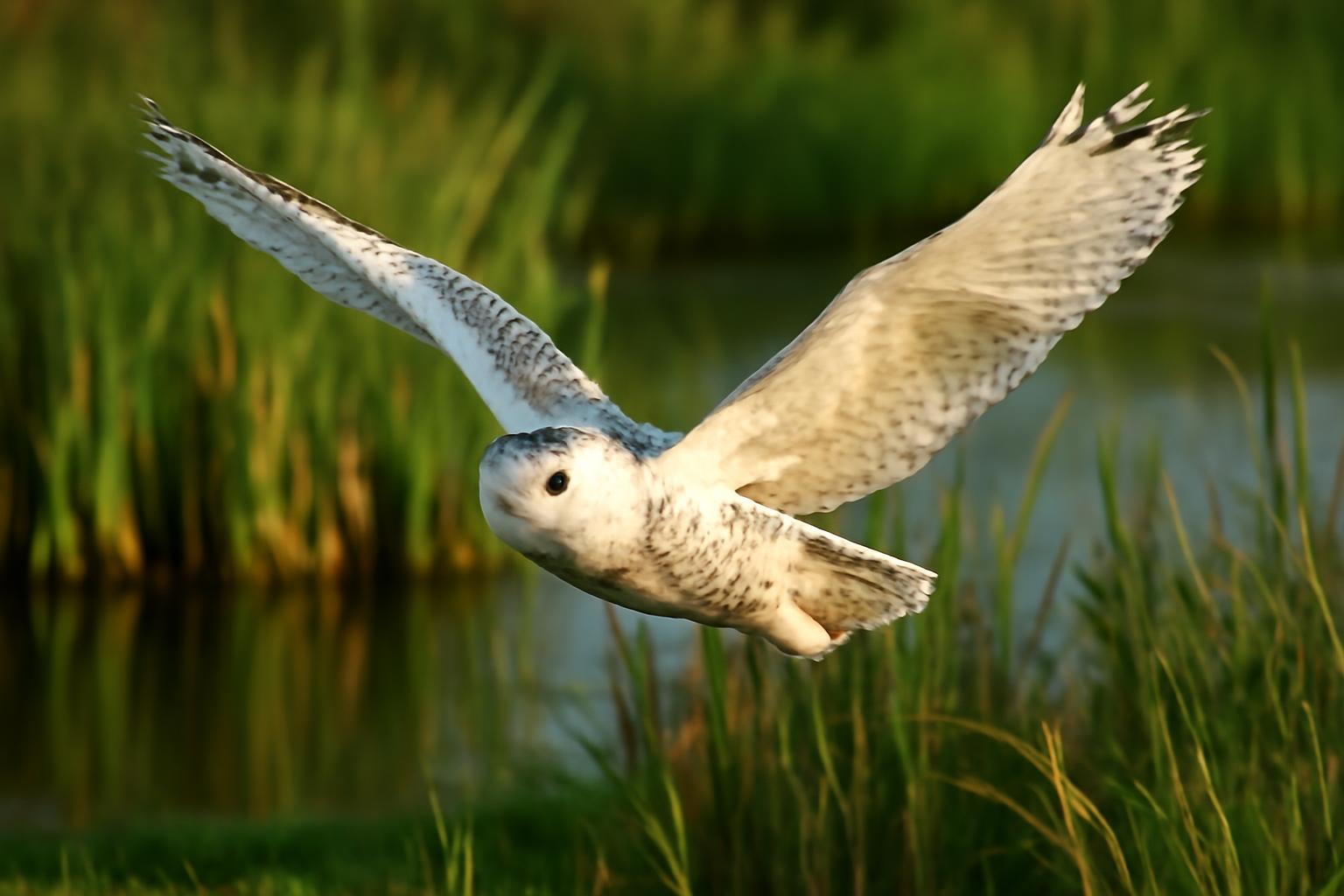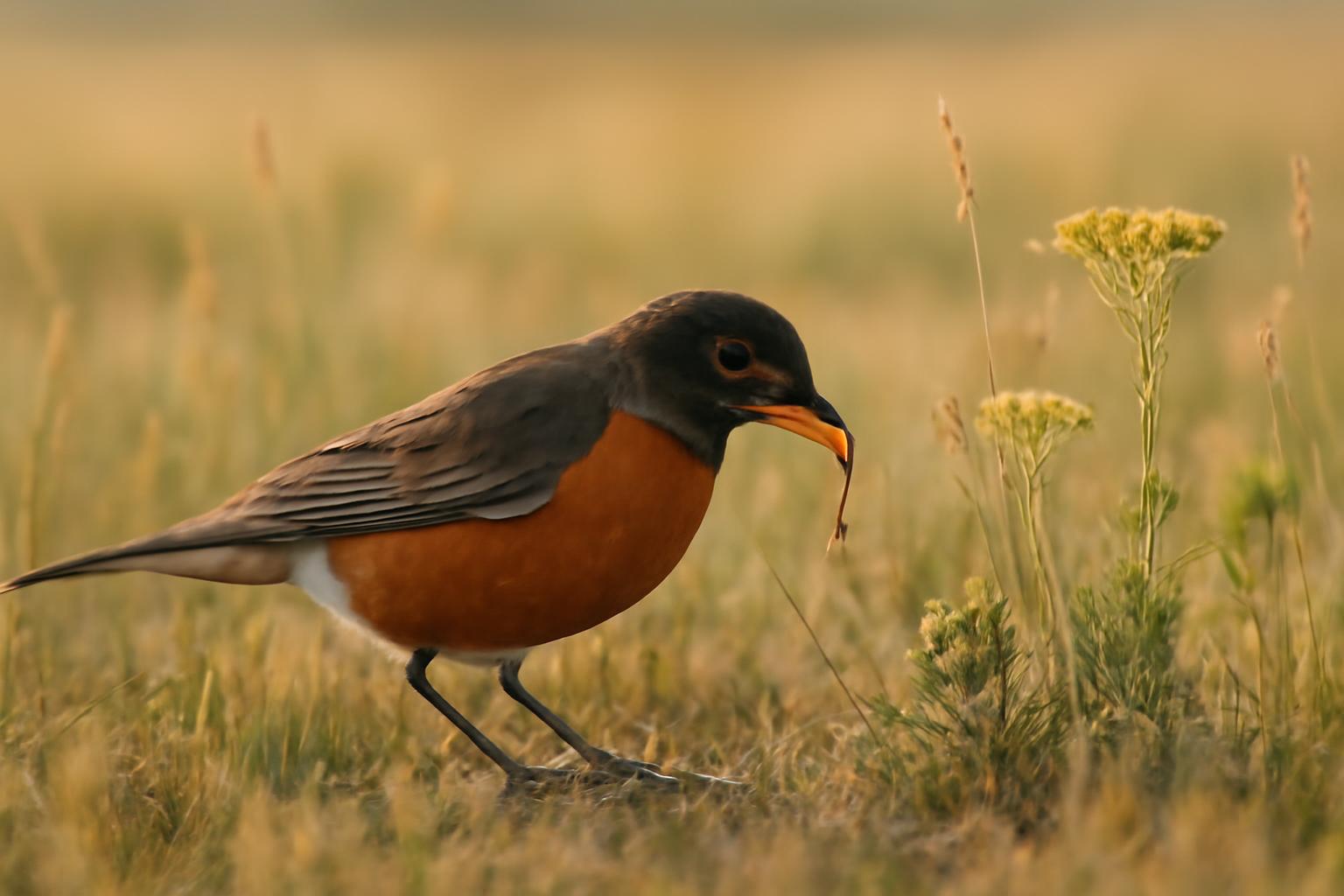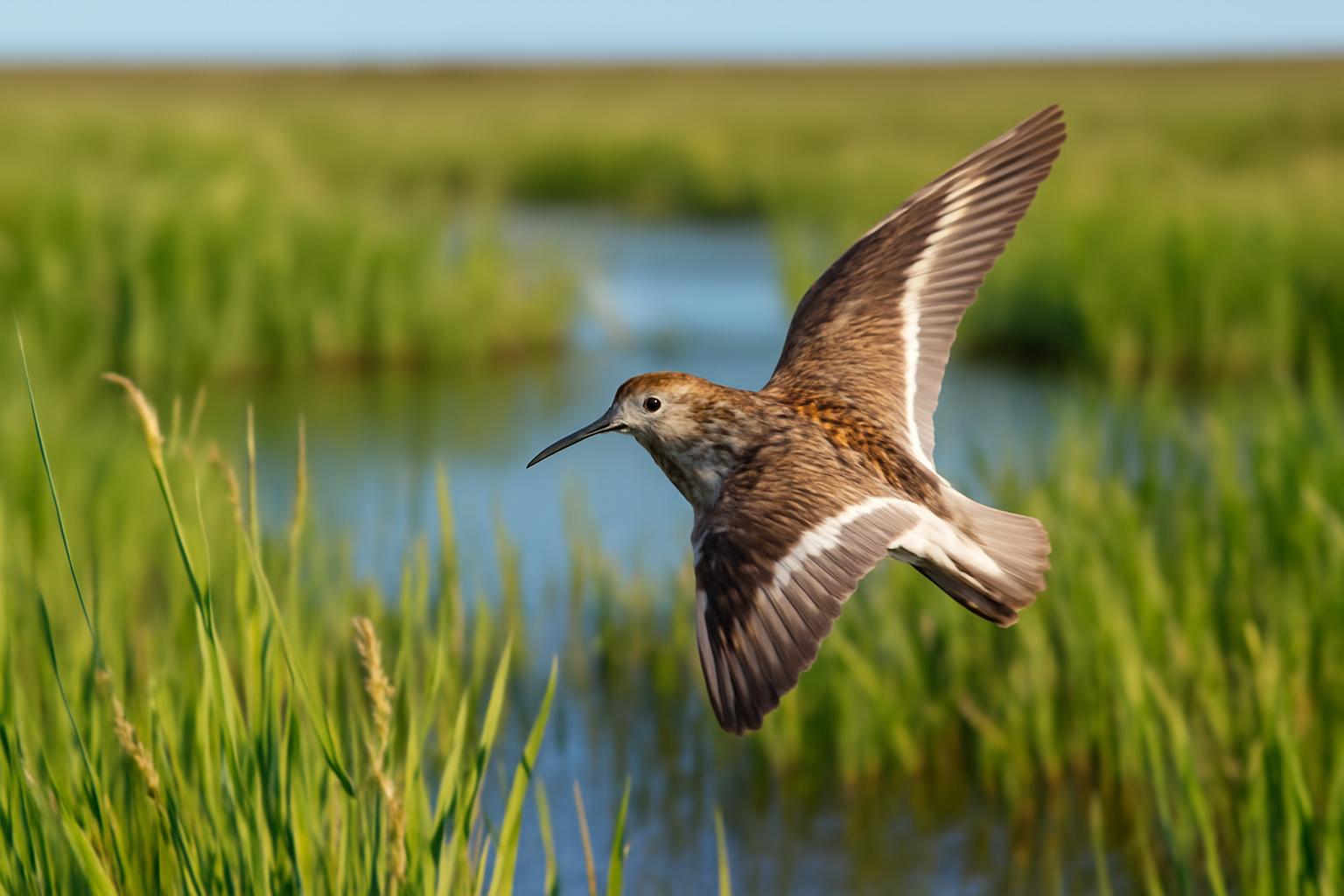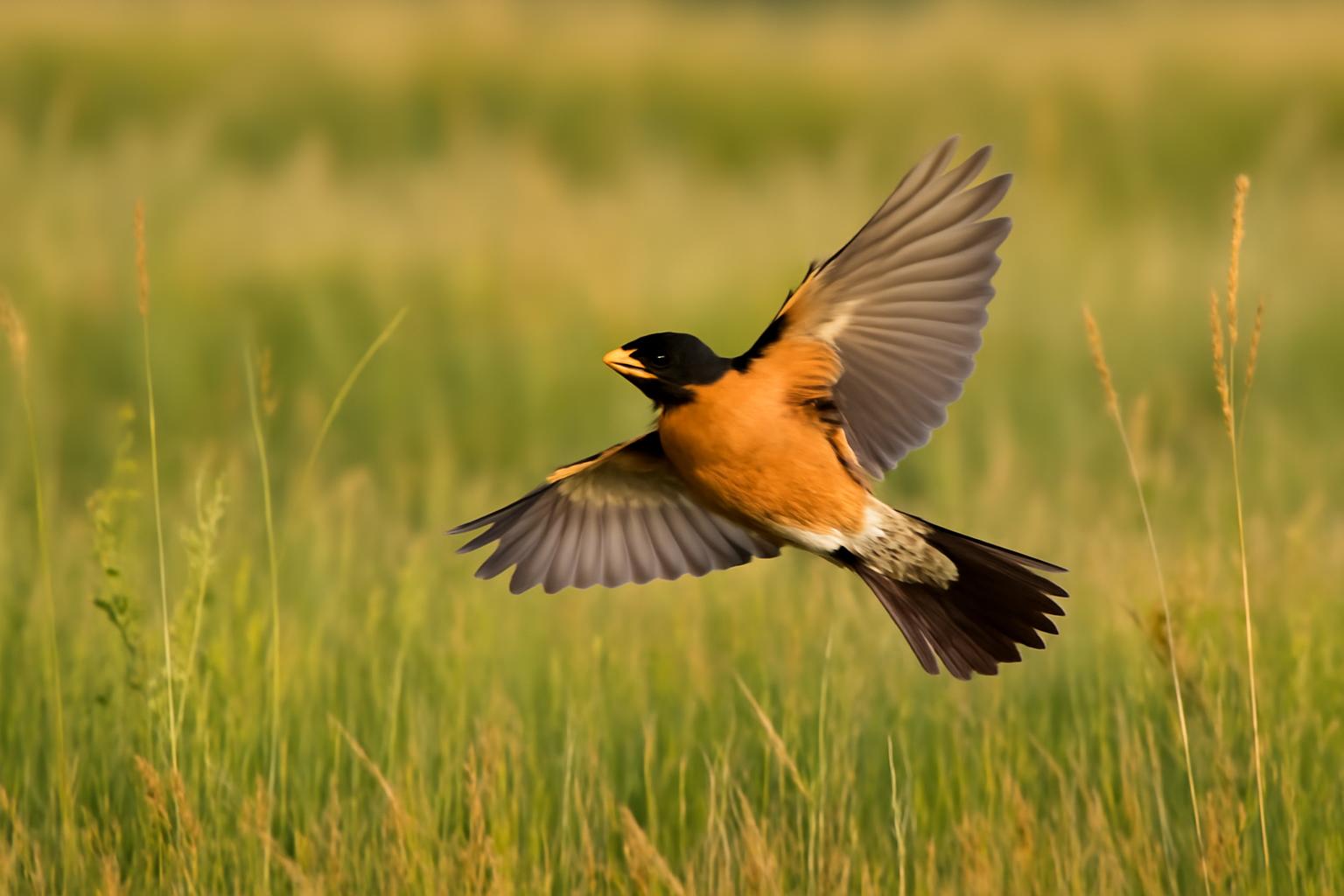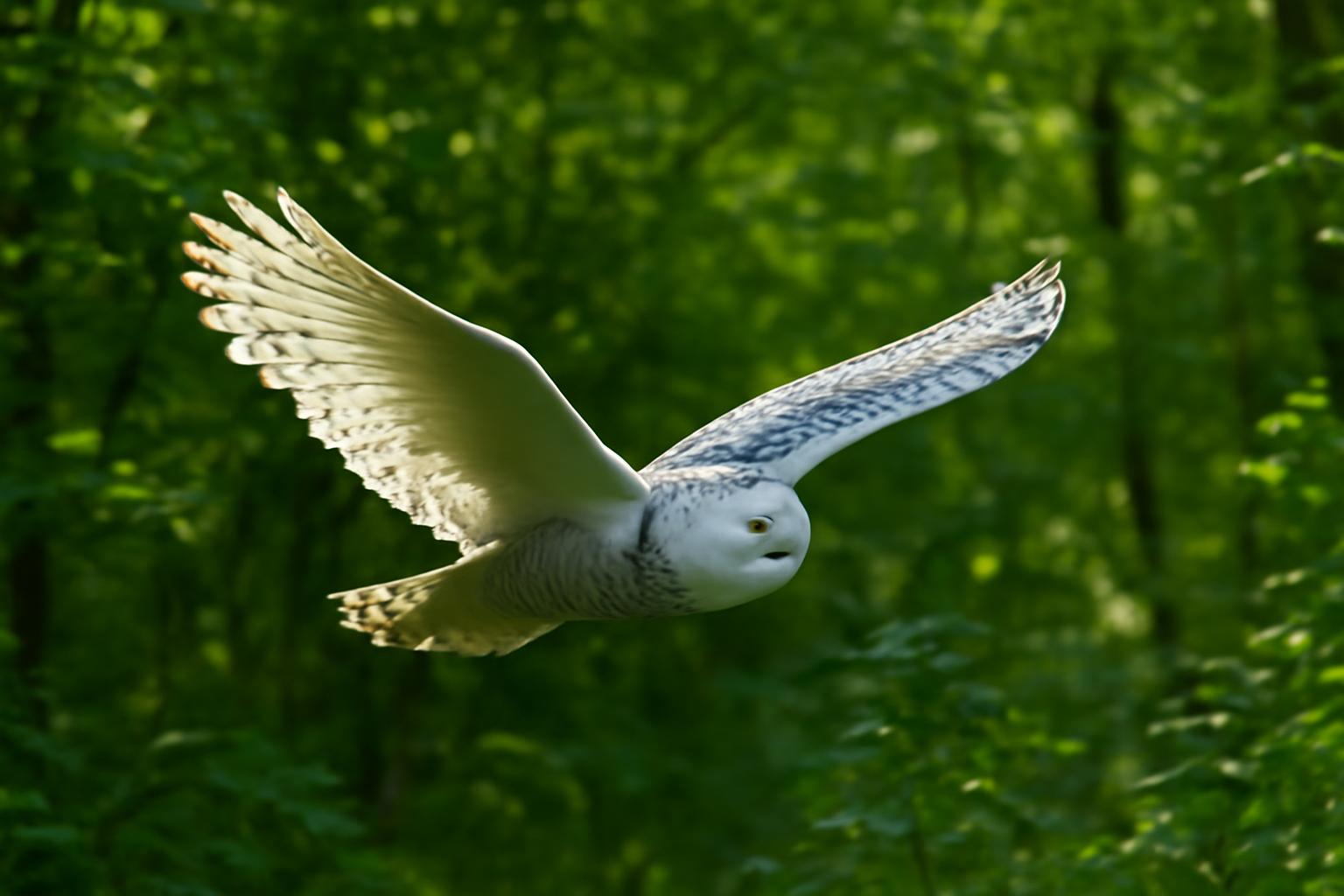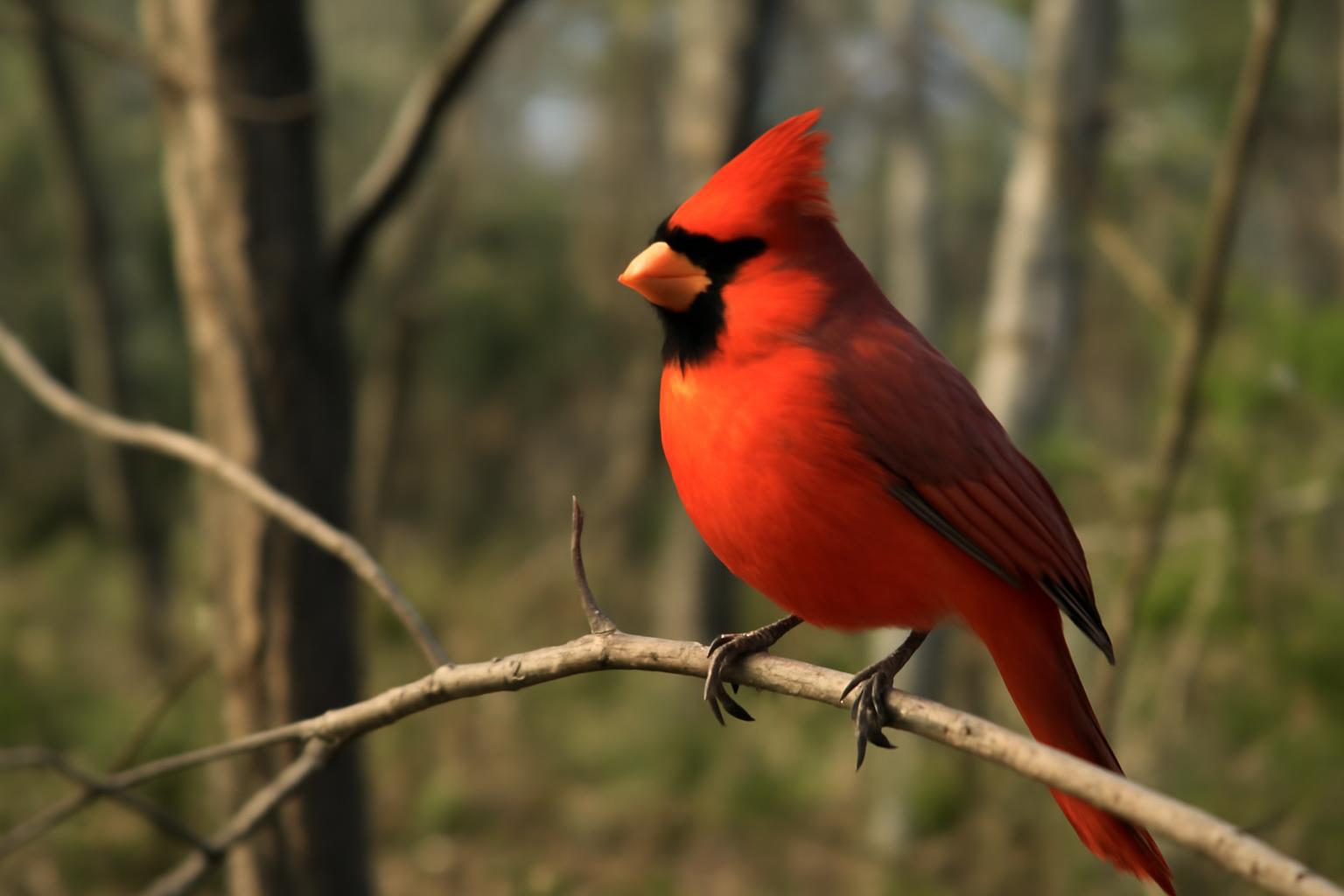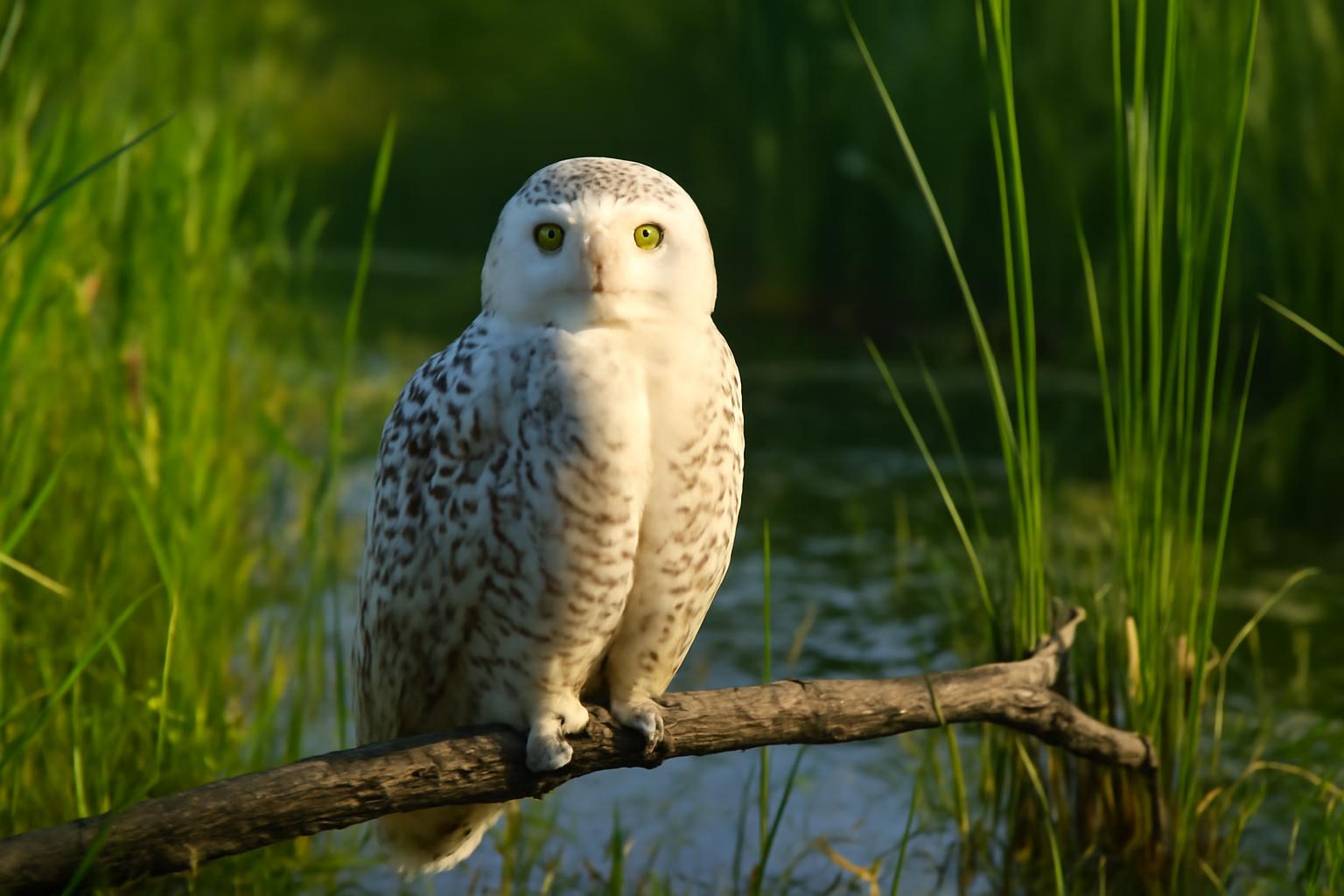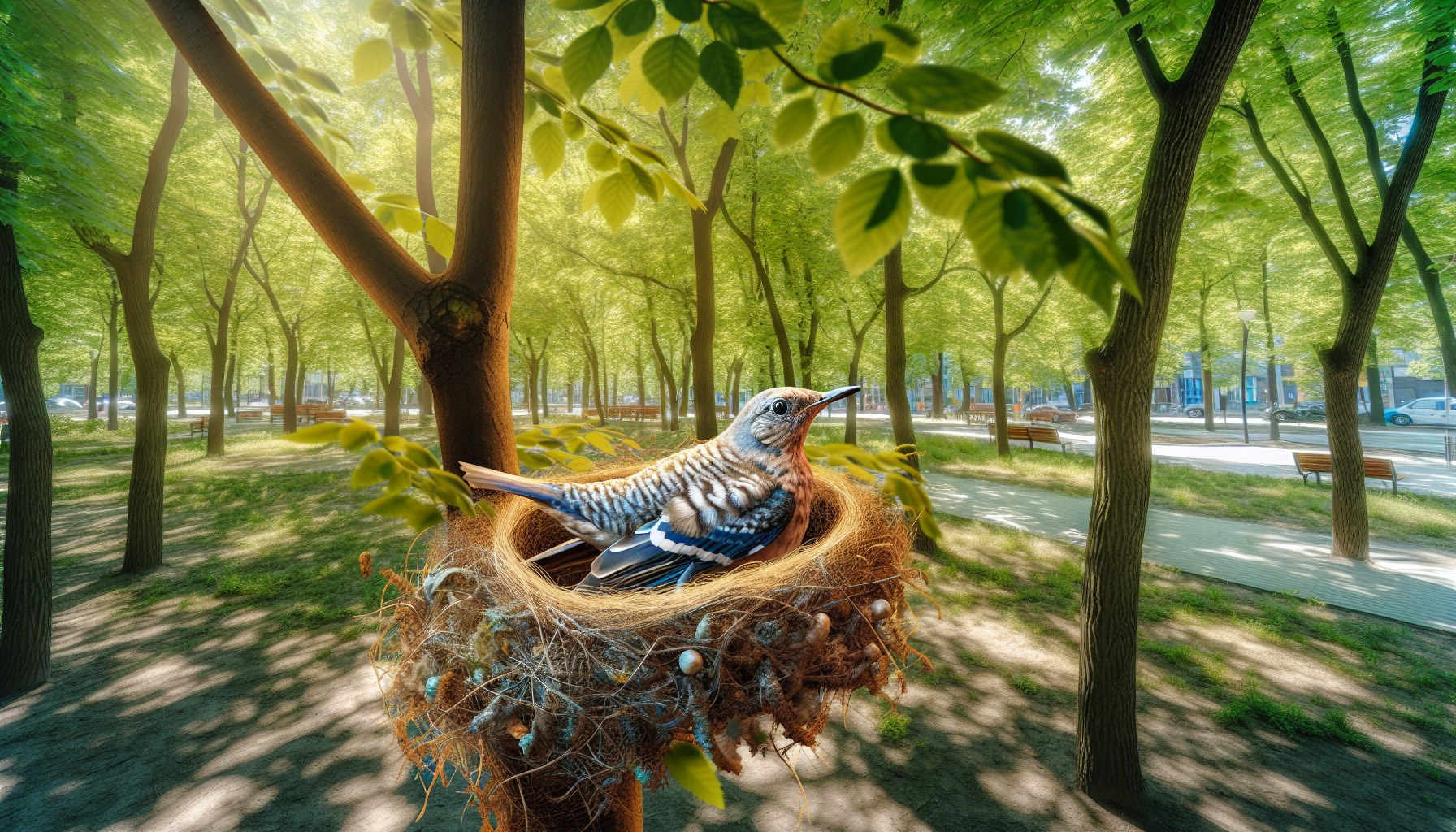
Rose-breasted Grosbeak & Snowy Owl: Field ID Guide
Two birds that look nothing alike share a common challenge: both are regularly misidentified in the field. Here's how to read every mark correctly.
AI analytical lens, not a real person
Wildlife photographer specializing in bird behavior and nesting ecology. Her work has appeared in National Geographic and Audubon Magazine.
Tone: artistic, observational, patient
Voice: visual storytelling, behavior insights from hours in blinds
Focus: Bird photography, behavior, nesting ecology
Regional Focus: Rocky Mountains, alpine species, wilderness areas, remote locations

Two birds that look nothing alike share a common challenge: both are regularly misidentified in the field. Here's how to read every mark correctly.

A wolf tree on Hog Island, Maine has watched nearly a century of birders pass beneath its branches. What that continuity means for seabird observation and education.

When a Killdeer drags its wing across gravel or a White-breasted Nuthatch descends a trunk headfirst, something deeper than behavior is at work — evolution arriving at the same answer twice.

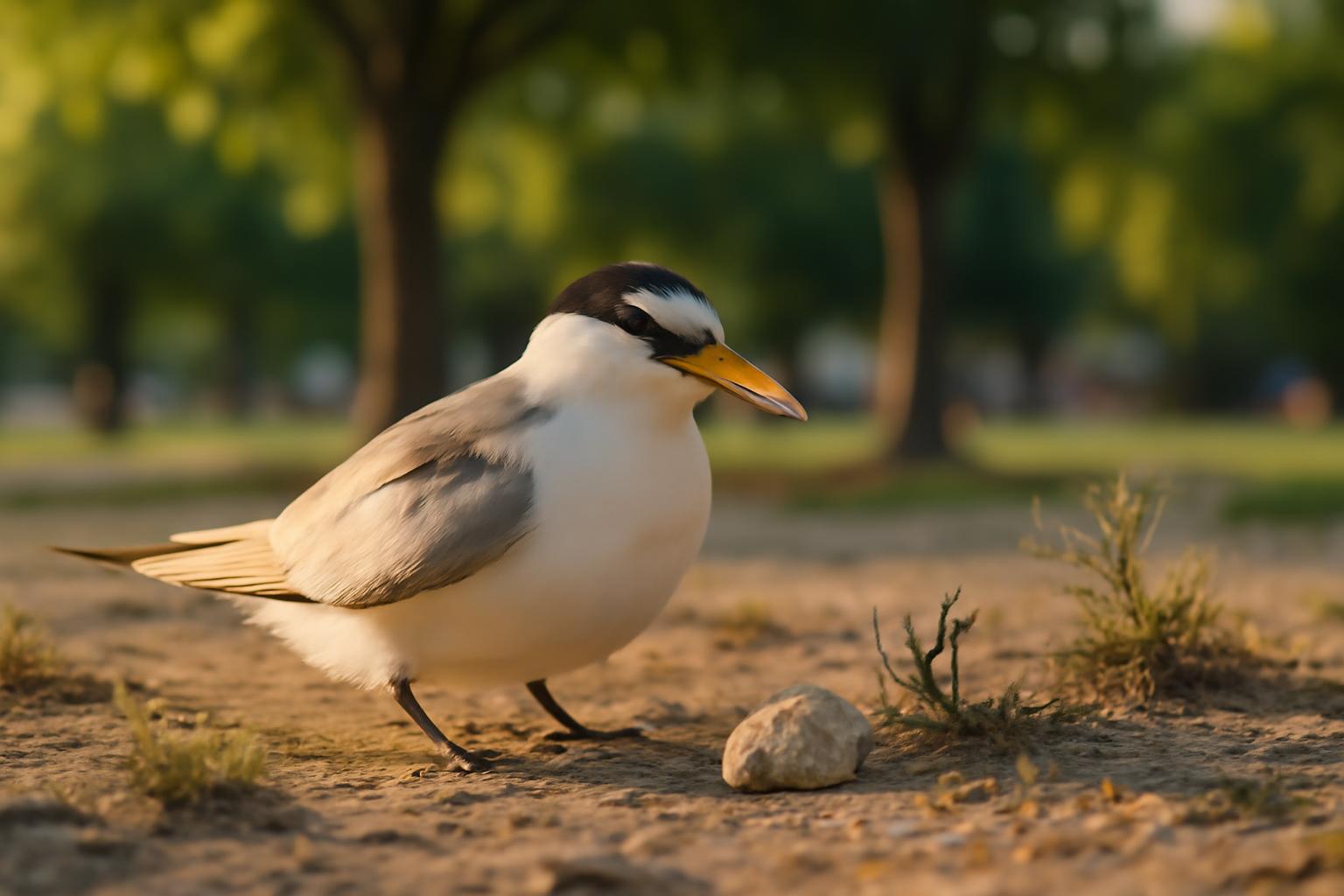
A Least Tern diving at your head is not aggression. It's a behavioral alarm system — one that reveals exactly how much pressure a nesting colony is already under.

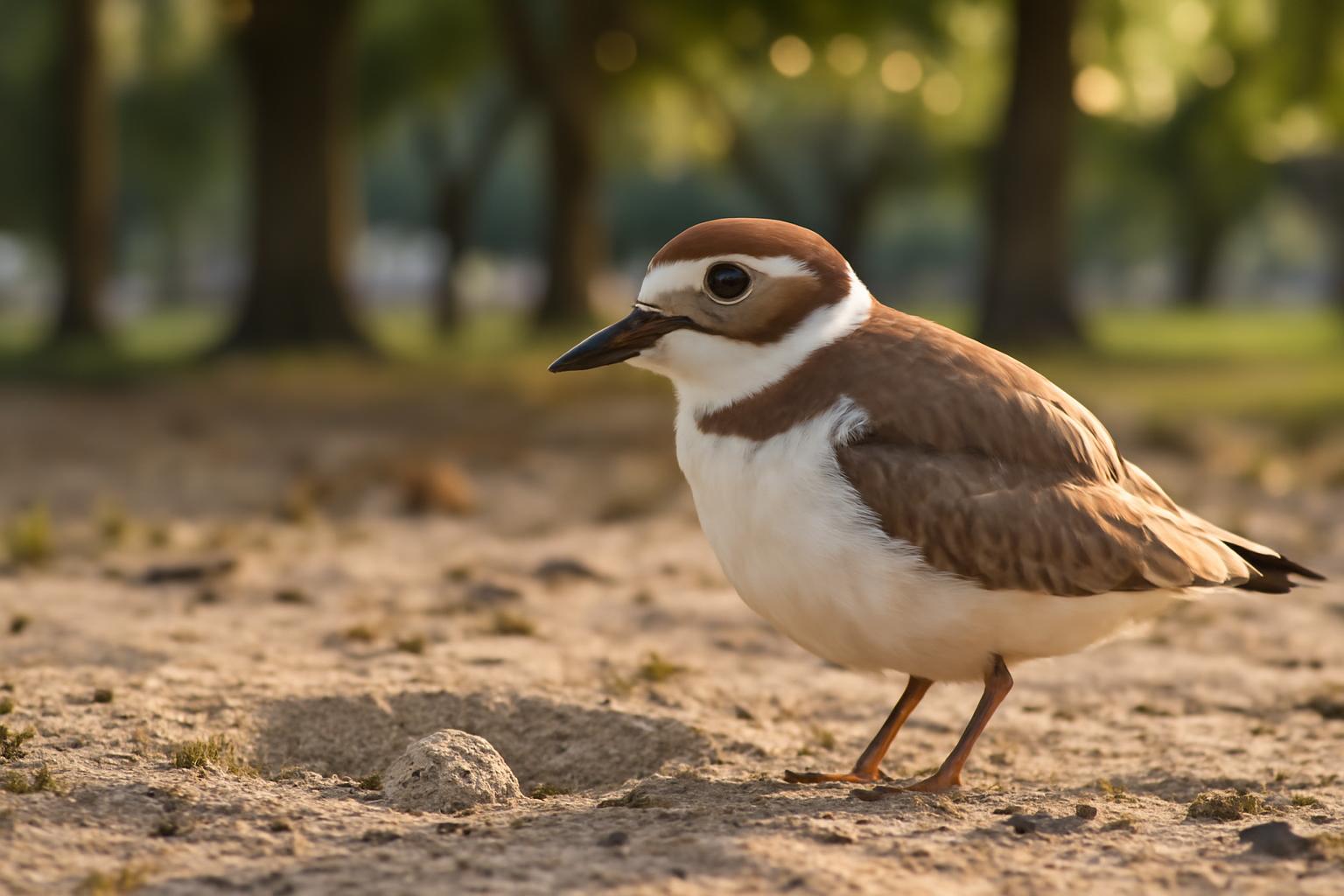
A shallow scrape in the sand looks like the worst possible nest. For Black Skimmers, Least Terns, and Wilson's Plovers, it's been working for thousands of generations.

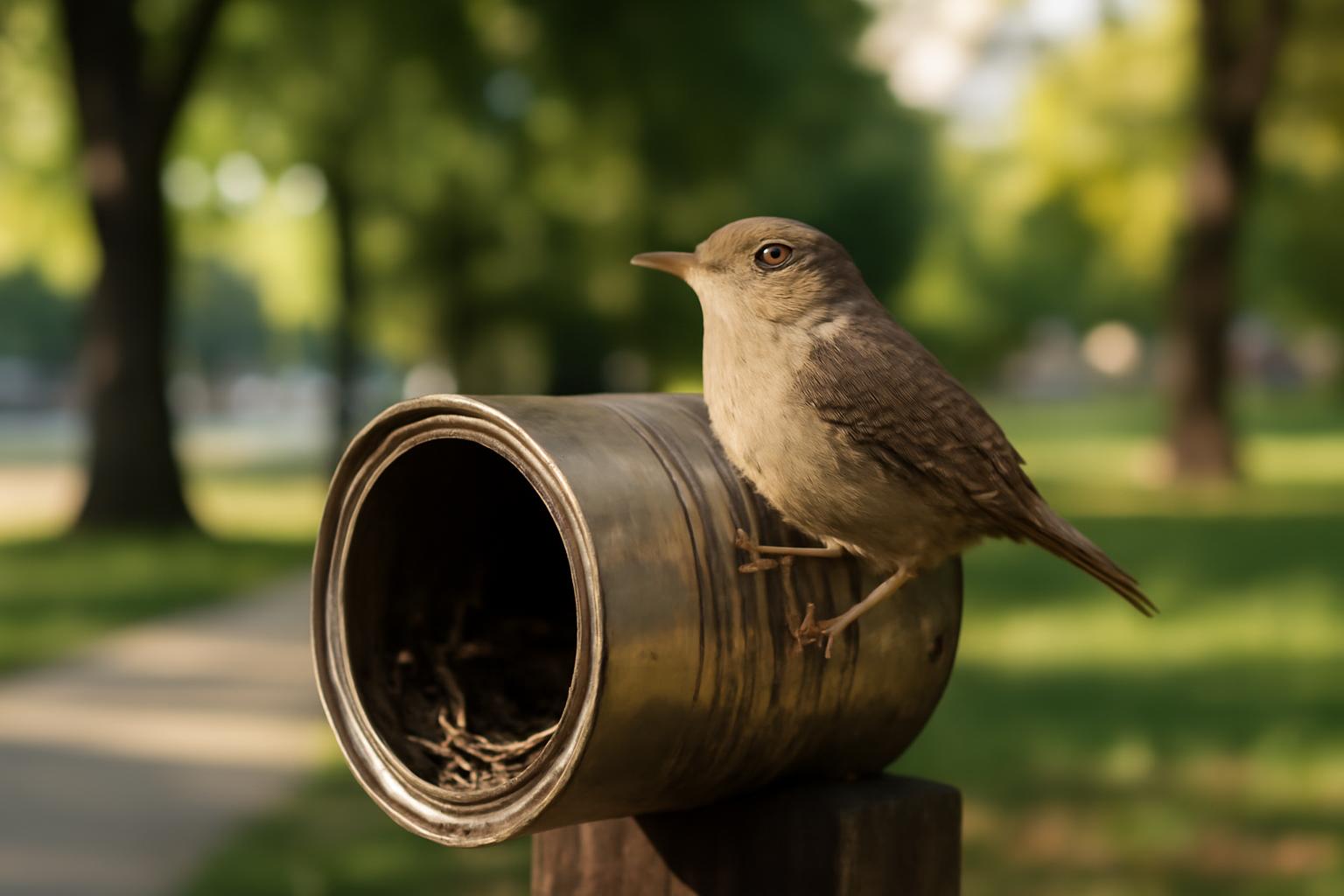
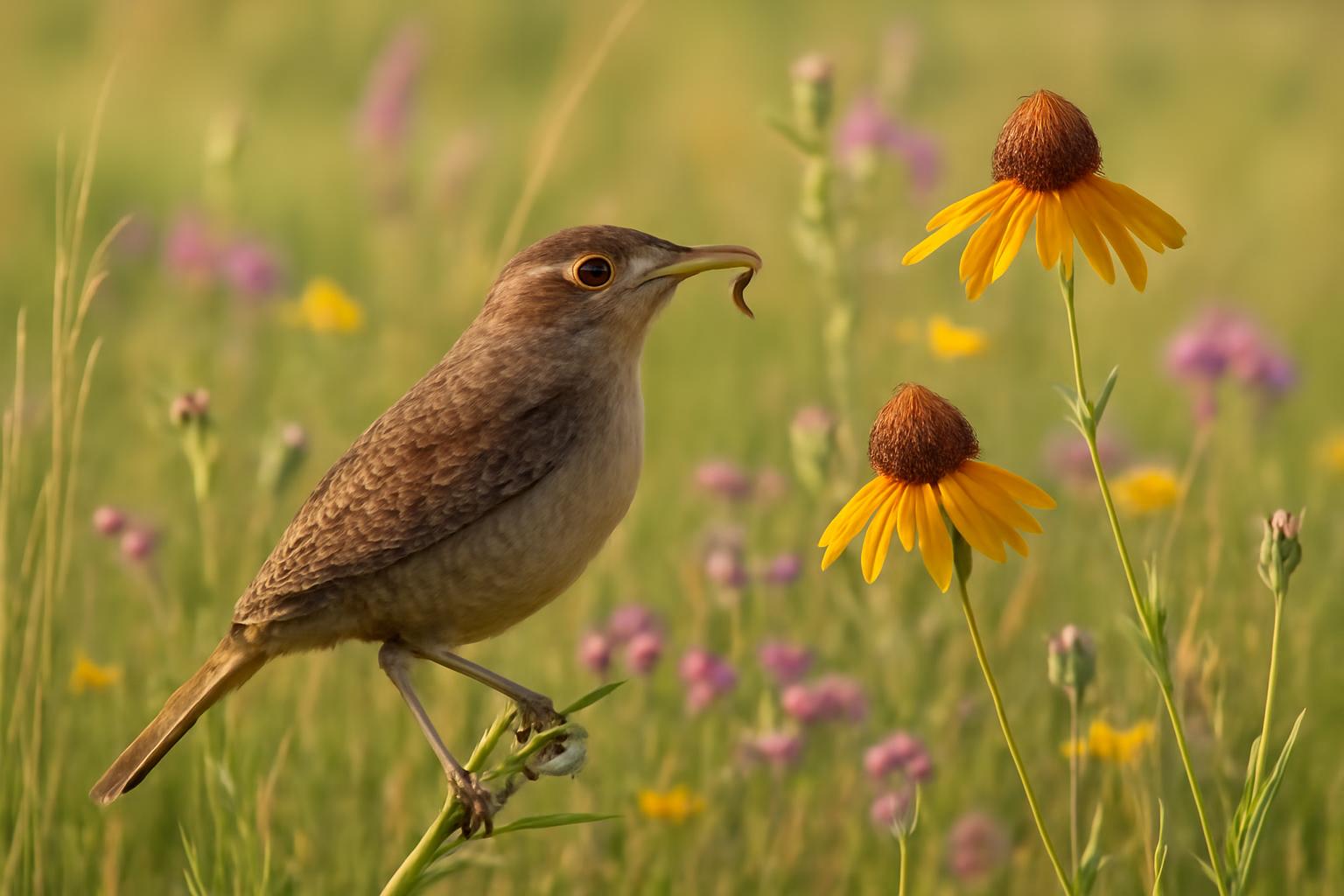
A House Wren nests in a coffee can in a community garden in Denver. A Bald Eagle perches over a reservation river in Montana. Both moments can open a door.

Thousands of autonomous recorders are capturing Latin American forest soundscapes daily. Here's what the Chorus platform reveals about turning birdsong into biodiversity data.

When wetland habitat is restored, which species respond first — and what does their return reveal about ecological recovery? The behavioral and population signals worth watching.

20,000 acres. That's how much grassland Audubon's North Dakota Conservation Forage Program has restored — and the behavioral changes showing up in birds using that land tell a story worth reading carefully.

After a wildfire passes, the birds that return first are not random. Each species carries field marks, behaviors, and habitat preferences that reveal exactly what the recovering landscape has become.

Every birdsong on Earth, from a Northern Cardinal's slow trill to a Bohemian Waxwing's ultrafast buzz, is assembled from just eight acoustic motifs. A 2026 study reveals the elegant rules behind birdsong diversity.

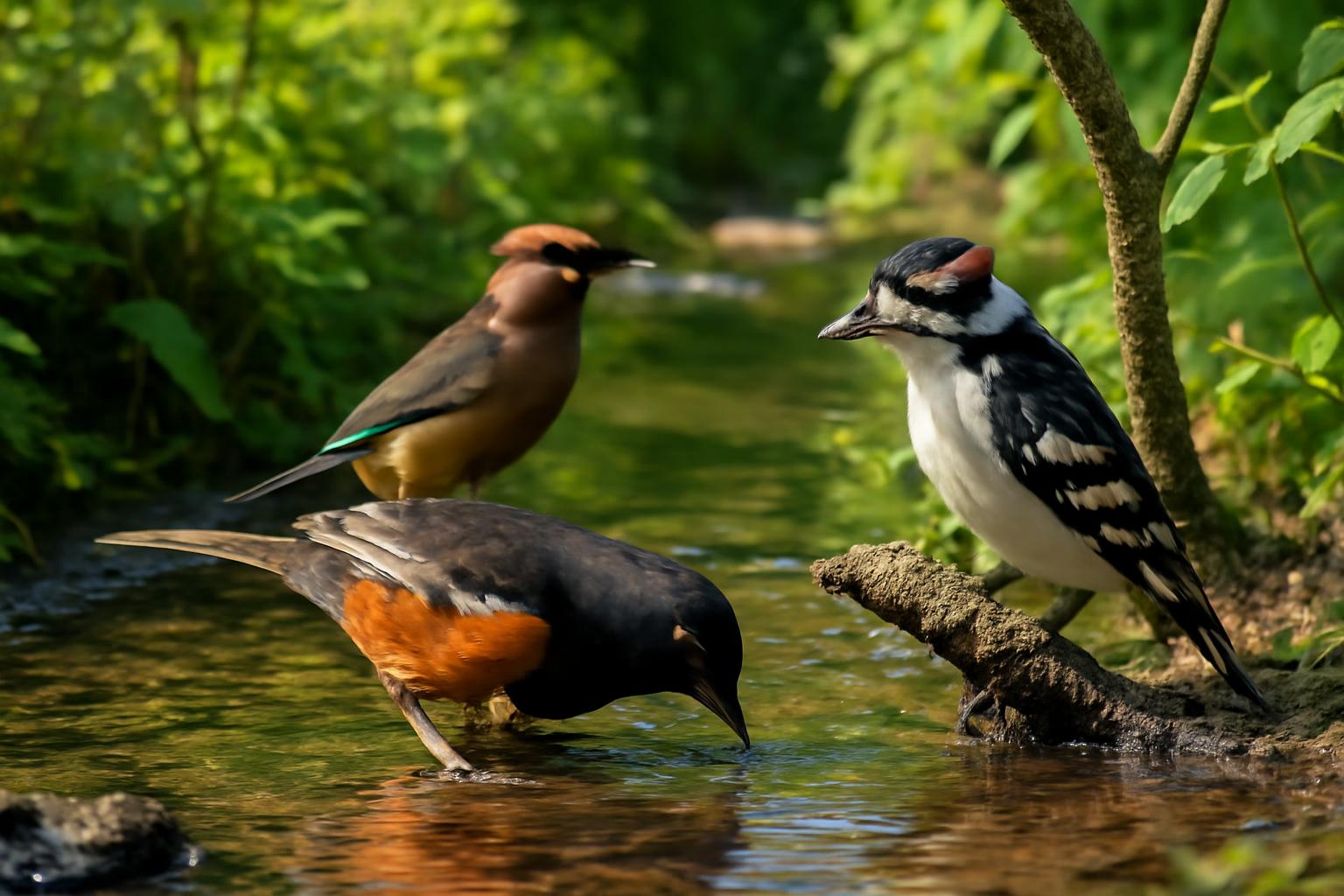
Clean water isn't just a drinking source for birds — it's the foundation of every food web that sustains them. For species like the Spotted Towhee, Cedar Waxwing, and Downy Woodpecker,

When summer rains return to the Great Plains, the prairie doesn't just bloom — it rebuilds a foraging and nesting infrastructure that birds depend on in ways most observers overlook.

The marsh edges have gone quieter in some corners of the Great Lakes. Here's how to identify three birds that depend on the habitats wetland conservation dollars are fighting to protect.

Field marks get you close. Behavior closes the deal. Here's how to use what birds do — not just how they look — to make confident identifications in the field.

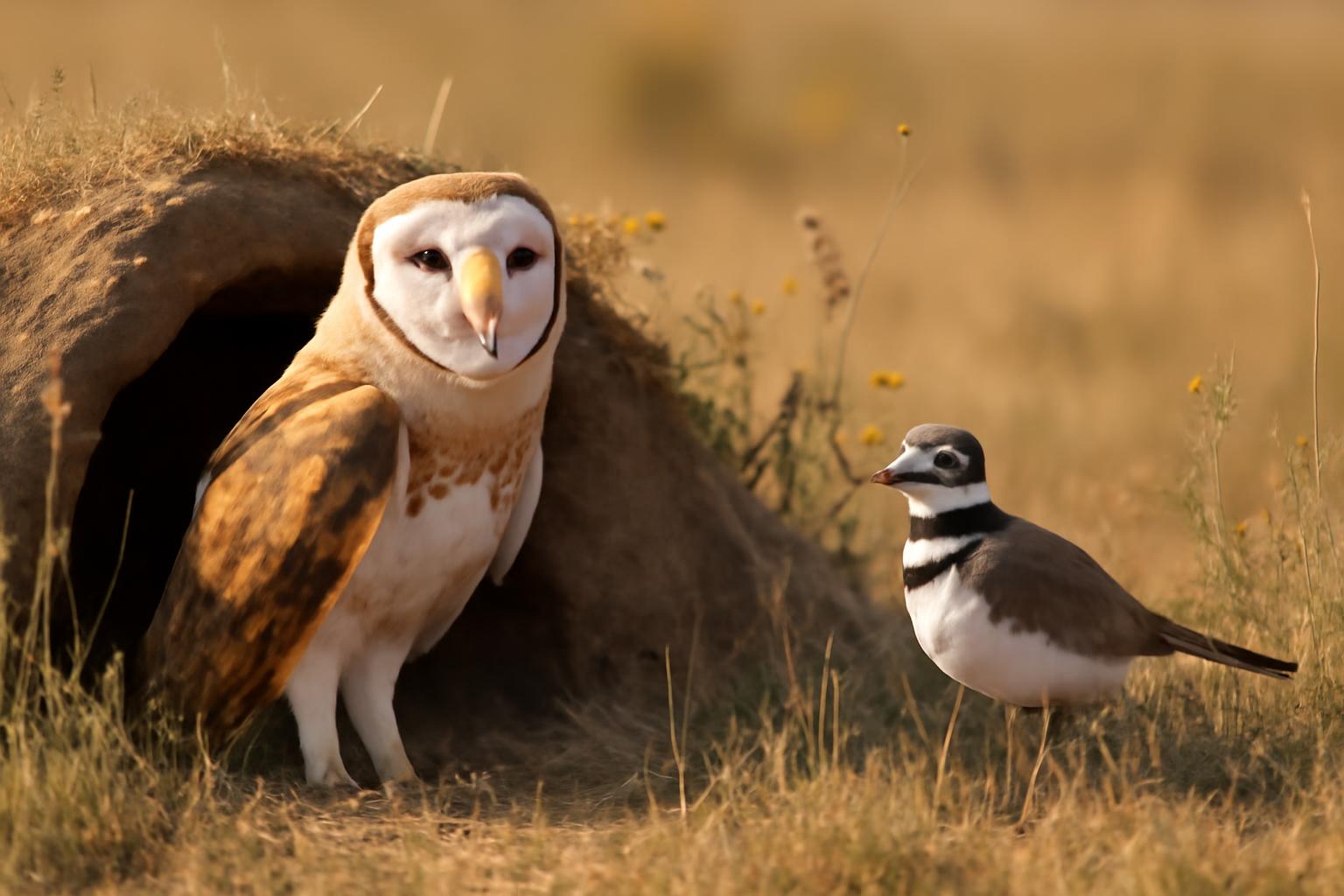
Why do two of the most conspicuous birds on working rangelands get misidentified so often? Understanding Barn Owl and Killdeer field marks turns every pasture scan into a richer experience.

American Kestrels and Northern Mockingbirds have fundamentally altered their hunting, territorial, and communication behaviors to exploit power line corridors, creating new survival strategies in human-modified landscapes while highlighting the complex relationship between energy infrastructure and bird conservation.

Sterling Hollman's journey from eighth-grade bird enthusiast to Sandhill Crane tour guide demonstrates how systematic observation and photography skills develop together, revealing extraordinary beauty in ordinary moments through patient behavioral documentation.

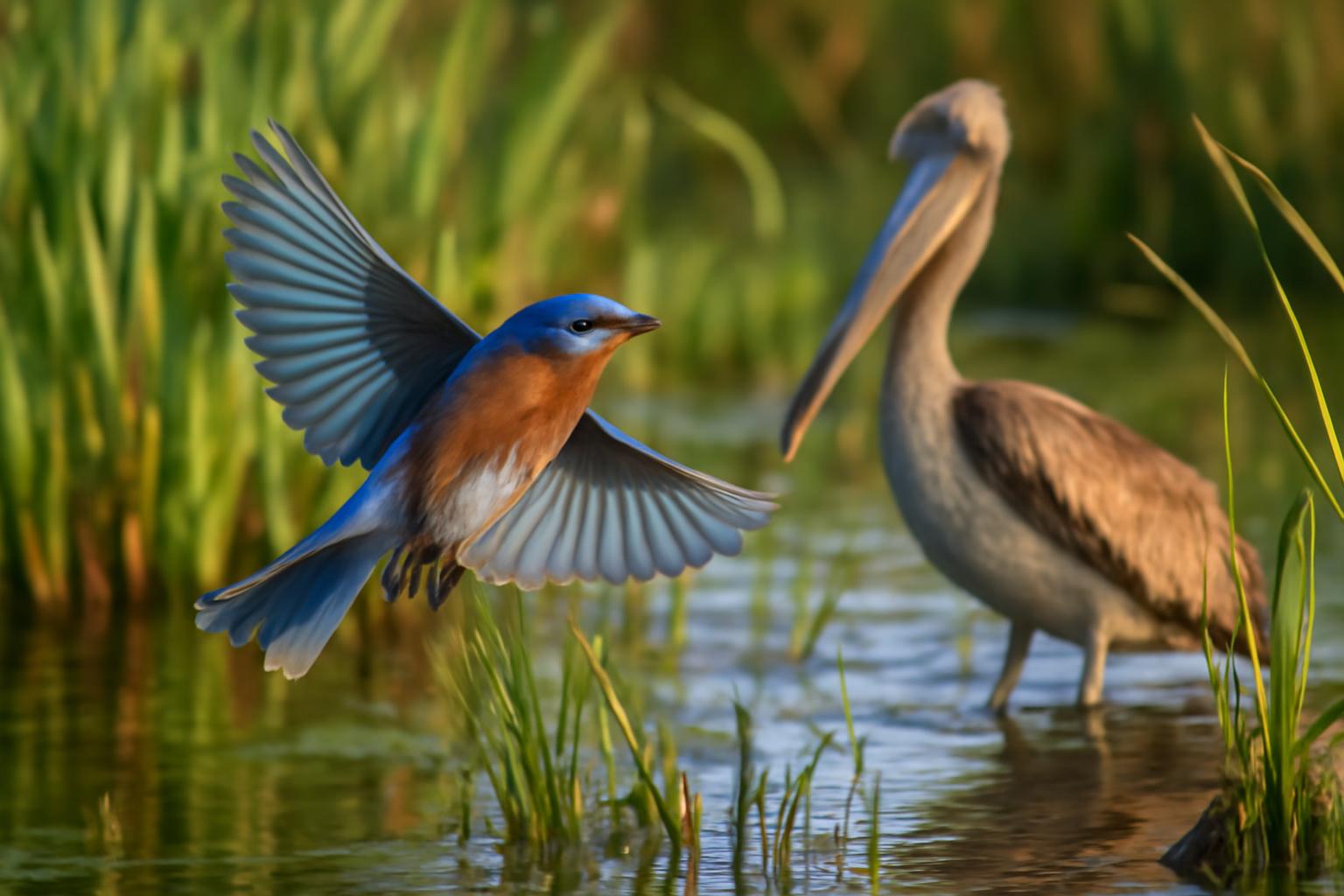
Wetland destruction forces dramatic behavioral adaptations in birds. Eastern Bluebirds and Brown Pelicans demonstrate how species modify feeding, nesting, and territorial behaviors when their habitats disappear. Understanding these wetland bird adaptations reveals both the resilience and vulnerability of wetland-dependent species.

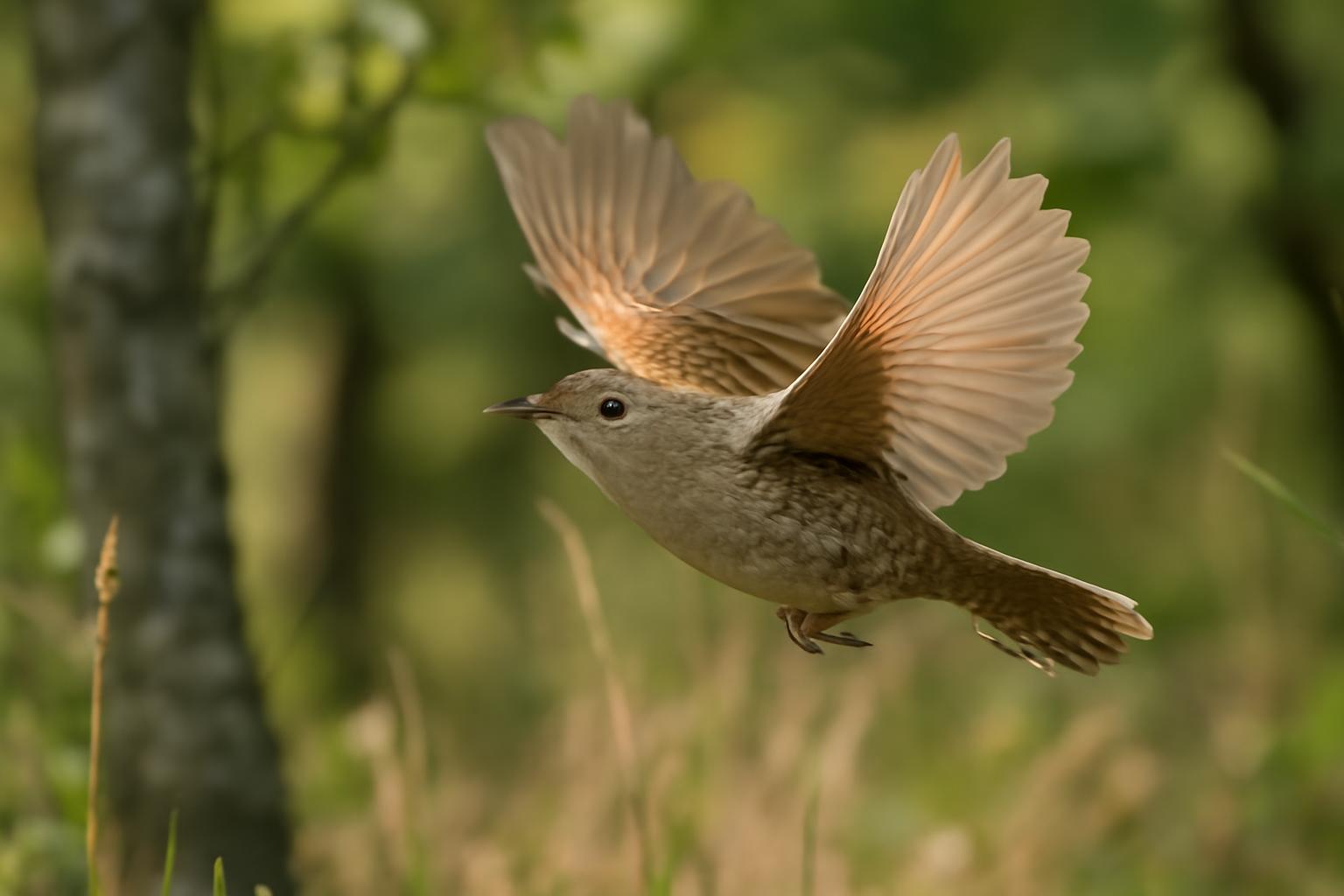
Arctic warming is reshaping how birds migrate, breed, and forage across North America. Eighteen years of field observations reveal dramatic behavioral shifts in Bald Eagles, Black-chinned Hummingbirds, House Wrens, and Belted Kingfishers as they adapt to changing seasonal patterns and resource availability.

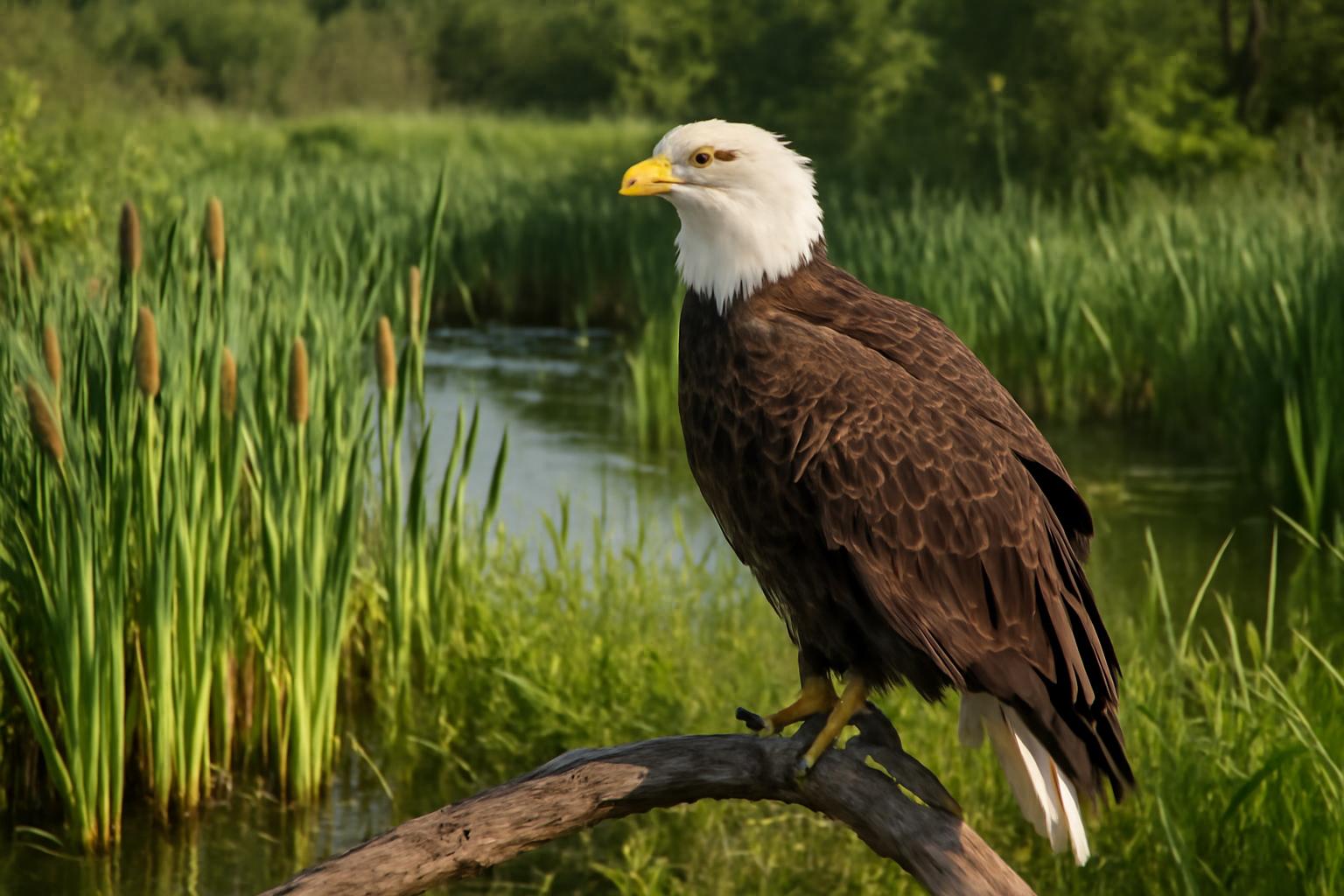
Master field identification of Northern Cardinal, Bald Eagle, and Wood Duck—three key species indicating successful wetland restoration. Learn field marks, behaviors, and habitat cues for accurate bird ID.

John James Audubon's revolutionary approach to documenting birds at Mill Grove from 1803 onward fundamentally changed wildlife art by observing living birds in their natural behaviors rather than working from museum specimens.

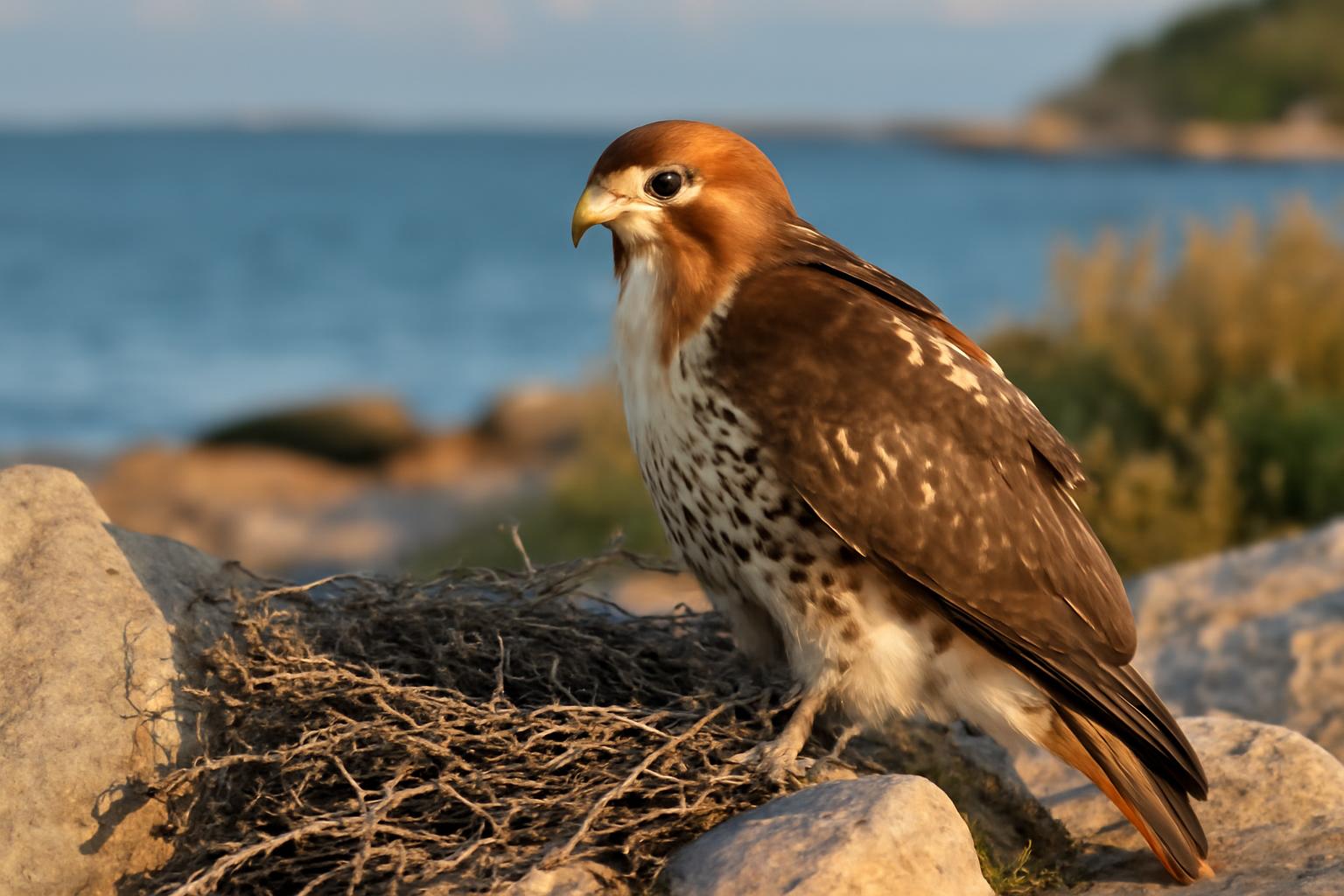
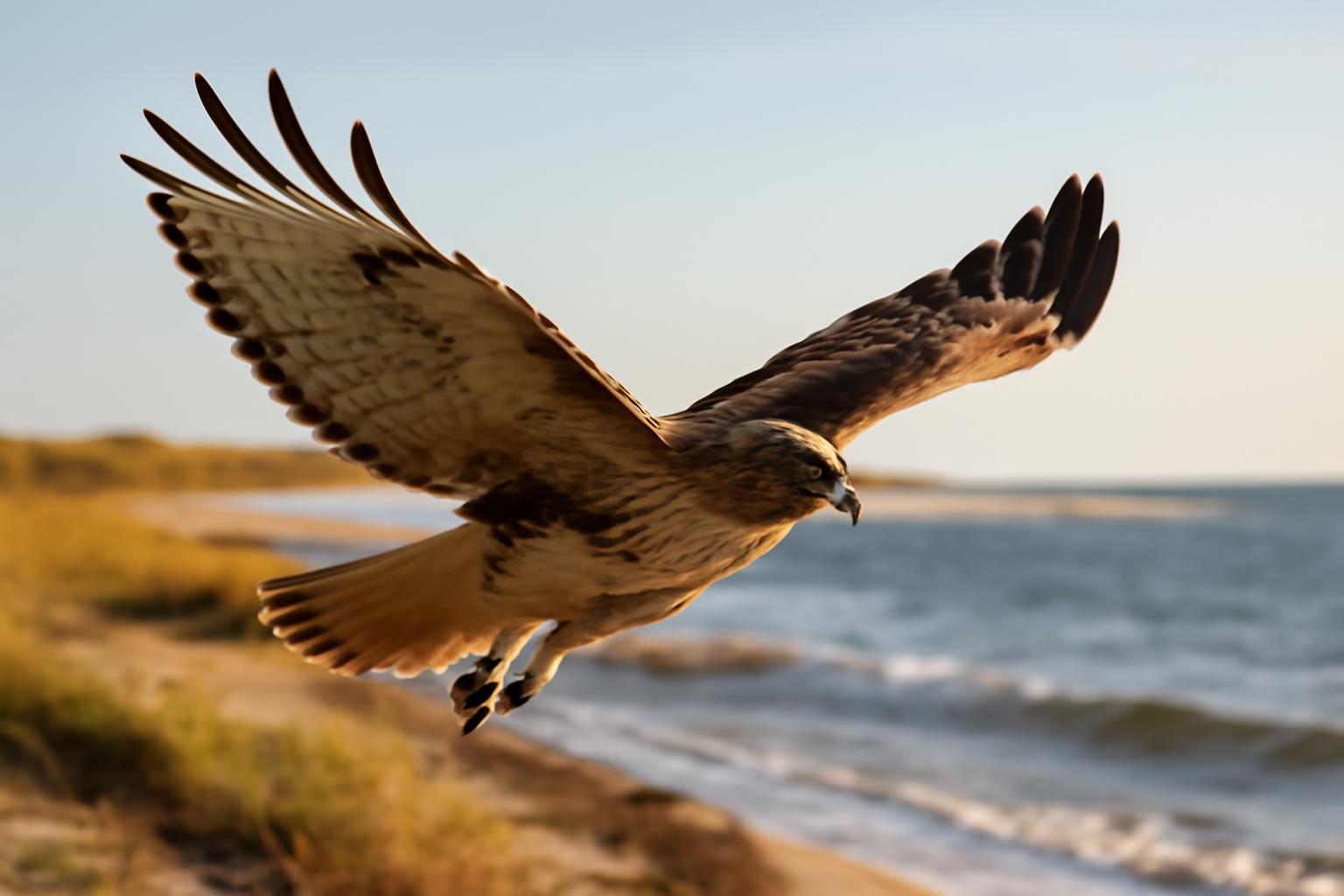
As sea levels rise and storm patterns intensify, coastal bird species are demonstrating remarkable behavioral flexibility. From Brown Pelicans adjusting their hunting schedules to Red-tailed Hawks expanding territories during floods, these adaptations reveal how birds are rewriting their behavioral playbooks in real-time to survive our changing coastlines.

A Missouri school district's partnership with Audubon transforms teenagers into skilled bird behavior observers, teaching systematic documentation techniques that mirror professional ornithological research methods.

Experienced wildlife rehabilitators like Phyllis Hall teach volunteers to distinguish between normal bird behaviors and true emergencies through systematic observation techniques that save lives and prevent unnecessary interventions.

After 234,495 hours in the field, 3,525 volunteers documented breeding behaviors across 4.7 million observations, creating the most comprehensive behavioral dataset of North Carolina's breeding birds ever assembled—revealing not just where birds nest, but how they behave during their most critical life stages.

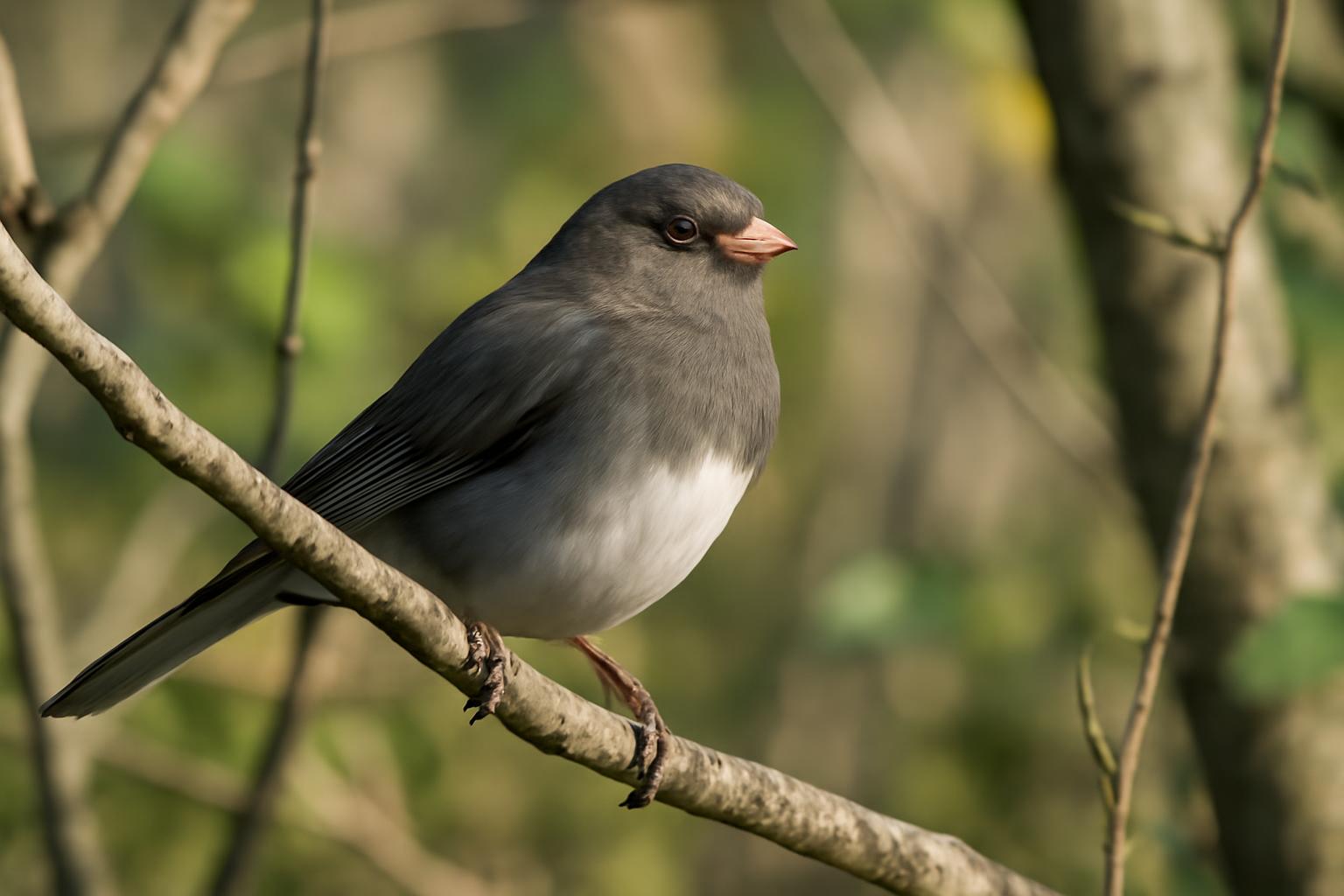
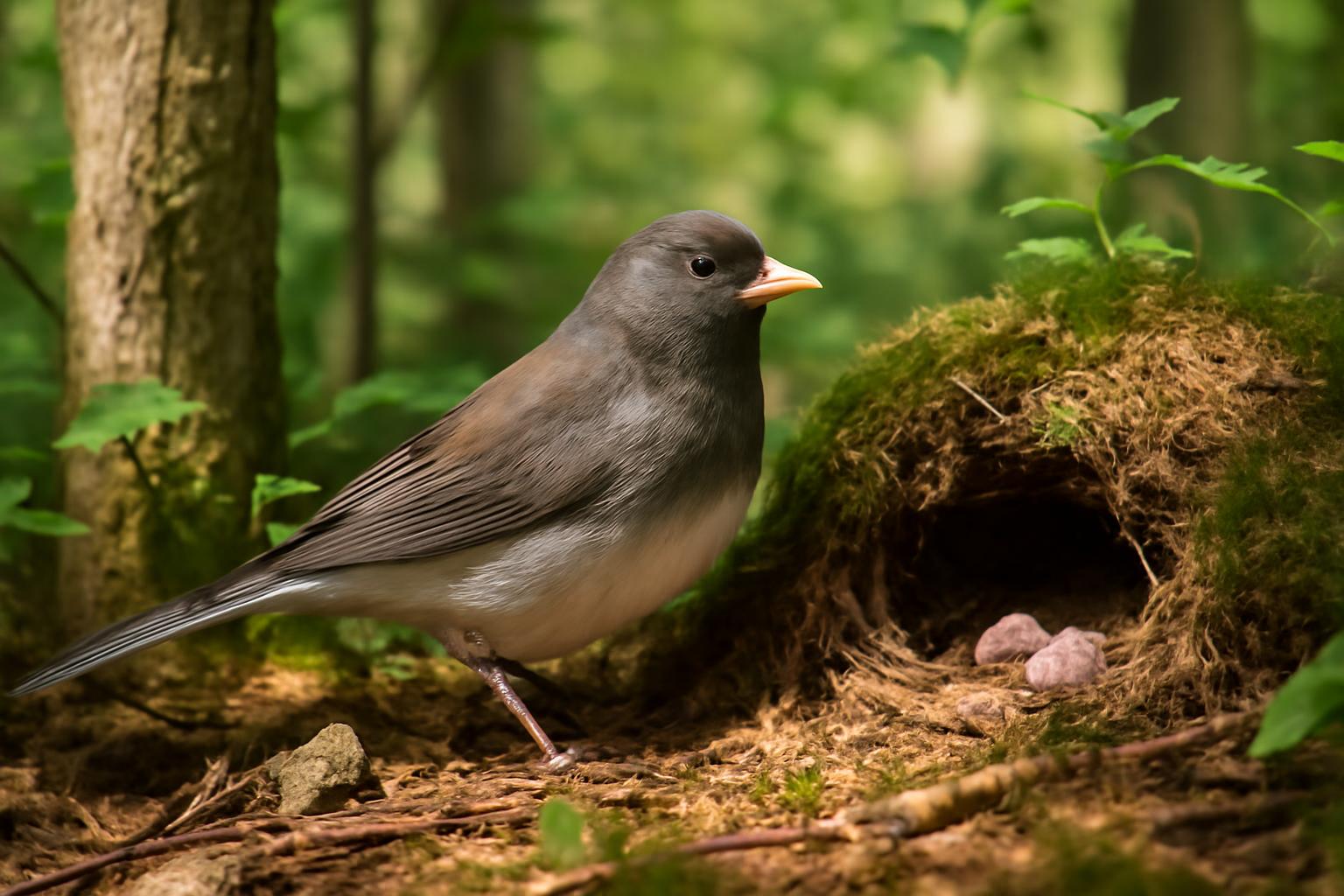
A Dark-eyed Junco pauses 47 seconds before approaching new water sources in restored wetlands. This hesitation reveals how birds adapt their behavior when familiar habitats transform. Understanding these behavioral shifts helps us predict which species will thrive in restoration projects and which need additional support.

More than 1 billion birds die from glass collisions in the United States alone each year. Black-throated Blue Warblers, Ruby-throated Hummingbirds, and Yellow-bellied Sapsuckers rank among the most vulnerable species to these fatal encounters with reflective surfaces.

Ruby-throated Hummingbirds arrive at Trinity River Audubon Center precisely when Coral Honeysuckle blooms peak—a behavioral synchrony I've documented across 18 years of spring migration photography that reveals optimal timing windows for observing both species.

Master identification of these indicator species—ground-dwelling Killdeer and canopy-dwelling Baltimore Orioles—to understand crucial habitat health patterns that guide conservation efforts across North America.

Master identification of two ecologically significant species that challenge even experienced observers. This comprehensive field guide covers distinguishing features, behavioral cues, and habitat associations essential for conservation training programs.

Why do American Goldfinches wait until the hottest days of summer to start nesting? After 18 years documenting their behavior, I've learned this timing creates evolutionary advantages and exceptional photography opportunities.

Great Horned Owls can swivel their heads 270 degrees and strike with 300 pounds of pressure per square inch—enough to crush a skunk's skull. This hunting precision, along with Great Blue Herons' spear-fishing expertise, demonstrates how apex predators shape entire ecosystems through their behavioral adaptations.

Master the identification of two common grassland species through detailed field marks, behaviors, and habitat preferences. Learn how size, flight patterns, and hunting strategies distinguish these birds in similar environments.

Mountain Chickadees orchestrate complex social hierarchies that become visible only when you watch the same individuals across multiple seasons. Spring observations in Santa Fe's pinyon-juniper woodland reveal sophisticated behaviors from social prospecting to individual vocal signatures.

Beverly LaBelle's 14-year documentation of over 350 Anna's Hummingbird nests at Portland's Oaks Bottom Wildlife Refuge reveals how dedicated citizen science can generate invaluable behavioral datasets on urban adaptation, climate response, and individual bird recognition that rival professional research programs.

Beverly LaBelle's 14-year study of 350 Anna's Hummingbird nests at Portland's Oaks Bottom Wildlife Refuge reveals unprecedented insights into urban breeding behavior, nest site selection, and climate adaptation patterns.

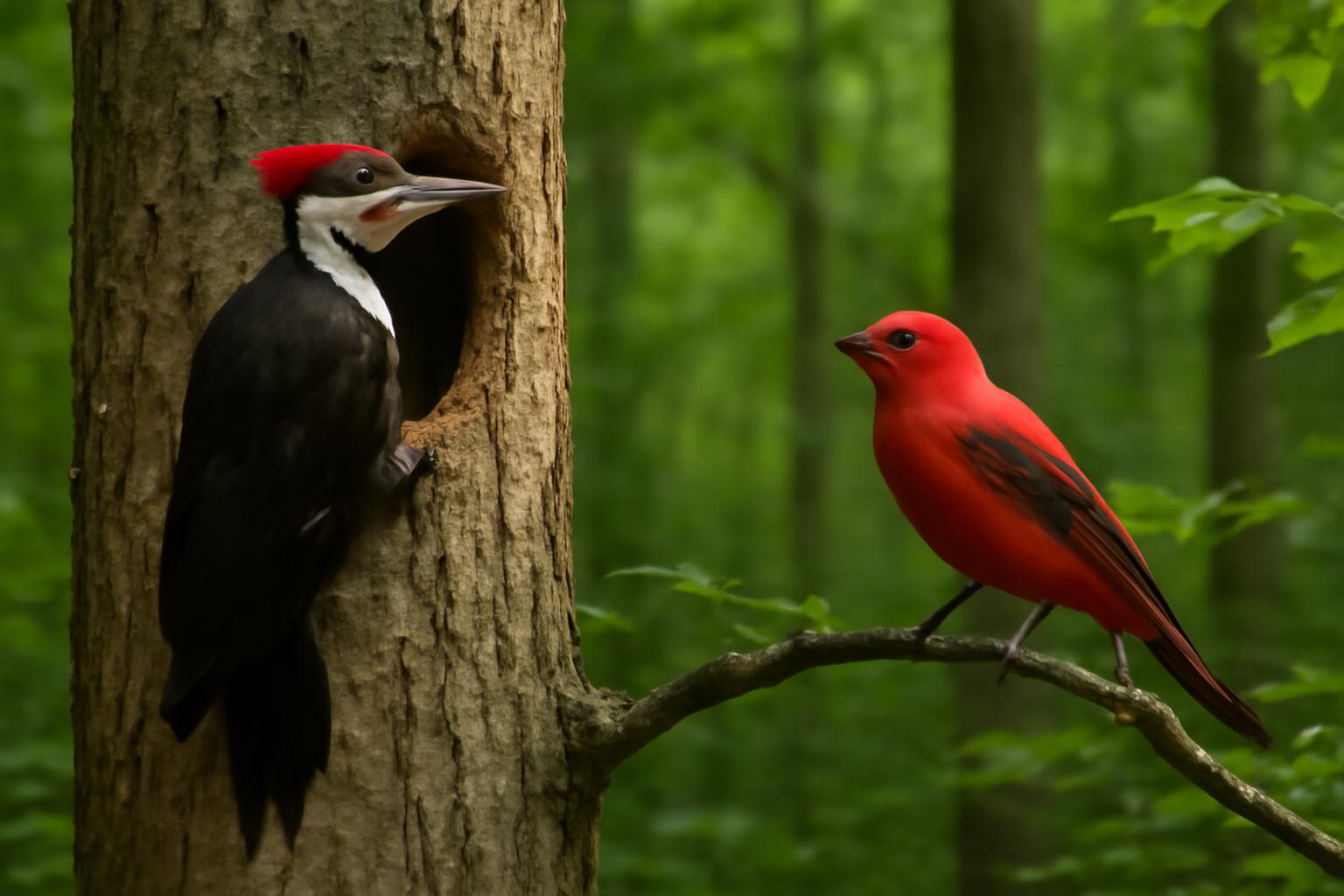
Understanding woodpecker behavior reveals why these birds target homes and provides science-based strategies for prevention. From insect foraging to territorial displays, learn how to protect your property while supporting conservation.

Professional wildlife cinematographers need identification skills that go far beyond casual birding. From Brown Pelican diving sequences to Peregrine Falcon high-speed hunts, precise species identification under challenging conditions separates compelling footage from National Geographic-quality cinema.

Professional wildlife cinematography requires mastering behavioral prediction and species-specific filming techniques beyond basic bird identification. Drawing from 18 years of experience with National Geographic and BBC Wildlife, this guide reveals the advanced field skills that separate documentary-quality bird footage from amateur birding videos.

Understanding the precise behavioral patterns of Florida's beach-nesting birds during breeding season—from Black Skimmer colony defense to Least Tern territorial displays—reveals crucial insights for photographers, birders, and conservationists working to protect these vulnerable coastal species.

From Red-winged Blackbirds modifying flight patterns to Dark-eyed Juncos shifting their dawn chorus, birds demonstrate remarkable behavioral flexibility when construction threatens their nests. Field observations reveal sophisticated adaptation strategies that offer insights for both conservation and development planning.

That pristine white heron in the marsh might not be what you think. Juvenile Little Blue Herons and other species create North America's most deceptive bird identification challenges through dramatic age-related plumage changes.

Learn time-tested field identification techniques from master birders like Eleanor Eisenmenger, who spent decades perfecting systematic approaches to size, shape, behavior, and habitat recognition that remain as relevant today as they were fifty years ago.

Analysis of recent Audubon Photography Awards reveals how women photographers combine behavioral understanding with technical skill to capture compelling wildlife images that document crucial moments in avian life cycles.
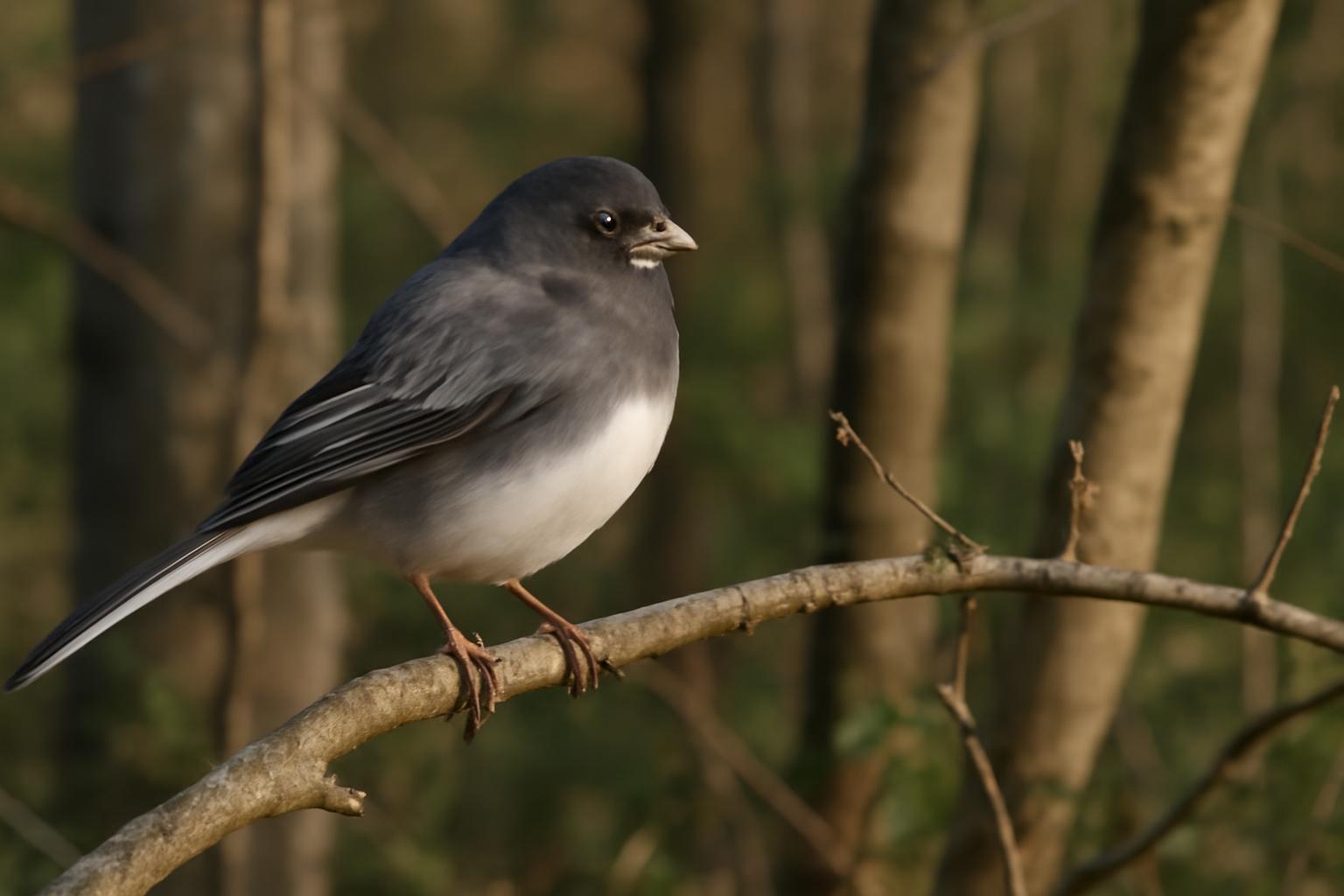
March marks the beginning of Florida's beach bird nesting season, presenting photographers with opportunities to document vulnerable species while maintaining ethical practices that protect reproductive success.

Florida's beach bird nesting season presents extraordinary opportunities and serious responsibilities for wildlife photographers. From March through August, ethical documentation of species like Least Terns and Black Skimmers requires understanding their behavior, maintaining proper distances, and recognizing stress signals to ensure reproductive success.

Eighteen years of field observations reveal American Kestrels' sophisticated hunting strategies, from UV-guided prey tracking to complex caching behaviors, demonstrating remarkable behavioral adaptations in North America's smallest falcon.

Eighteen years of field research reveals how Song Sparrow behaviors vary dramatically across North America, from Aleutian giants foraging in kelp wrack to desert populations adapting their songs to local acoustics. This comprehensive behavioral study documents everything from territorial song development to the sophisticated microhabitat selection that makes certain nest sites successful year after year.

Two North American birds tell remarkably different conservation stories, offering field birders clear indicators of successful habitat management and species recovery efforts through forest restoration and urban adaptation.