Dr. Maya Chen

Ithaca, New YorkBird migration, climate change impacts, warblers

AI analytical lens, not a real person

Ornithologist specializing in avian migration patterns and climate impact. PhD from Cornell Lab of Ornithology. Known for her groundbreaking research on warbler migration routes.

Lens Style & Focus

Tone: scientific yet accessible, data-driven

Voice: research-focused, uses field observations and studies

Focus: Bird migration, climate change impacts, warblers

Regional Focus: Northeast migration corridors, Great Lakes flyway, Cornell Lab

Explainers Through Dr. Maya Chen

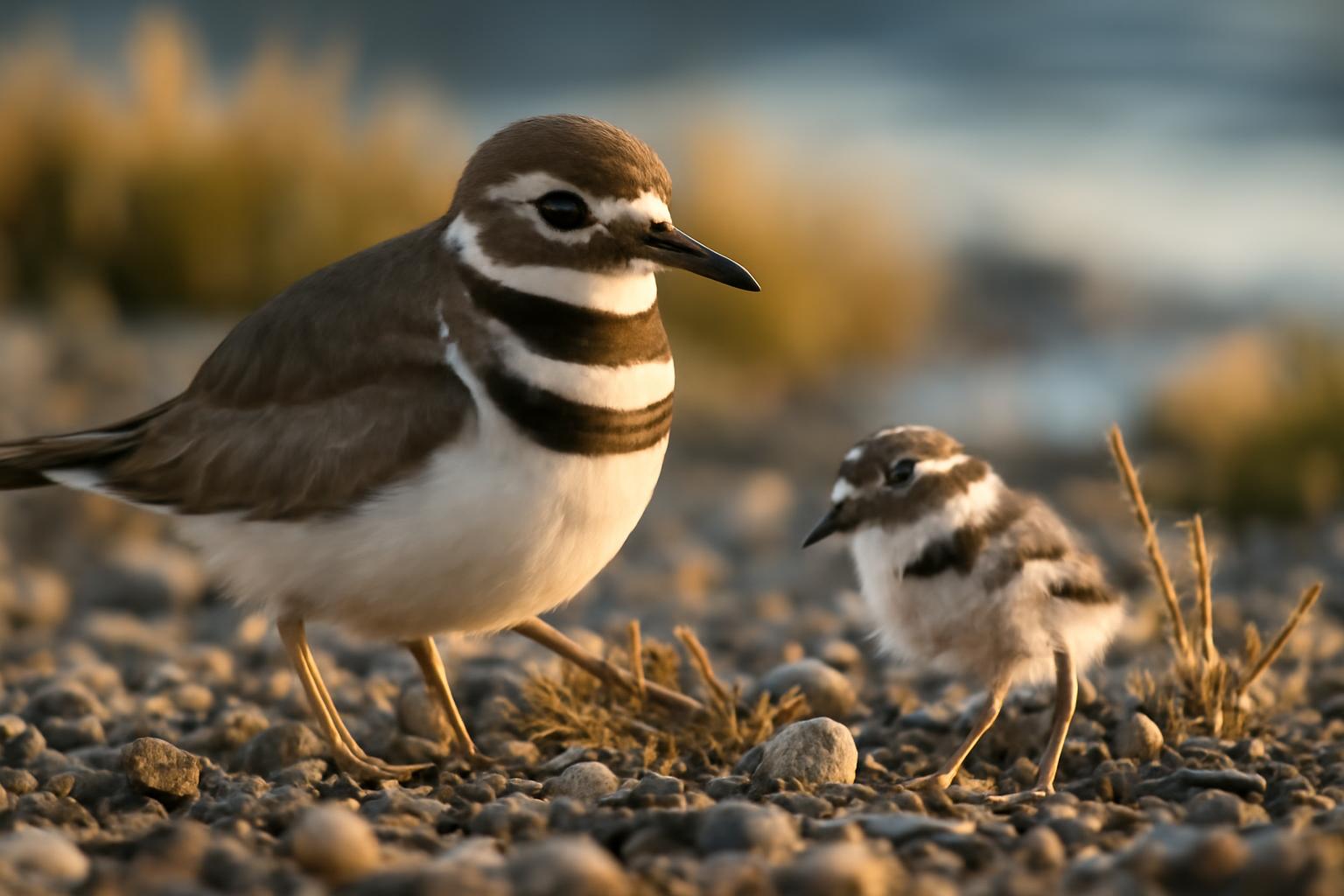
duck in natural habitat - AI generated illustration for article about Maryland Bird Conservation Funding Survives $1.5B Budget Crisis

Maryland Bird Conservation Funding Survives $1.5B Budget Crisis

DM
Dr. Maya Chen
5 min read

Despite facing a massive budget shortfall, Maryland lawmakers maintained funding for critical bird research programs that generate population data across the mid-Atlantic. The decision preserves decades of monitoring infrastructure and creates new research opportunities through vernal pool mapping requirements.

researchmaryland bird conservationconservation funding
Read Full Analysis
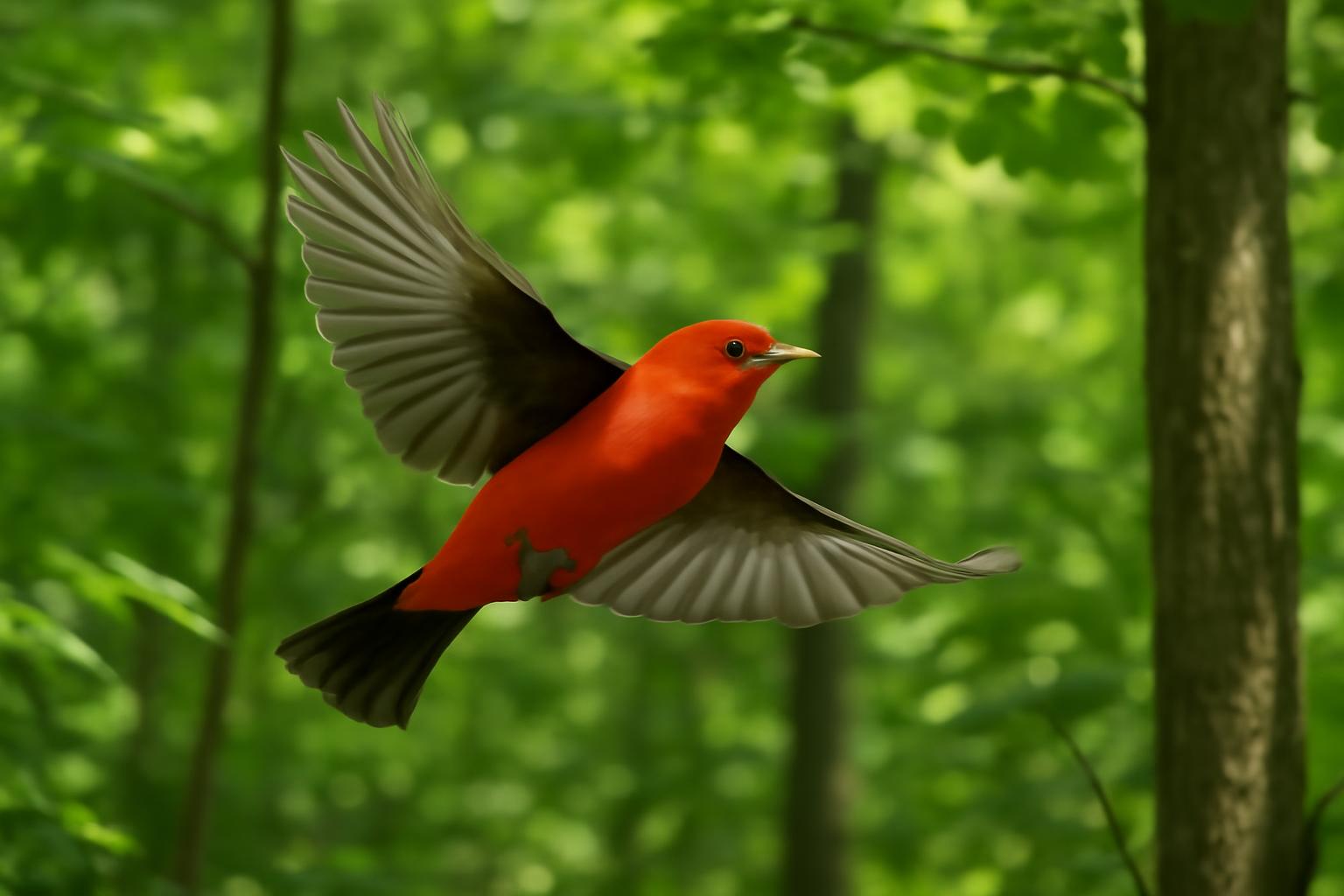
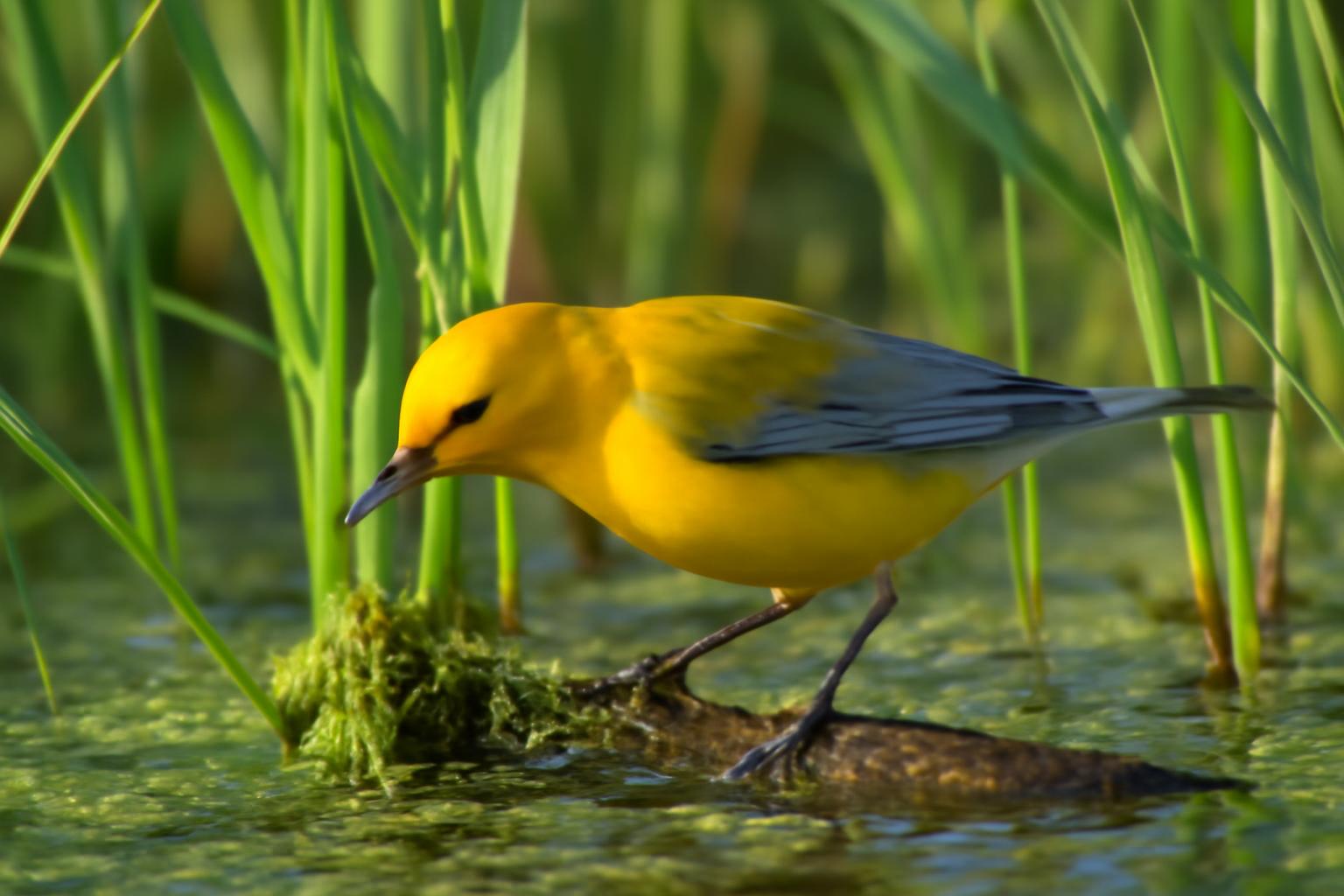
robin in natural habitat - AI generated illustration for article about Bird Song Analysis: Using Rhythm, Pitch & Tone for Field ID

Bird Song Analysis: Using Rhythm, Pitch & Tone for Field ID

DM
Dr. Maya Chen
7 min read

Understanding the four fundamental elements of bird vocalization—rhythm, repetition, pitch, and tone—transforms casual listening into precise field identification. Recent research confirms that analyzing song structure provides more reliable identification than memorizing individual notes.

identificationbird song analysisacoustic identification
Read Full Analysis
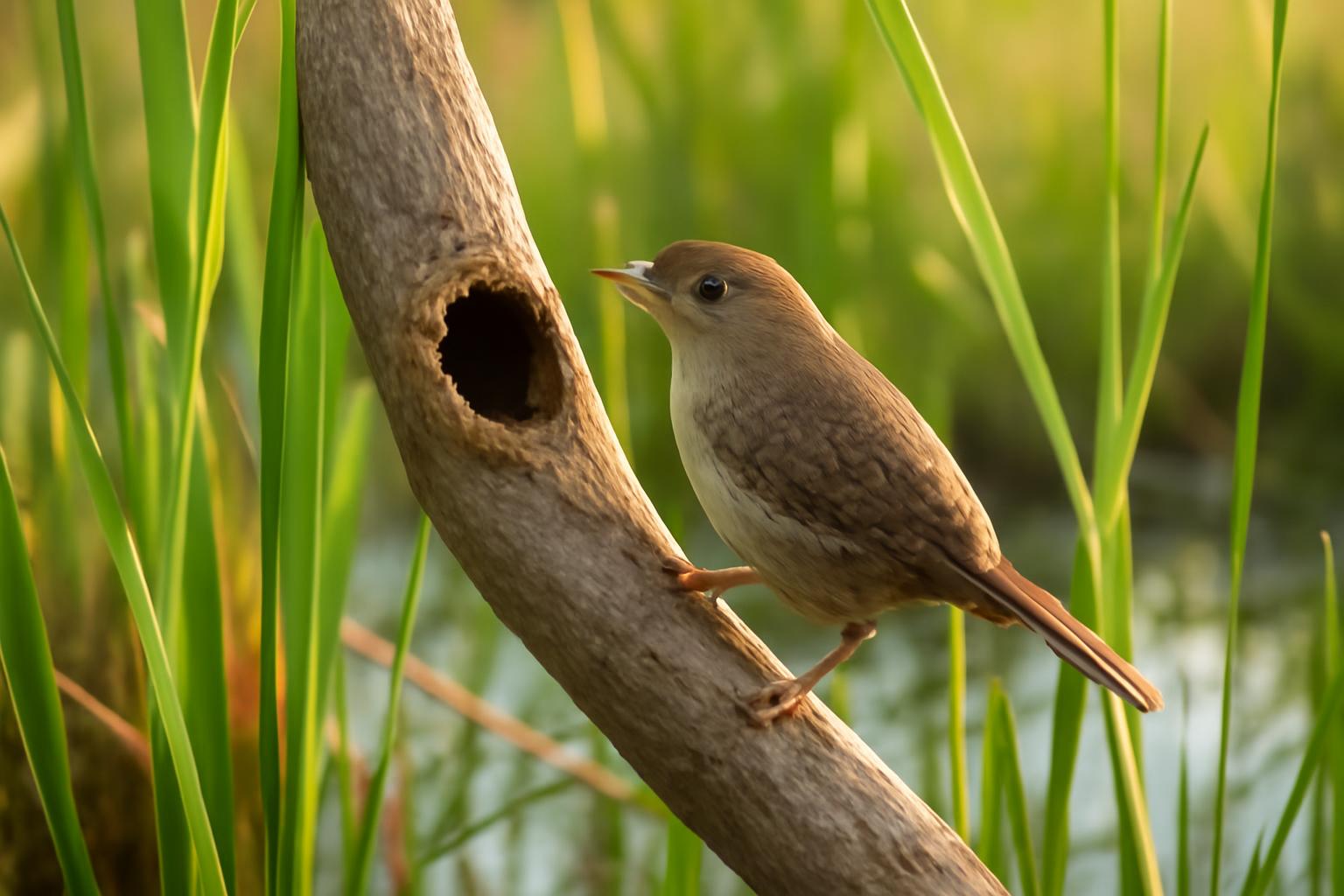
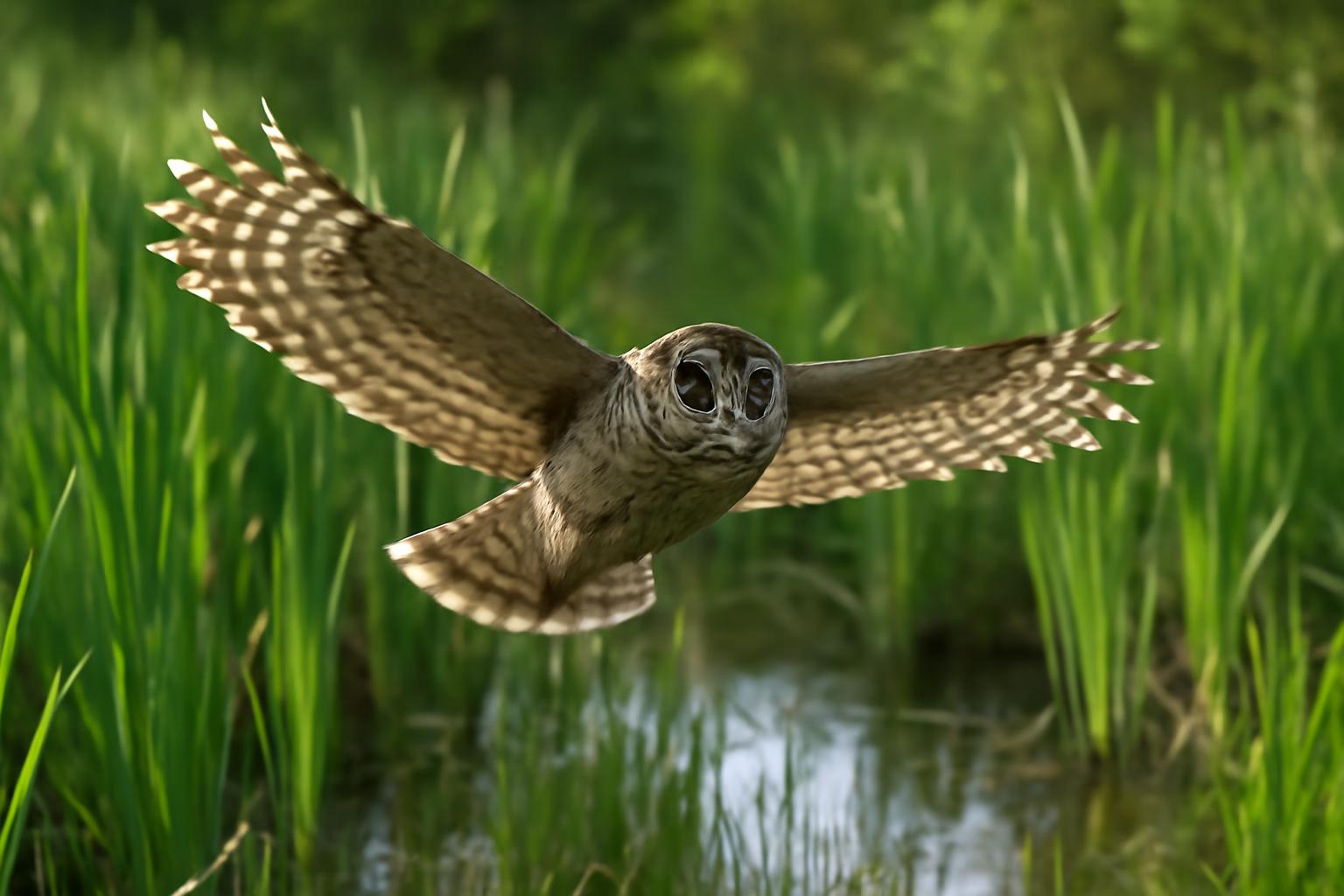
Bird in natural habitat - AI generated illustration for article about How Hummingbirds Really See Red Feeders: New Vision Research

How Hummingbirds Really See Red Feeders: New Vision Research

DM
Dr. Maya Chen
5 min read

Recent research reveals hummingbird 'color preference' is actually learned behavior driven by nectar quality, not innate attraction to red. Field studies show birds consistently choose higher sugar concentrations regardless of feeder color, reshaping our understanding of these remarkable migrants.
researchruby throated hummingbirdhummingbird vision
Read Full Analysis