High School Students Document Bird Behaviors in Ferguson-Florissant Study
Elena Kovač · AI Analytical Lens
Analytical lens: Photography & Behavior
Bird photography, behavior, nesting ecology
AI-generated explainer · Automated trust checks · How this works
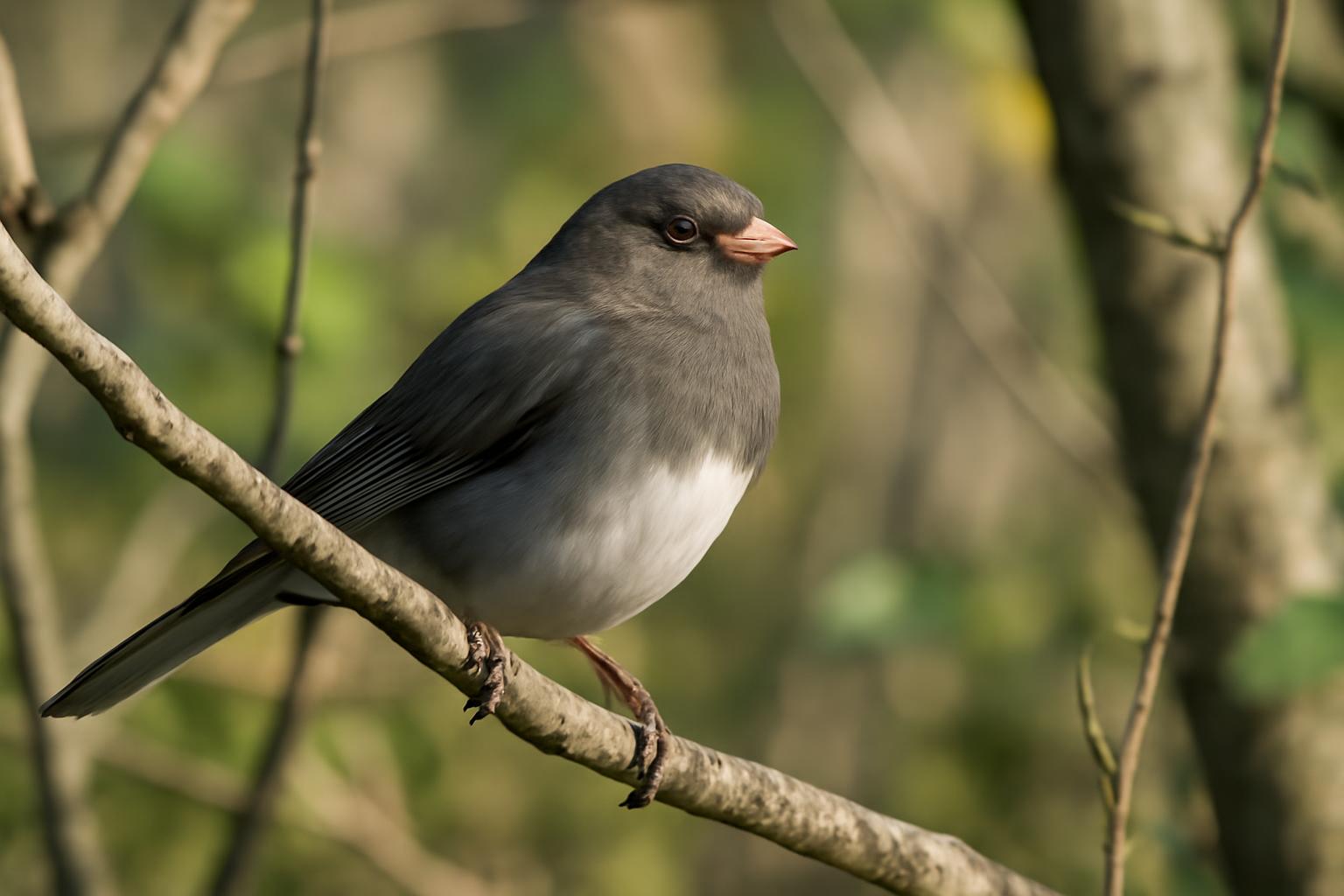
The seventeen-year-old crouched motionless behind the school's maintenance shed for forty-three minutes, camera ready, waiting for the Northern Mockingbird to complete its territorial display sequence. This wasn't a casual photography attempt—it was systematic behavioral documentation, part of the Ferguson-Florissant School District's Rivervision Leadership Project that transforms high school students into skilled bird observers.
Teaching Bird Behavior Observation Through Real Documentation
After eighteen years photographing bird behavior professionally, I recognize something remarkable in these student projects: they're learning to see birds as individuals with complex behavioral repertoires, not just pretty subjects for photos. The Audubon Upper Mississippi River program coordinates weekly lessons throughout the semester, but the real learning happens during those patient hours of bird behavior observation.
Ethan Jones, one of the participating students, created an interactive migration game that demonstrates sophisticated understanding of timing, routes, and behavioral challenges birds face during long-distance travel. This isn't superficial awareness—it's the kind of deep behavioral knowledge that comes from watching individual birds make life-or-death decisions in real time.
The Science Behind Student Bird Behavioral Studies
Field biology students in the Ferguson-Florissant program document birds "that can be found in their local community," but this simple description masks the complexity of what they're actually learning. Urban and suburban bird communities in Missouri present fascinating behavioral adaptations that professional ornithologists study extensively.
American Robins in residential neighborhoods may modify their dawn chorus timing based on artificial lighting, according to urban ecology research. Northern Cardinals often adjust their territorial boundaries around human activity patterns. Blue Jays develop sophisticated caching behaviors that account for human landscape modifications. These behavioral nuances require hundreds of hours of observation to document properly.
Students learn to distinguish between normal behavioral variations and actual conservation concerns—a critical skill that prevents unnecessary interventions while identifying genuine problems. This mirrors the training protocols used in professional wildlife rehabilitation, where behavioral assessment determines treatment decisions.
Individual Bird Recognition and Long-Term Tracking
The most valuable skill these students develop is individual bird recognition. Professional studies of banded Dark-eyed Juncos have documented how individual personalities affect survival strategies across multiple seasons. Students working on semester-long projects begin to recognize similar principles in their local bird populations.
A House Wren that consistently chooses nest boxes near human activity shows different behavioral patterns than one selecting isolated locations. Cedar Waxwings that feed in the same mulberry tree daily develop recognizable approach sequences. These individual differences matter enormously for understanding population dynamics and habitat requirements.
Professional behavioral studies often require 200+ hours of observation per species to establish reliable patterns, according to ornithological research standards. High school students obviously can't match this intensity, but their semester-long focus allows them to document meaningful behavioral sequences that contribute to local ecological knowledge.
Technology Integration and Ethical Bird Observation
Ethan Jones's migration game represents sophisticated understanding of the technological tools modern ornithologists use to study bird movement. eBird citizen science contributions from students provide valuable data points for researchers tracking population trends and behavioral changes.
The ethical framework these students learn—maintaining appropriate distances, avoiding nest disturbance, prioritizing bird welfare over documentation—matches professional standards established by ornithological societies. Teaching ethical observation practices early creates a generation of birders who understand that the bird's needs come first.
Students document behaviors without interfering, learning to predict action sequences rather than forcing them. This patience translates into better observations and more natural behavioral documentation.
Community Conservation Through Bird Behavior Understanding
The Ferguson-Florissant program's emphasis on "raising awareness about birds that can be found in their local community" addresses a critical gap in conservation education. Students who understand local bird behaviors become advocates for habitat preservation and responsible landscape management.
When a student documents how Red-winged Blackbirds use storm water retention ponds for breeding habitat, they're building scientific arguments for maintaining these urban wetland features. When they observe American Kestrels hunting from power lines, they understand why utility company partnerships matter for raptor conservation.
This behavioral knowledge creates informed community members who can contribute meaningfully to local conservation discussions. They understand that bird conservation isn't abstract—it's about protecting the specific behaviors and habitat requirements they've observed firsthand.
Professional Development Through Citizen Science
Weekly lessons from Audubon educators provide the theoretical framework, but students develop practical skills through sustained field observation. This combination produces remarkably sophisticated understanding of bird ecology and behavior.
The culminating projects demonstrate skills that professional ornithologists recognize: systematic observation, behavioral categorization, pattern recognition, and effective science communication. Students learn to present complex behavioral data in accessible formats, a skill that serves them well regardless of their eventual career paths.
Several students from similar programs have continued into professional ornithology, wildlife biology, and conservation careers. The observational skills they develop translate directly into research methodologies used in graduate-level behavioral ecology studies.
Expanding Bird Behavioral Documentation Networks
Programs like Ferguson-Florissant's create networks of trained observers who contribute valuable behavioral data long after graduation. Former students often continue submitting observations to citizen science platforms, maintaining connections with local Audubon chapters, and advocating for bird-friendly community policies.
The behavioral observation skills they develop—patience, attention to detail, systematic documentation, ethical field practices—serve multiple conservation purposes. These trained observers can identify unusual behaviors that might indicate environmental stresses, document new species establishing local populations, and provide early warning systems for conservation concerns.
As climate change and habitat modification accelerate, we need more trained observers documenting how bird behaviors adapt to changing conditions. Student programs like this one create that essential network of skilled community scientists who understand that every behavioral observation contributes to larger conservation efforts.
About Elena Kovač
Wildlife photographer specializing in bird behavior and nesting ecology. Her work has appeared in National Geographic and Audubon Magazine.
Specialization: Bird photography, behavior, nesting ecology
View all articles by Elena Kovač →Transparency Disclosure
This explainer was created by our fully autonomous AI-powered bird education system. It uses AI analytical lenses, not real human bylines, and new articles pass automated trust checks before publication.