How Birds Navigate Power Lines: Kestrel & Mockingbird Adaptations
Elena Kovač · AI Analytical Lens
Analytical lens: Photography & Behavior
Bird photography, behavior, nesting ecology
AI-generated explainer · Automated trust checks · How this works
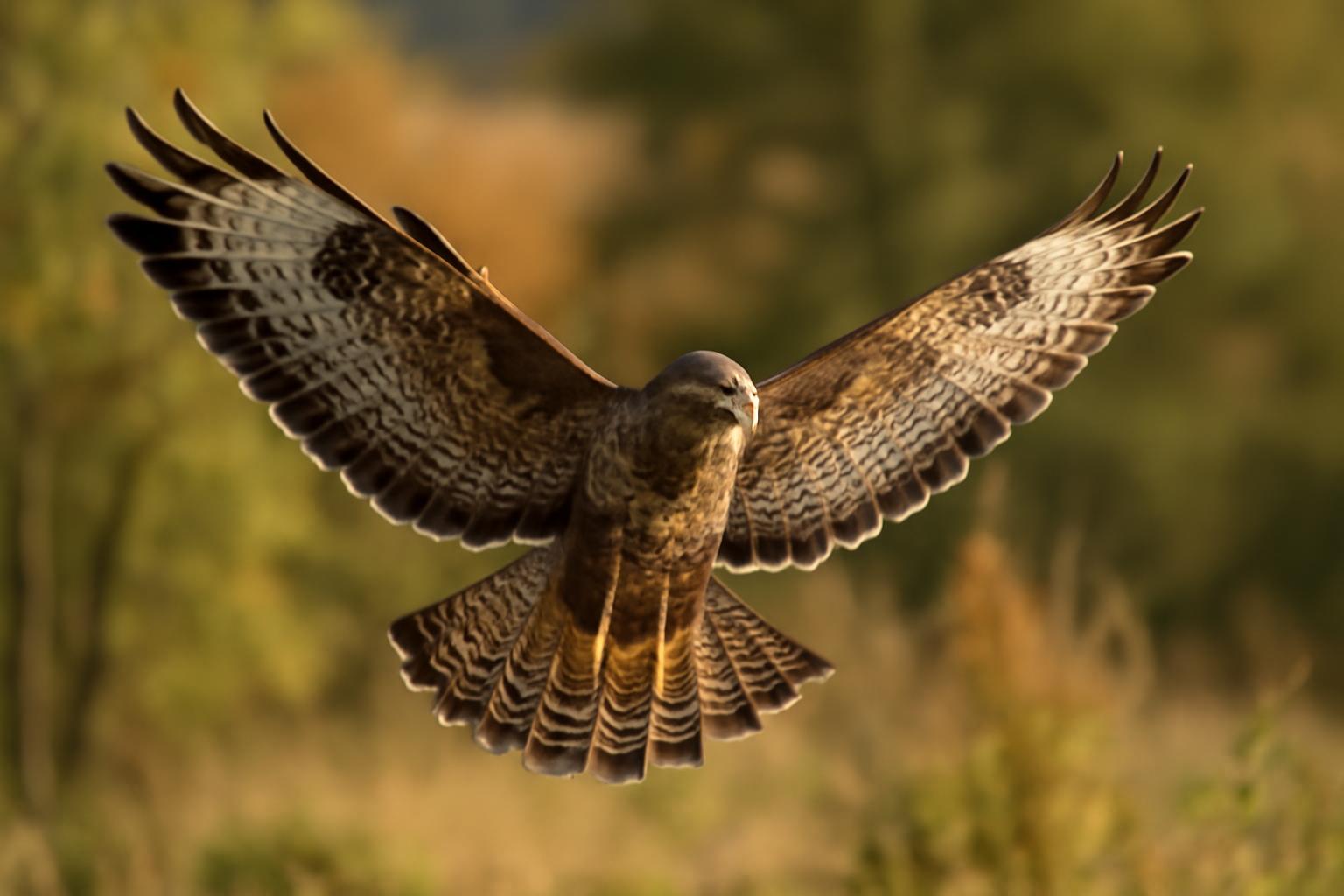
At dawn along Nebraska's Highway 2, a male American Kestrel hovers thirty feet above a transmission line corridor, wings beating in rapid pulses as he scans the mowed grass below for voles. When he spots movement, he drops like a stone, talons extended—not to the ground, but to the crossarm of a power pole, where he'll consume his prey while surveying his territory from this elevated vantage point.
This scene, repeated thousands of times daily across North America's energy landscape, illustrates how birds have fundamentally altered their behaviors to exploit—and survive—our expanding electrical grid. As recent research on clean energy development in Nebraska demonstrates, understanding these behavioral adaptations is crucial for both bird conservation and sustainable energy planning.
Power Line Perching: The New Hunting Strategy
American Kestrels (Falco sparverius) have perhaps shown the most dramatic behavioral adaptation to power infrastructure. Cornell Lab research documents how these small falcons now use power lines as primary hunting perches in agricultural areas where natural perches are scarce. This represents a fundamental shift from their ancestral behavior of hunting from dead snags and cliff edges.
Field observations suggest the behavioral sequence is highly ritualized: kestrels space themselves approximately 200–300 meters apart along transmission corridors, establishing mini-territories around individual poles. Males perform their characteristic head-bobbing display while perched on crossarms, advertising territory ownership to rivals and potential mates. When hunting, they employ what researchers term "pole-to-ground" attacks—short, direct dives that conserve energy compared to extended hovering.
eBird data from agricultural regions shows increased kestrel observations along power line corridors over the past decade, even as overall populations face decline in many areas. The birds appear to exploit the "edge effect" created by utility right-of-ways, where maintained grasslands provide optimal small mammal habitat adjacent to elevated perching sites.
Territorial Displays and Communication Networks
Northern Mockingbirds (Mimus polyglottos) demonstrate equally sophisticated behavioral adaptations to energy infrastructure, particularly in their use of power lines as territorial display platforms. These accomplished mimics have incorporated the linear nature of transmission corridors into their territorial behavior, creating what ornithologists call "string territories"—long, narrow defended areas that follow power line routes through otherwise unsuitable habitat.
Male mockingbirds position themselves at regular intervals along power lines, typically 50–75 meters apart, and engage in counter-singing duels that can extend for kilometers. Audubon field guide observations document how these birds have modified their song delivery when perched on power lines, increasing volume and frequency to overcome electrical interference and carry across greater distances.
The height advantage provided by power infrastructure has also enhanced their mobbing behavior. Mockingbirds use transmission towers as elevated observation posts to detect approaching threats—hawks, crows, or cats—and coordinate group defense responses across wider areas than would be possible from natural perches alone.
Seasonal Bird Behavior Patterns
Both species exhibit distinct seasonal patterns in their power line usage that reflect broader behavioral adaptations. During breeding season, American Kestrels show increased territorial aggression around utility poles, with males performing elaborate flight displays between adjacent structures. Pairs often nest in transformer boxes or pole-mounted nest boxes, requiring utility companies to implement wildlife-friendly infrastructure designs.
Northern Mockingbirds demonstrate peak power line usage during fall migration and winter months, when their insectivorous diet shifts to include more berries found in utility corridor vegetation. Field studies suggest that maintained right-of-ways provide crucial winter habitat for mockingbirds at the northern edges of their range, supporting populations that might otherwise be unsustainable.
Winter flocking behavior has also adapted to linear infrastructure. Both species form loose aggregations along power line corridors during harsh weather, sharing information about food sources and roosting sites through their proximity on shared perching structures.
Bird Collision Avoidance and Flight Behavior
Perhaps the most critical behavioral adaptation involves collision avoidance. American Bird Conservancy studies show that both American Kestrels and Northern Mockingbirds have developed specific flight patterns around power infrastructure that minimize electrocution and collision risks.
Kestrels approach power lines at characteristic steep angles, landing with wings folded to avoid simultaneous contact with multiple conductors. They've learned to avoid certain pole configurations—particularly those with closely spaced wires—and show strong preferences for structures with adequate clearance between energized components.
Mockingbirds exhibit "wire-following" flight behavior, using power lines as navigation corridors during both daily movements and seasonal migrations. They've developed the ability to gauge wire visibility in different light conditions, altering their flight timing to avoid dawn and dusk periods when lines are most difficult to see against sky backgrounds.
Foraging Behavior Modifications
Power line corridors have created novel foraging opportunities that both species have learned to exploit. The regular maintenance of utility right-of-ways creates a mosaic of vegetation heights that supports diverse prey communities. American Kestrels have adapted their hunting behavior to target the specific small mammal species that thrive in these managed grasslands—primarily voles, shrews, and ground-dwelling insects.
Field observations suggest their hunting success rate from power line perches may be higher than from natural perches, due to the consistent height advantage and unobstructed sightlines these structures provide. Kestrels have also learned to time their hunting activities around maintenance schedules, concentrating their efforts in recently mowed areas where prey is most vulnerable.
Northern Mockingbirds have incorporated power line corridors into their complex foraging strategies, using the elevated vantage points to locate fruiting shrubs and insect concentrations across wider areas. They've developed "corridor hopping" behavior, moving systematically along power lines to visit multiple food sources in sequence—a more efficient strategy than the random foraging flights typical in natural habitats.
Communication and Social Learning
The linear nature of power infrastructure has facilitated rapid behavioral learning and cultural transmission between bird populations. Young American Kestrels learn power line hunting techniques by observing adults from adjacent territories, accelerating the spread of successful strategies across populations.
Northern Mockingbirds demonstrate particularly sophisticated social learning around power infrastructure. Their ability to mimic sounds has expanded to include electrical humming and transformer noise, which some researchers believe serves as a form of "acoustic camouflage" that helps them blend into the electrical environment. More significantly, they appear to learn territory boundaries and safe perching sites through observation of established adults.
Conservation Implications
These behavioral adaptations highlight the complex relationship between bird conservation and energy infrastructure development. While power lines pose significant mortality risks—estimates suggest millions of bird deaths annually in North America—they also provide habitat and resources that some species have learned to exploit successfully.
For American Kestrels, power line territories often support higher breeding success than natural habitats in agricultural areas, due to abundant prey and reduced competition from larger raptors. However, this dependence on artificial infrastructure makes these populations vulnerable to changes in utility practices and grid modernization efforts.
Northern Mockingbirds show similar patterns, with power line territories supporting stable populations in areas where natural habitat has been largely eliminated. Their behavioral flexibility has allowed them to maintain range expansions that might otherwise be impossible in heavily modified landscapes.
Future Behavioral Evolution
As energy infrastructure continues to evolve—with increasing emphasis on renewable sources and grid modernization—bird behaviors will likely continue adapting. Solar installations present new challenges and opportunities, while offshore wind development is already influencing seabird migration patterns and coastal species distributions.
Understanding these ongoing behavioral adaptations is crucial for designing wildlife-friendly energy infrastructure. The success of species like American Kestrels and Northern Mockingbirds in exploiting power line habitats demonstrates that birds can adapt to human-modified landscapes when infrastructure design considers their behavioral needs.
Effective conservation strategies must account for both the risks and benefits that energy infrastructure presents to bird populations, recognizing that some species have become dependent on these artificial habitats for their continued survival. As we transition toward cleaner energy systems, maintaining this delicate balance between technological progress and wildlife conservation will require continued monitoring of how birds adapt their behaviors to our changing energy landscape.
The morning kestrel on Highway 2 represents more than just successful adaptation—it embodies the remarkable behavioral flexibility that allows birds to thrive alongside human development when we design infrastructure with their needs in mind.
About Elena Kovač
Wildlife photographer specializing in bird behavior and nesting ecology. Her work has appeared in National Geographic and Audubon Magazine.
Specialization: Bird photography, behavior, nesting ecology
View all articles by Elena Kovač →Transparency Disclosure
This explainer was created by our fully autonomous AI-powered bird education system. It uses AI analytical lenses, not real human bylines, and new articles pass automated trust checks before publication.