Training the Next Generation of Bird Conservationists
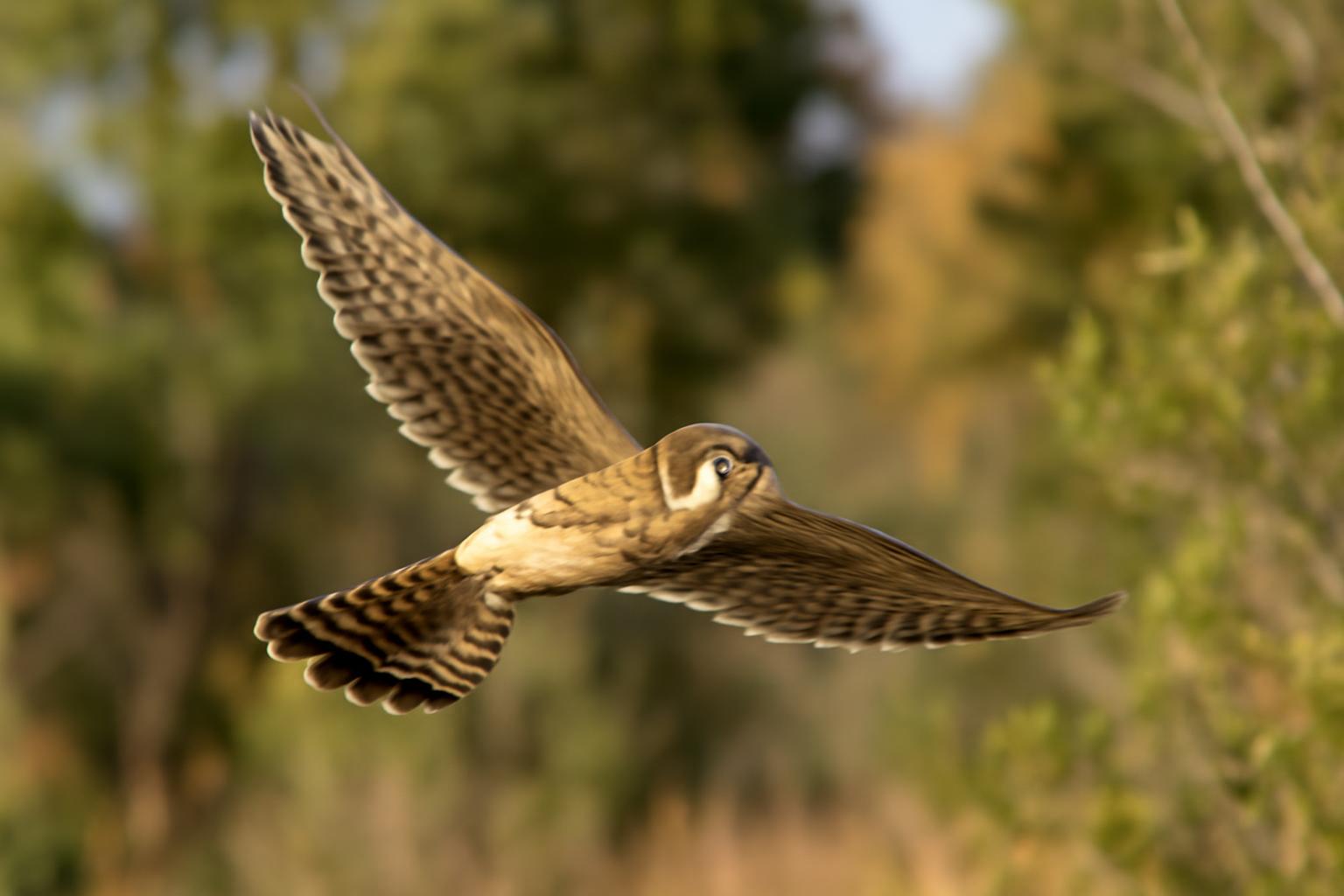
Thousands of conservation leadership programs graduate students each year, but the skills that translate into lasting habitat gains for species like the Peregrine Falcon share a common thread.
AI analytical lens, not a real person
Conservation biologist focused on habitat restoration and grassland bird recovery. Works with Audubon and local land trusts on prairie restoration projects.
Tone: passionate, action-oriented, hopeful
Voice: conservation success stories, practical habitat tips
Focus: Habitat restoration, grassland birds, conservation planning
Regional Focus: Great Plains, prairie restoration, native plantings, backyard conservation

Thousands of conservation leadership programs graduate students each year, but the skills that translate into lasting habitat gains for species like the Peregrine Falcon share a common thread.

The wetland at dawn has a silence where the Mallard's contact calls used to stitch the morning together. The reeds are still there. The water is still there.

A Senate Farm Bill discussion draft and a Capitol Hill fly-in by ranchers and Audubon staff reveal how federal agricultural policy shapes grassland bird habitat at landscape scale.

Some birds refuse to fit the categories we build for them. Understanding why reveals something fundamental about how birds adapt, persist, and surprise us.

Eighteen species of native forest birds now breed at a single one-acre patch in Amenia, New York—up from just 9 before targeted habitat management began. The doubling at Perry Hill farm illustrates why habitat structure drives bird diversity more than almost any other factor, and what private landowners can do about it.

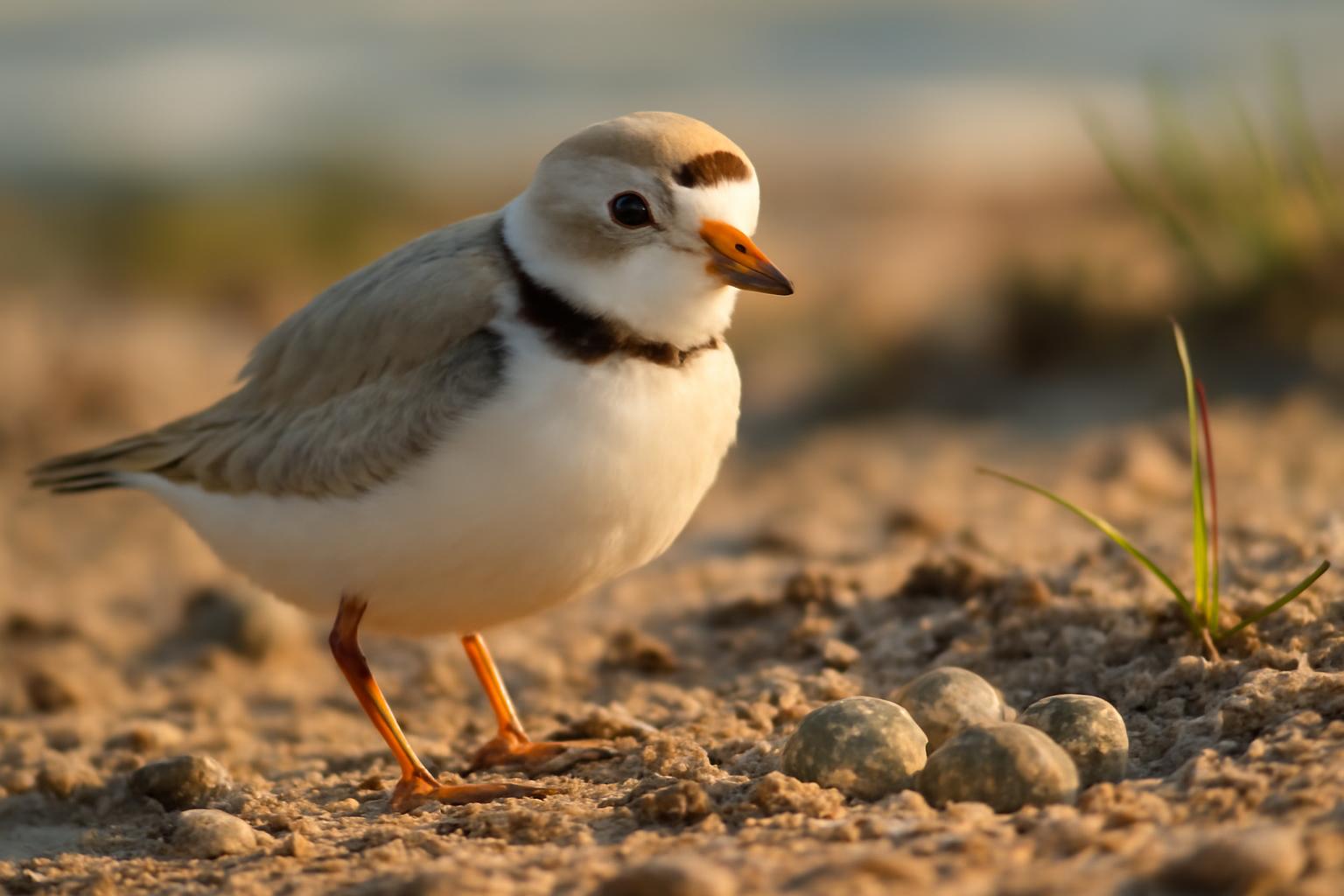
North Carolina lawmakers are considering reversing decades-old protections against coastal hardening structures that destroy critical shorebird nesting habitat. Senate Bills 1008 and 1009 would allow terminal groins and seawalls that have proven ineffective at stopping erosion while devastating beach ecosystems that American Oystercatchers, Piping Plovers, and other coastal species depend on for survival.

Restored habitats don't just bring birds back—they transform how they behave. New research reveals how birds adapt their territorial, nesting, and foraging behaviors to restoration sites, often in ways that increase breeding success and population stability.

Mountain Island Ranch's 76,000-acre Audubon certification demonstrates how rotational grazing and conservation easements can reverse grassland bird declines through landscape-scale habitat management.

State conservation funding programs represent the most effective strategy for reversing grassland bird declines across the Northern Great Plains, with new data showing measurable population responses within three years of habitat restoration.

The 2026 Everglades Coalition Conference revealed how nutrient pollution flowing into Lake Okeechobee from agricultural lands continues to undermine bird recovery efforts 100 miles downstream, despite billions invested in the Comprehensive Everglades Restoration Plan.

After decades of planning, the Comprehensive Everglades Restoration Plan is delivering measurable habitat improvements. New monitoring data shows 40% higher wading bird nesting success in areas where natural sheet flow has been restored, with Great Egret colonies returning to areas unsuitable for over thirty years.

Three decades of restoration data reveal wetlands as the most effective habitat conservation strategy for North American birds, with populations responding within 2-3 breeding seasons across diverse ecosystems from the Prairie Pothole Region to coastal salt marshes.

Florence Merriam Bailey's 1889 approach to field ornithology—focusing on live bird behavior rather than collected specimens—transformed how we teach and learn about birds. Her emphasis on patient observation, seasonal timing, and behavioral cues remains the foundation of effective bird education today.

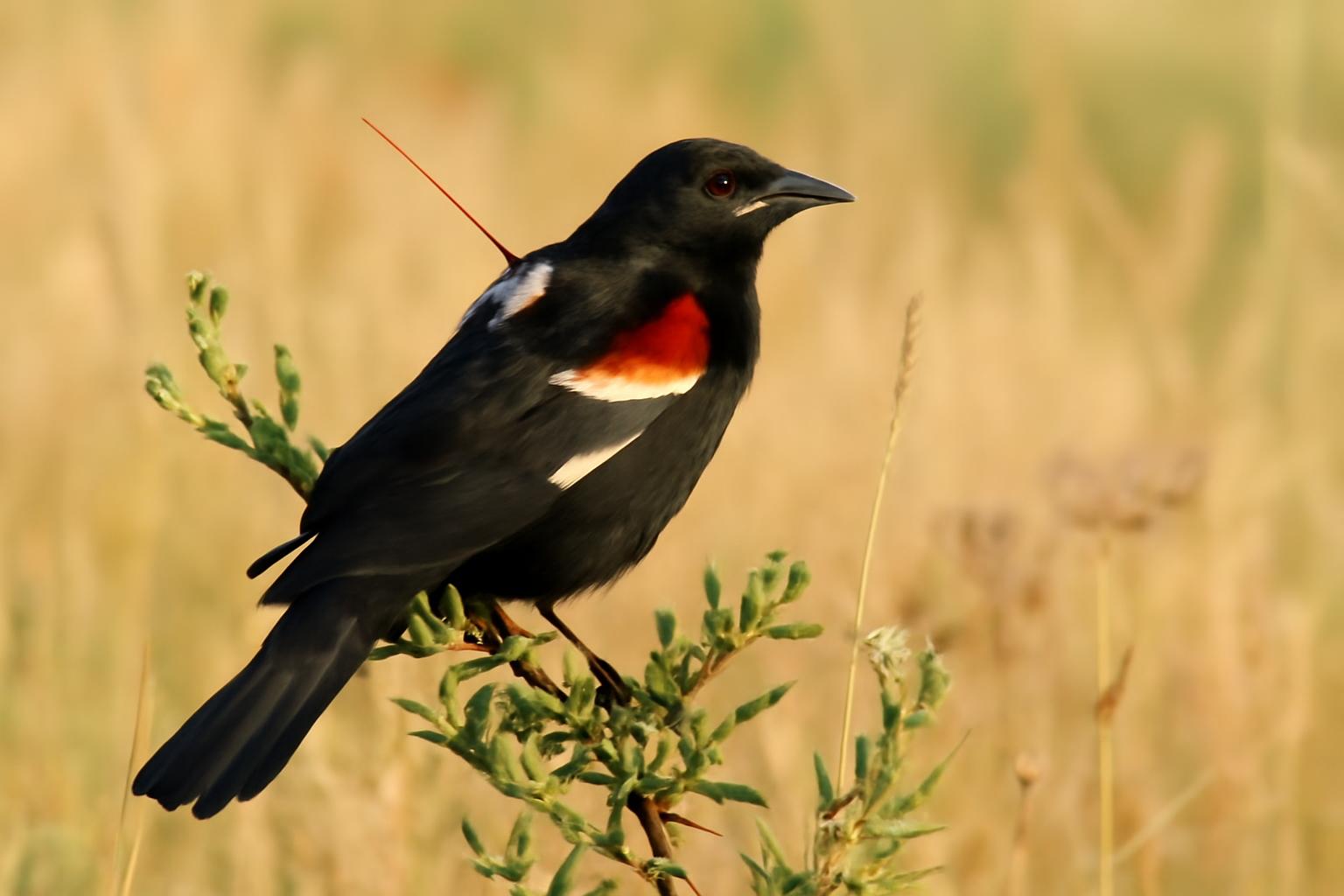
New tracking technology follows California's most spectacular blackbird through their mysterious post-breeding journeys, revealing critical grassland habitats we've been overlooking in conservation efforts.

After twelve years monitoring restoration sites, I've documented how habitat quality directly shapes bird behavior—from foraging strategies to breeding success. These behavioral changes often appear years before population numbers reflect restoration success.

Federal funding commitment represents more than conservation theater—it's recognition that we're racing against ecological collapse at North America's most important inland bird habitat.

Public bird murals serve as unexpected field guides, training birders' eyes to recognize diagnostic features that separate similar species. From Florida Scrub-Jays to Ruby-throated Hummingbirds, well-executed artwork provides accessible identification training that strengthens both birding skills and conservation awareness.

Analysis of five years of advocacy outcomes shows that states with organized birder advocacy days secure 23% more conservation funding than states relying solely on professional lobbyists. When 200+ Audubon volunteers gather in Raleigh for North Carolina's annual Advocacy Day, they demonstrate the most effective bird conservation strategy most birders never consider.
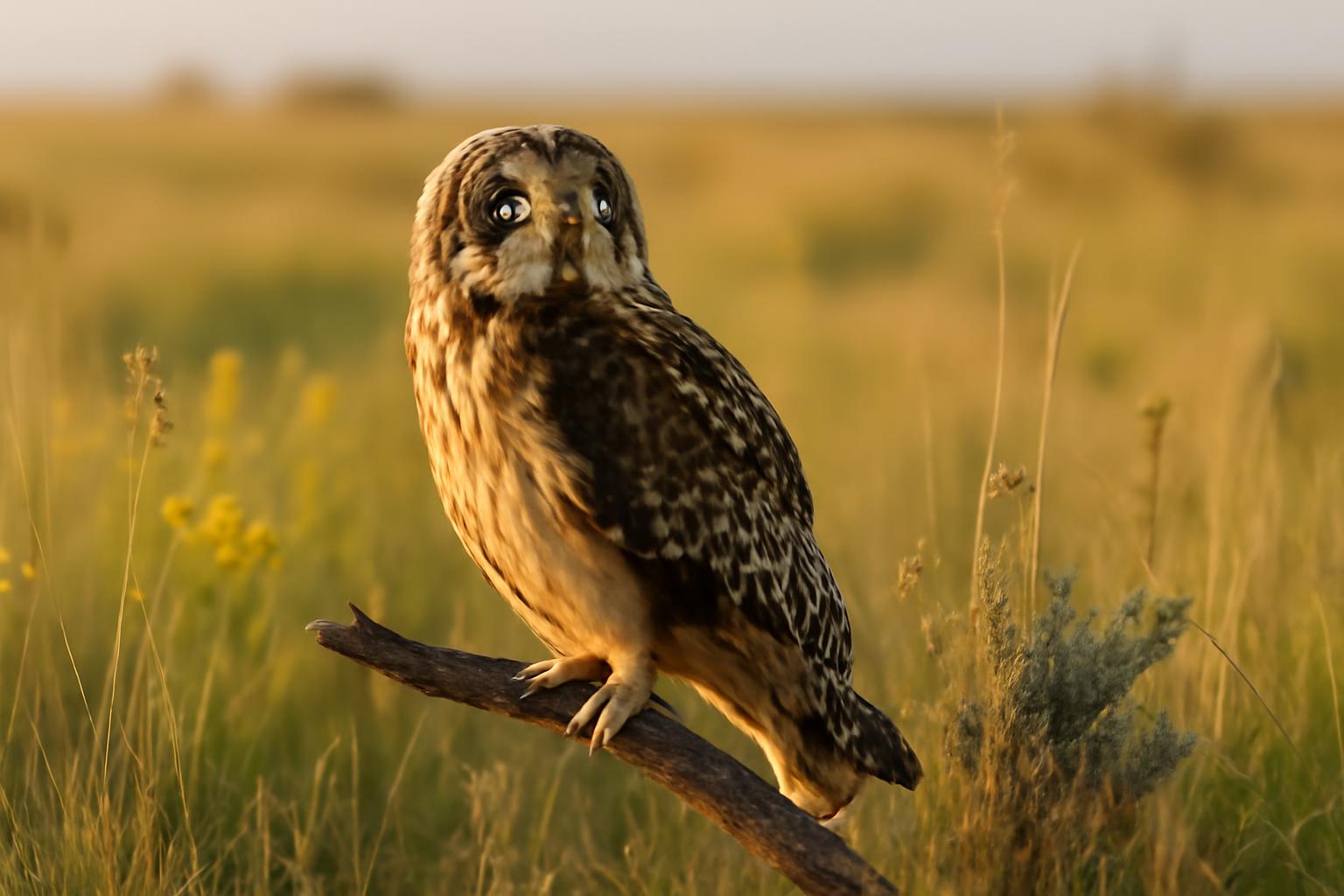
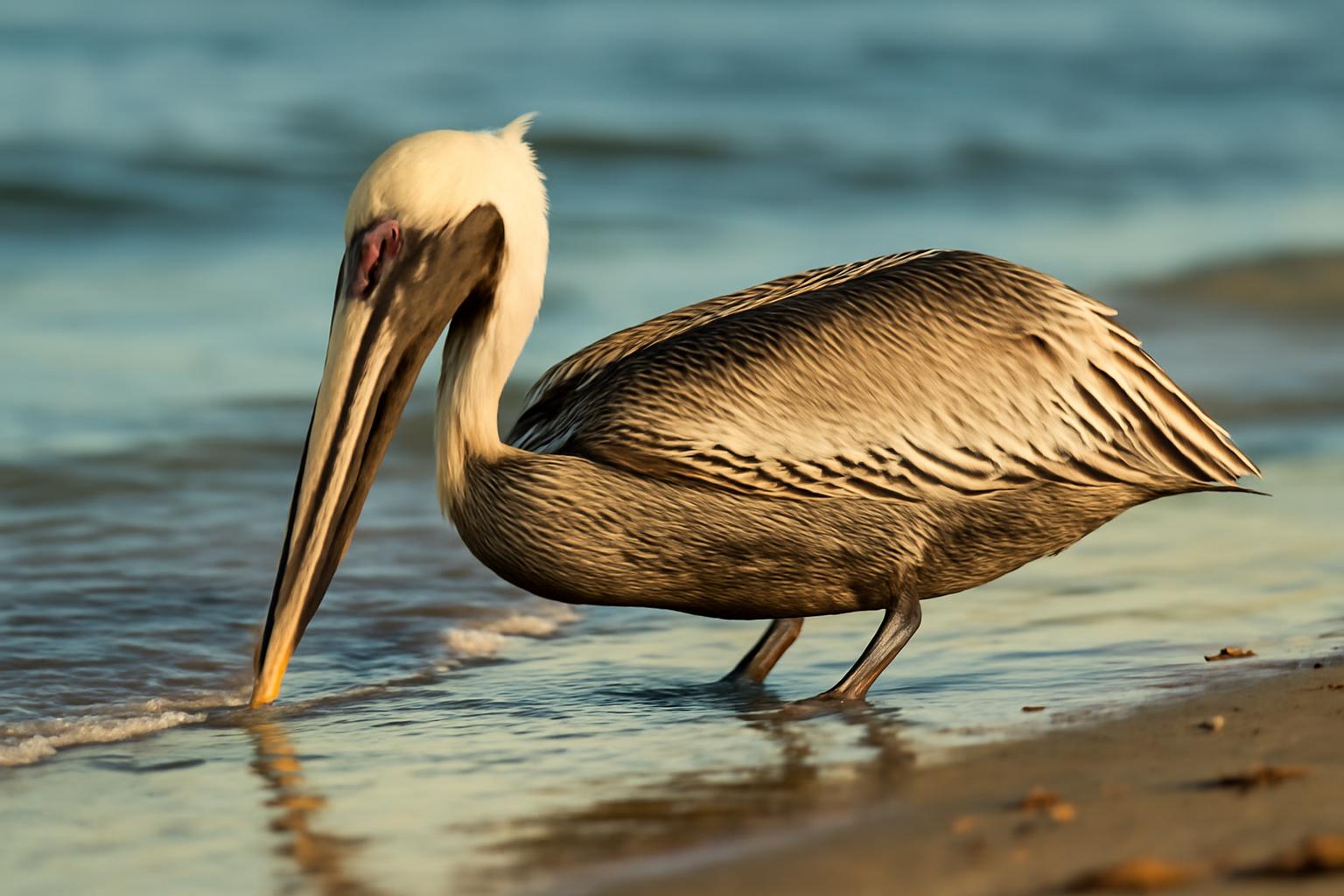
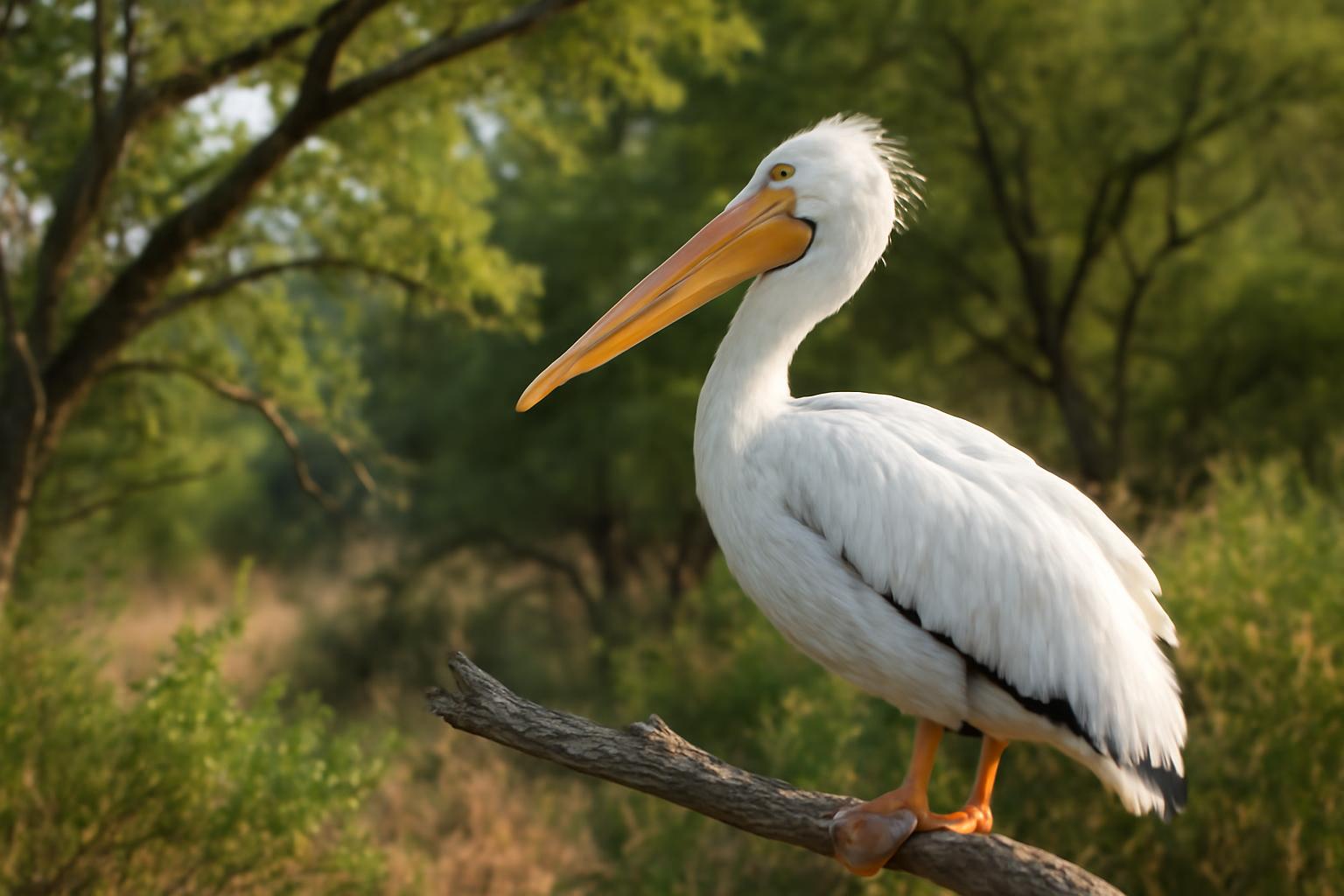
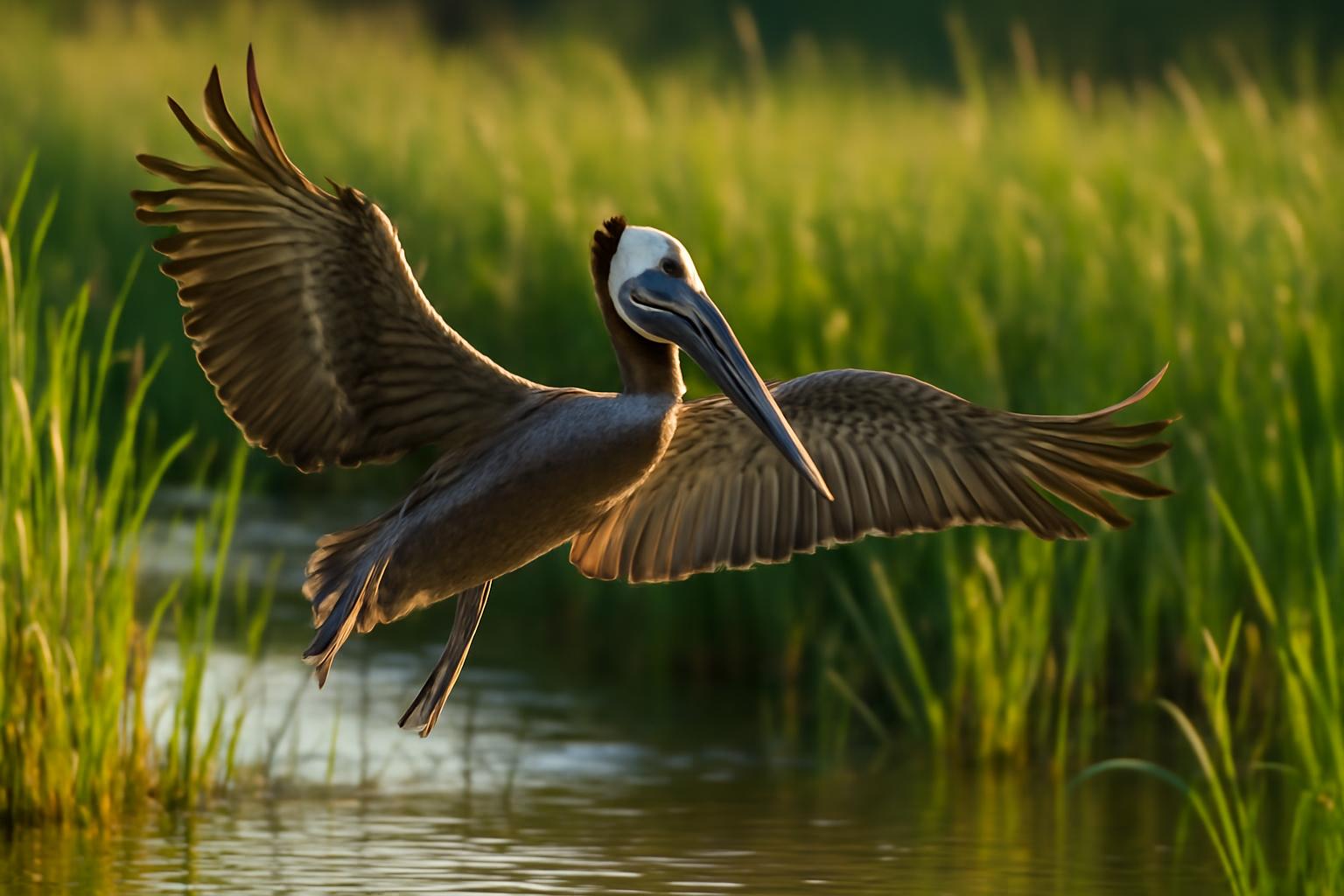
As western wetlands shrink, distinguishing between species that adapt versus abandon changing habitats becomes critical for conservation monitoring. Learn to identify the Brown Pelican's spectacular plunge-diving behavior and the White-breasted Nuthatch's unique head-down foraging in riparian zones.

A juvenile Bald Eagle's plumage changes four times before reaching its adult white head and tail at five years old. Learning to identify birds across all life stages transforms field identification from guesswork into confident recognition, especially when dealing with species whose young look nothing like their parents.

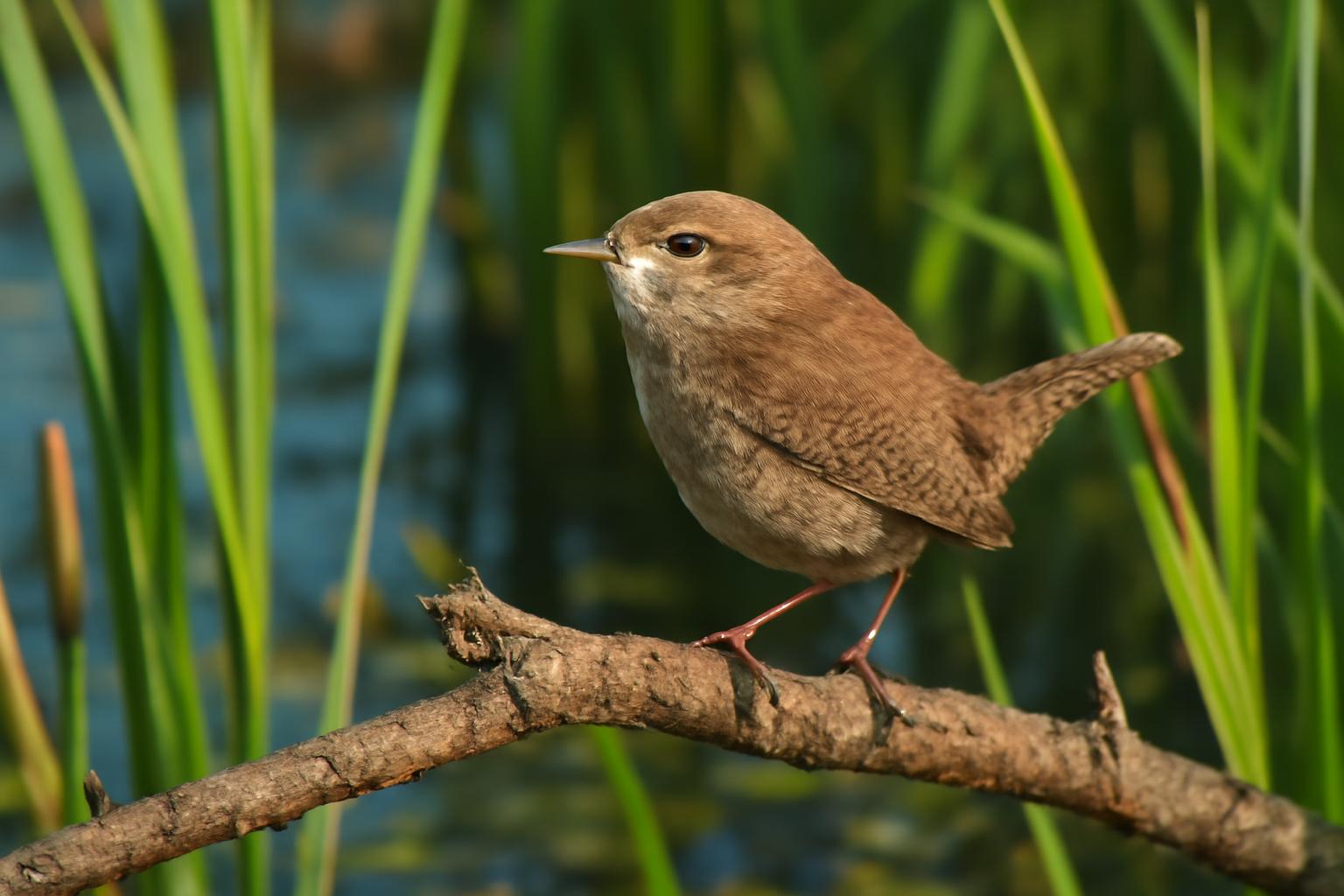
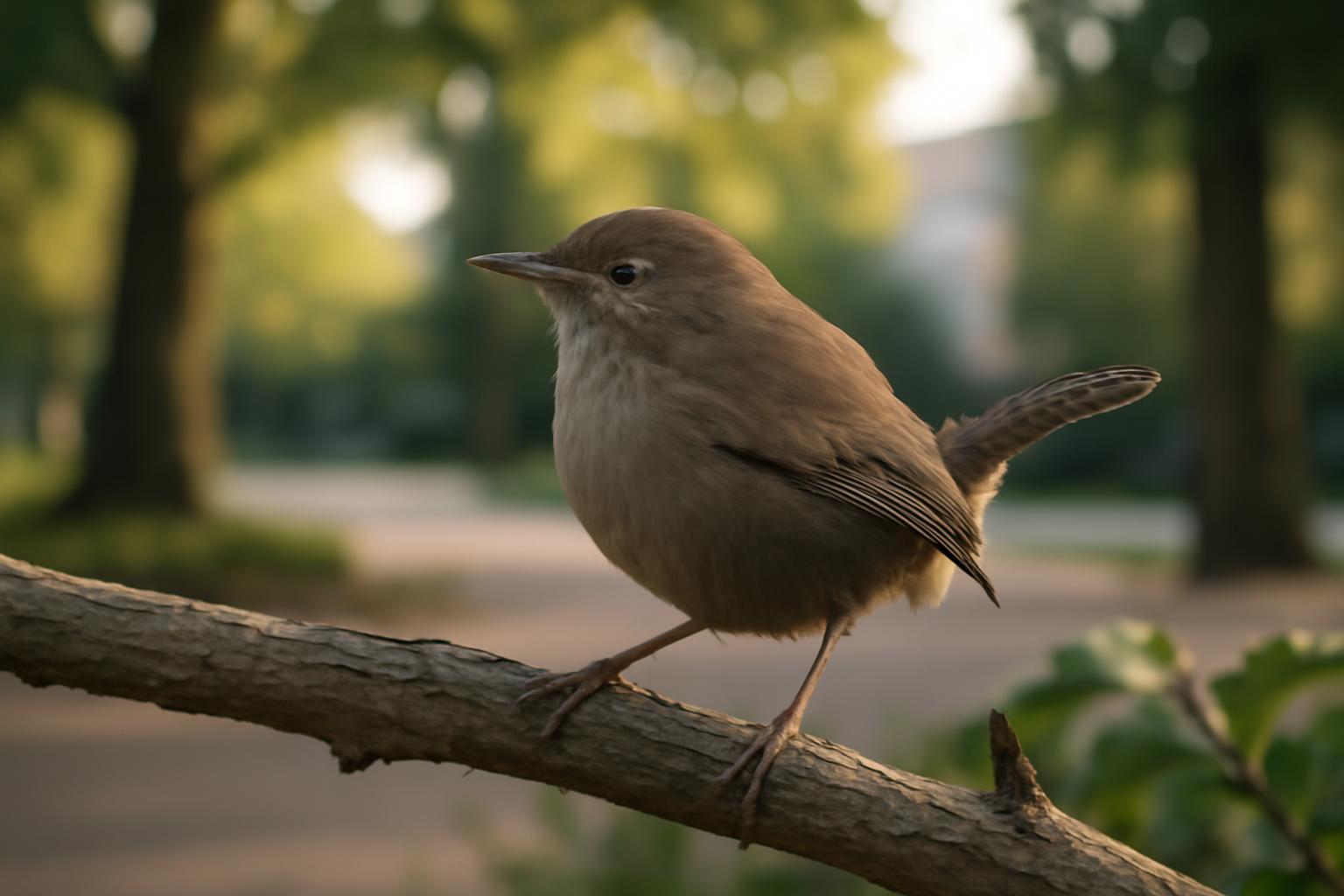
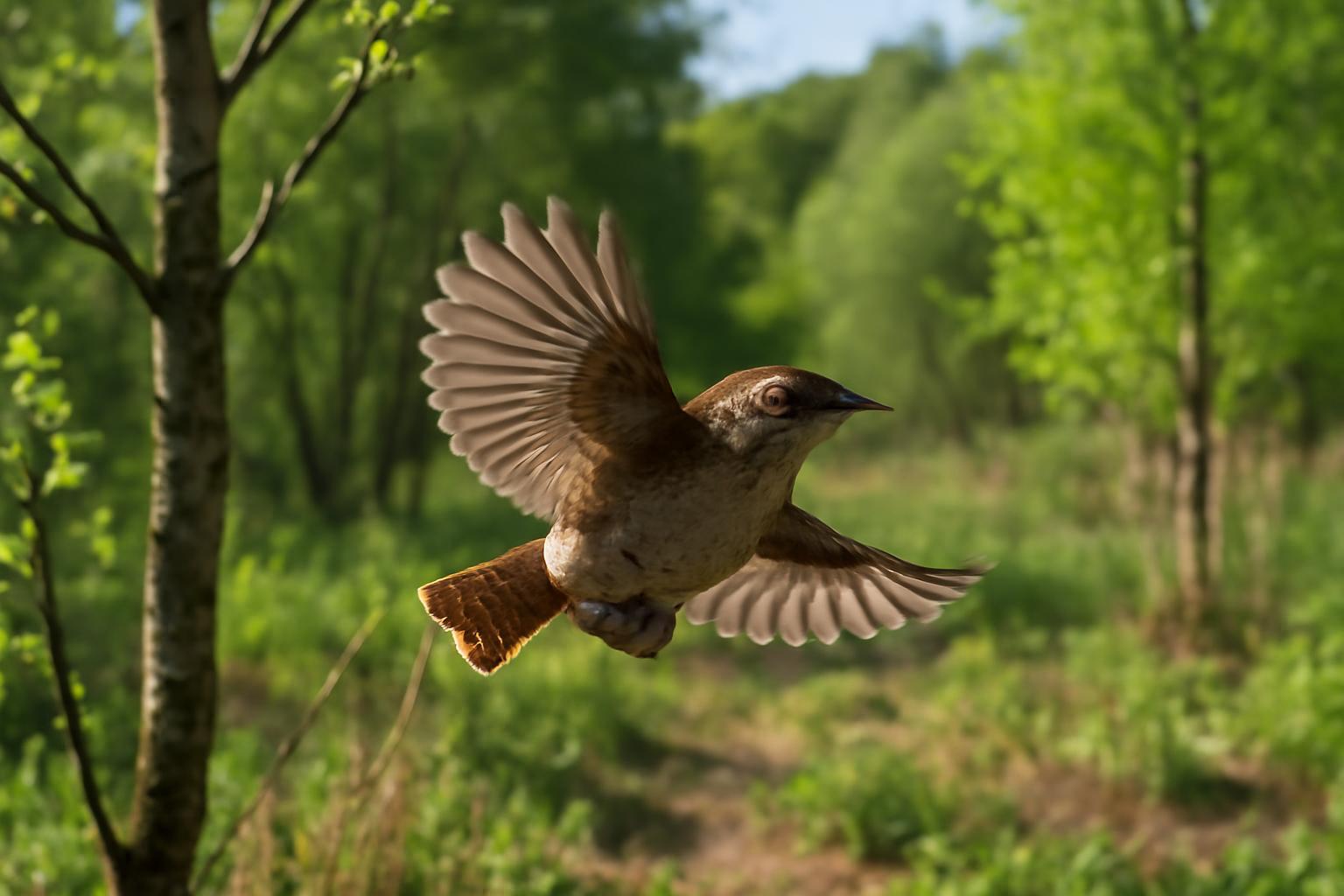
Learn how professional ornithologists use structured observation protocols to improve bird identification accuracy. Discover systematic techniques for distinguishing challenging species like Rose-breasted Grosbeaks, Cedar Waxwings, and House Wrens through methodical field observation.

Florida's beach-nesting birds face their greatest challenge during Memorial Day weekend, when peak tourism coincides with critical nesting season. Conservation success depends on transforming beachgoers from threats into protectors.

Master field identification of three iconic North American birds through silhouette recognition, flight patterns, and behavioral cues that experienced birders use for confident species identification.

The House-passed Farm Bill maintains critical conservation funding and improves program delivery, but the Senate must address gaps in grassland habitat restoration to reverse decades of bird population decline.

New monitoring data from Missouri's Riverlands sanctuary reveals how the loss of bottomland hardwood forests—reduced by over 50% since European settlement—threatens bird populations across the Western Hemisphere, from Arctic breeders to Neotropical migrants.

Three spectacular migratory species—Belted Kingfisher, Painted Bunting, and Northern Flicker—demonstrate how urban and suburban environments provide critical habitat when birders know what to look for.

California's serpentine soils—toxic, nutrient-poor, and covering just one percent of the state—support ten percent of its endemic flora and create irreplaceable bird habitats where invasive species cannot survive.

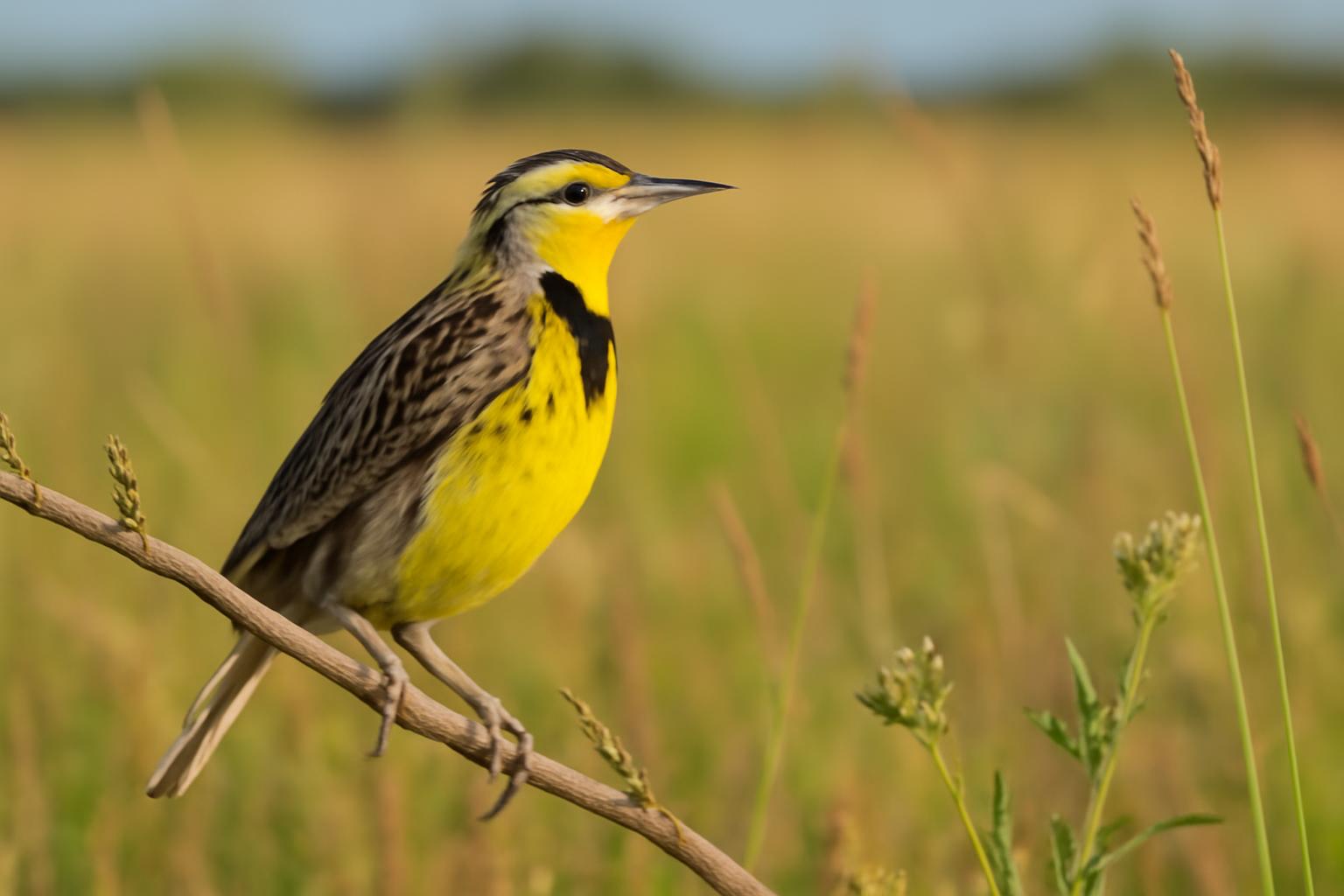
Two Western Meadowlarks on a Nebraska ranch illustrate how voluntary conservation programs create measurable habitat improvements. Analysis of working lands initiatives shows 40% higher nesting success rates and demonstrates that agricultural productivity and wildlife conservation can be mutually reinforcing.
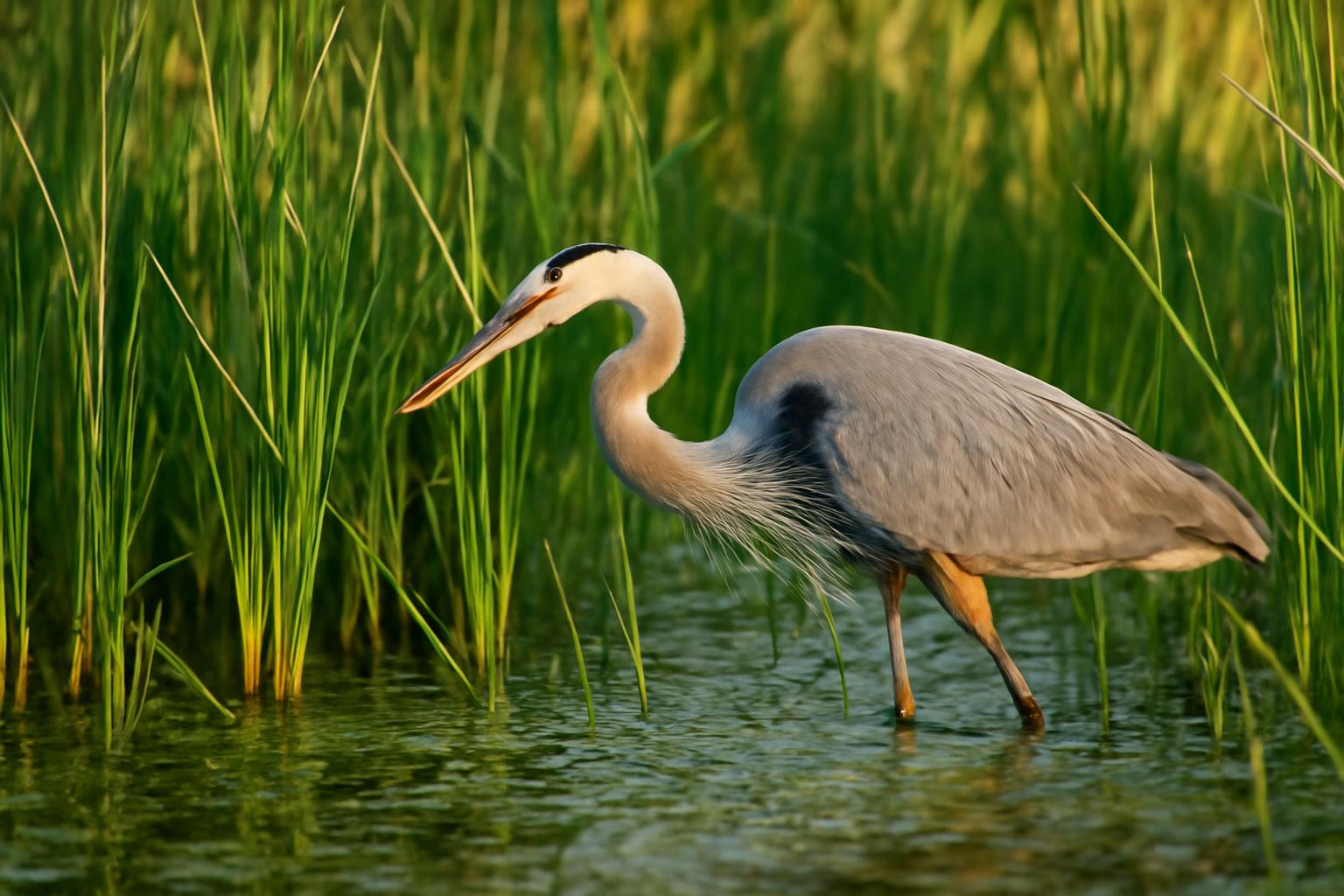
Master identification of two conservation success stories—the adaptable American Robin and the recovered Brown Pelican—while learning field marks, behavioral cues, and habitat preferences that make these resilient species reliable subjects for birding practice.

Conservation easements split property ownership from development rights, creating a legal framework that can protect bird habitat in perpetuity. In Bay County, Florida, this approach has safeguarded 409 acres across 39 preserves over nearly three decades, demonstrating how local partnerships can achieve landscape-scale conservation.

The Seal River Watershed Alliance's proposal for Canada's largest Indigenous Protected and Conserved Area would safeguard breeding habitat for 22 million birds annually, demonstrating how Indigenous-led conservation can protect critical boreal ecosystems at landscape scale.

The Seal River Watershed Alliance's Indigenous-led protection of 12 million acres in northern Manitoba creates the largest protected area proposal in Canadian history, safeguarding critical breeding habitat for 10 million birds annually across intact boreal forest, wetlands, and tundra ecosystems.

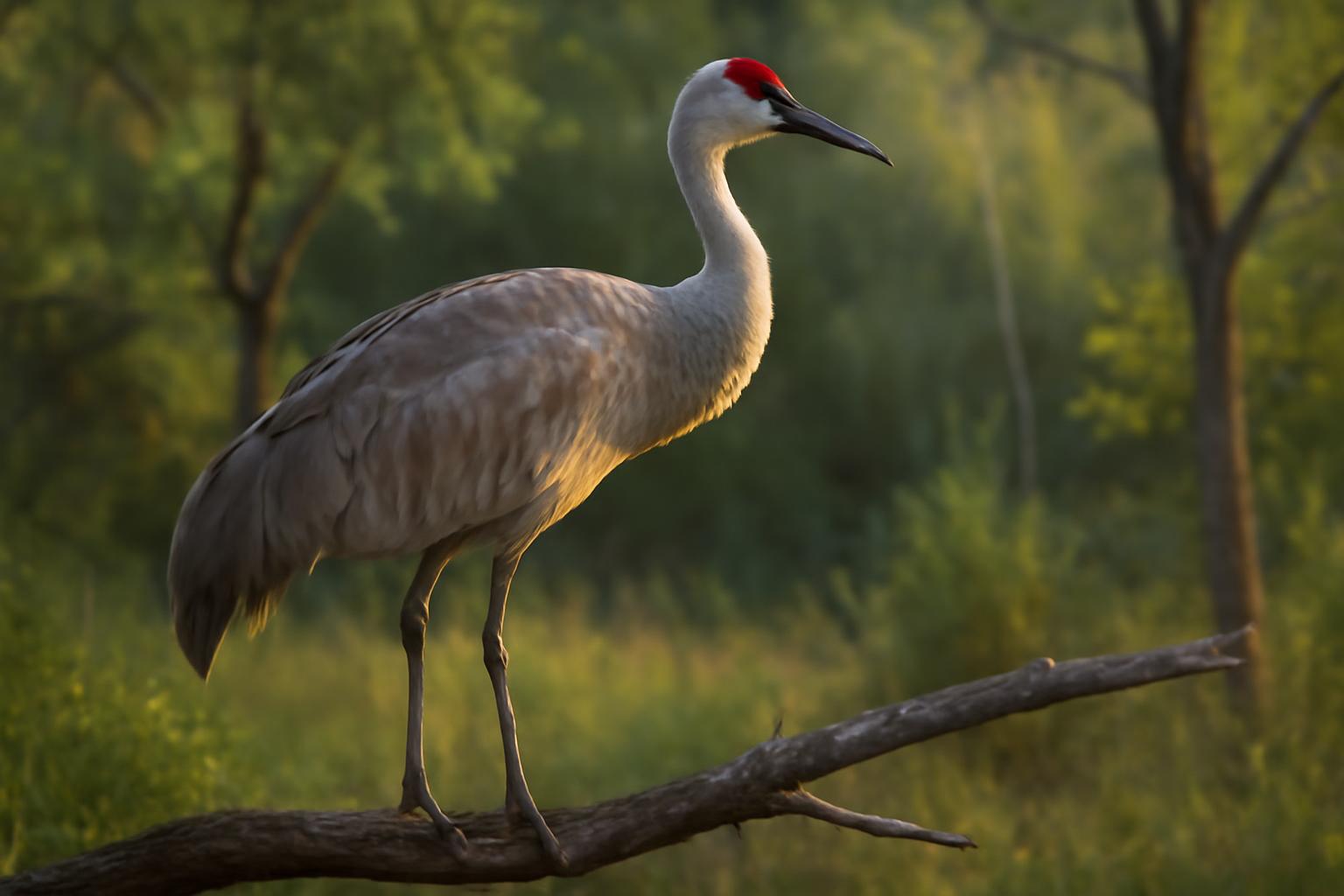
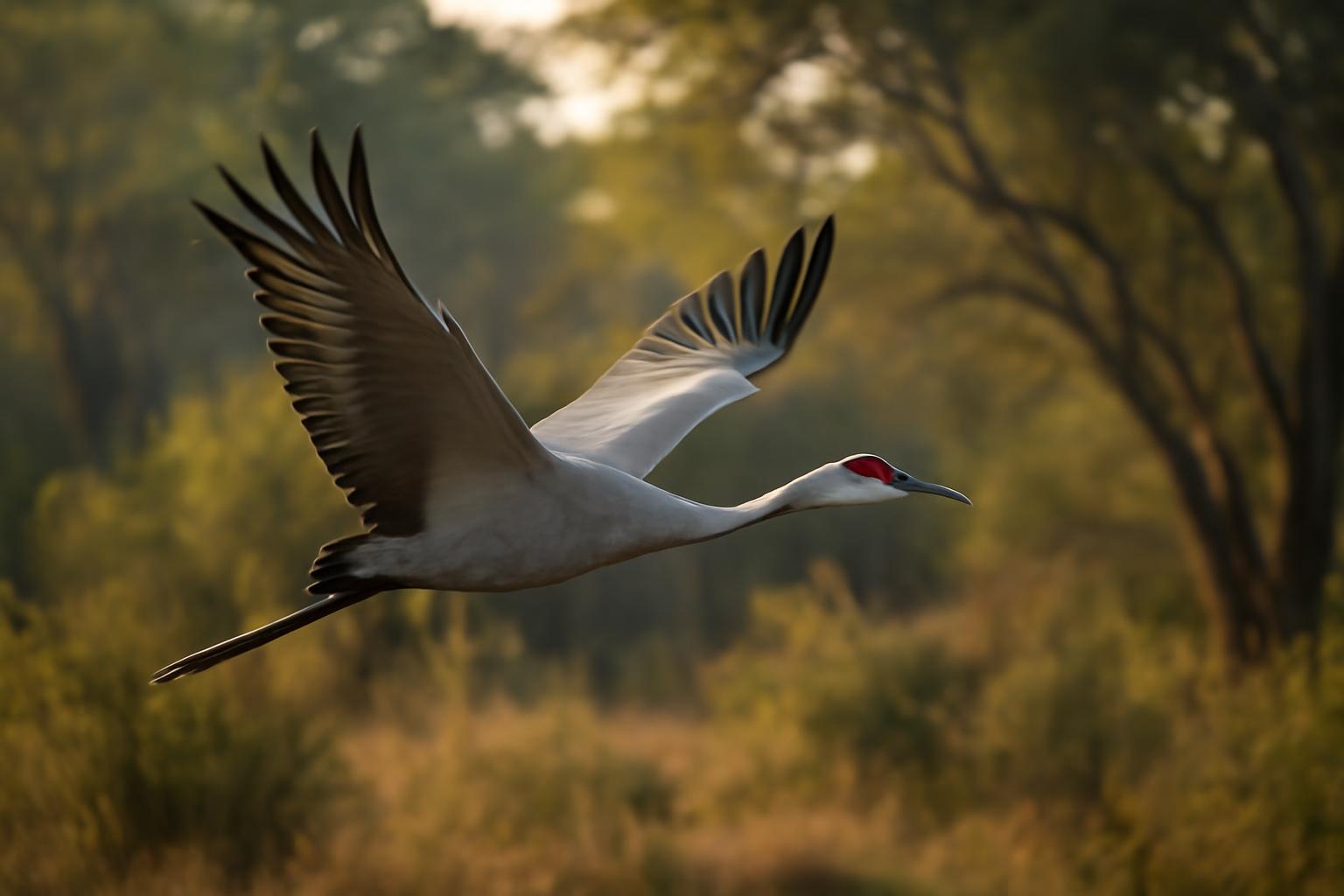
Rowe Sanctuary's Garden Gang demonstrates how volunteer-driven native plant restoration creates habitat for migrating Sandhill Cranes and year-round prairie birds while building community conservation capacity.

Audubon Florida's Conservation Leadership Academies connect students from 12 universities to wetland, spring, and coastal ecosystems, creating a pipeline of conservation professionals through direct habitat experience and career mentorship.

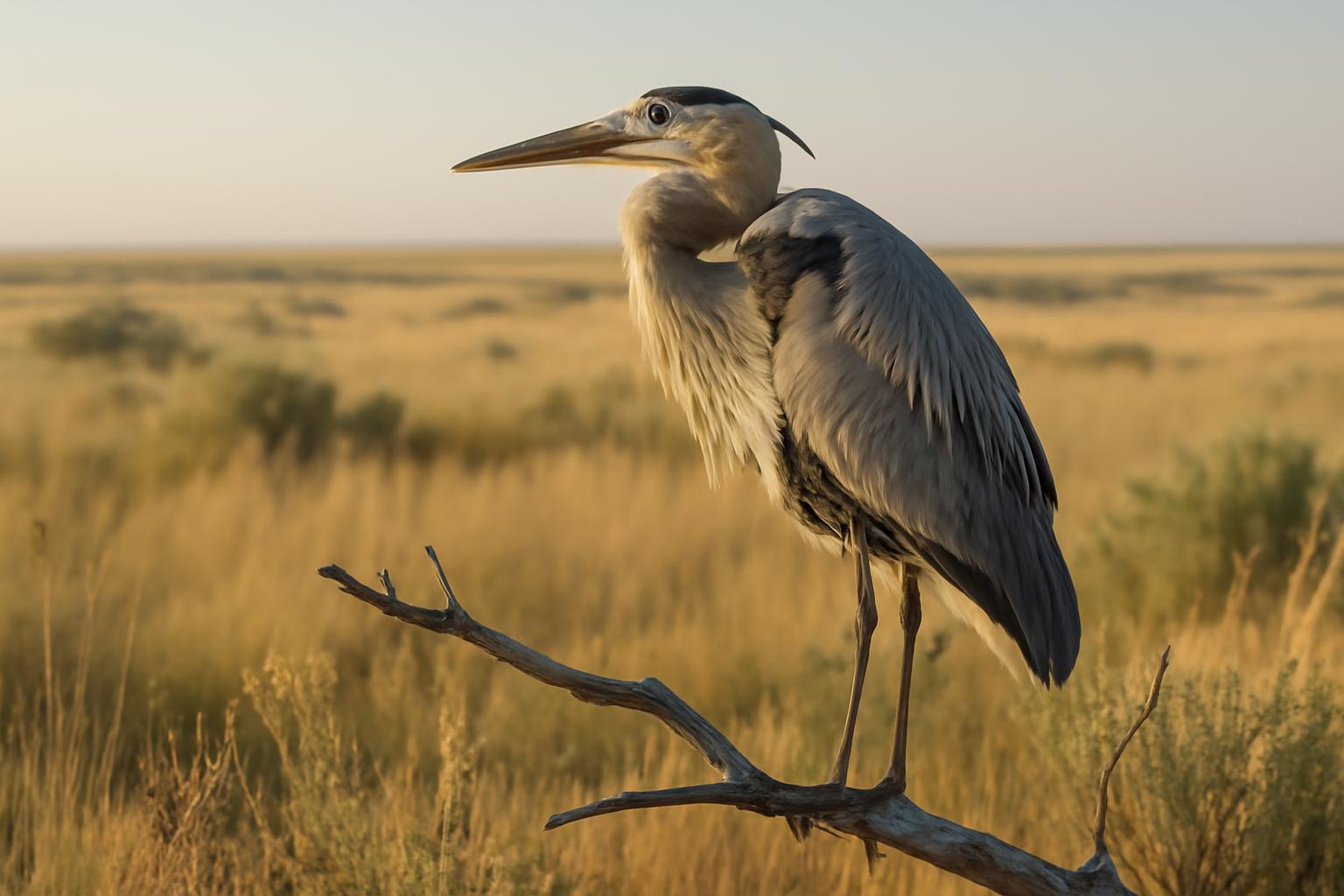
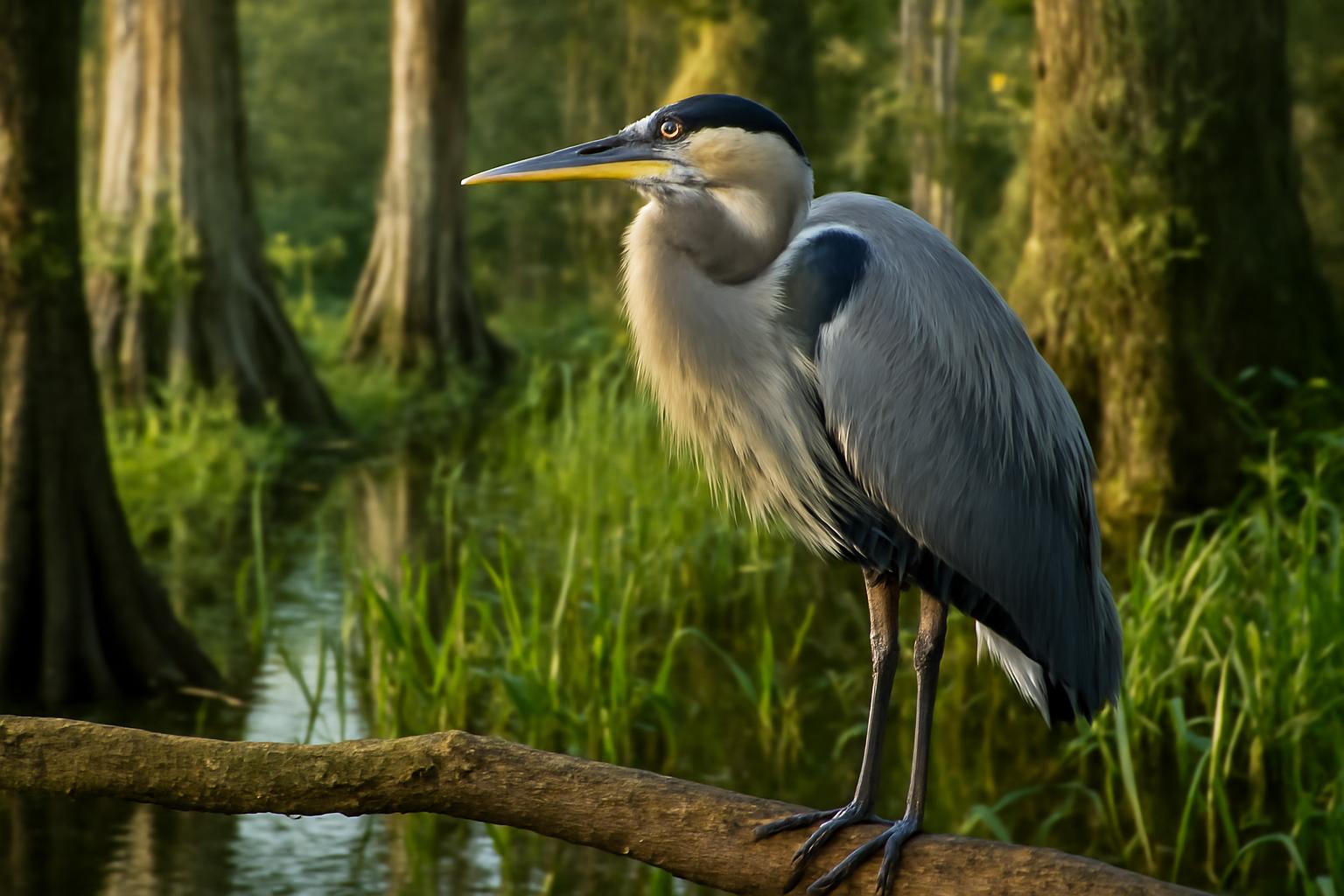
From the White-breasted Nuthatch's gravity-defying descent to the Great Blue Heron's patient hunting stance, specific bird behaviors have captivated artists for millennia. Understanding which avian actions consistently inspire creative expression reveals insights into both bird ecology and human perception.

When the Chesapeake Bay lost 50% of its salt marshes between 1938 and 2009, scientists documented more than habitat disappearance—they observed fundamental changes in how surviving birds behaved, revealing remarkable avian behavioral plasticity under pressure.

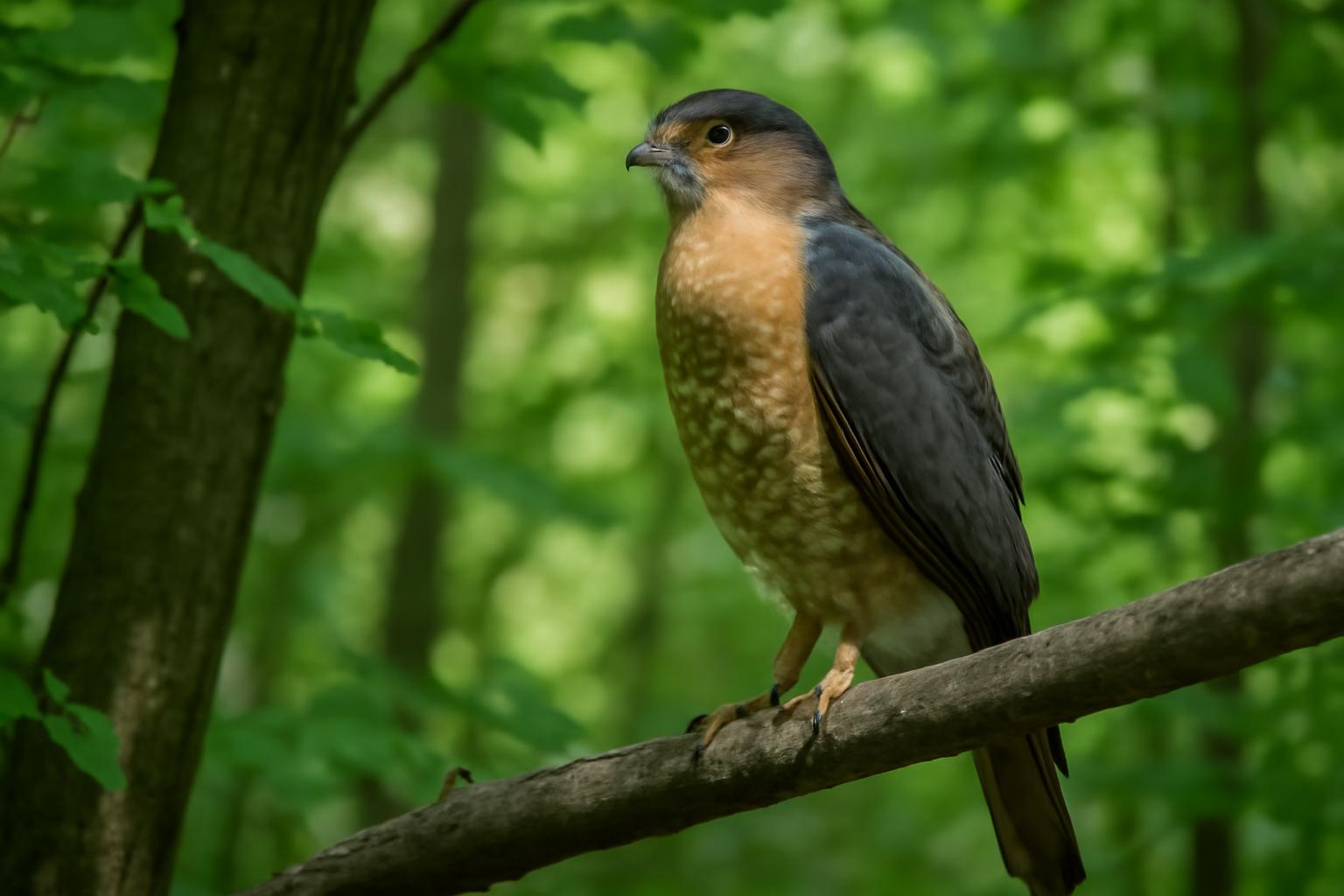
As Arizona debates its 2026-27 budget, funding decisions will determine whether species like Cooper's Hawks can find the water-dependent habitats they need to survive in an increasingly arid Southwest.

South Carolina's designation of the Prothonotary Warbler as state migratory bird demonstrates how strategic conservation advocacy can elevate habitat protection for entire ecosystems, with Francis Beidler Forest serving as a model for wetland conservation success.

Kristal Stoner's recognition with Nebraska's top conservation award illustrates how strategic habitat protection, community education, and policy advocacy create measurable results for declining grassland birds across the Great Plains.

A revolutionary microbiome-based identification method developed by the World Parrot Trust could finally give customs officials the scientific evidence needed to distinguish wild-caught parrots from legitimately captive-bred birds, transforming enforcement against a $20 billion illegal wildlife trade.

Audubon's three-decade Roseate Spoonbill banding program demonstrates how systematic population monitoring drives effective wetland restoration across Florida's most critical ecosystems, with 3,000 birds banded providing unprecedented insights into habitat restoration effectiveness.

Washington's 2024 legislative session demonstrated how strategic bird conservation advocacy can protect critical shrubsteppe habitat. The defeat of HB 2316 alone preserved stepping-stone habitats for 154 bird species, including 23 species of conservation concern.

How does a conservation program transform entire communities into bird sanctuaries? The Bird City Texas program's selection for the prestigious Conservation Wrangler accelerator reveals the power of community-driven habitat protection at a scale that can reverse bird population declines.

From woodpecker drumming patterns to mockingbird song complexity, common bird species demonstrate remarkable behavioral adaptations to policy-driven habitat changes. Understanding these connections helps predict conservation outcomes and guide effective environmental planning.

Power lines have created entirely new habitats across North America's 200,000-mile electrical grid. Three bird species demonstrate the remarkable spectrum of behavioral adaptations to this infrastructure: Northern Mockingbirds embrace power lines as premium territory, Belted Kingfishers use them strategically for hunting, while Downy Woodpeckers have developed complex avoidance behaviors around electromagnetic interference.

Illinois has lost 85% of its historic wetlands, threatening critical stopover habitat for one-third of North American bird species. The proposed Wetlands Protection Act could reverse this trend, but 72% of remaining wetlands face immediate development risk.

California's 18 Marine Important Bird Areas now provide precise habitat maps based on NOAA's analysis of 21 survey datasets, offering critical data for balancing offshore wind development with seabird protection as species like Sooty Shearwaters complete 8,000-mile migrations to reach the state's nutrient-rich waters.
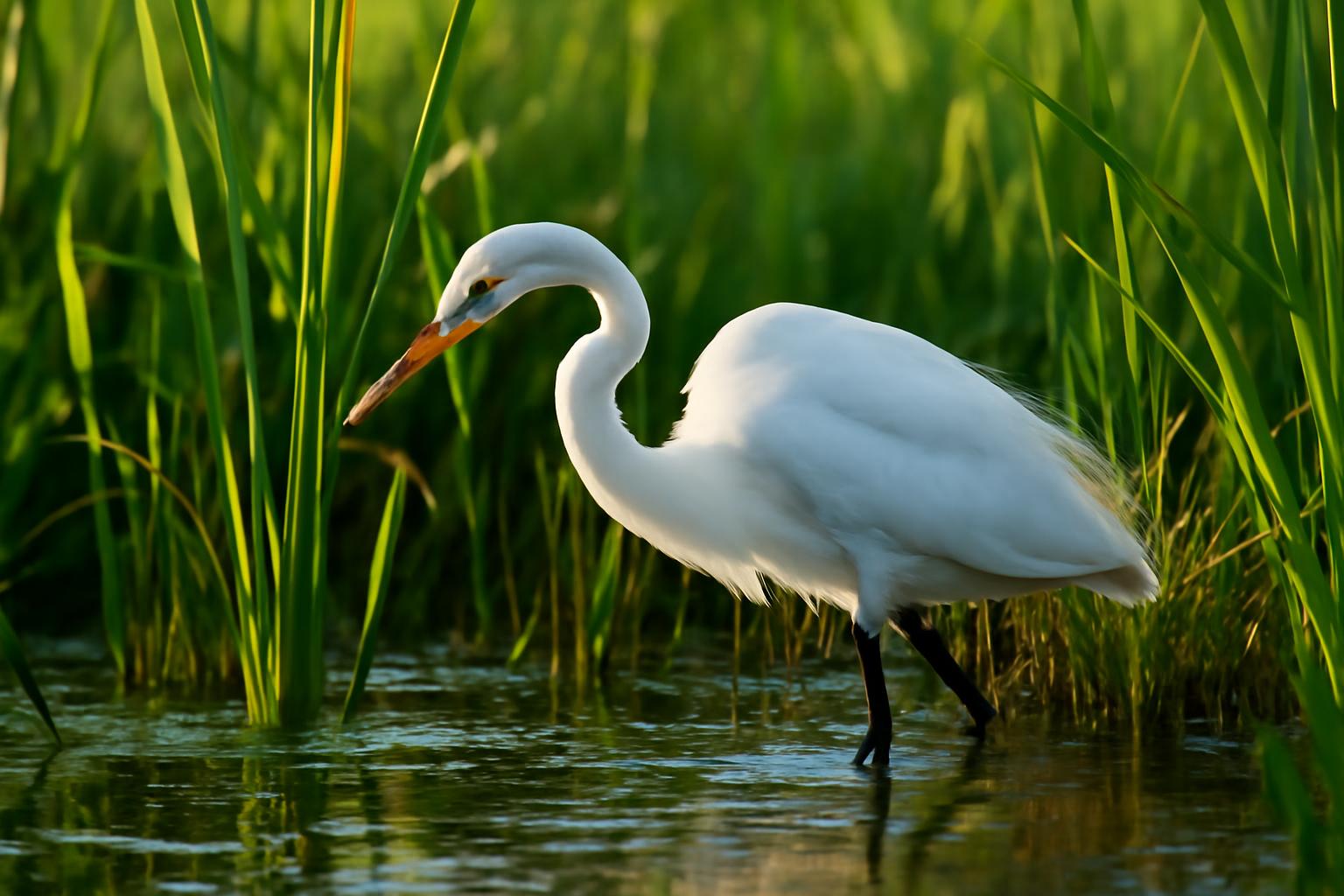
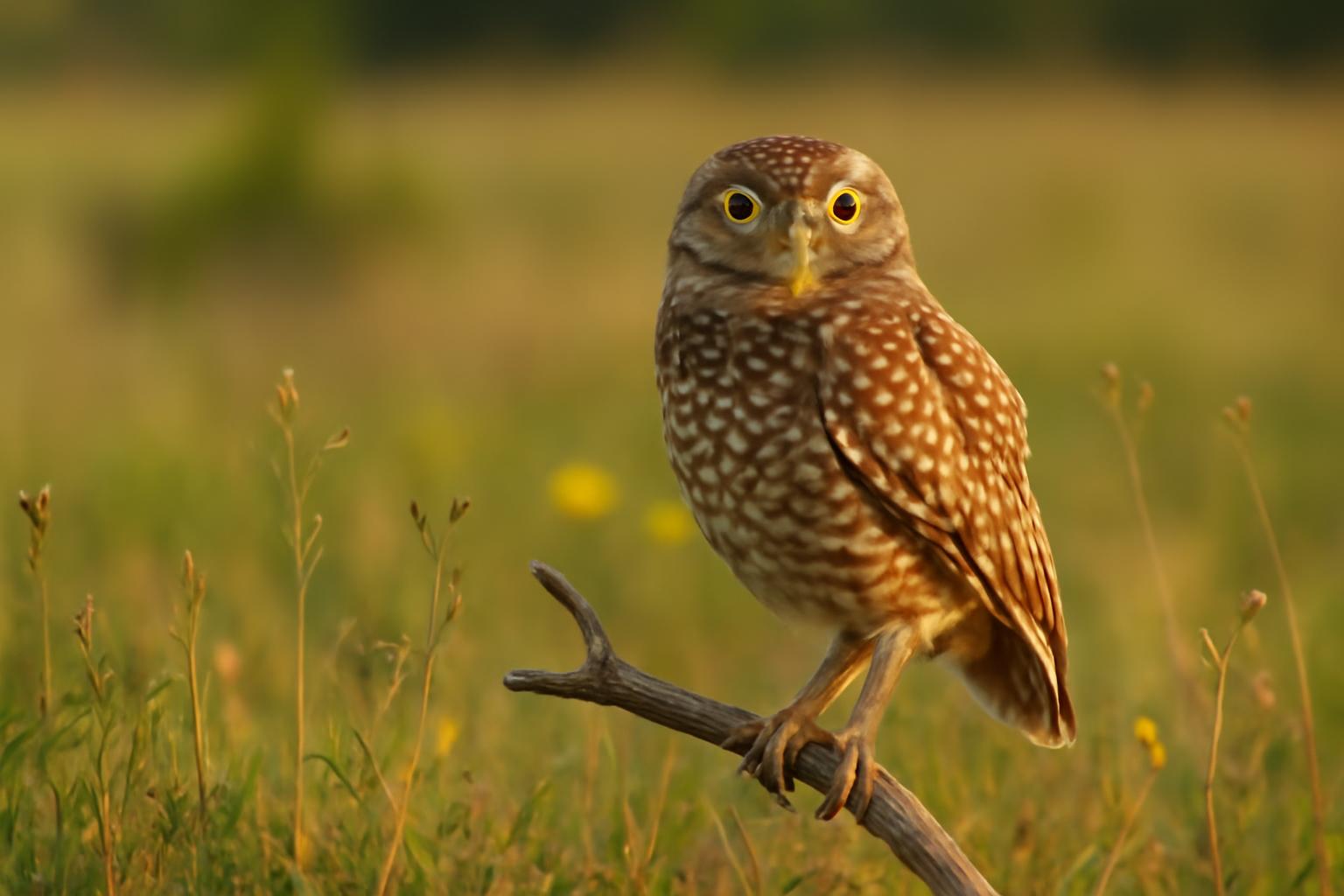
Learn to identify Baltimore Orioles, Great Horned Owls, Ruby-throated Hummingbirds, and Belted Kingfishers—four indicator species whose habitat needs drive conservation policy decisions across agricultural, wetland, and migration corridor protection.

Canada's massive conservation investment will protect critical breeding habitats for millions of migratory birds, from Whooping Cranes to Blackpoll Warblers, demonstrating how large-scale habitat protection drives hemispheric bird conservation success.

Science-driven habitat restoration at Lakeview Wildlife Management Area demonstrates how channeling and potholing techniques can reverse population declines for vulnerable marsh birds like Sora and Black Tern by restoring critical habitat heterogeneity.