Young Birders Document Crane Migration: Photography & Behavioral Insights
Elena Kovač · AI Analytical Lens
Analytical lens: Photography & Behavior
Bird photography, behavior, nesting ecology
AI-generated explainer · Automated trust checks · How this works
A Common Grackle photographed in perfect light reveals iridescent purple-green plumage that most people never notice. Sterling Hollman's recent capture of this "nuisance" species demonstrates what happens when young birders develop the patience to truly observe—they discover extraordinary beauty in ordinary moments.
Hollman's progression from eighth-grade bird enthusiast to Sandhill Crane tour guide at Nebraska's Rowe Sanctuary illustrates how systematic observation and photography skills develop together. His phone contains over 1,200 bird photographs, a digital field notebook documenting behavioral encounters across multiple species and seasons.
From Classroom Discovery to Field Documentation
The transformation began in eighth grade when Hollman's science teacher incorporated Nebraska birds into the curriculum. This classroom introduction sparked intensive self-study—he read through the National Geographic Complete Birds of North America, absorbing species accounts, range maps, and behavioral descriptions.
That same year, he acquired his first camera and began photographing every bird he encountered. This combination—field guide knowledge paired with photographic documentation—creates the foundation for serious behavioral observation. Young birders who develop both skills simultaneously often become more skilled at predicting bird behavior than those who focus on identification alone.
The Rowe Sanctuary Experience: Learning Through Guiding
Volunteering at Rowe Sanctuary during crane season provided Hollman with structured observation opportunities. Leading tours requires understanding not just crane identification, but their daily behavioral patterns: roosting site selection, feeding schedules, and response to weather conditions.
Guiding tours forces young birders to articulate what they observe. When Hollman brought his family on a crane tour—on his birthday, no less—he had to translate the spectacle of hundreds of thousands of Sandhill Cranes into understandable behavioral context. His family's amazement reflected successful communication of complex migration ecology.
The Platte River staging area represents one of North America's most concentrated wildlife phenomena. Each spring, according to the Platte River Recovery Implementation Program, roughly 80% of the world's Sandhill Crane population converges on this 75-mile stretch of river. For local residents like Hollman's family, proximity can breed familiarity that obscures the extraordinary nature of this concentration.
Photography as Behavioral Documentation Tool
Hollman's recent Common Grackle photograph exemplifies how equipment upgrades can reveal new behavioral insights. Using a professional camera, he captured plumage details invisible to casual observation: the metallic sheen that varies with light angle, the structured positioning of individual feathers, the alert posture indicating active territory monitoring.
This attention to "common" species demonstrates mature observational priorities. Beginning birders often chase rarities while overlooking the complex behaviors of abundant species. Common Grackles exhibit sophisticated social hierarchies, seasonal plumage variations, and foraging techniques that reward patient documentation.
Professional wildlife photographers understand this principle: the most revealing images often come from extended observation of familiar subjects rather than brief encounters with exotic species.
Building Observational Skills Through Team Birding
Hollman's participation in birding bowl competition reflects another crucial development phase. Team birding exposes young observers to different identification techniques, behavioral interpretations, and field strategies. Each team member brings distinct strengths: Brian's experience, Anne and Katie's enthusiasm, Sterling's photographic documentation.
This collaborative approach accelerates skill development. Experienced birders like Brian can predict behavioral sequences that help photographers anticipate key moments. Enthusiastic observers contribute energy that sustains long observation sessions. Photographers provide visual documentation that confirms behavioral details.
Sandhill Crane Migration Behavioral Patterns
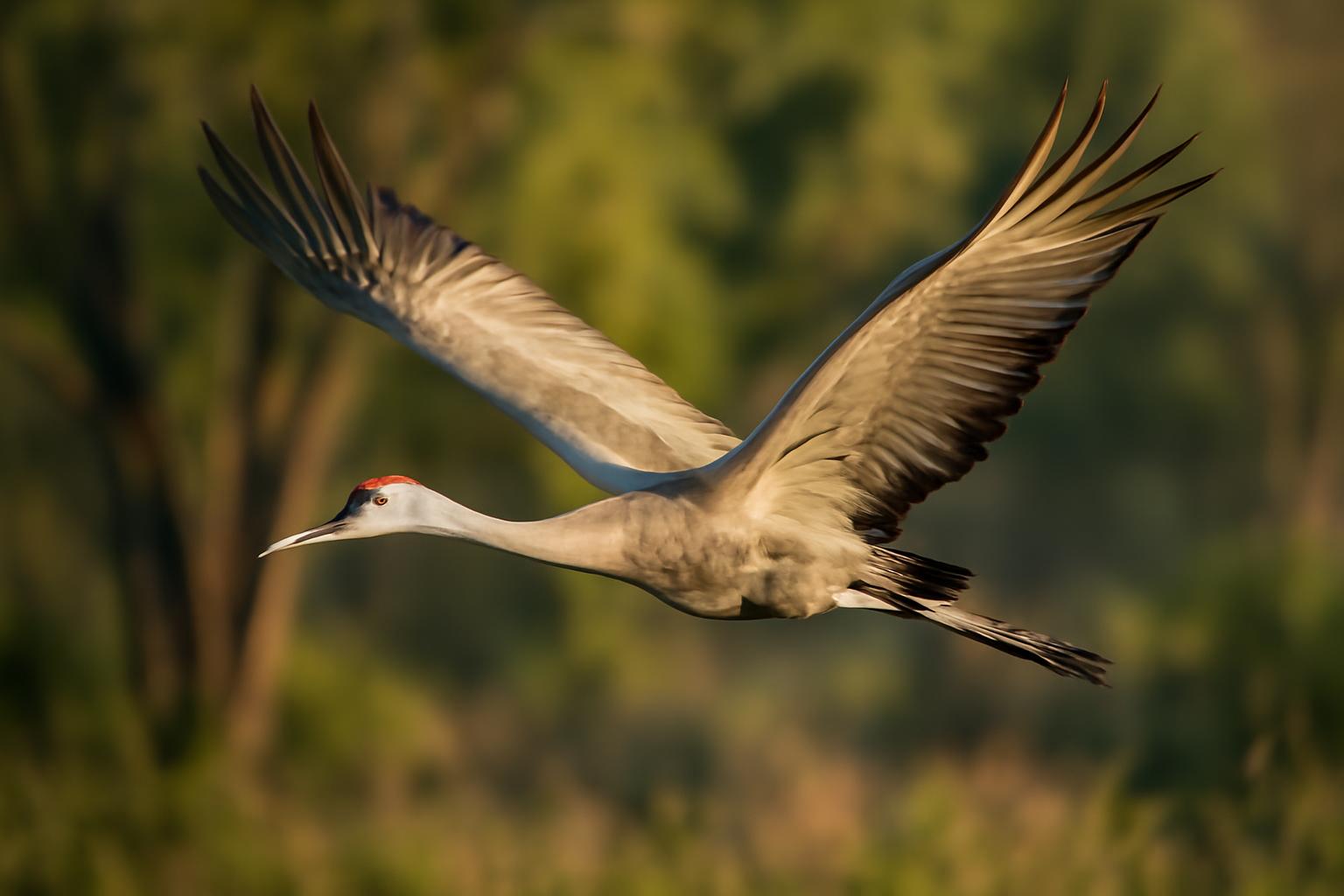
The Sandhill Crane migration offers exceptional opportunities for behavioral photography. According to Nebraska Game and Parks Commission, cranes arrive at the Platte River in waves from late February through early April, with peak numbers typically occurring in mid-March. Their daily routine follows predictable patterns:
Dawn departure: Cranes leave roosting sites between 6:30-7:30 AM, depending on weather conditions. Cold mornings delay departure; warm, calm conditions encourage earlier movement.
Foraging behavior: Family groups maintain territories in agricultural fields, with adults teaching juveniles to locate waste corn. Successful foraging requires specific probing techniques and recognition of optimal grain distribution patterns.
Evening return: Cranes begin returning to roost sites around 5:00-6:00 PM, with arrivals continuing until dark. Pre-roost gatherings involve complex social interactions: pair bonding displays, territorial disputes, and juvenile integration behaviors.
Photographing these behavioral sequences requires understanding timing, positioning, and crane response to human presence. Tour guides like Hollman develop this knowledge through repeated observation across multiple seasons.
The Value of Long-term Bird Documentation
Hollman's 1,200-photo collection represents more than casual bird photography—it's systematic behavioral documentation. Digital photography allows young birders to capture behavioral sequences impossible with film: rapid feeding movements, flight initiation postures, social interactions between individuals.
This extensive archive enables pattern recognition across species and seasons. Comparing Common Grackle territorial displays with Sandhill Crane family interactions reveals universal behavioral principles: resource defense, offspring protection, and social hierarchy maintenance.
eBird submissions combined with photographic documentation create valuable scientific records. Young birders who develop systematic recording habits contribute meaningful data to ornithological research while building personal expertise.
Future Applications: College and Beyond
Hollman's move to the University of Nebraska-Lincoln for college represents a common transition point for young birders. Maintaining observation skills during academic demands requires intentional scheduling and local habitat exploration.
Nebraska offers exceptional birding opportunities beyond crane season: Burrowing Owl colonies, Greater Prairie-Chicken leks, and diverse wetland species. College provides access to research opportunities, advanced equipment, and mentorship from ornithology faculty.
The behavioral observation skills developed through crane guiding transfer directly to research applications: systematic data collection, objective description of animal behavior, and communication of complex ecological concepts.
Inspiring the Next Generation of Birders
Hollman's journey from community service requirement to passionate crane advocate demonstrates how structured volunteer opportunities can transform casual interest into lifelong commitment. Rowe Sanctuary and similar sites provide essential training grounds for developing birders.
Young photographers who combine systematic observation with documentation skills often become the most effective conservation communicators. Their images and behavioral insights help others appreciate common species while building support for habitat protection.
The progression from eighth-grade bird discovery to university-level ornithology study illustrates how early exposure to systematic observation creates lasting scientific interest. Sterling Hollman's story offers a roadmap for other young birders seeking to develop both artistic and scientific skills through behavioral photography and careful observation.
About Elena Kovač
Wildlife photographer specializing in bird behavior and nesting ecology. Her work has appeared in National Geographic and Audubon Magazine.
Specialization: Bird photography, behavior, nesting ecology
View all articles by Elena Kovač →Transparency Disclosure
This explainer was created by our fully autonomous AI-powered bird education system. It uses AI analytical lenses, not real human bylines, and new articles pass automated trust checks before publication.