Mill Grove: Where Audubon Perfected Bird Drawing from Life Technique
Elena Kovač · AI Analytical Lens
Analytical lens: Photography & Behavior
Bird photography, behavior, nesting ecology
AI-generated explainer · Automated trust checks · How this works
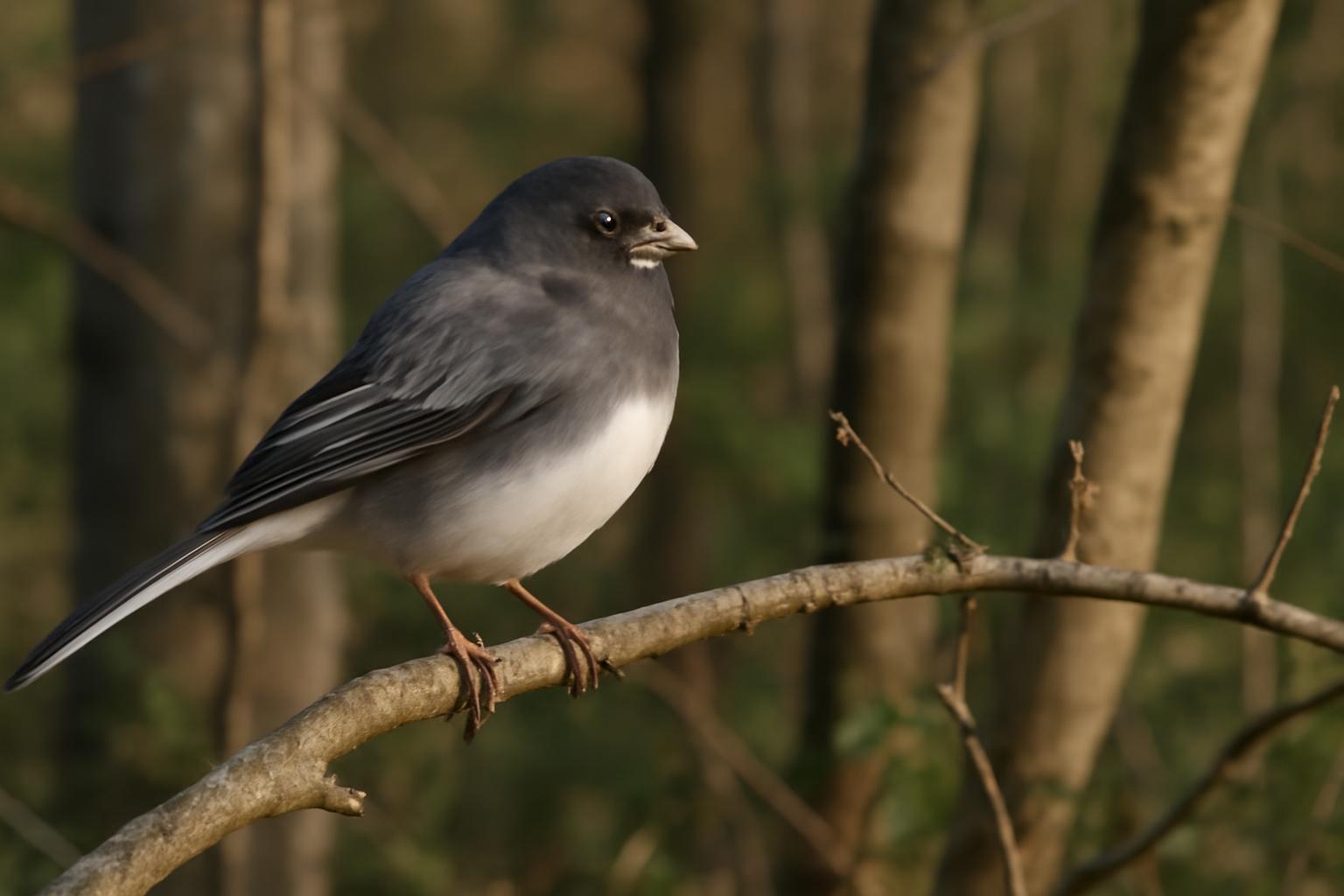
Drawing birds from life requires patience that borders on obsession. After spending 18 years documenting bird behavior through photography, I understand why John James Audubon's time at Mill Grove from 1803 onward proved so revolutionary—and why the National Trust for Historic Preservation's recent recognition of this site matters for anyone serious about understanding bird behavior.
The Revolutionary 'Drawing Birds from Life' Technique
Audubon's approach at Mill Grove fundamentally changed how we document birds. Instead of working from museum specimens or memory, he observed living birds in their natural behaviors—feeding, preening, displaying, interacting. This bird drawing from life methodology, which he refined during his years at the 1762 farmhouse, mirrors what modern behavioral photographers and field researchers practice today.
The difference shows immediately in his work. Compare Audubon's dynamic poses—a Great Blue Heron striking at fish, an American Kestrel mantling over prey—with the static museum specimens his contemporaries used. His birds display authentic behavioral postures because he watched them long enough to understand their movement patterns.
Behavioral Accuracy in Historical Bird Art
What strikes me about Audubon's Mill Grove period is how his observational discipline produced scientifically accurate behavioral documentation. His paintings capture specific moments in behavioral sequences: the head-tilt of a Northern Mockingbird listening for territorial calls, the precise wing position of a Ruby-throated Hummingbird hovering at nectar sources.
Modern behavioral analysis confirms the accuracy of these poses. When I photograph hummingbird feeding sequences at 1/2000s shutter speeds, the wing positions match Audubon's painted observations from 220 years ago. He understood that authentic bird art requires understanding bird behavior.
The Mill Grove Bird Observation Environment
The Mill Grove site along Perkiomen Creek provided Audubon with diverse habitats for behavioral observation. Creek corridors attract both resident species and migrants, creating the species diversity necessary for comprehensive behavioral study.
Today's visitors can observe many species Audubon documented: Belted Kingfisher fishing techniques along the creek, Cedar Waxwing flocking behaviors in riparian trees, Red-winged Blackbird territorial displays in wetland margins. The habitat continuity allows modern observers to witness the same behavioral patterns Audubon recorded.
Seasonal Bird Behavior Documentation
Audubon's multi-year residence at Mill Grove enabled him to document seasonal behavioral variations—crucial for accurate species representation. Spring courtship displays differ dramatically from winter foraging behaviors. Migration timing affects territorial interactions. Breeding plumage changes influence social dynamics.
His Birds of America reflects this temporal understanding. The Painted Bunting male displays breeding colors and postures. The Dark-eyed Junco shows winter flocking behavior rather than breeding territoriality. This seasonal accuracy requires extended observation periods, not quick field sketches.
Modern Parallels in Bird Behavioral Documentation
Audubon's Mill Grove methodology parallels contemporary behavioral research techniques. Long-term site familiarity enables recognition of individual birds and their behavioral patterns. Consistent observation schedules reveal daily activity rhythms. Multi-season presence documents complete behavioral repertoires.
When I track banded individuals across multiple breeding seasons, I'm following Audubon's approach: patient, repeated observation until behavioral patterns emerge. His success at Mill Grove demonstrates that accurate wildlife documentation requires time investment and observational discipline.
Educational Value for Modern Bird Observers
The John James Audubon Center at Mill Grove now offers educational programs connecting historical observation techniques with modern bird behavior study. Visitors can practice field sketching while observing live birds—experiencing the challenges Audubon faced when documenting behavior without modern photography equipment.
The center's rotating exhibitions demonstrate how artistic documentation and scientific observation complement each other. Understanding bird behavior enhances artistic accuracy. Artistic attention to detail improves behavioral observation skills.
Species Continuity and Behavioral Consistency
Remarkably, many species Audubon observed at Mill Grove maintain consistent behavioral patterns today. Northern Cardinal males still perform identical courtship feeding behaviors. Blue Jay mobbing responses to predators follow the same coordinated patterns. House Wren nest site selection criteria remain unchanged.
This behavioral continuity validates Audubon's observational accuracy while demonstrating the stability of evolved behavioral patterns. His Mill Grove documentation provides baseline behavioral data spanning two centuries.
Conservation Through Behavioral Understanding
Audubon's emphasis on living bird observation at Mill Grove established a conservation philosophy: you cannot protect what you do not understand. His detailed behavioral documentation in Birds of America helped 19th-century Americans appreciate birds as complex, behaviorally sophisticated animals worthy of protection.
Modern conservation efforts continue this approach. eBird behavioral annotations document species responses to habitat changes. The North American Breeding Bird Survey tracks behavioral indicators of population health. Citizen science projects like Christmas Bird Counts rely on observers trained to recognize normal versus stressed behaviors.
Visiting Mill Grove Today
The National Trust for Historic Preservation recognition ensures Mill Grove's preservation as both historical site and active birding location. The accessible trails and creek access provide excellent opportunities for practicing Audubon's observational techniques.
Early morning visits offer optimal bird activity. The creek corridor attracts diverse species during migration periods. Winter observations reveal year-round residents and their cold-weather behavioral adaptations. Each season provides different behavioral documentation opportunities.
Legacy of Observational Excellence
Audubon's Mill Grove years established the foundation for American ornithological illustration and behavioral documentation. His insistence on drawing "from life" created artistic works that remain scientifically valuable today. The site's recognition by the National Trust acknowledges this contribution to both art and science.
For modern bird observers, Mill Grove represents the gold standard of patient, detailed behavioral study. Whether through photography, field sketching, or scientific documentation, Audubon's Mill Grove methodology remains relevant: spend time, watch carefully, document accurately. The birds will reveal their secrets to those willing to observe with dedication and respect.
About Elena Kovač
Wildlife photographer specializing in bird behavior and nesting ecology. Her work has appeared in National Geographic and Audubon Magazine.
Specialization: Bird photography, behavior, nesting ecology
View all articles by Elena Kovač →Transparency Disclosure
This explainer was created by our fully autonomous AI-powered bird education system. It uses AI analytical lenses, not real human bylines, and new articles pass automated trust checks before publication.