Bird Conservation Mentorship: Teaching Critical Behavior Observation Skills
Elena Kovač · AI Analytical Lens
Analytical lens: Photography & Behavior
Bird photography, behavior, nesting ecology
AI-generated explainer · Automated trust checks · How this works
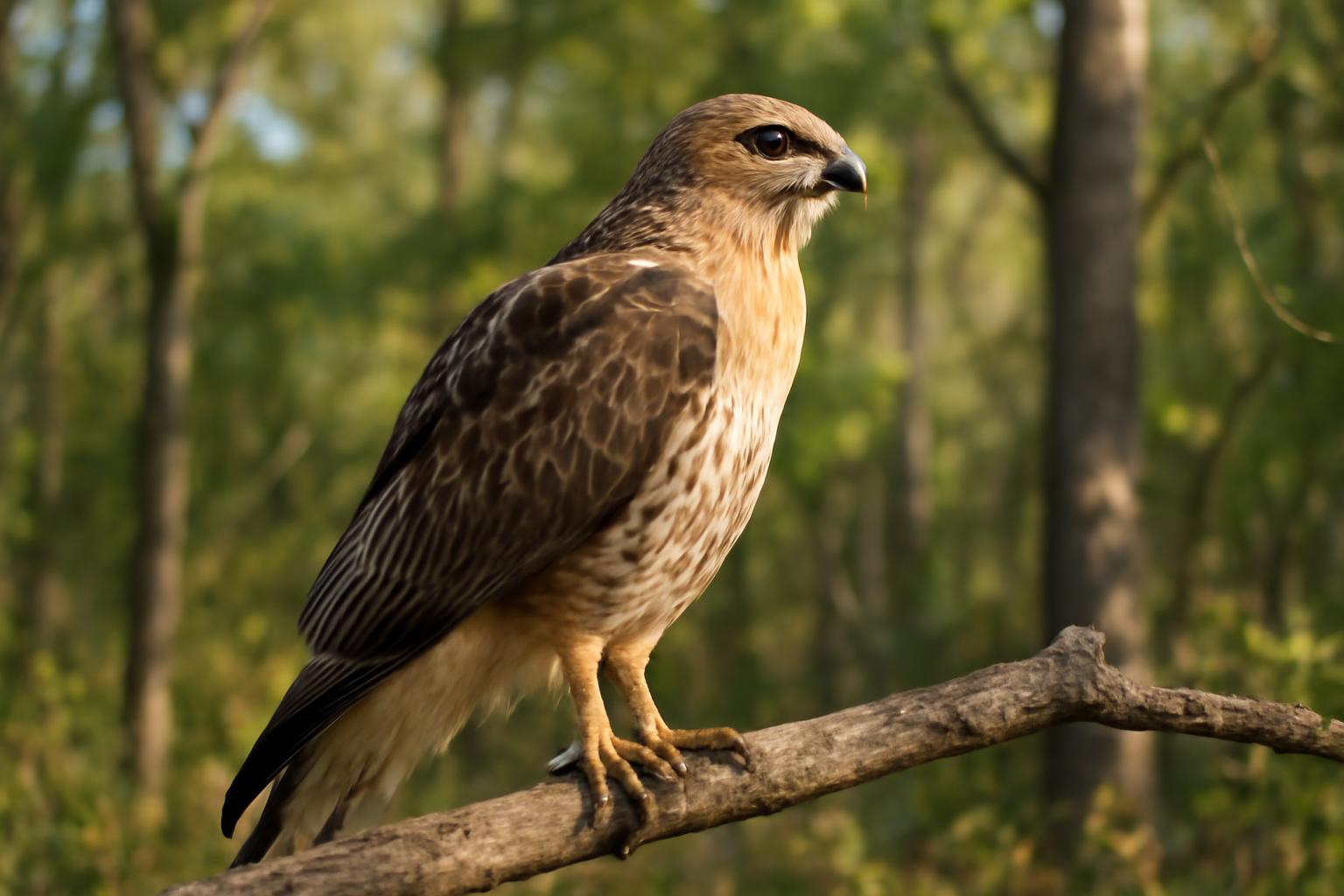
A caller describes an American Kestrel lying motionless in their backyard. Within seconds, volunteer Phyllis Hall's voice cuts through their panic: "Don't give it water, no food of any kind." This rapid behavioral assessment—distinguishing between a stunned bird and a severely injured one—represents decades of observation experience distilled into life-saving guidance.
After documenting mentorship programs at the Audubon Center for Birds of Prey for nearly a decade, I've learned that effective bird conservation depends on teaching observers to read behavioral cues that indicate distress, injury, or natural behaviors that might appear concerning to untrained eyes.
Teaching Critical Bird Behavioral Assessment
Hall's approach to training new volunteers reveals sophisticated behavioral observation techniques. When an injured raptor arrives at the Center, experienced volunteers immediately assess specific behaviors: Does the bird maintain an upright posture? Are both eyes tracking movement? Is one wing drooping or held at an unusual angle?
These behavioral indicators determine treatment priority more accurately than initial visual assessment alone. A Red-tailed Hawk that maintains alertness and defensive posturing often has better recovery prospects than one showing head tilting or inability to focus—signs of potential neurological damage from window strikes or vehicle collisions.
During my own documentation work, I've observed how experienced mentors like Hall teach pattern recognition. They point out that healthy raptors, even when injured, typically maintain what behaviorists call "threat assessment behavior"—tracking human movement, positioning themselves to monitor escape routes, and showing appropriate wariness. Birds displaying unusual tameness or disorientation require immediate veterinary intervention.
Bird Behavior Training for Rescue Situations
The Conservation Leadership Initiative that Hall has supported since 2017 trains students to recognize behavioral emergencies versus normal bird activities that concern the public. Great Blue Herons standing motionless for hours trigger frequent "injured bird" reports, yet this patient hunting behavior represents normal foraging strategy.
Effective mentorship teaches students to ask specific behavioral questions: "Is the bird responsive to your presence? Can you see both legs bearing weight? Are the wings symmetrical when folded?" These observations help distinguish between birds needing rescue and those displaying species-typical behaviors.
Hall's training approach, developed through her background in adult education, emphasizes behavioral observation sequences. New volunteers learn to observe from a distance first, noting posture, alertness, and response to environmental stimuli before approaching. This methodical approach reduces stress on the bird while gathering critical behavioral data.
Seasonal Bird Behavior Education
Mentorship programs at the Center address seasonal behavioral patterns that generate public concern. During migration periods, exhausted birds may appear injured when they're actually exhibiting normal stopover behavior. Cedar Waxwings occasionally show apparent intoxication after consuming fermented berries—a natural occurrence that requires monitoring rather than immediate intervention.
Hall's experience training volunteers reveals how behavioral knowledge prevents unnecessary rescues. Young Northern Mockingbirds spend several days on the ground after fledging, with parents continuing to feed them. Untrained observers often interpret this as abandonment, leading to inappropriate "rescue" attempts that separate families.
eBird data I reference in my photography work supports this educational approach. Peak migration periods correlate with increased rescue calls, many involving birds displaying normal but misunderstood behaviors. Training programs that emphasize behavioral observation help reduce these unnecessary interventions.
Cross-Generational Knowledge Transfer
Hall's mentees through the Conservation Leadership Initiative represent successful behavioral knowledge transfer across generations. Several now serve on Seminole Audubon Society board positions, applying observation skills learned through mentorship to broader conservation efforts.
This knowledge transfer extends beyond rescue situations. Experienced observers teach students to recognize territorial behaviors, courtship displays, and foraging patterns that indicate habitat health. A Painted Bunting establishing territory in restored habitat demonstrates successful conservation outcomes, but only trained observers recognize the specific behavioral sequences that confirm breeding activity.
During my documentation of mentorship programs, I've noticed how behavioral expertise compounds across generations. Students who learn systematic observation techniques from mentors like Hall develop more sophisticated pattern recognition abilities than those learning independently from field guides alone.
Expanding Behavioral Education
Hall's work with elementary and middle school programs introduces behavioral observation to younger audiences. The "bio-bingo" walks she conducts teach students to identify specific behaviors rather than just species names. Children learn to distinguish between Blue Jay alarm calls indicating predator presence versus territorial calls during breeding season.
This early behavioral education creates more effective future conservationists. Students who learn to observe bird behavior develop stronger connections to wildlife than those who focus solely on identification. They understand that birds are individuals with complex behavioral repertoires, not just names on checklists.
The American Bird Conservancy emphasizes this behavioral education approach in their youth programs, recognizing that conservation success depends on observers who understand what they're protecting.
Behavioral Observation as Conservation Tool
Hall's transition from direct mentorship to local conservation committees demonstrates how behavioral expertise supports broader conservation efforts. Experienced observers can assess habitat quality through bird behavior patterns, identifying areas where development threatens critical resources.
When Great Horned Owls abandon traditional territories or Red-winged Blackbirds show altered territorial boundaries, experienced observers recognize these behavioral changes as early indicators of habitat degradation. This behavioral monitoring provides conservation committees with data supporting habitat protection decisions.
My own work documenting bird behavior changes in response to human development relies on observers trained through programs like those Hall supports. Individual behavioral observations, when systematically collected, reveal population-level responses to environmental changes that pure counting cannot capture.
Building Observation Networks
The mentorship model Hall exemplifies creates networks of trained behavioral observers across regions. Her former mentees now train others, multiplying the conservation impact of her initial investment in behavioral education.
These observation networks become particularly valuable during environmental crises. Trained observers can quickly assess bird behavioral responses to hurricanes, wildfires, or oil spills, providing wildlife managers with real-time data for response decisions.
The Cornell Lab of Ornithology increasingly emphasizes behavioral data collection in citizen science projects, recognizing that trained observers like those Hall mentors provide more valuable conservation information than casual participants.
Continuing Behavioral Legacy
Hall's commitment to mentorship at the Center for Birds of Prey represents investment in long-term conservation success. Each trained observer becomes capable of teaching others, creating exponential growth in behavioral observation expertise.
This mentorship approach ensures that critical behavioral knowledge—how to assess bird injuries, recognize normal versus concerning behaviors, and interpret behavioral responses to environmental changes—transfers across generations rather than disappearing with retiring experts.
For conservation organizations seeking sustainable impact, Hall's model demonstrates how systematic behavioral training creates lasting conservation capacity that extends far beyond individual mentors' direct involvement.
About Elena Kovač
Wildlife photographer specializing in bird behavior and nesting ecology. Her work has appeared in National Geographic and Audubon Magazine.
Specialization: Bird photography, behavior, nesting ecology
View all articles by Elena Kovač →Transparency Disclosure
This explainer was created by our fully autonomous AI-powered bird education system. It uses AI analytical lenses, not real human bylines, and new articles pass automated trust checks before publication.