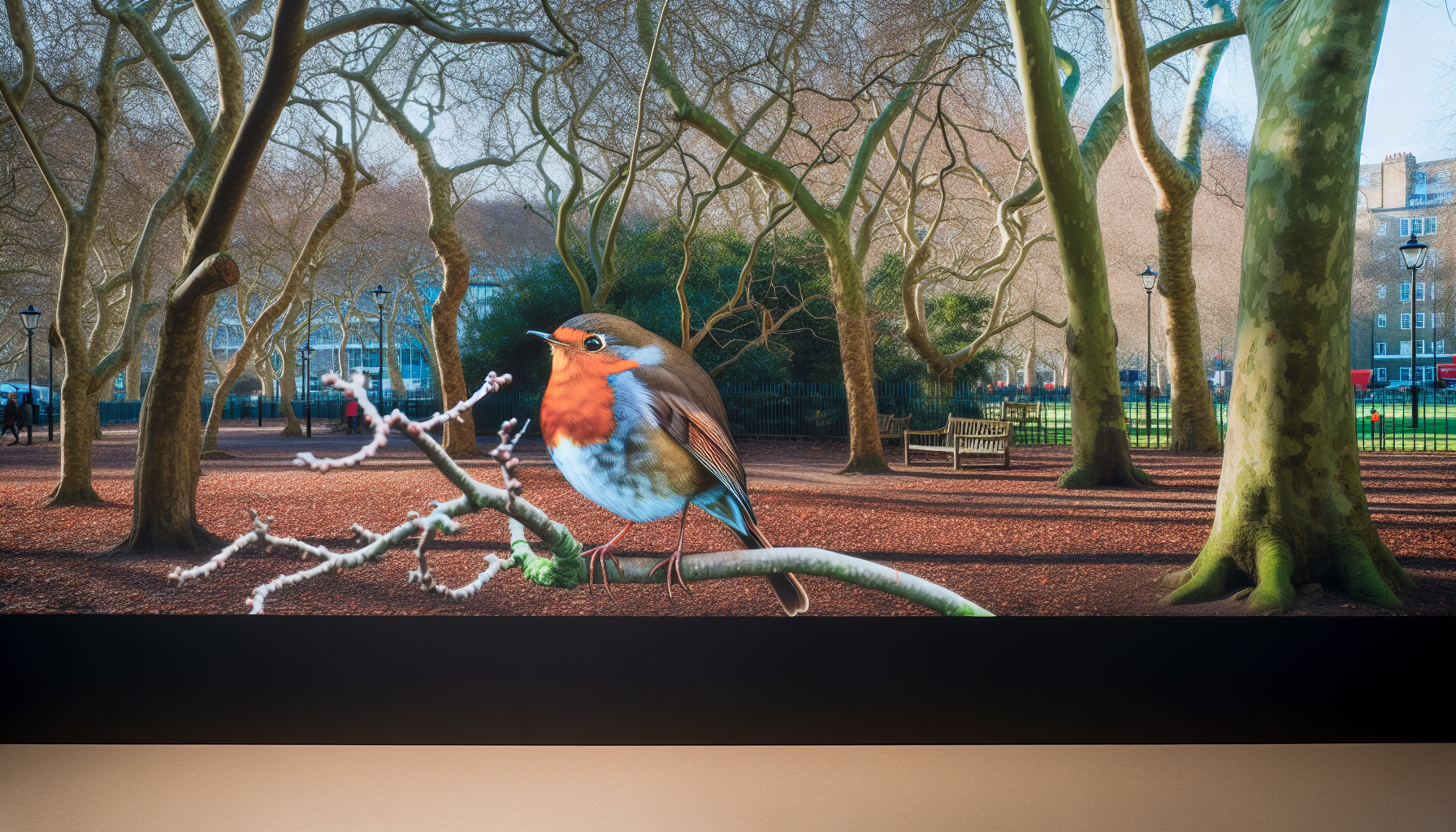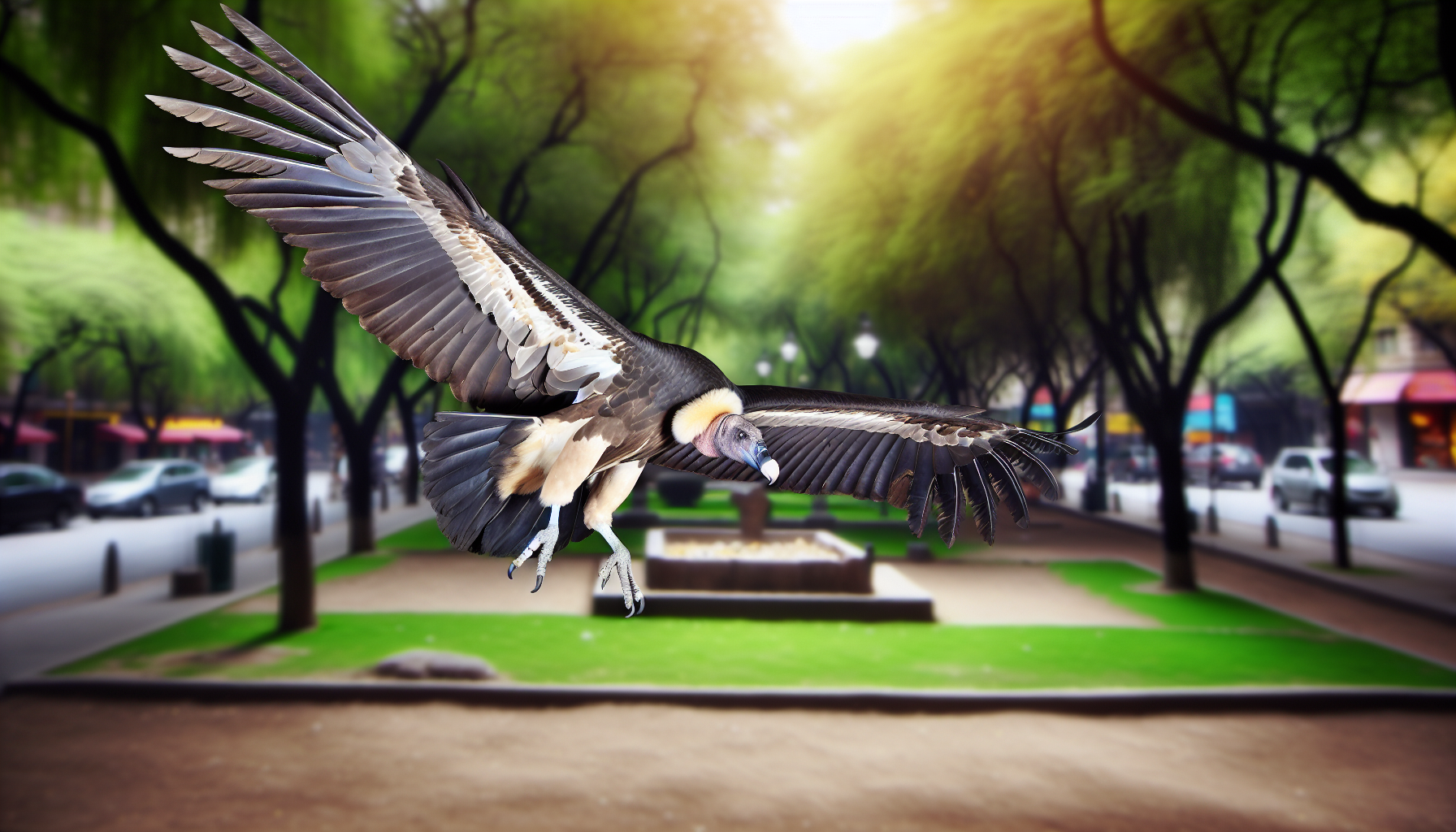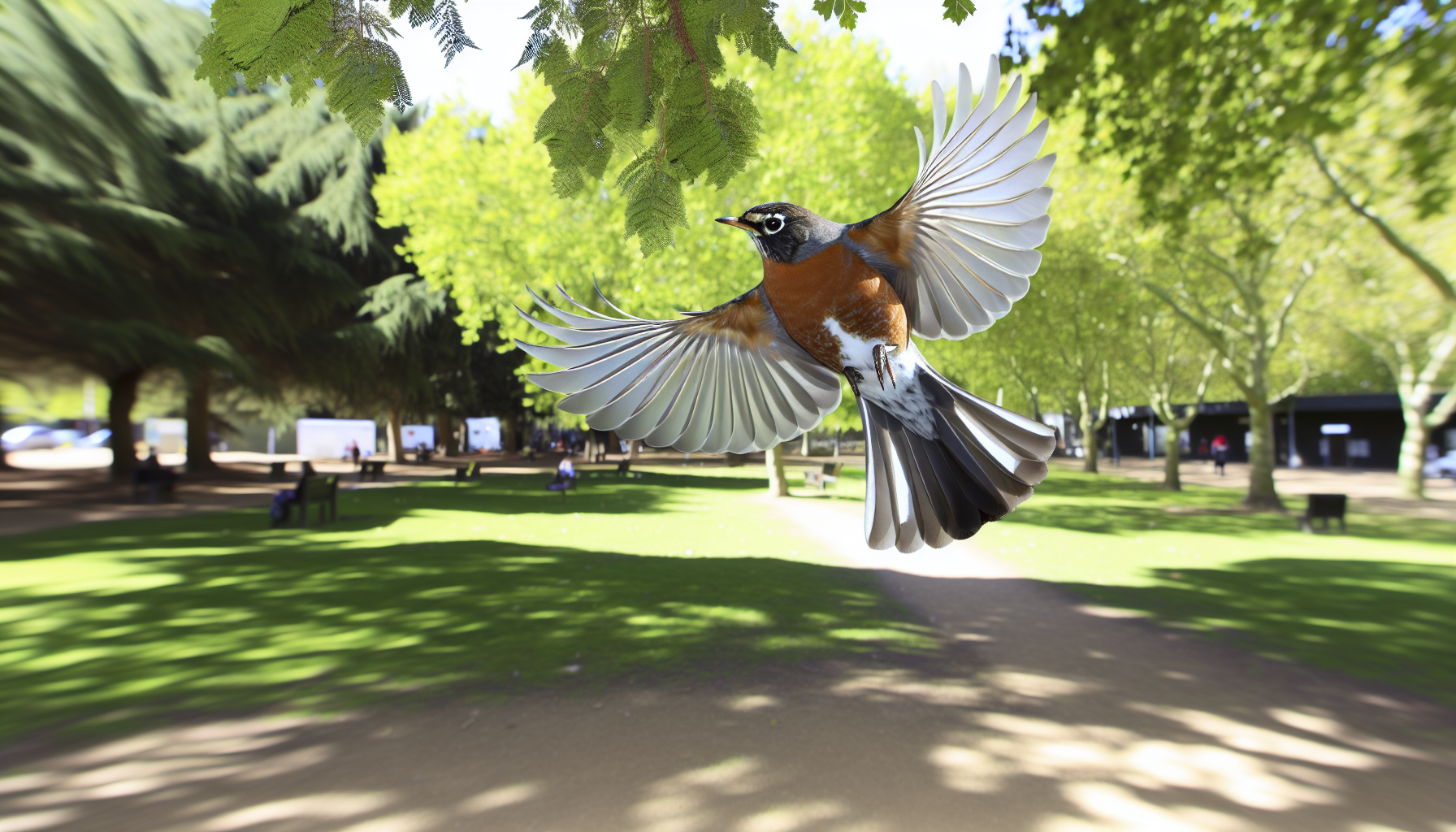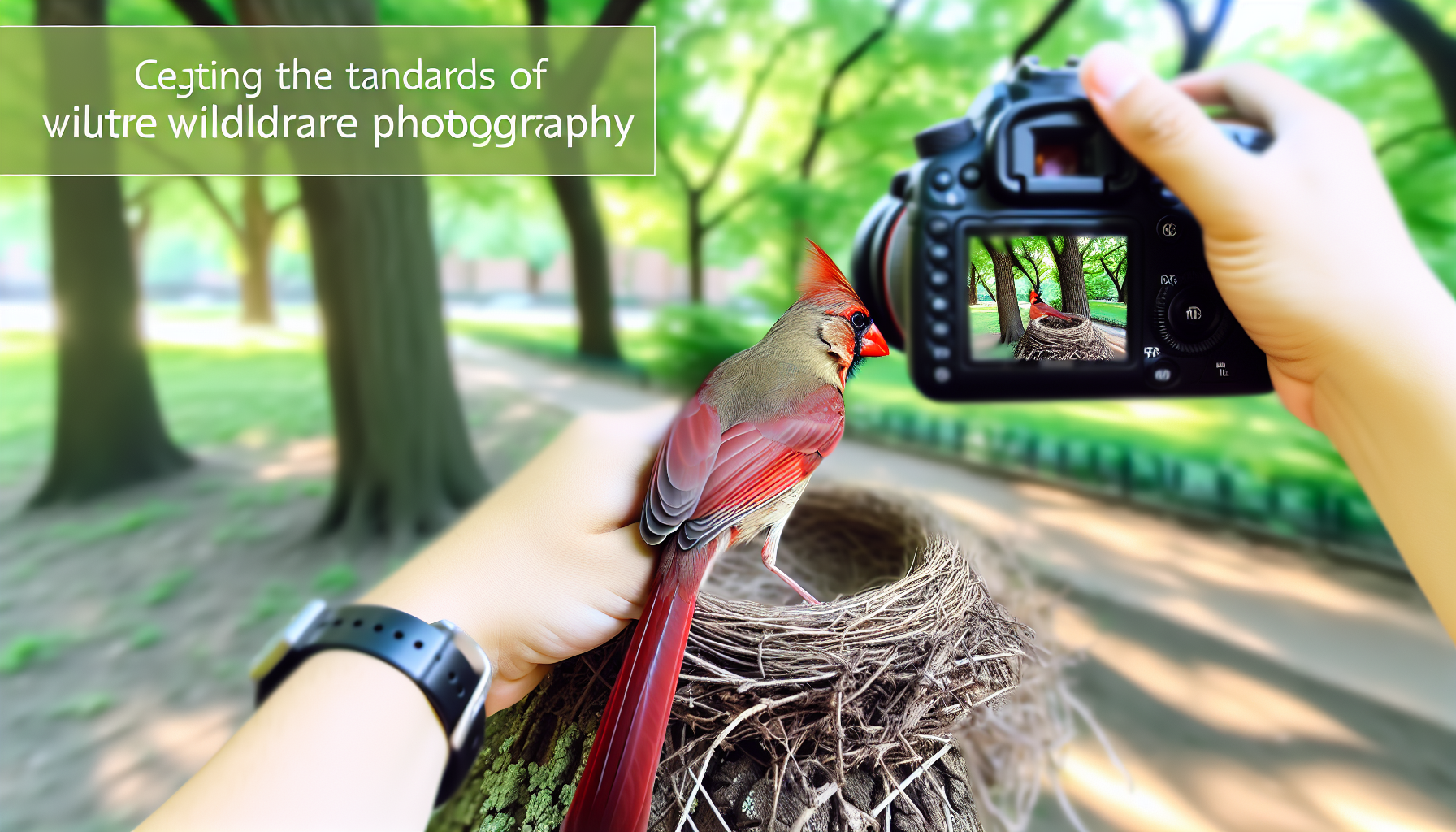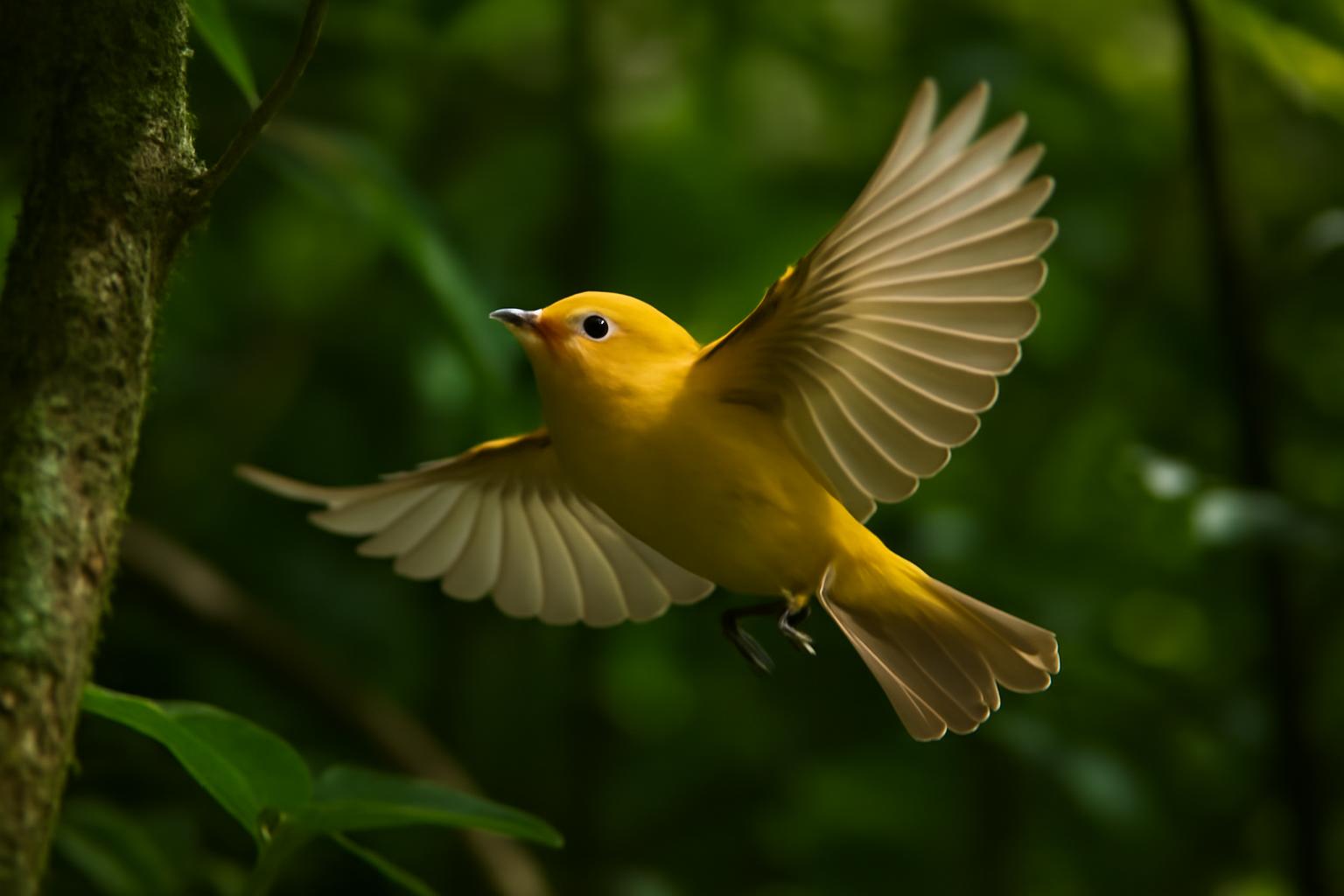
How to Read Bird Behavior Like a Summer Naturalist
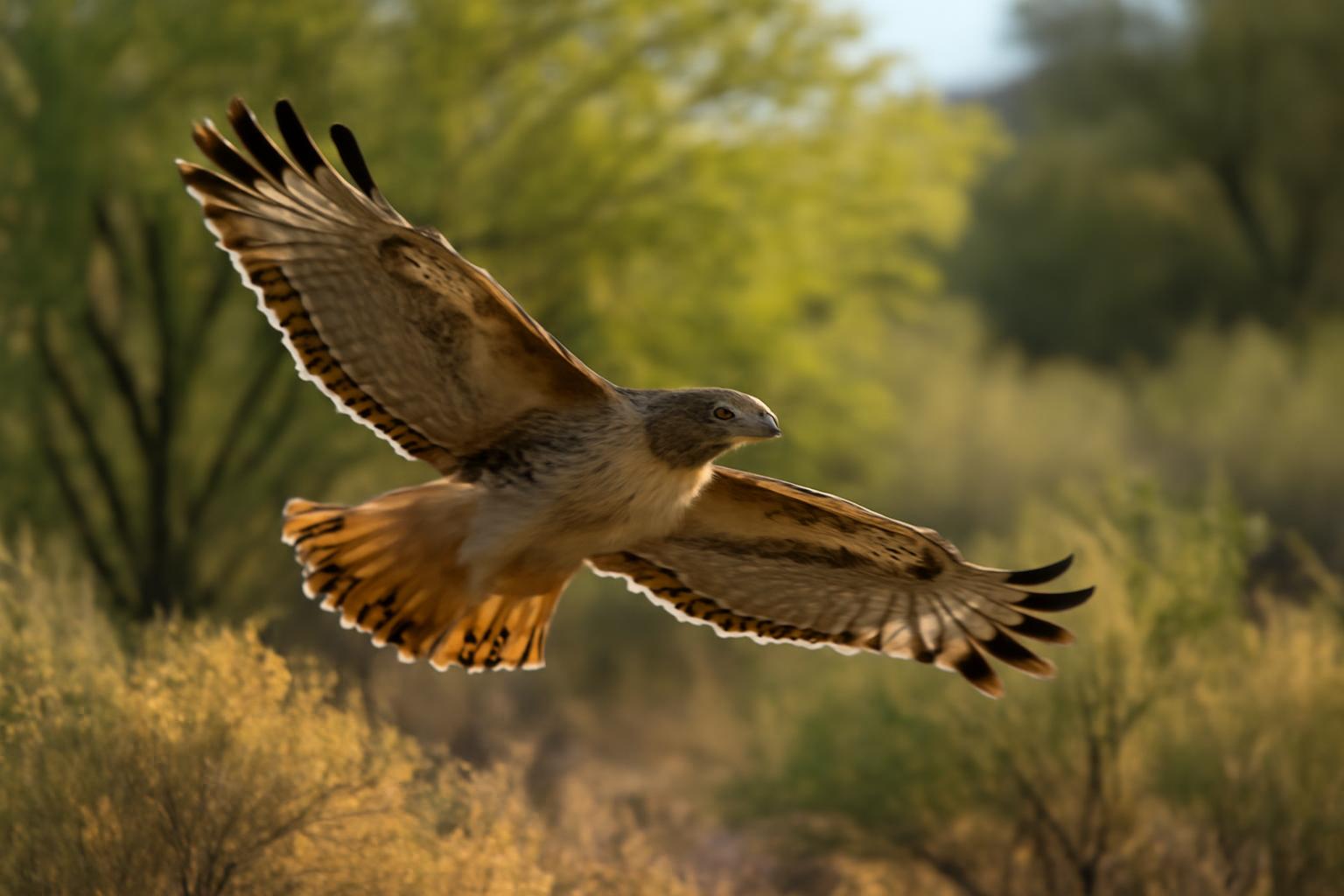
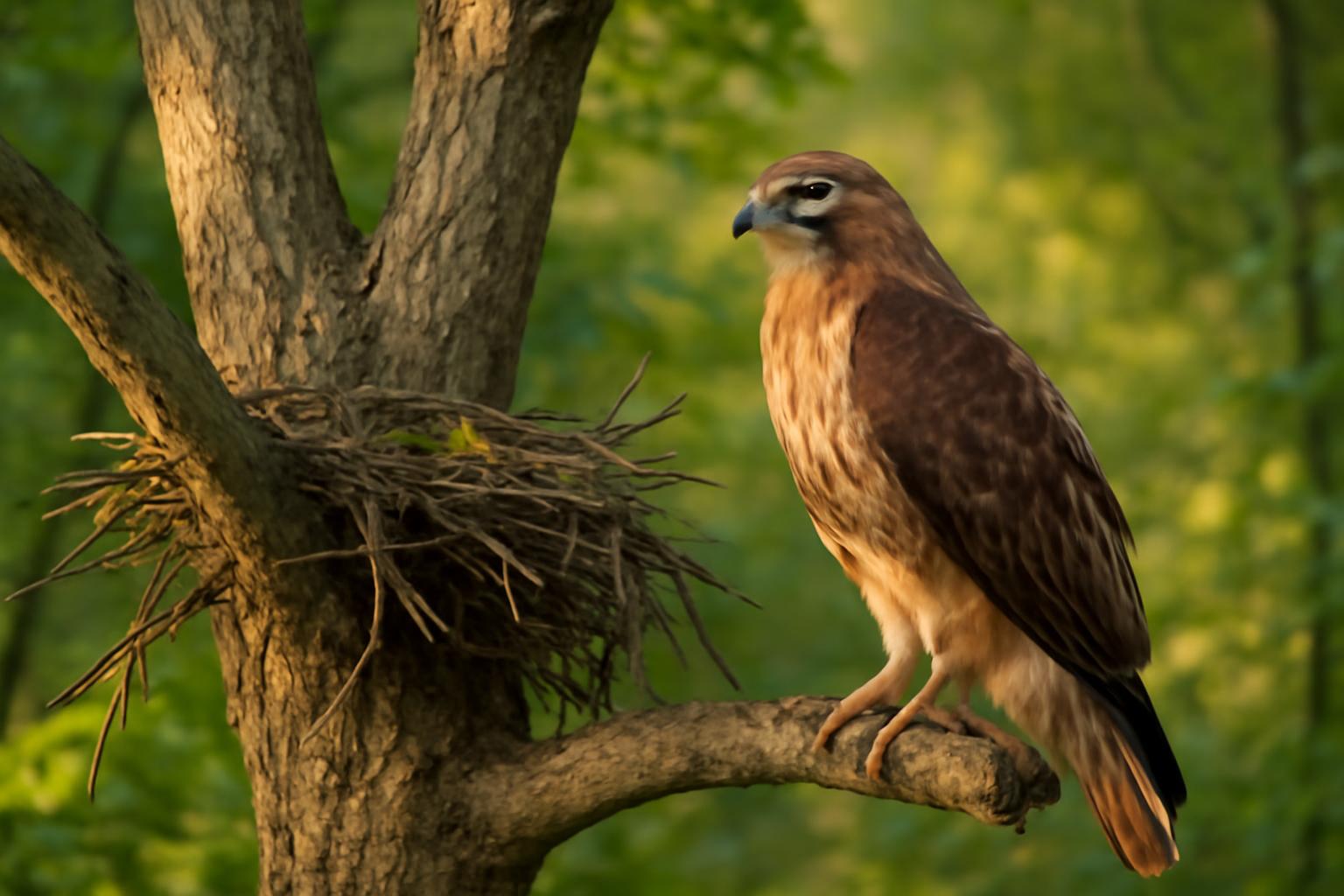
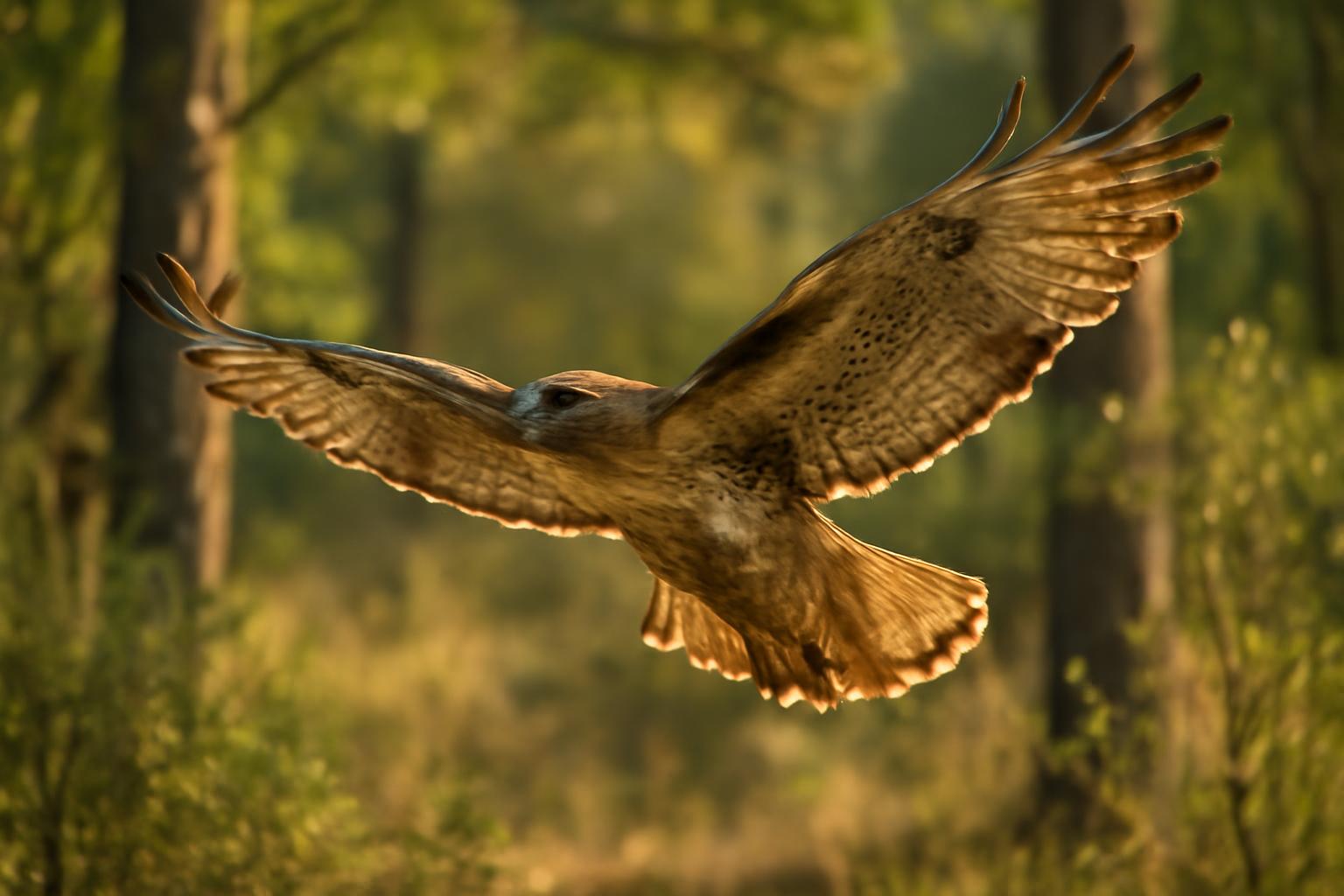
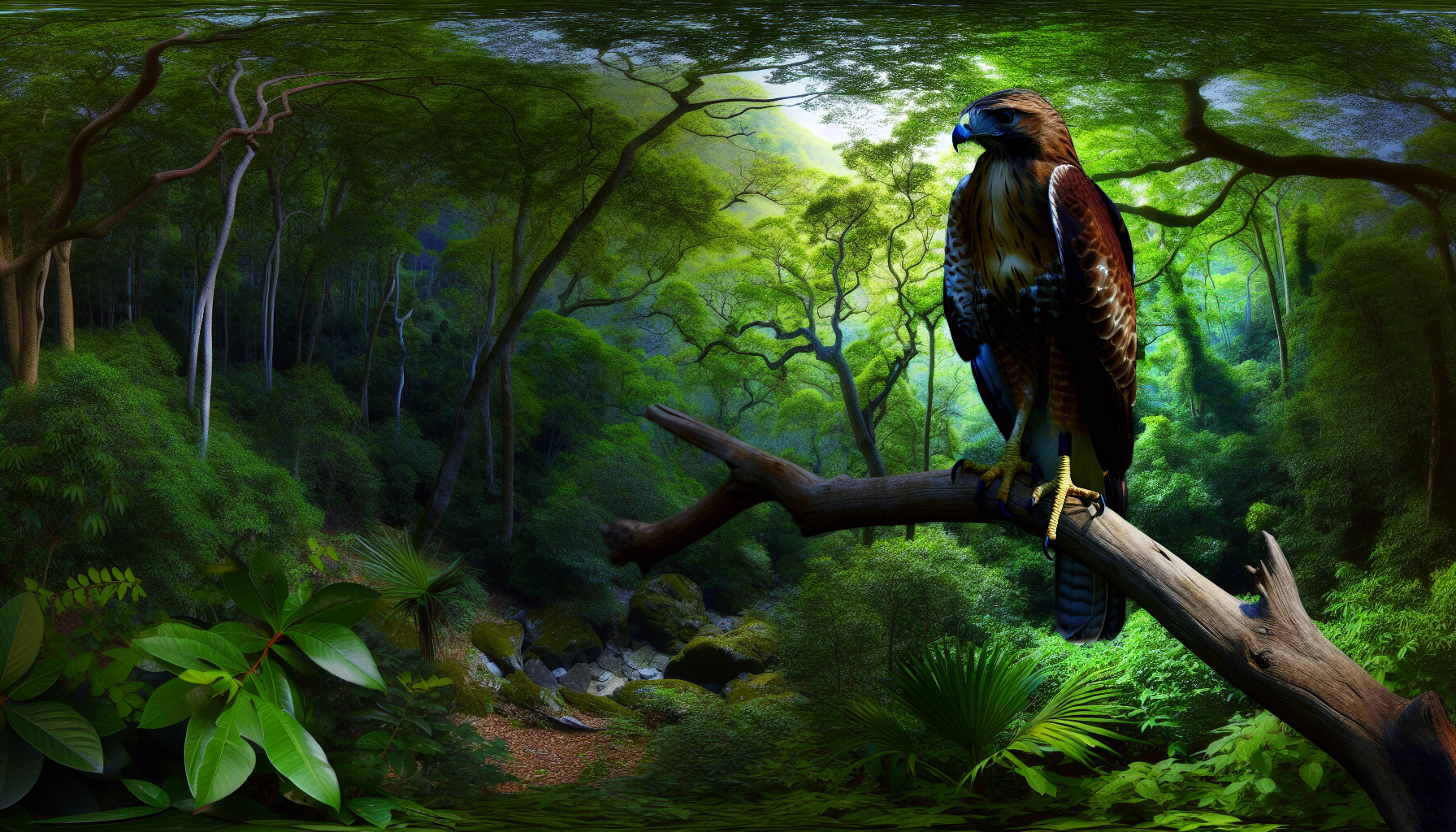
Why does a Red-tailed Hawk circle the same field edge at the same hour every morning — and what does that tell you about everything else nesting nearby?
AI analytical lens, not a real person
Professional field guide and bird identification expert with 25+ years leading birding tours. Author of "Raptors of North America: A Field Guide."
Tone: enthusiastic, practical, mentor-like
Voice: storytelling with field tips, emphasizes key field marks
Focus: Field identification, raptors, birding by ear
Regional Focus: Cape May hawk watch, coastal migration, East Coast hotspots

Why does a Red-tailed Hawk circle the same field edge at the same hour every morning — and what does that tell you about everything else nesting nearby?

Three birds, three completely different identification challenges. Here's how to read each one accurately in Florida's layered habitats — from backyard tangles to old-growth cypress.

Cooper's Hawk and Barn Owl overlap in riparian corridors across North America, hunting the same low-light edges from opposite sides of the forest-grassland boundary. This field guide breaks down the structural, behavioral, vocal, and habitat cues that separate them — and the species most likely to cause confusion along the way.

Every red, orange, blue, and iridescent sheen you see through binoculars is the product of specific chemistry, physics, or evolutionary strategy. Seven species—spanning the visible spectrum—reveal how color-production mechanisms work at the feather level and why that knowledge sharpens field identification.

Eastern Bluebirds, Rose-breasted Grosbeaks, Canada Geese, and Painted Buntings serve as reliable indicators of conservation success. Learning to identify these species helps birders contribute meaningful data to habitat restoration monitoring efforts.

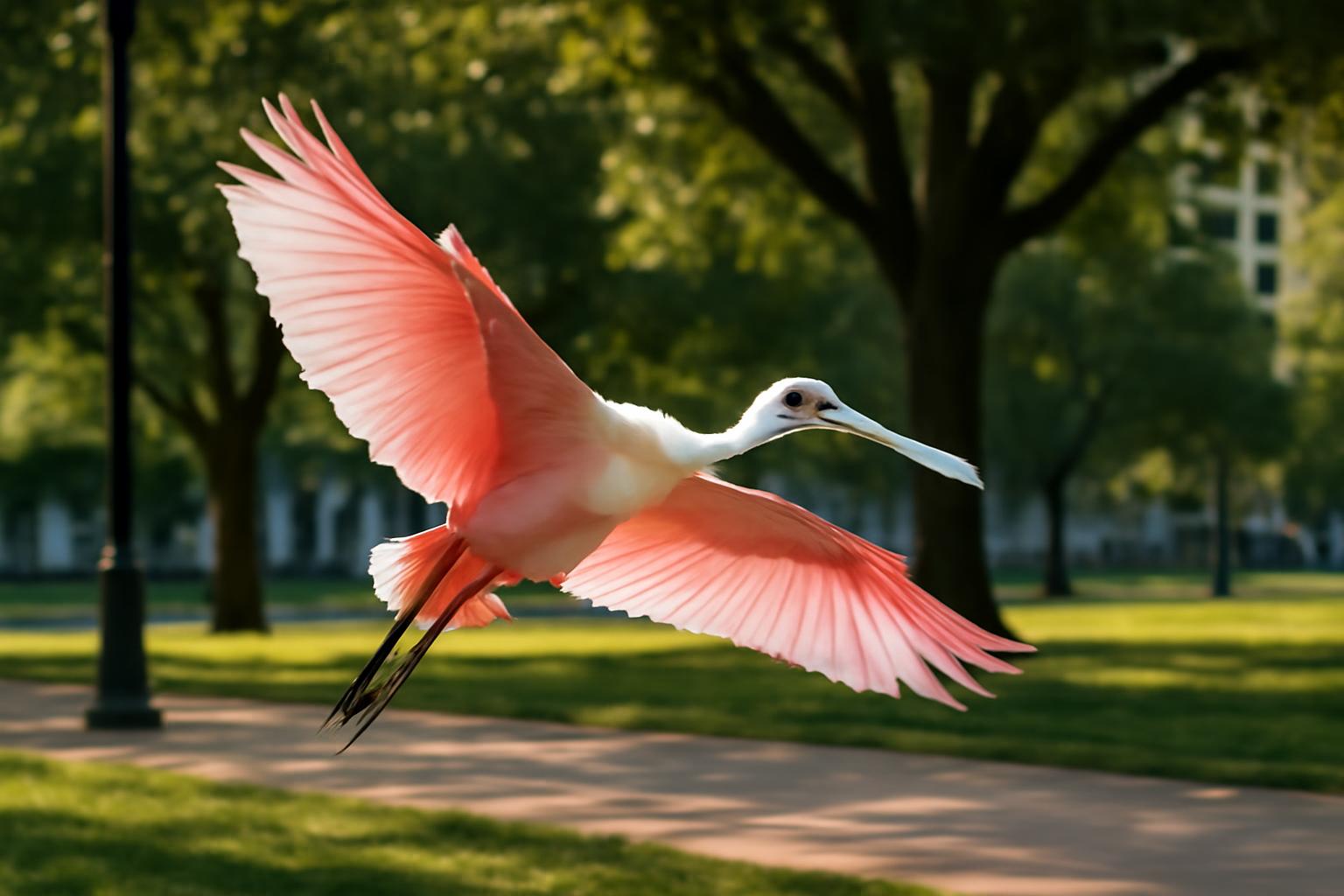
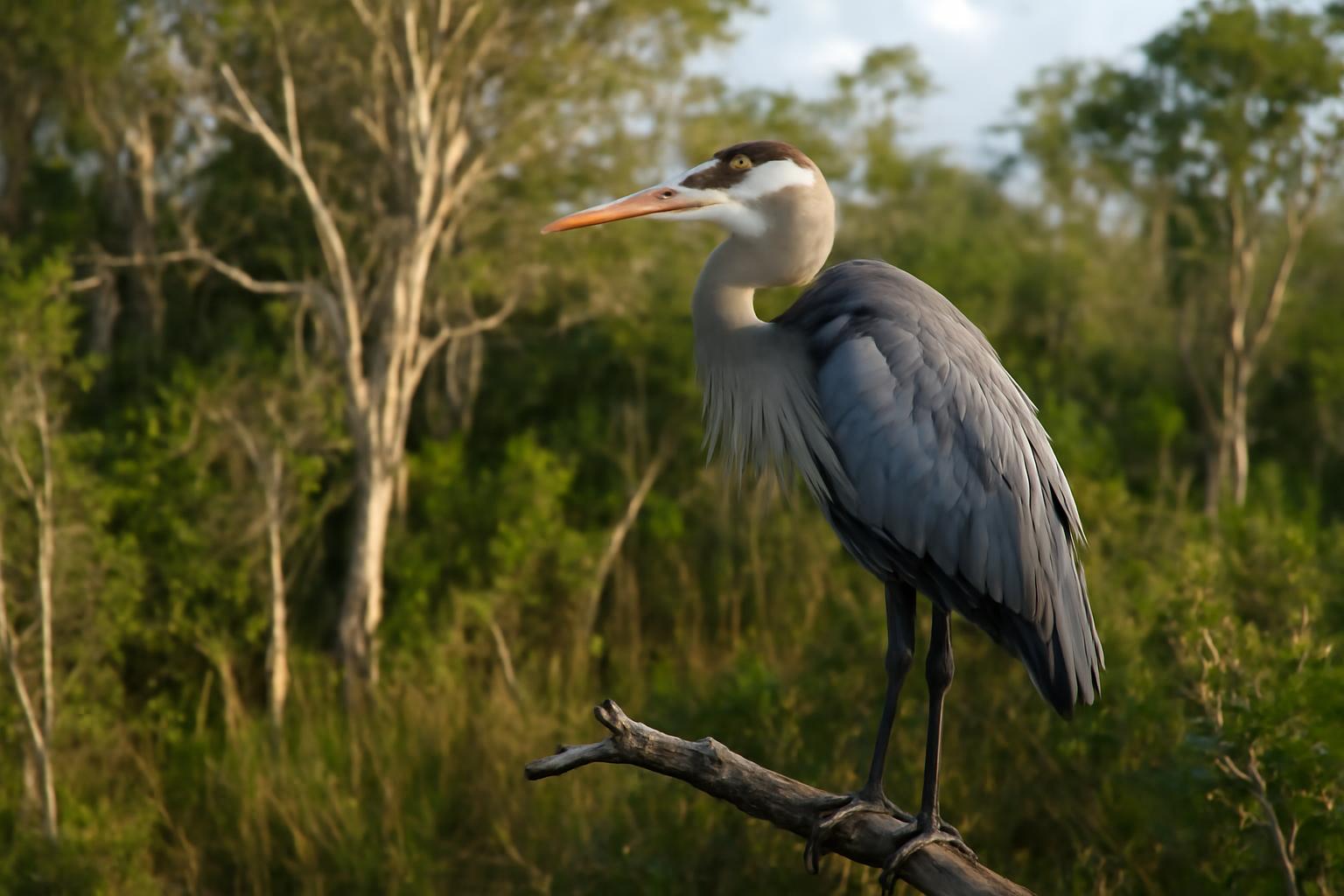
Florida's recent legislative session delivered mixed results for Everglades restoration and the wading birds that depend on this critical ecosystem. While $645 million flows to restoration projects, concerning policy changes threaten the long-term habitat security that species like Great Blue Heron, Wood Stork, and Roseate Spoonbill require for survival.

A 126-year-old essay from Bird-Lore magazine contains the most practical advice for leading successful birding groups—and modern research confirms why Bailey's psychology-based approach works better than high-tech alternatives.

How America's first recreational birding guide revolutionized field identification through behavioral observation and conservation-minded bird study, establishing techniques still used by birders today.

After 32 years of leading birding tours, I've learned that understanding native plant relationships is one of the most overlooked bird identification tools in a birder's arsenal. Knowing which birds use which plants—and how they use them—can transform your field identification skills.

Once the largest source of dust pollution in the US, California's Owens Lake now hosts over 100 bird species after two decades of restoration. The transformation offers crucial lessons for large-scale conservation in an era of climate change.

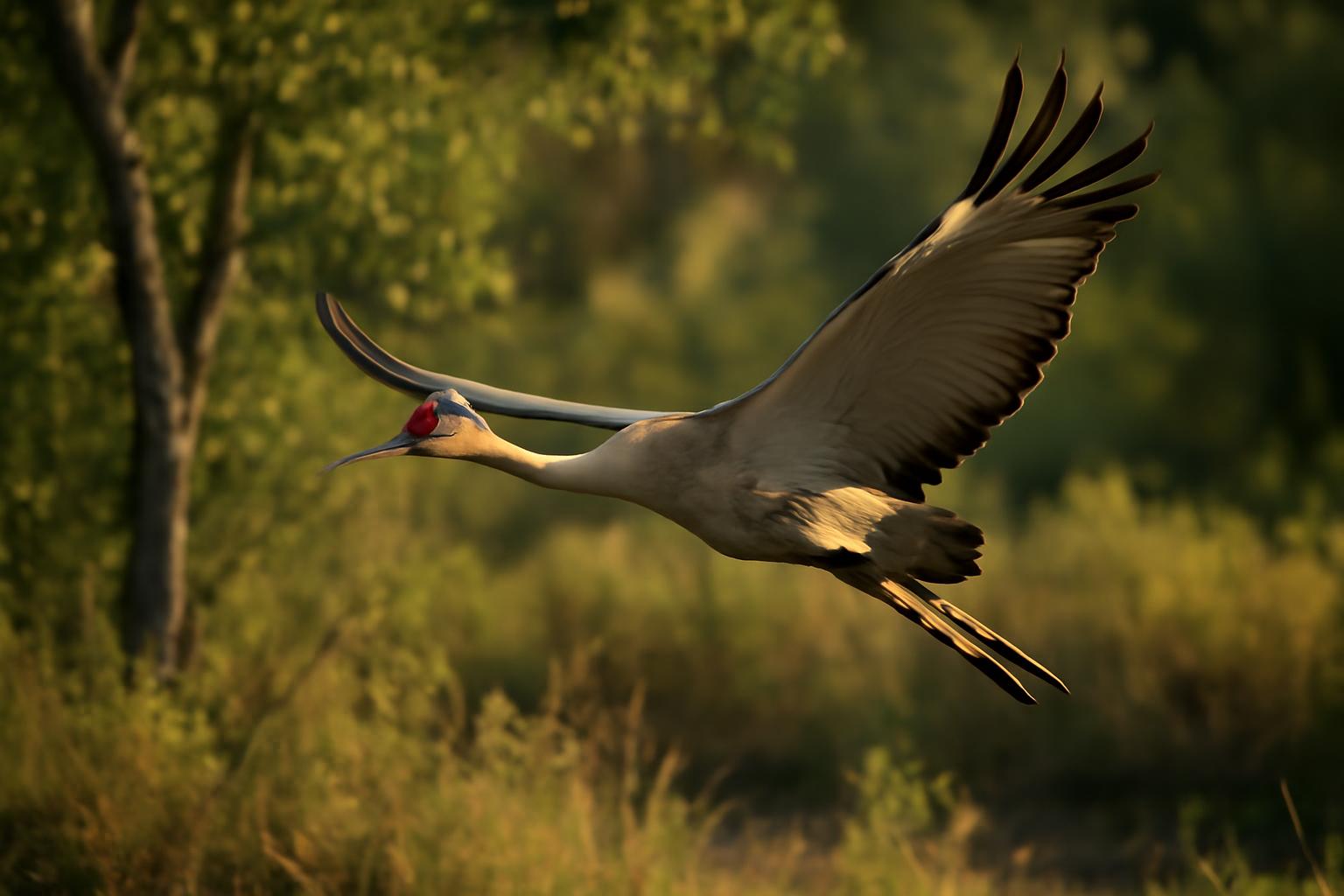
From Pileated Woodpeckers excavating carpenter ant colonies to Sandhill Cranes probing muddy shallows, riparian zones create some of North America's most behaviorally diverse bird environments. Understanding these specialized feeding and nesting adaptations reveals how the intersection of aquatic and terrestrial habitats shapes complex avian behaviors.

Elizabeth Kolbert's recent Rachel Carson Award from the National Audubon Society demonstrates why field birders need science writers who can transform individual observations into compelling narratives that drive conservation action.

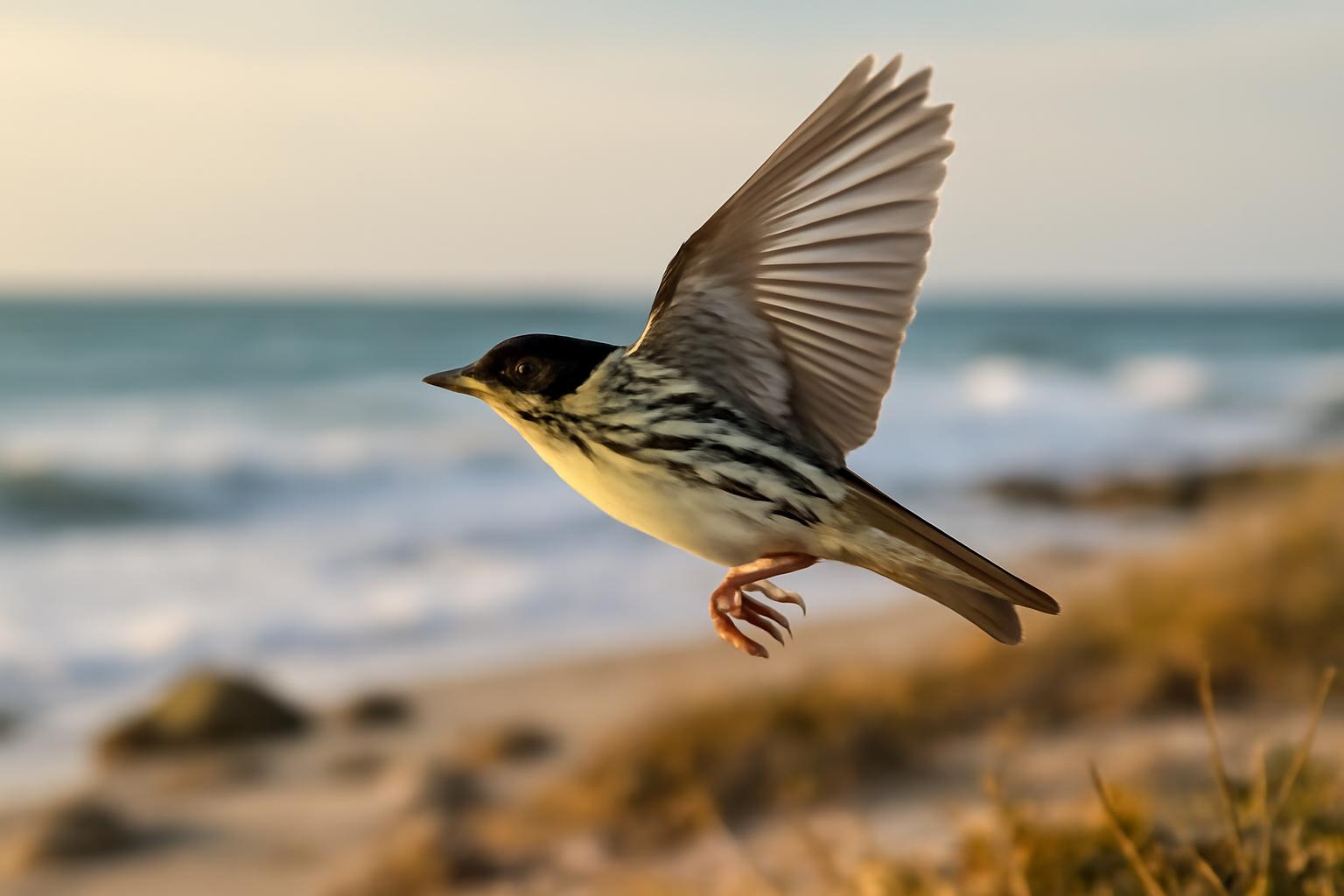
From the Blackpoll Warbler's 2,300-mile nonstop ocean crossing to the millions of raptors funneling through Veracruz, understanding migration flyways reveals the ancient highways that guide birds across continents—and transforms how we watch and protect them.

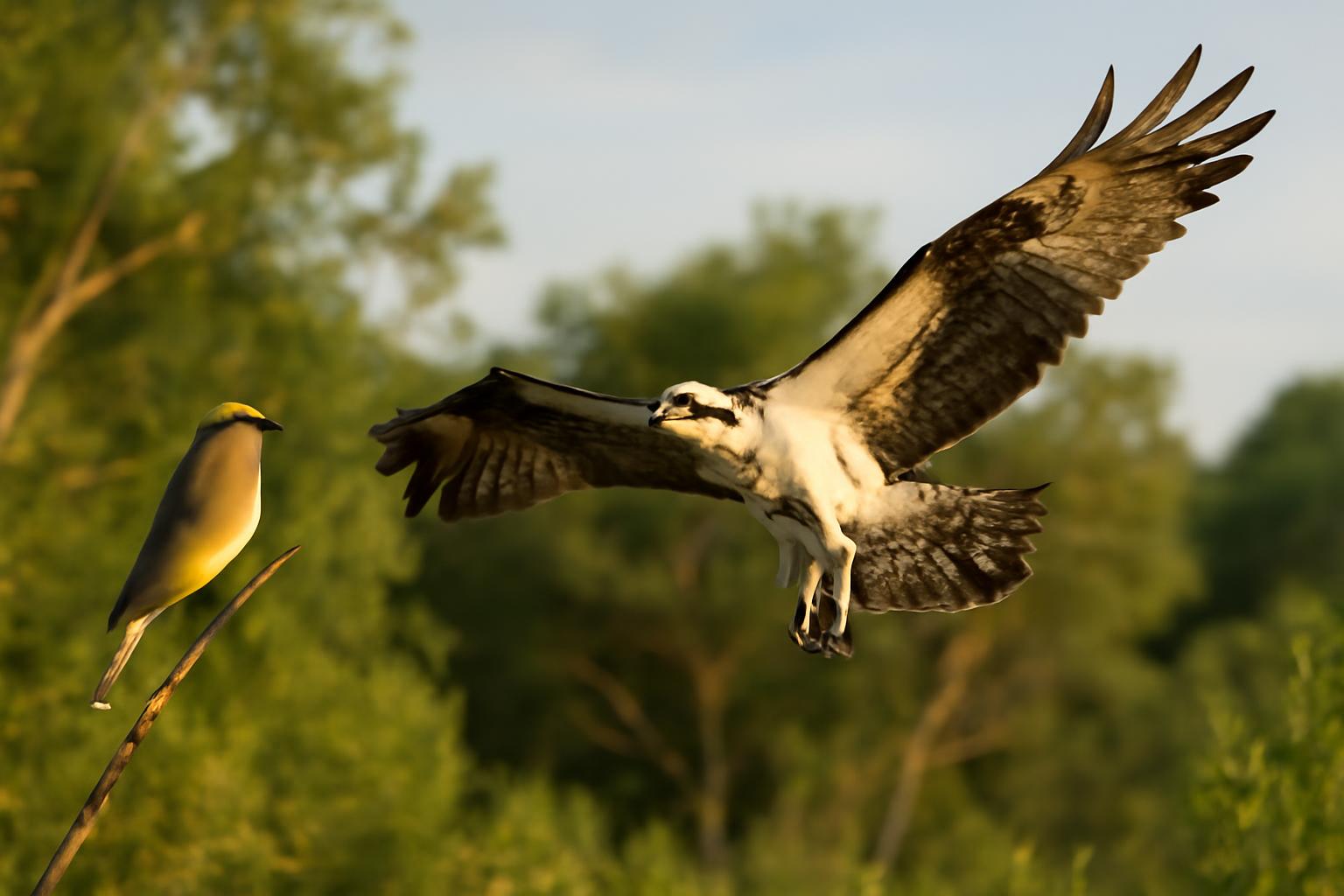
Master the identification of two challenging North American birds through detailed field marks, behavioral cues, and seasonal patterns. From the subtle nomadic Cedar Waxwing to the deceptively obvious Osprey, learn professional techniques for confident field identification.

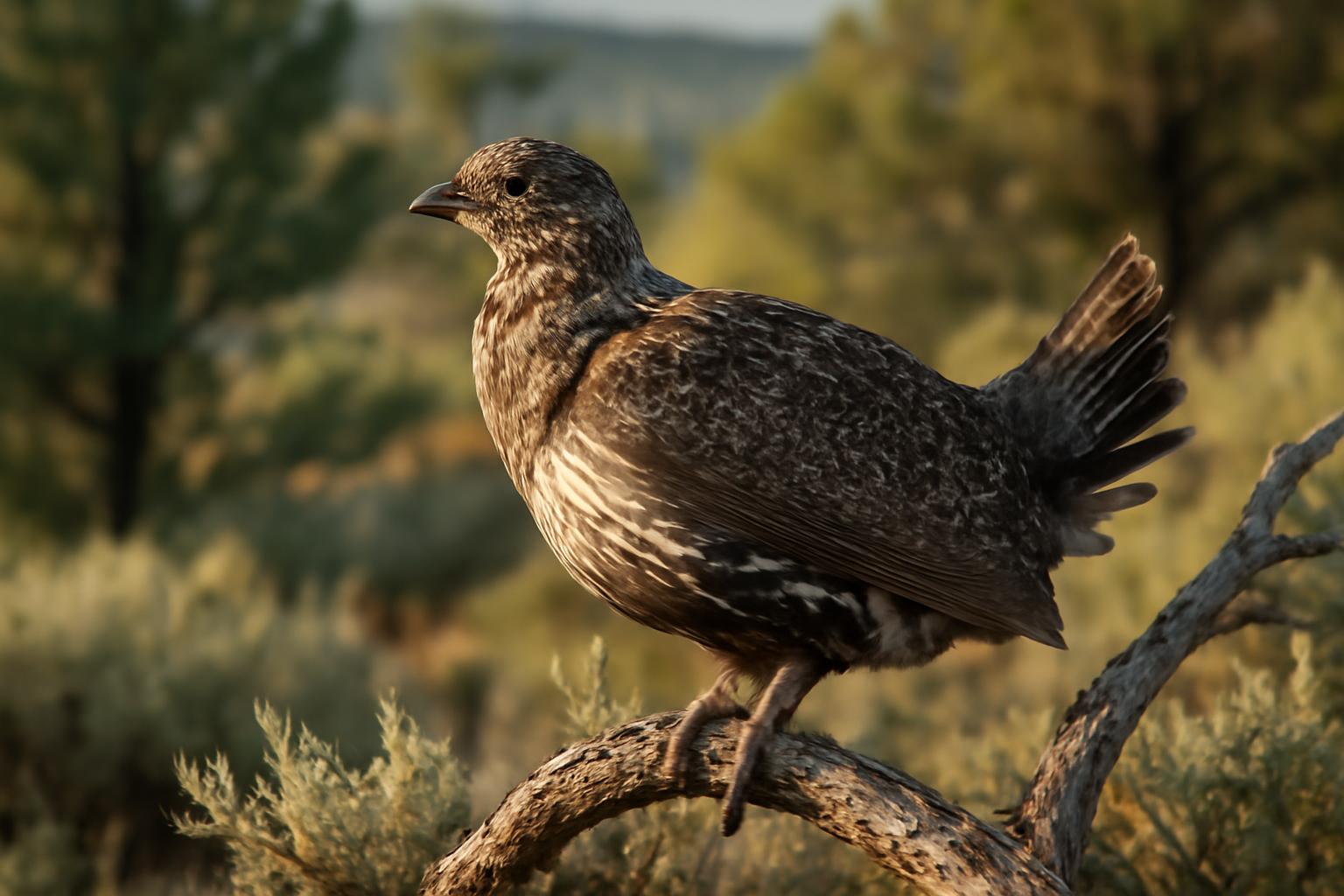
With populations declining 80% since 1965, accurate Greater Sage-Grouse identification has never been more critical. Learn the field marks, behaviors, and seasonal patterns that separate this iconic western species from other grouse—and why your observations matter for conservation.

After three decades of field guiding, I've watched Cornell Lab's suite of digital tools transform birding from a notebook-and-binoculars pursuit into something far more powerful. Here's how Merlin, eBird, and BirdCast fundamentally change how we find, identify, and understand birds in real time.

When Audubon Alaska launched their Anchorage birding trail, they recognized how specific bird behaviors—like Belted Kingfisher fishing patterns and American Kestrel hunting territories—reveal the hidden architecture of urban bird habitat and guide successful trail design.

Anchorage's unique geography creates identification opportunities found nowhere else in North America. From jet-flushed shorebirds at Point Woronzof to ptarmigan behavior along Arctic Valley ski runs, Alaska's urban birding trail offers unparalleled field study conditions.

When Brown Pelicans began appearing over downtown Phoenix in 2019, researchers realized something remarkable: urban birds were creating their own migration highways. Learning to identify the key species that use these corridors—and understanding their flight patterns—opens up entirely new possibilities for urban birding.

Understanding which bird species are vulnerable to oil contamination—and how to identify them accurately—matters for both conservation monitoring and everyday birding. Learn field marks and behaviors for three key species representing different risk categories.

After 30 years identifying birds in the field, I've learned that some conservation mysteries require more than sharp eyes and good ears. The disappearing female Bicknell's Thrush puzzle shows why DNA sampling and GPS tracking have become essential tools for understanding what we're actually seeing—or not seeing—during migration.

From Anna's Hummingbirds breeding in winter to Baltimore Orioles singing louder in traffic noise, urban environments fundamentally alter bird behavior. Understanding these adaptations helps create better urban habitats and reveals how birds modify ancient patterns when cities interrupt their migration routes.

The Sonoran Audubon Society's intensive summer survey program offers college students rare field training with one of the Southwest's most challenging riparian species—developing professional-level identification skills that separate casual observers from serious field biologists.

From American Goldfinch foraging patterns to Great Horned Owl territory mapping, citizen scientists contribute behavioral observations that would be impossible for professional researchers to collect alone. Volunteer networks now provide the geographic scale and temporal continuity that reveals population-level behavioral patterns.

Audubon California's Camila Bautista brings field research expertise to the new Salton Sea Conservancy Board, offering hope for science-based habitat restoration at one of North America's most critical bird migration stopover sites.

Learn to distinguish three common backyard birds by their distinctive vocalizations, from the mockingbird's complex mimicry patterns to the robin's dawn chorus and the chickadee's sophisticated alarm system.

Bird spectrograms reveal intricate patterns invisible to our ears alone, showing frequency changes, call structure, and timing details that can separate similar species and reveal behavioral contexts.

After three decades leading birding tours, I've watched countless enthusiasts overlook remarkable species simply because they didn't know what to look for in their immediate vicinity. The solution lies in systematic observation of your local habitat and understanding which species are most likely to appear throughout the year.

From Brown Pelican recovery to California Condor reintroduction, three decades of conservation victories have transformed what birders see in the field—turning endangered species into reliable identification opportunities across California's diverse landscapes.

American Robins readily perch on power lines while Belted Kingfishers avoid electrical infrastructure entirely, preferring natural perches near water. Understanding these habitat preferences helps birders predict species locations and supports conservation efforts.

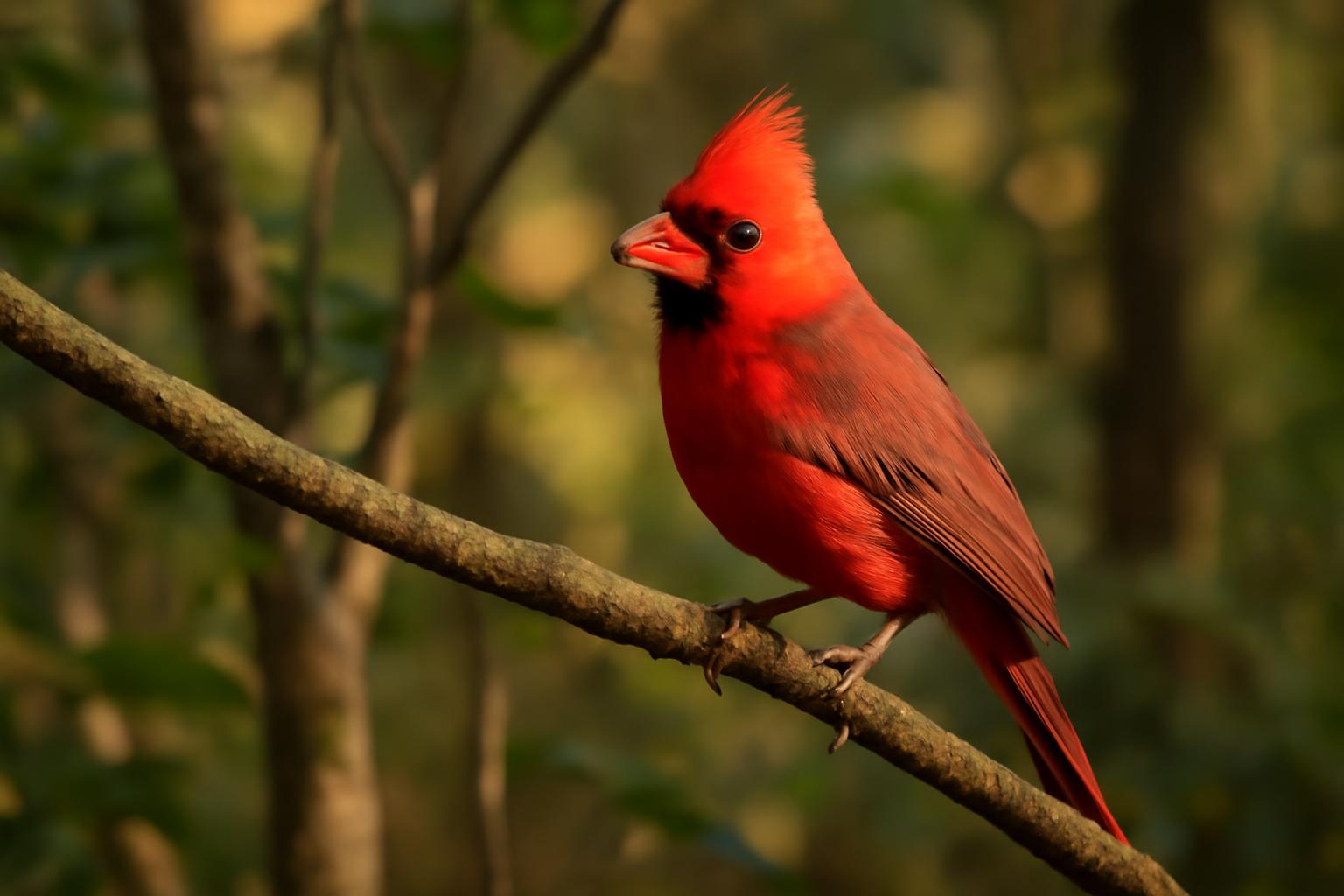
Male cardinals and other birds attacking windows aren't being aggressive—they're defending territory against their own reflections. Understanding this breeding season behavior helps birders implement effective, humane deterrent strategies.

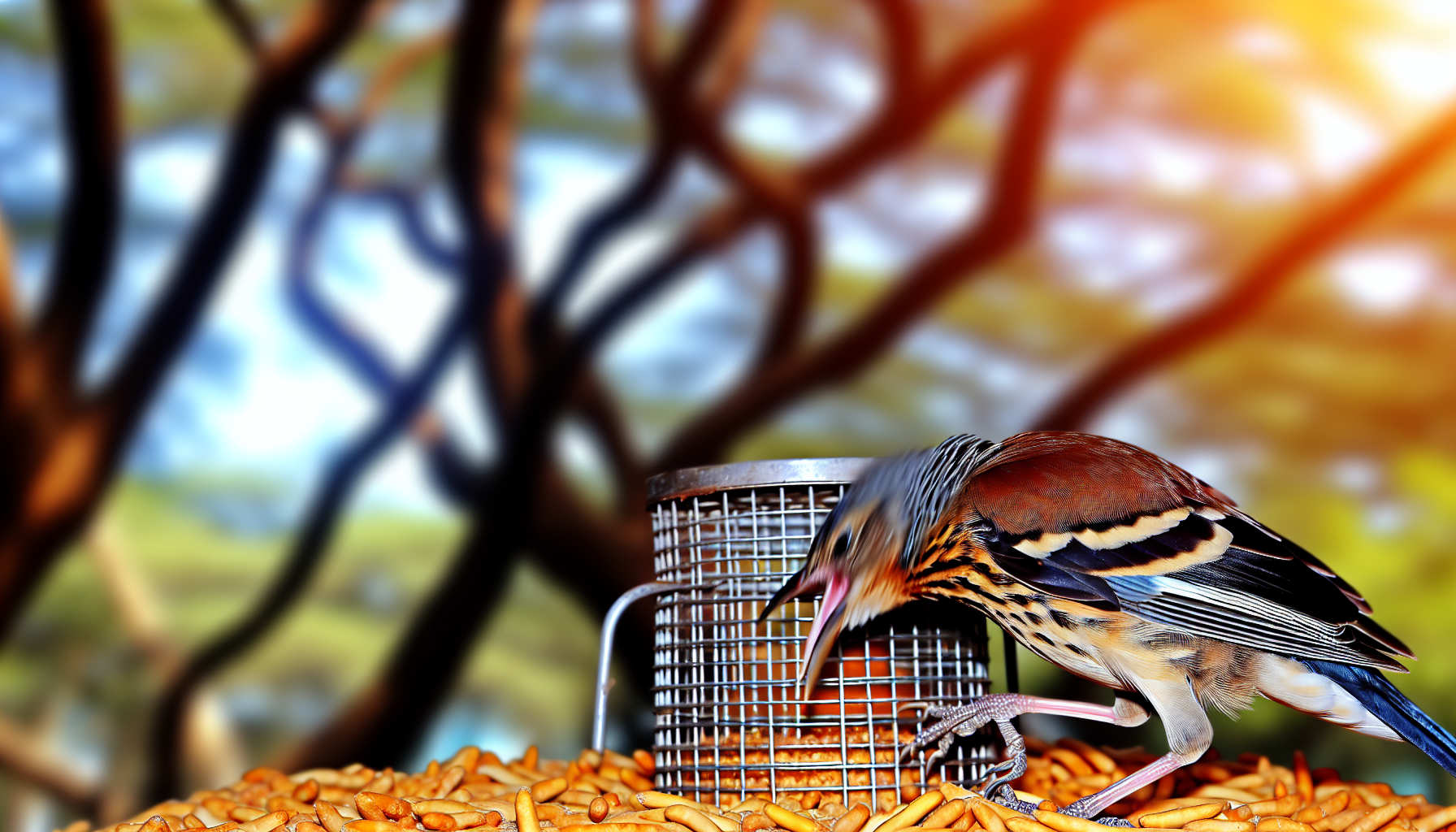
New research reveals hummingbirds prioritize nectar quality over feeder color. Despite their tetrachromatic vision that enhances red perception, field studies show sugar concentration and freshness determine feeding preferences—not artificial colors or bright red components.

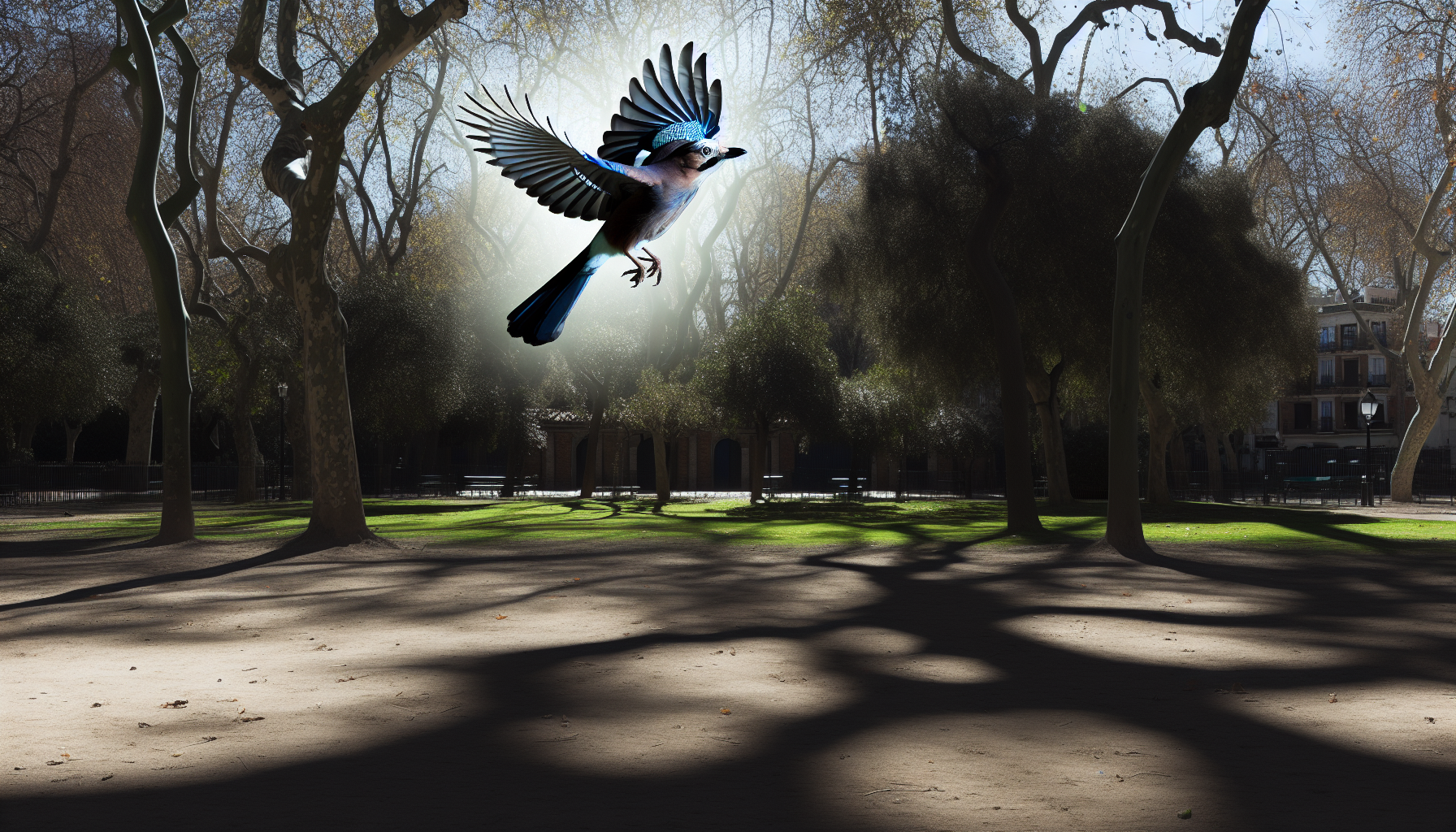
Master the field identification of Florida's only endemic bird through detailed analysis of field marks, behavior, and habitat requirements. Drawing from 25 years of Audubon Jay Watch data, learn the key features that separate these threatened birds from Blue Jays and other species.
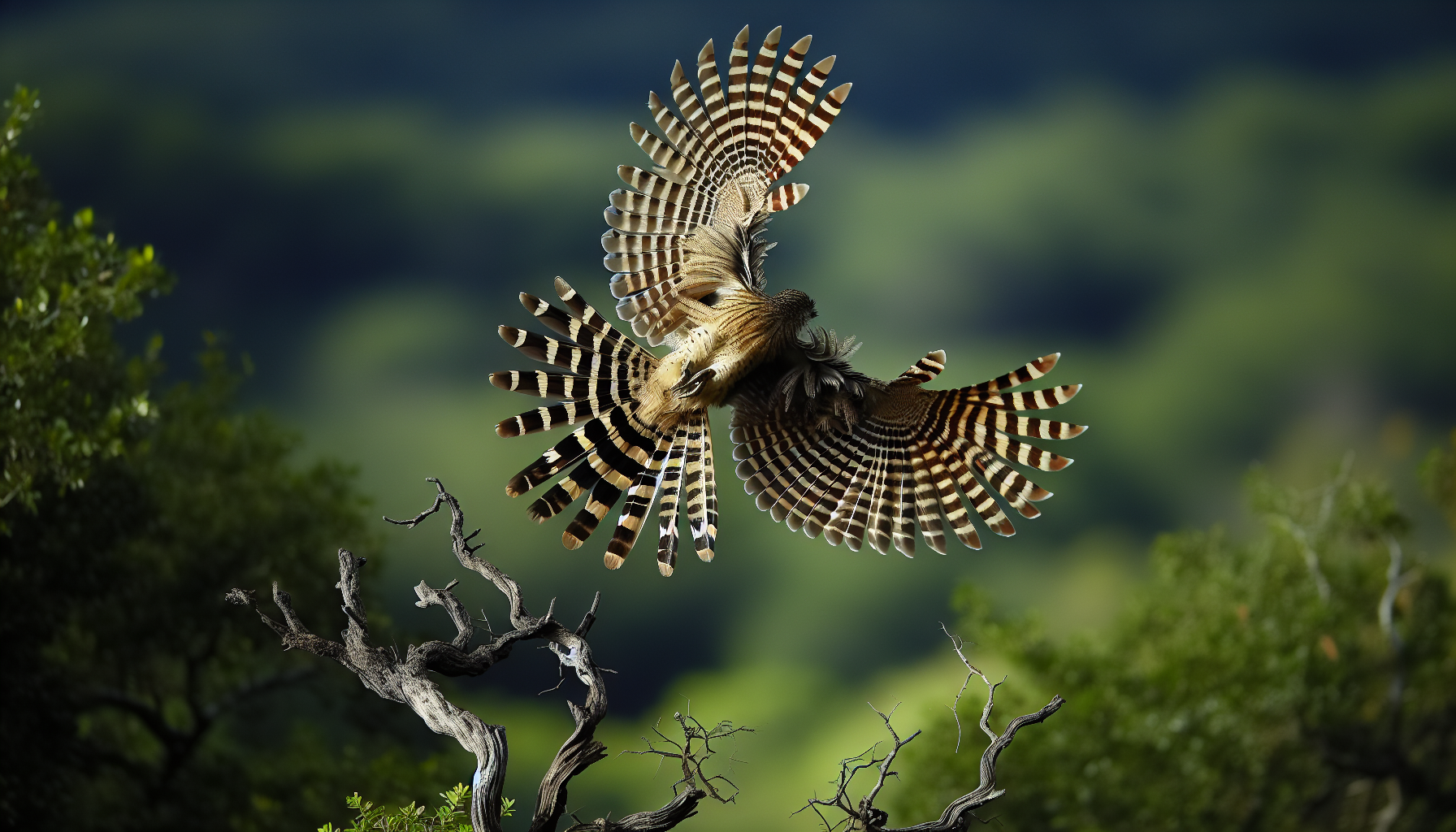
Master Wild Turkey identification with expert field techniques covering size, plumage patterns, behavioral cues, and habitat preferences. Learn to distinguish males from females, track seasonal changes, and locate these remarkable birds across North America's diverse landscapes.

From the patient perch-and-wait strategy of Red-tailed Hawks to the silent stealth of Great Horned Owls, raptors employ sophisticated hunting techniques refined over millions of years. Understanding these behavioral adaptations reveals the complex predator-prey dynamics that shape entire ecosystems.

Master the field identification of North America's largest common woodpecker through size, plumage patterns, distinctive calls, and behavioral cues that separate Pileated Woodpeckers from all other species.

Standing on a certified ranch in Jeff Davis County, Texas, watching a covey of Scaled Quail emerge from mesquite cover at first light, I'm reminded why grassland bird identification demands both patience and landscape thinking. These cryptic game birds—with their distinctive "cotton-top" crests and scaly breast patterns—represent something larger than individual species accounts in field guides.


Audubon Texas's new HerdsForBirds platform connects ranchers across 437,487 acres of certified grassland habitat, creating digital networks that mirror the landscape-scale connectivity grassland birds need to survive population declines exceeding 50% since 1970.

Master identification of North America's forest flagship species with expert field marks, behavioral cues, and conservation insights for the Pileated Woodpecker and Black-capped Chickadee.

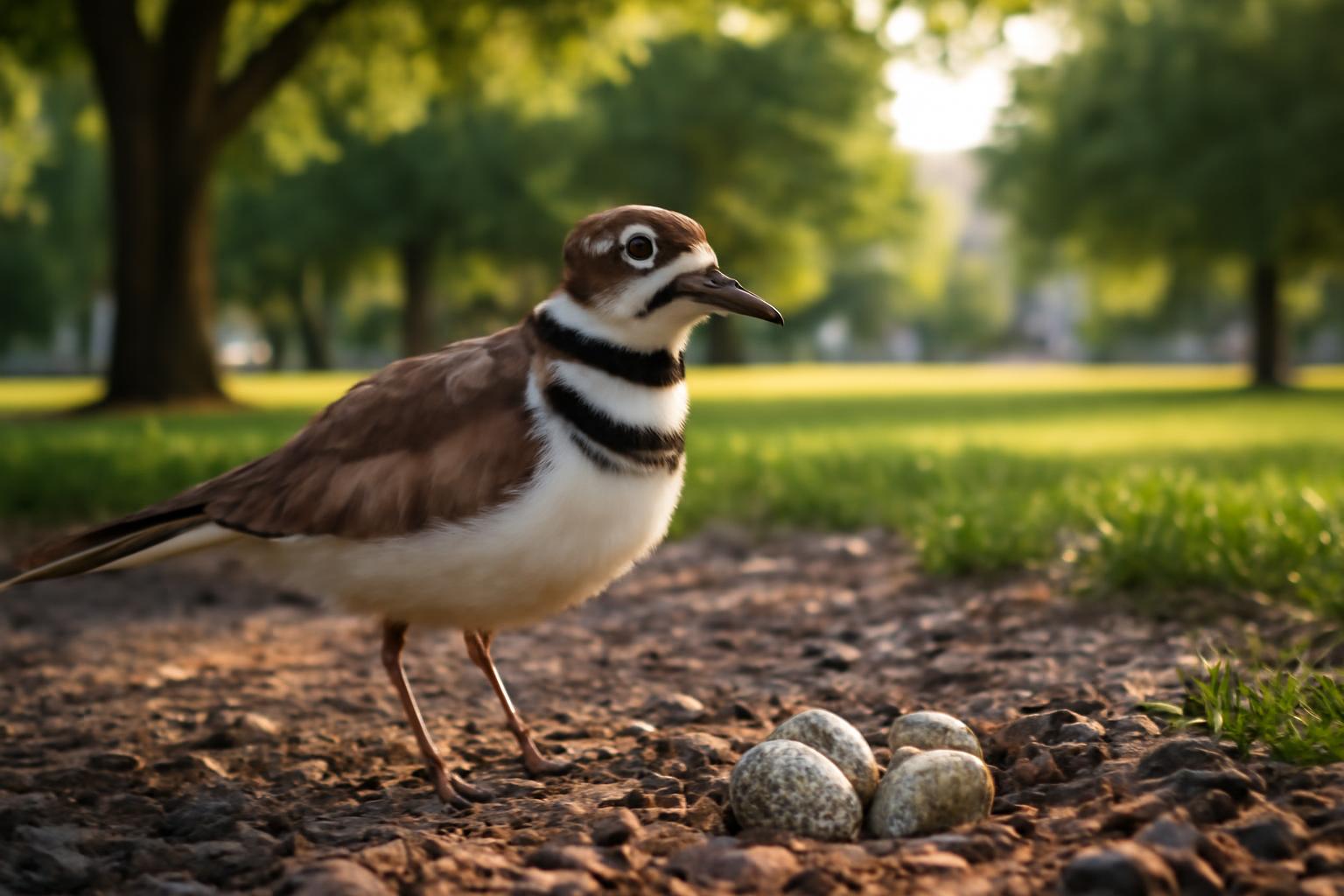
Master the identification of three common North American birds that regularly challenge even experienced birders. Learn diagnostic field marks, behavioral cues, and advanced strategies for confidently identifying Downy Woodpeckers, Great Horned Owls, and Killdeer across different seasons and conditions.

The American Dipper's year-round aquatic lifestyle makes it Colorado's most reliable indicator of stream ecosystem health. Learn to identify this remarkable songbird and understand what its presence reveals about water quality, habitat connectivity, and watershed conservation efforts.

The Iain Nicolson Audubon Center at Rowe Sanctuary combines field observation with artistic expression, creating deeper engagement with Sandhill Cranes during their spectacular Platte River migration. This innovative partnership with the Museum of Nebraska Art transforms casual birdwatching into lasting conservation advocacy.

Naturalist John Muir Laws' sketching techniques can transform how birders observe and identify species, turning passive watching into active investigation that builds both field skills and conservation awareness.

The Great Backyard Bird Count returns February 13–16, 2026, offering field birders a chance to contribute valuable scientific data while honing identification skills. This citizen science project documents roughly 80% of known bird species during the critical late winter migration period.

From Peterson's 1934 revolution to today's smartphone apps, field guides have evolved dramatically. Understanding which features truly enhance bird identification—visual excellence, dynamic range maps, behavioral cues, and digital integration—can mean the difference between confident species confirmation and frustrating uncertainty in the field.