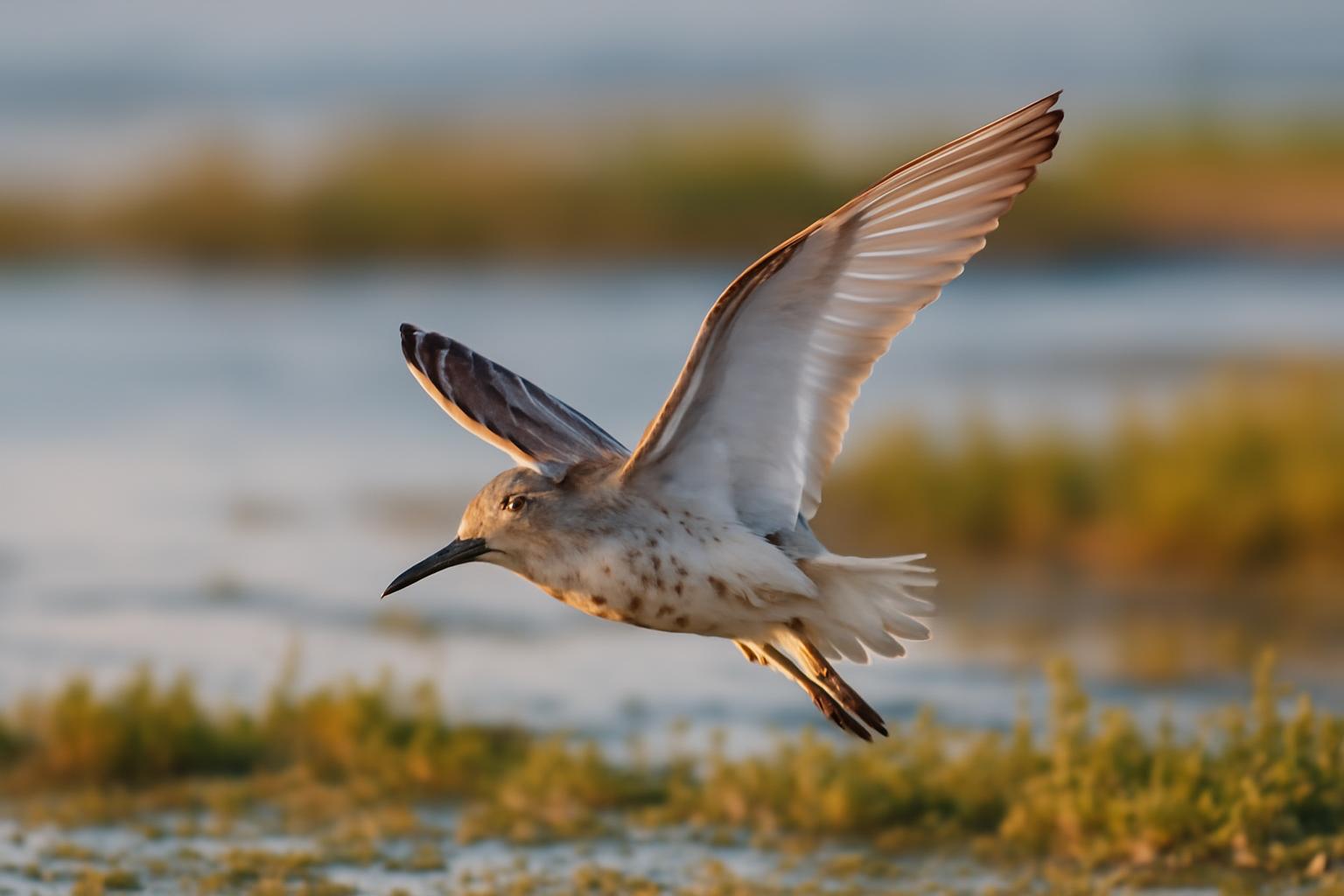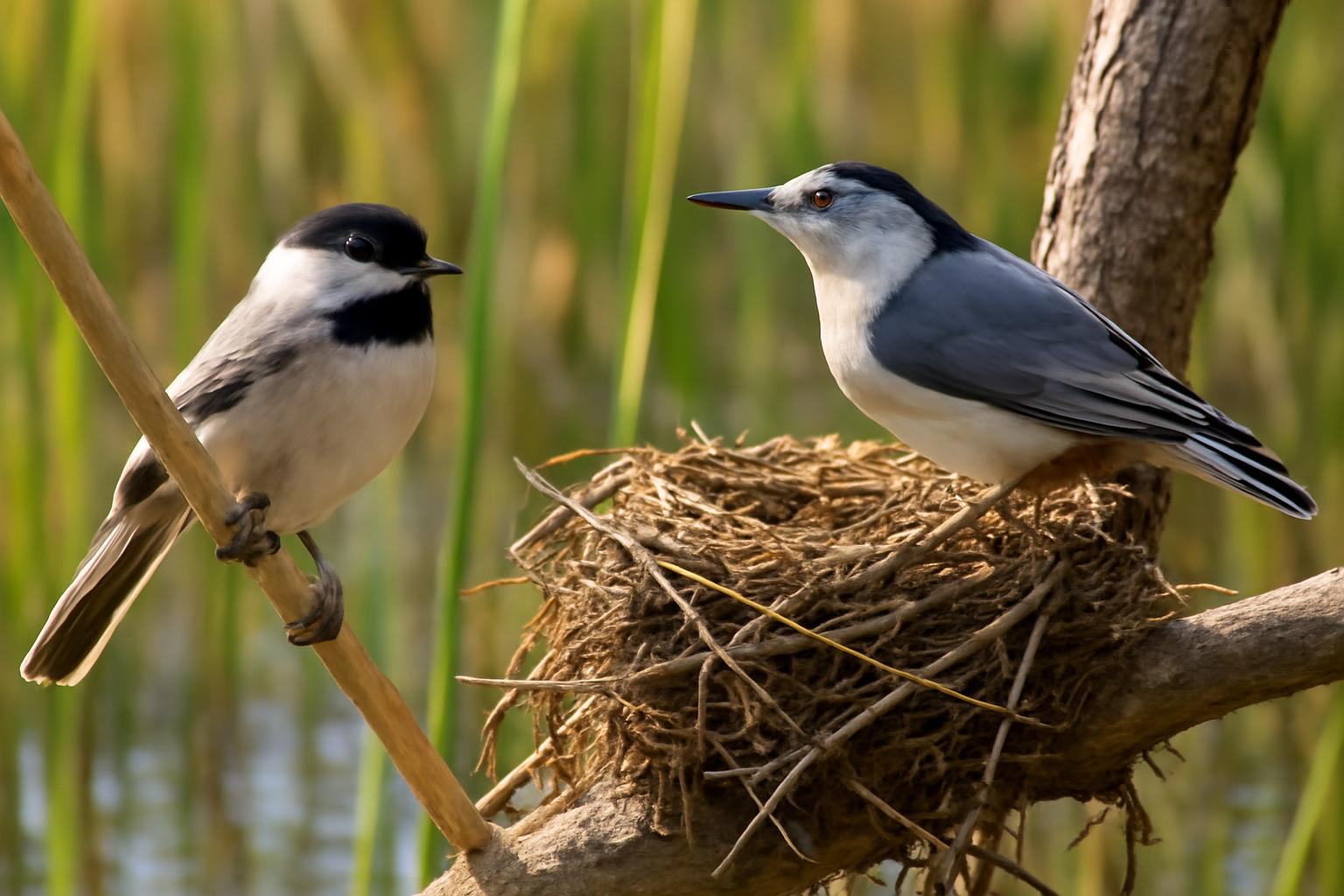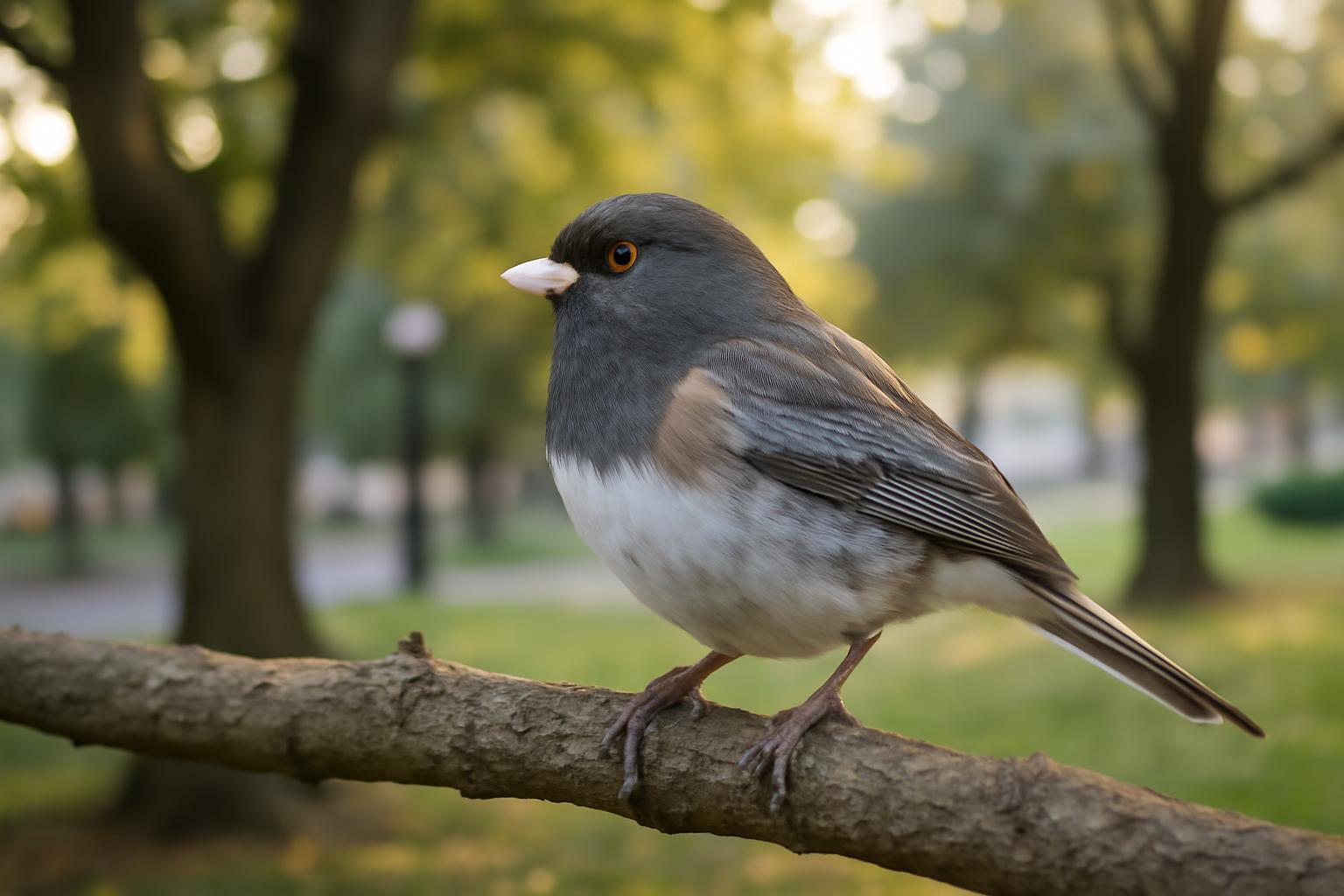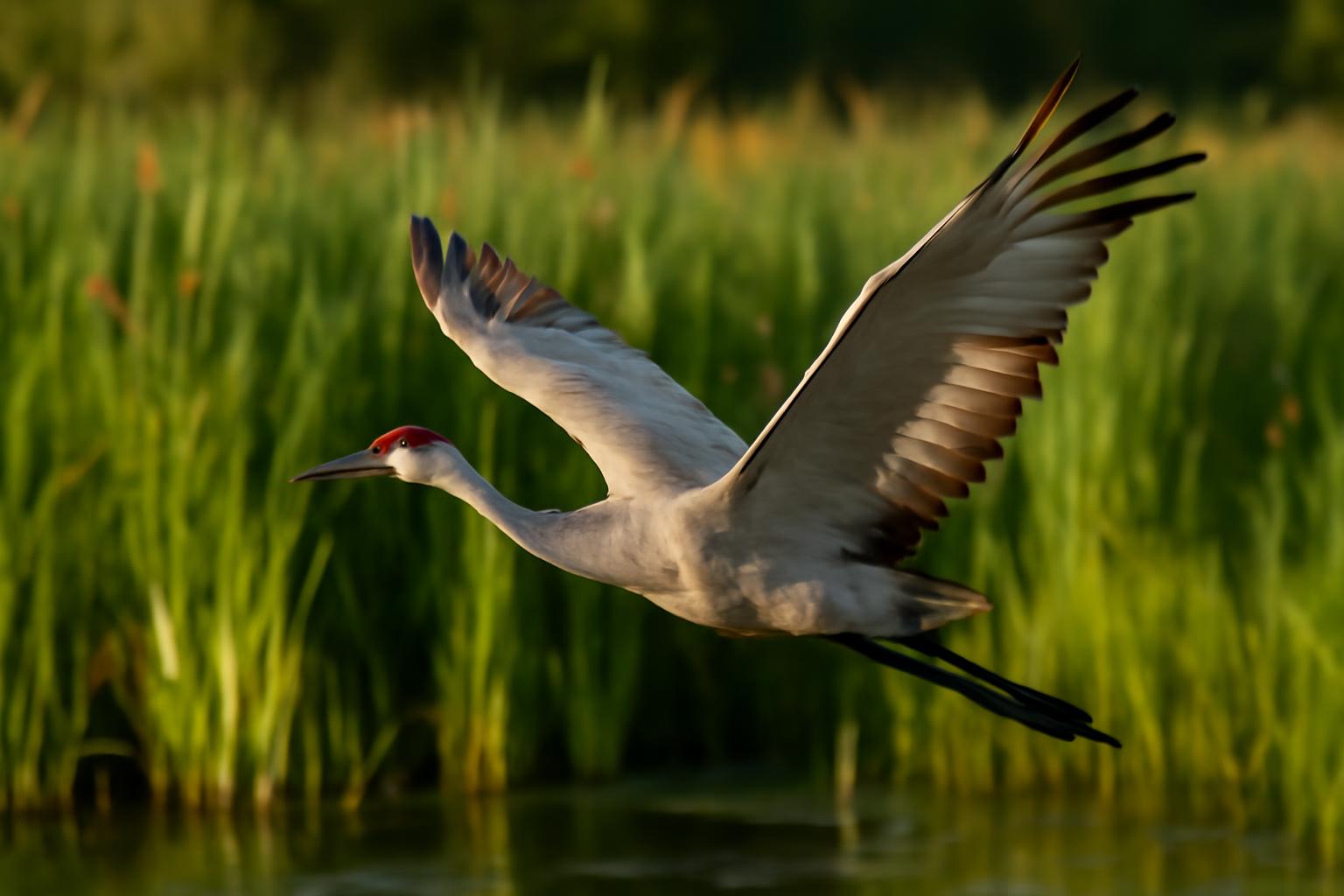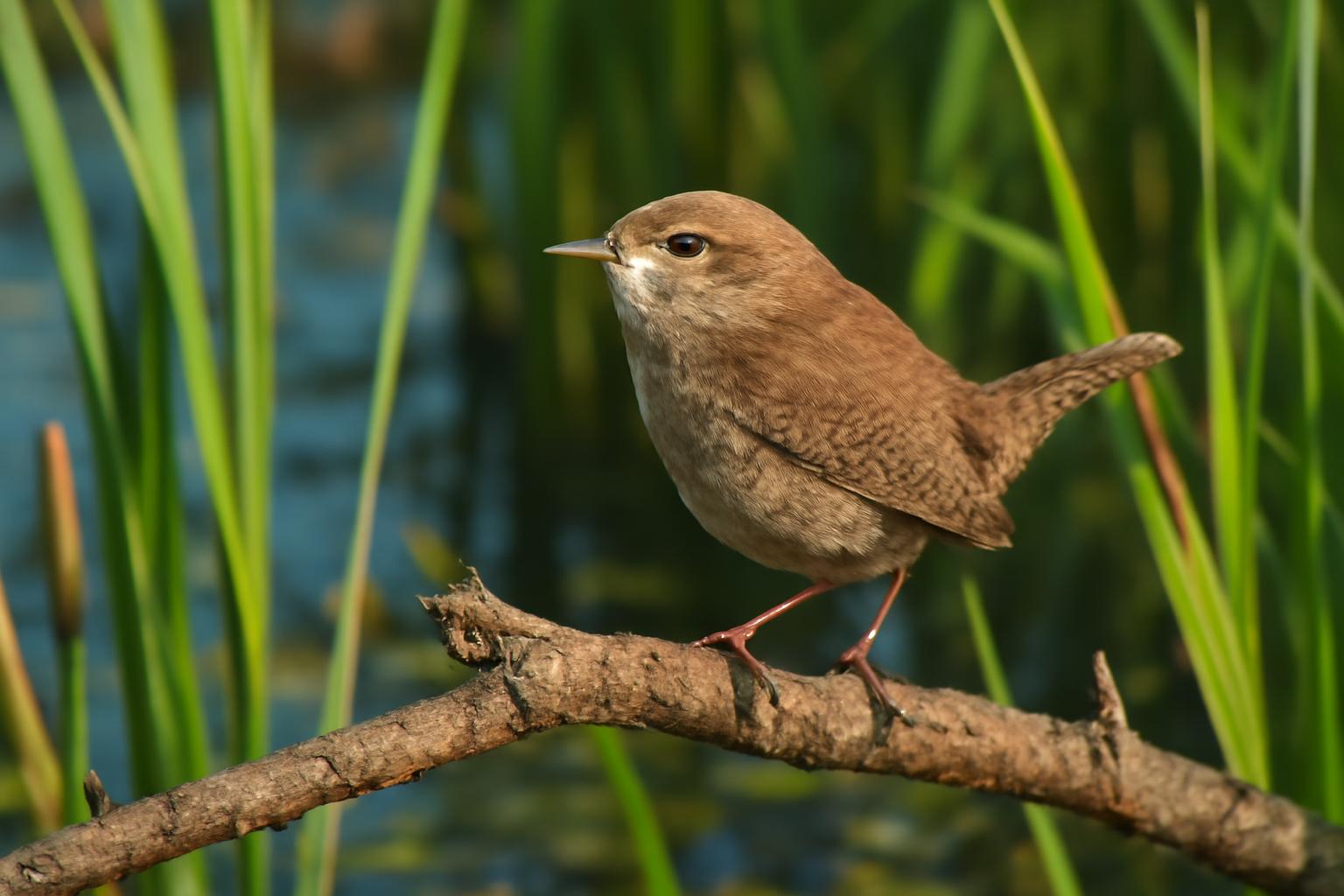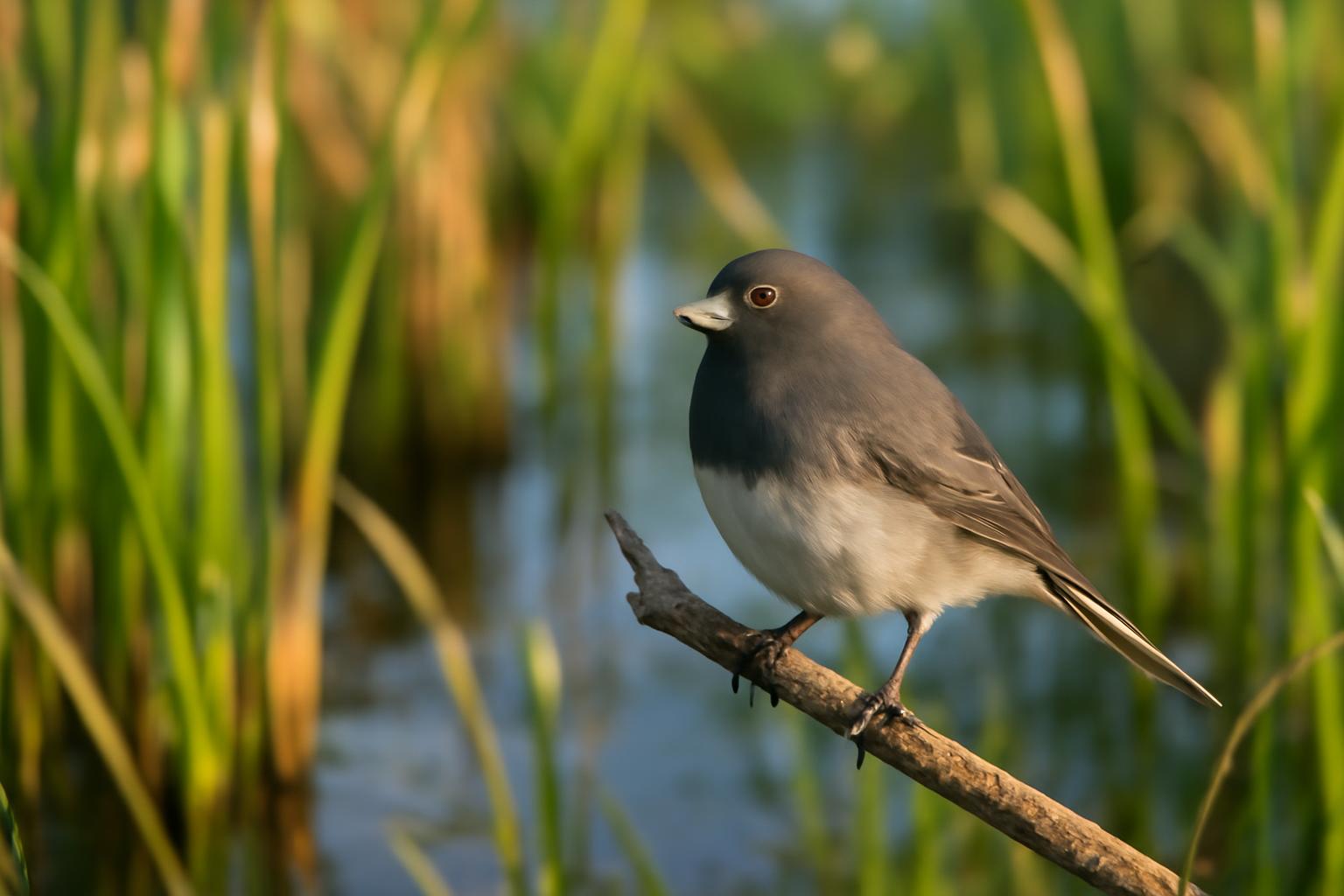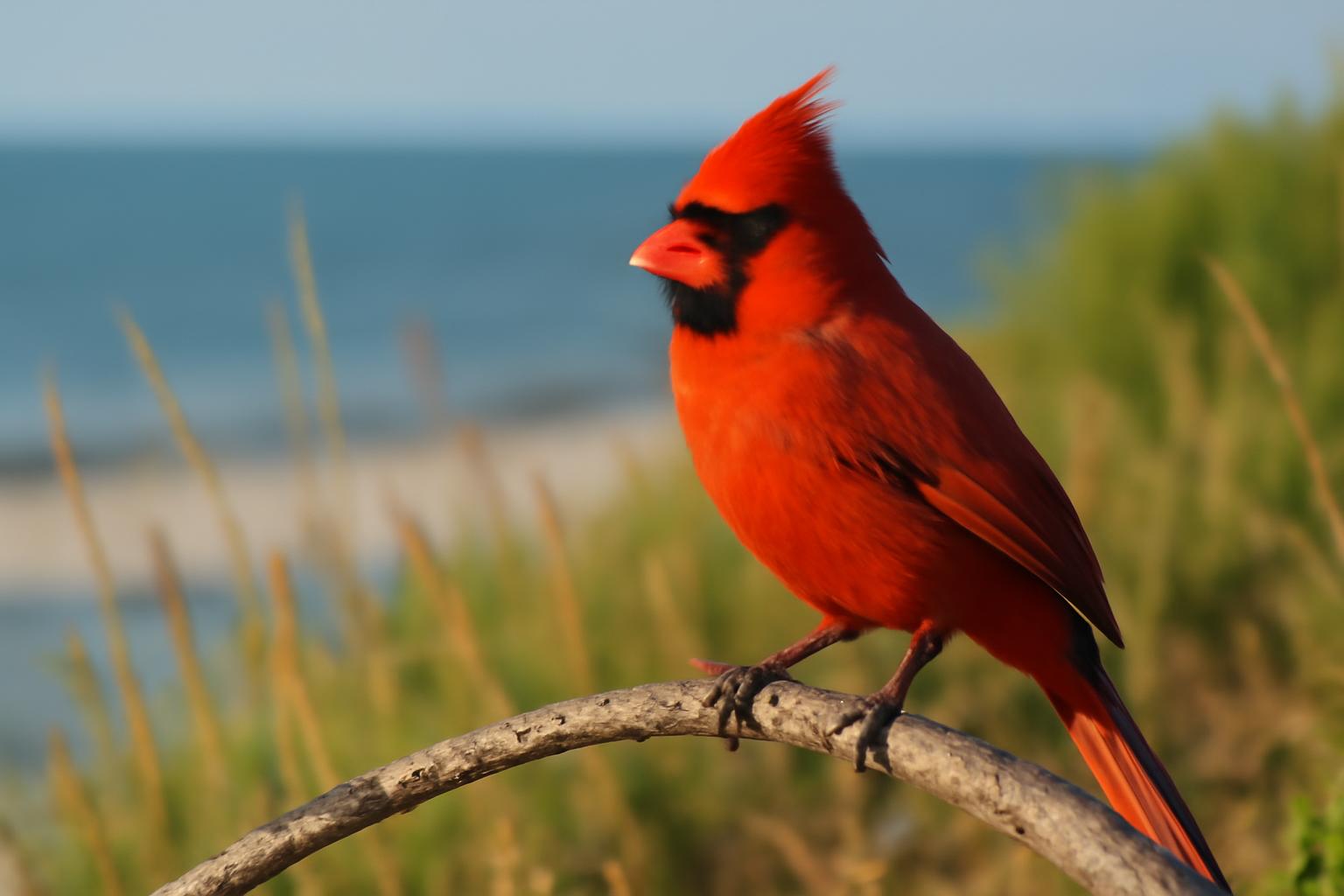
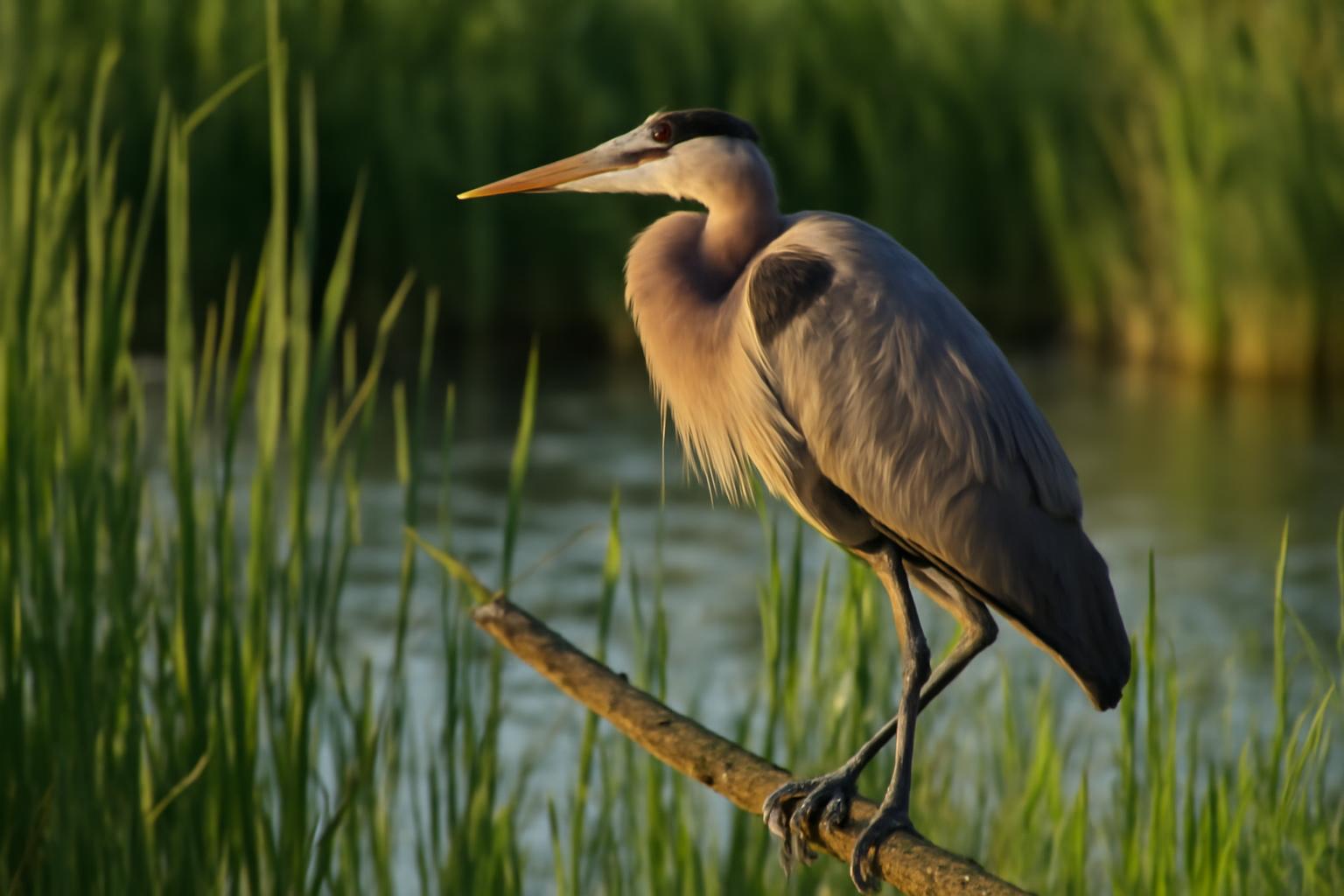
House Wren, Pileated Woodpecker & Cooper's Hawk: Field ID Guide
Three birds, three completely different identification challenges. Here's how to read each one accurately in Florida's layered habitats — from backyard tangles to old-growth cypress.
AI Educational Bird Explainers
Five AI analytical lenses turn bird research, conservation news, and field-guide knowledge into accessible explainers with transparent sourcing and verification notes.

Three birds, three completely different identification challenges. Here's how to read each one accurately in Florida's layered habitats — from backyard tangles to old-growth cypress.

The marsh edges have gone quieter in some corners of the Great Lakes. Here's how to identify three birds that depend on the habitats wetland conservation dollars are fighting to protect.

Field marks get you close. Behavior closes the deal. Here's how to use what birds do — not just how they look — to make confident identifications in the field.

Why do two of the most conspicuous birds on working rangelands get misidentified so often? Understanding Barn Owl and Killdeer field marks turns every pasture scan into a richer experience.

Four birds define the layered ecology of western rangelands and woodland edges. Here's how to identify each one confidently — and what their presence reveals about habitat health.

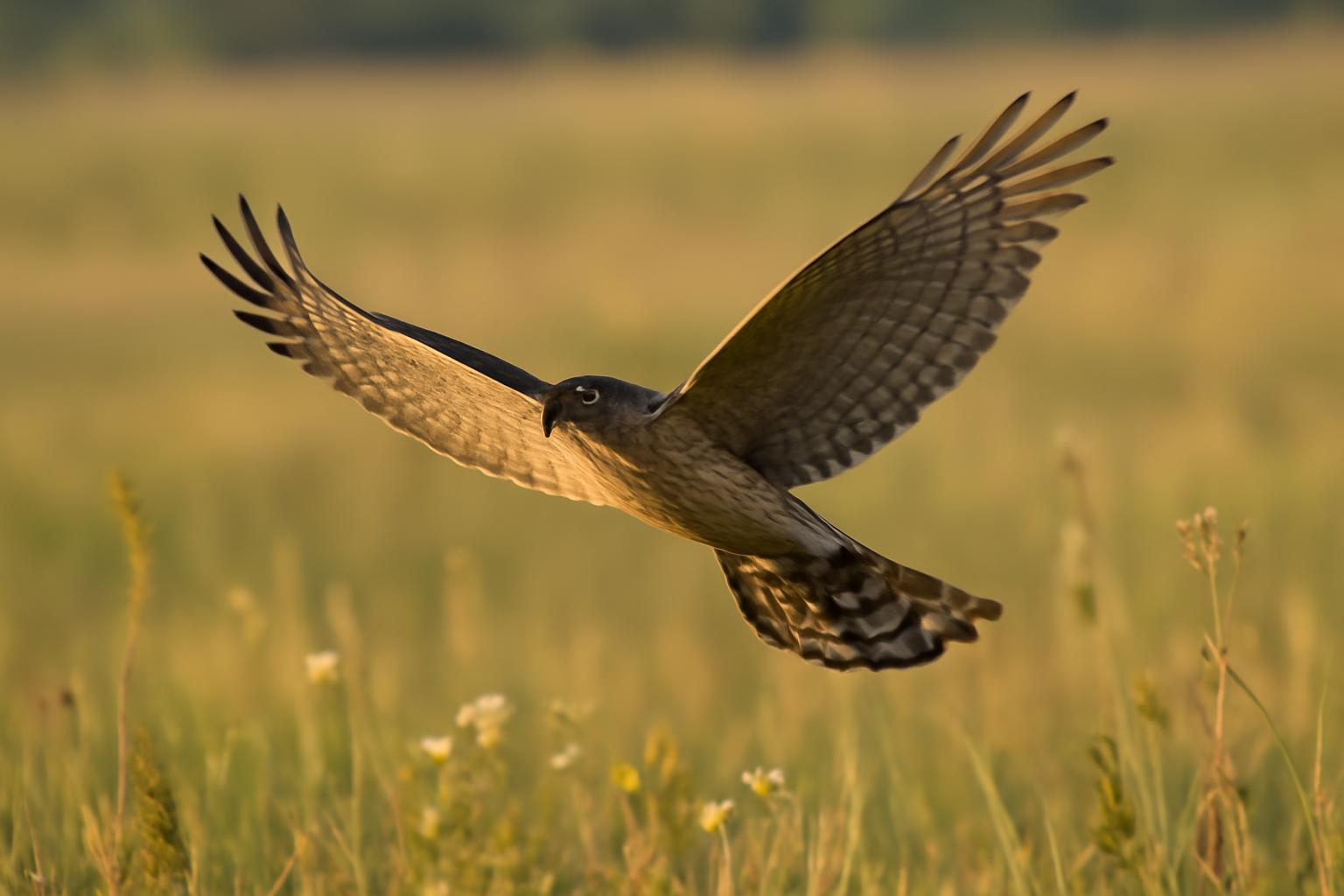
Cooper's Hawk and Barn Owl overlap in riparian corridors across North America, hunting the same low-light edges from opposite sides of the forest-grassland boundary. This field guide breaks down the structural, behavioral, vocal, and habitat cues that separate them — and the species most likely to cause confusion along the way.

Every red, orange, blue, and iridescent sheen you see through binoculars is the product of specific chemistry, physics, or evolutionary strategy. Seven species—spanning the visible spectrum—reveal how color-production mechanisms work at the feather level and why that knowledge sharpens field identification.

Eastern Bluebirds, Rose-breasted Grosbeaks, Canada Geese, and Painted Buntings serve as reliable indicators of conservation success. Learning to identify these species helps birders contribute meaningful data to habitat restoration monitoring efforts.

Twenty-seven million acres of Conservation Reserve Program lands support recovering grassland bird populations. Learn to identify three key species that showcase conservation success on restored agricultural habitat.

Florida's recent legislative session delivered mixed results for Everglades restoration and the wading birds that depend on this critical ecosystem. While $645 million flows to restoration projects, concerning policy changes threaten the long-term habitat security that species like Great Blue Heron, Wood Stork, and Roseate Spoonbill require for survival.

A 126-year-old essay from Bird-Lore magazine contains the most practical advice for leading successful birding groups—and modern research confirms why Bailey's psychology-based approach works better than high-tech alternatives.