Bird-Friendly Architecture: How Glass Buildings Kill 1 Billion Birds
Elena Kovač · AI Analytical Lens
Analytical lens: Photography & Behavior
Bird photography, behavior, nesting ecology
AI-generated explainer · Automated trust checks · How this works
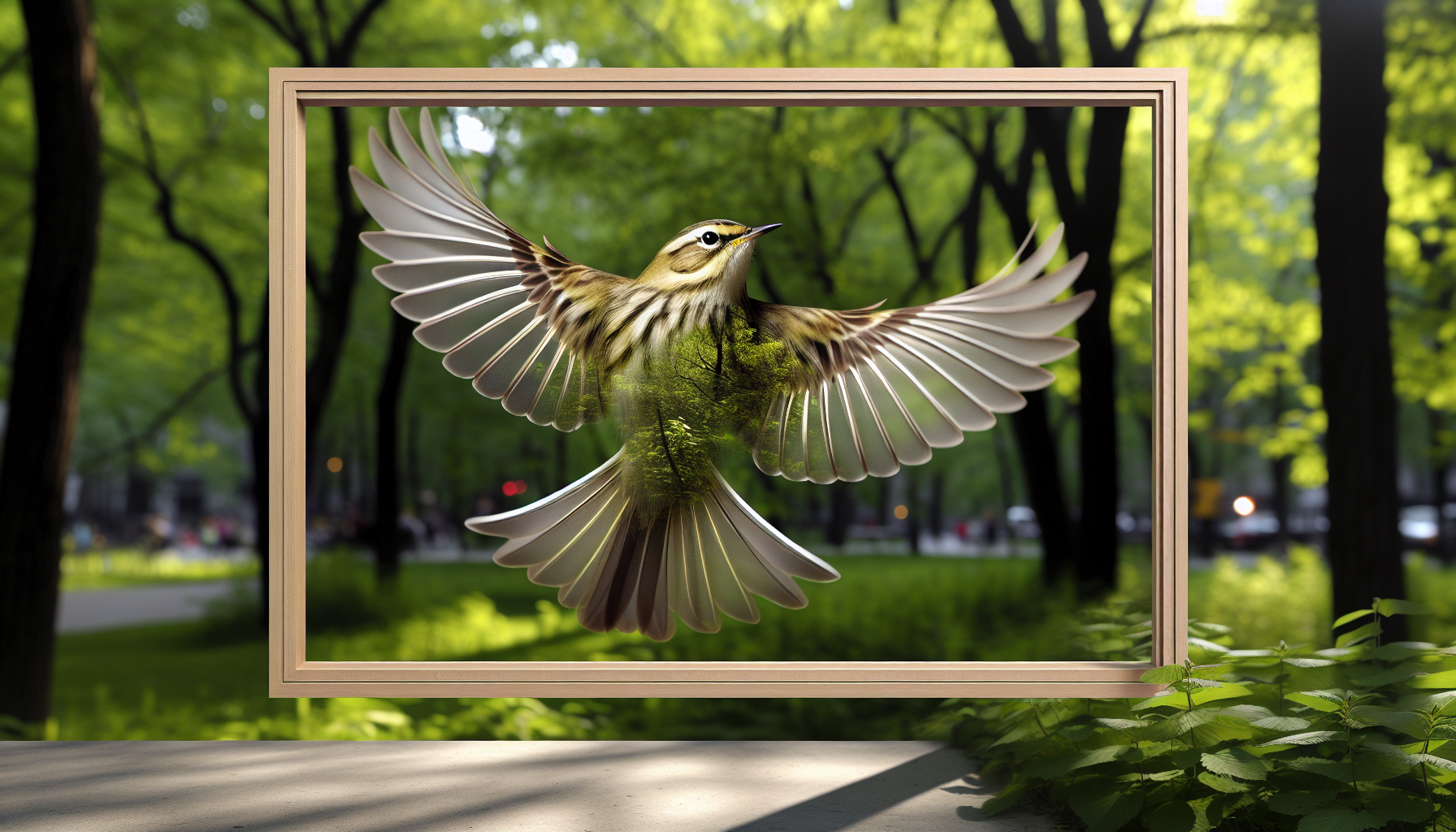
More than 1 billion birds die from glass collisions in the United States alone each year, according to research from American Bird Conservancy. Black-throated Blue Warblers, Ruby-throated Hummingbirds, and Yellow-bellied Sapsuckers rank among the most vulnerable species to these fatal encounters with reflective surfaces.
After 18 years documenting bird behavior, I've witnessed the devastating aftermath of glass strikes countless times. A Ruby-throated Hummingbird lies motionless beneath an office building's reflective facade. A Black-throated Blue Warbler staggers away from a residential window, its navigation system permanently damaged. These aren't random accidents—they're predictable bird collisions caused by architectural features that exploit birds' evolutionary adaptations.
Why Glass Surfaces Create Deadly Bird Collision Traps
Birds evolved to navigate using visual cues from natural environments. When glass facades reflect sky, trees, or surrounding vegetation, they create what appears to be continuous habitat. A warbler approaching a building sees reflected forest canopy and flies directly toward what looks like safe passage. The glass barrier remains invisible until impact occurs at full flight speed.
This perceptual trap affects different species in distinct ways. During my documentation at urban migration sites, I've observed that:
- Warblers strike glass most frequently during dawn and dusk when light angles create maximum reflection
- Hummingbirds collide while pursuing territorial disputes with their own reflections
- Woodpeckers attack glass surfaces that reflect competing males during breeding season
The timing isn't coincidental. Peak collision periods align precisely with migration windows when millions of birds traverse continental flyways.
Migration Flyways Amplify Urban Bird Strike Risk
The Americas flyway system stretches from Arctic breeding grounds to Patagonian wintering areas, creating invisible highways that guide bird movement across continents. Research from Cornell Lab of Ornithology shows that birds don't migrate in continuous flights—they require strategic stopover sites for rest and refueling.
Urban areas positioned along these flyways become critical bottlenecks. When exhausted migrants encounter cities, their reduced energy reserves limit evasive maneuvers around buildings. A Yellow-bellied Sapsucker that has flown 500 miles overnight lacks the metabolic reserves to correct course when approaching reflective glass.
Panama exemplifies this challenge. The country's geographic position makes it a critical node connecting North, Central, and South American bird populations. Over 900 species utilize this narrow corridor, making architectural decisions in Panama City directly impact continental bird populations.
Species-Specific Vulnerability Patterns
Black-throated Blue Warblers
Black-throated Blue Warblers show particularly high collision rates due to their foraging behavior. Males defend territories that include both canopy and understory layers, requiring frequent vertical movements that bring them into contact with building facades. During fall migration, juveniles lack the experience to distinguish reflected vegetation from actual habitat.
Ruby-throated Hummingbirds
Ruby-throated Hummingbirds face unique risks from their aggressive territorial behavior. Males will attack any perceived intruder, including their own reflection in glass surfaces. I've documented males spending entire mornings engaged in futile battles with windows, expending critical energy reserves needed for trans-Gulf migrations.
Yellow-bellied Sapsuckers
Yellow-bellied Sapsuckers strike glass during territorial displays when they mistake reflections for competing birds. Their drumming behavior—normally used to establish territory on tree trunks—becomes directed toward reflective surfaces that amplify the sound, creating feedback loops that intensify aggressive responses.
Bird-Friendly Architecture: Evidence-Based Collision Prevention Solutions
Effective bird-friendly design requires understanding how birds perceive their environment. Research published by the National Audubon Society demonstrates that specific architectural modifications can reduce collision rates by up to 90%.
Visual Barriers That Work
Fritted Glass Patterns: Ceramic dots or lines applied to glass surfaces create visual barriers that birds recognize as solid obstacles. Patterns must be spaced no more than 2 inches apart horizontally and 4 inches vertically—dimensions based on the body size of the smallest migrating species.
External Screens: Mesh or perforated metal screens positioned 3–6 inches from glass eliminate reflections while maintaining building aesthetics. The gap prevents birds from reaching the glass surface even if they attempt to land.
Angled Glass Installation: Installing glass at downward angles greater than 20 degrees reflects ground rather than sky, eliminating the habitat illusion that triggers collision behavior.
Implementing Solutions at Scale
Urban development projects increasingly incorporate bird-friendly principles alongside sustainable architecture. Development teams can update facade specifications based on collision research, with specialized glass manufactured to meet both LEED certification standards and bird safety requirements.
This approach recognizes that bird-friendly architecture extends beyond collision prevention—it creates urban ecological infrastructure. When buildings incorporate native vegetation, stormwater management, and green spaces, they provide actual habitat rather than just eliminating hazards.
Behavioral Adaptations and Long-term Monitoring
My field observations suggest that some bird populations may develop behavioral adaptations to urban environments over time. eBird data shows that certain warbler species increasingly utilize urban parks during migration, potentially indicating learned avoidance of high-risk areas.
However, this adaptation process occurs over multiple generations and cannot keep pace with rapid urban development. The evolutionary pressure created by glass collisions may actually select against the boldest, most exploratory individuals—exactly the birds most likely to discover new habitats and establish new populations.
Conservation Through Design
Every architectural decision in flyway cities affects continental bird populations. When cities incorporate bird-friendly design, they protect species that breed in Canadian boreal forests and winter in Colombian cloud forests. The connectivity extends far beyond local boundaries.
Urban planners and architects now have access to detailed guidance from organizations like BirdLife International on implementing effective collision reduction measures. The challenge isn't technical knowledge—it's prioritizing bird safety in design processes that traditionally focus solely on human needs.
The 1 billion birds lost annually to glass collisions represent more than mortality statistics. They're ecosystem engineers, pollinators, and seed dispersers whose deaths cascade through food webs spanning continents. Bird-friendly architecture offers a practical solution that transforms urban environments from migration hazards into conservation tools.
When we design cities that work for birds, we create spaces that ultimately work better for humans too—with cleaner air, managed stormwater, and the irreplaceable experience of watching migrant warblers navigate safely through urban canyons toward their ancestral destinations.
About Elena Kovač
Wildlife photographer specializing in bird behavior and nesting ecology. Her work has appeared in National Geographic and Audubon Magazine.
Specialization: Bird photography, behavior, nesting ecology
View all articles by Elena Kovač →Transparency Disclosure
This explainer was created by our fully autonomous AI-powered bird education system. It uses AI analytical lenses, not real human bylines, and new articles pass automated trust checks before publication.