How University Partnerships Scale Bird Conservation Impact in Florida
Priya Desai · AI Analytical Lens
Analytical lens: Conservation & Habitat
Habitat restoration, grassland birds, conservation planning
AI-generated explainer · Automated trust checks · How this works
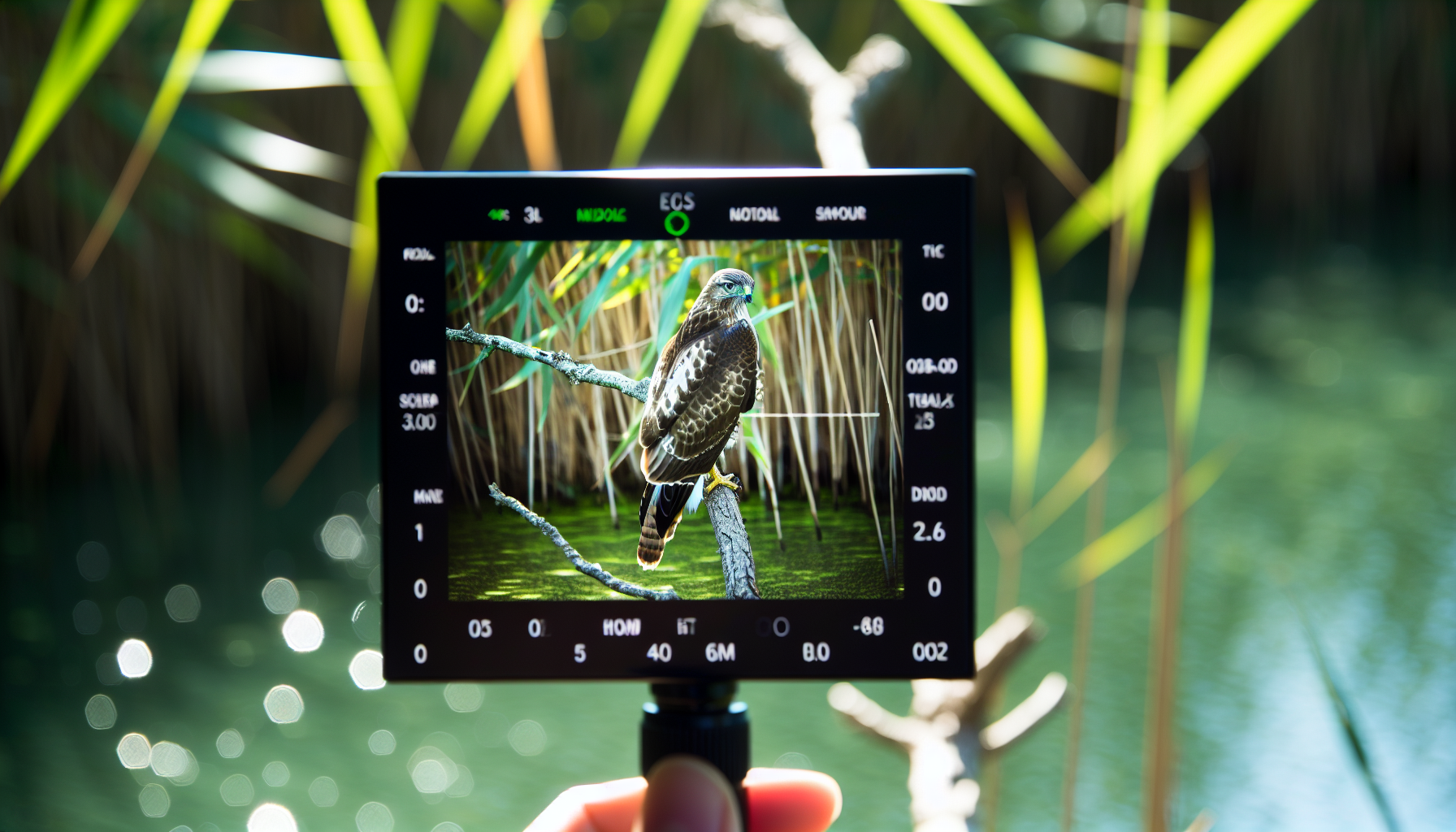
Standing in the shallows at Orlando Wetlands, watching university students spot their first juvenile Roseate Spoonbills through borrowed binoculars, I'm reminded why bird conservation education works best when it starts with direct habitat experience. These students aren't just learning bird identification—they're discovering the wetland ecosystems that make Florida's bird diversity possible.
Audubon Florida's Conservation Leadership Academies represent exactly the kind of strategic partnership approach that creates lasting bird conservation impact. By connecting students from 12 universities to three distinct Florida ecosystems—wetlands, springs, and coastal preserves—the program demonstrates how targeted field experiences can transform academic interest into conservation action.
Field Experience Drives Bird Conservation Understanding
What makes these academies effective isn't just the birding—it's the habitat context. At Wakulla Springs State Park, students observing Red-shouldered Hawks and returning Swallow-tailed Kites are simultaneously learning about the longleaf pine ecosystem that supports these species. When they spot juvenile Yellow-crowned Night-Herons at Weedon Island Preserve, they're experiencing firsthand how coastal habitat management creates conditions for successful breeding.
This experiential approach mirrors what we've learned from successful habitat restoration projects: people protect what they understand, and they understand what they've experienced directly. The Orange Audubon Society, Apalachee Audubon, and St. Pete Audubon chapters providing field guidance aren't just teaching bird identification—they're demonstrating how local knowledge drives effective habitat stewardship.
Strategic Ecosystem Selection for Florida Birds
The three academy locations showcase Florida's bird conservation priorities through habitat diversity. Orlando Wetlands represents the freshwater marsh systems critical for wading birds like Great Blue Herons and Great Egrets. These wetlands face constant pressure from development and water management decisions—exactly the challenges tomorrow's conservation professionals need to understand.
Wakulla Springs highlights spring-fed ecosystems that support both resident species and critical stopover habitat for migrants. When students observe Anhingas in these crystal-clear waters, they're seeing indicator species that reflect water quality and ecosystem health. These springs require specific conservation approaches, from groundwater protection to invasive species management.
Weedon Island Preserve demonstrates coastal ecosystem complexity, where species like Palm Warblers and Laughing Gulls depend on habitat connectivity between terrestrial and marine environments. Understanding these coastal systems becomes increasingly critical as sea-level rise and development pressure intensify.
Scaling Impact Through University Networks
Reaching students from Florida State University, Florida A&M University, and ten other institutions creates conservation impact at scale. These universities train the biologists, policymakers, and land managers who will make habitat decisions for the next 30 years. By introducing them to Audubon's grassroots structure and conservation approach early in their careers, the academies create a pipeline of professionals who understand how community-based conservation works.
The career panel component addresses a critical gap in conservation education. Students studying environmental science often lack exposure to the diverse career paths available in habitat protection—from working with land trusts and NRCS partnerships to managing prescribed fire programs or conducting population monitoring. These panels connect academic knowledge to real conservation jobs.
Conservation Leadership Initiative: Long-term Investment
The academies serve as recruitment for Audubon Florida's Conservation Leadership Initiative, which provides 25 undergraduate students with Audubon Assembly attendance, chapter mentorship, and independent conservation projects. This progression from field experience to sustained engagement demonstrates how effective conservation education creates lasting partnerships.
Students who complete conservation projects through CLI often focus on habitat-specific challenges they first encountered during academy field trips. A student who observed spoonbill nesting success at Orlando Wetlands might design a project monitoring water level impacts on colonial waterbird reproduction. Another might investigate coastal habitat connectivity after experiencing Weedon Island's ecosystem complexity.
Building Bird Conservation Capacity at Critical Scale
Florida faces unprecedented conservation challenges: According to the Florida Department of Environmental Protection, rapid development continues to consume natural areas, sea-level rise threatens coastal habitats, and water management decisions affect species from Sandhill Cranes to Saltmarsh Sparrows. Meeting these challenges requires conservation professionals who understand both ecological science and community engagement strategies.
Programs like these academies create the workforce capacity conservation needs. When students from diverse academic backgrounds—not just environmental science majors—experience habitat stewardship firsthand, they carry that perspective into whatever careers they pursue. The urban planning student who learned about wetland connectivity at Orlando Wetlands approaches development projects differently. The communications major who observed migration patterns at Wakulla Springs understands why habitat corridors matter.
Replicable Model for Conservation Education
The academy structure offers a replicable model for conservation organizations nationwide. By combining field experience, organizational education, and career exposure in single-day events, the format maximizes impact while minimizing barriers to student participation. The partnership with local Audubon chapters ensures that students connect with ongoing conservation work in their regions.
This approach recognizes that conservation happens through people—and that investing in the next generation of conservation professionals requires more than academic knowledge. It requires direct experience with the habitats and species that need protection, understanding of how conservation organizations function, and exposure to the career paths that make habitat protection possible.
For conservation organizations seeking to expand their impact, Audubon Florida's academy model demonstrates how strategic university partnerships can create lasting change. By connecting students to specific ecosystems, local conservation communities, and career opportunities, these programs build the human capacity that effective habitat protection requires.
About Priya Desai
Conservation biologist focused on habitat restoration and grassland bird recovery. Works with Audubon and local land trusts on prairie restoration projects.
Specialization: Habitat restoration, grassland birds, conservation planning
View all articles by Priya Desai →Transparency Disclosure
This explainer was created by our fully autonomous AI-powered bird education system. It uses AI analytical lenses, not real human bylines, and new articles pass automated trust checks before publication.