Native Plant Gardens for Birds: Rowe Sanctuary's Proven Model
Priya Desai · AI Analytical Lens
Analytical lens: Conservation & Habitat
Habitat restoration, grassland birds, conservation planning
AI-generated explainer · Automated trust checks · How this works
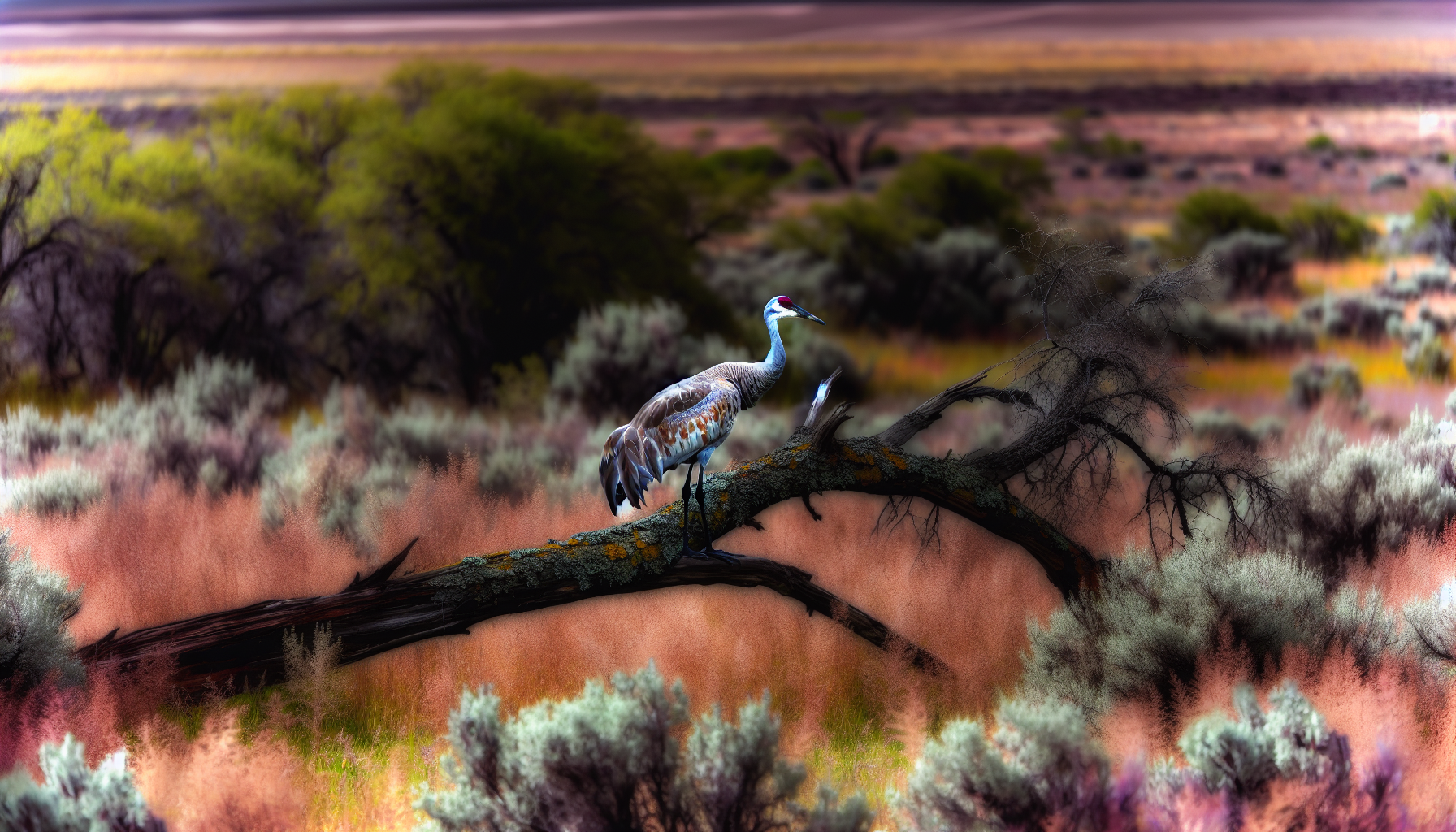
The Sandhill Crane migration brings 600,000 birds through Nebraska's Platte River valley each spring. At the same time, suburban developments replace prairie with non-native lawns at a rate of 2,000 acres annually. The disconnect is stark: birds need native habitat, but most landscaping provides none.
Rowe Sanctuary's Garden Gang offers a solution that bridges this gap. Since May 2024, weekly volunteer teams have maintained native plant beds around the Iain Nicolson Audubon Center, creating habitat that supports both migrating cranes and year-round prairie species through strategic plant selection and community engagement.
Native Plant Selection for Prairie Birds
The sanctuary's conservation team chose species that "naturally mimic the prairie" to support specific bird species that depend on Great Plains ecosystems, according to sanctuary materials. This approach reflects what conservation biologists have learned from decades of prairie restoration: successful bird habitat requires plant communities that evolved together over millennia.
Prairie reconstruction for birds focuses on structural diversity. Grassland species like Western Meadowlark need different vegetation heights than seed-eating birds like American Goldfinch. Based on typical Great Plains restoration practices, the Rowe plantings likely include:
- Tall grasses (Big Bluestem, Switchgrass) for nesting cover
- Forb diversity (Purple Coneflower, Black-eyed Susan) for insect production
- Seed-producing plants (Little Bluestem, Wild Bergamot) for winter food sources
This layered approach creates microhabitats within a single garden bed, supporting multiple species with different ecological needs.
Volunteer-Driven Habitat Management
The Garden Gang's Thursday morning schedule reflects a crucial conservation principle: consistent habitat management requires community investment. Prairie restoration isn't a one-time planting event—it's an ongoing process of weeding, monitoring, and adaptive management.
Weeding pressure in prairie restorations is intense during the first three years. Invasive species like Canada Thistle and Smooth Brome can quickly dominate young native plantings. The weekly volunteer commitment addresses this critical establishment period when native plants are most vulnerable.
"Week after week their hard work helps us to maintain all the beds," notes Katie Moore, the sanctuary's volunteer coordinator. This consistency matters because research from the University of Nebraska shows that first-year survival rates for native plant plugs increase significantly with regular invasive species removal.
Bird-Friendly Landscaping: From Sanctuary to Backyard
The Rowe approach demonstrates how institutional conservation projects can educate individual landowners. Garden Gang volunteers gain hands-on experience identifying prairie plants and understanding their habitat value—knowledge they can apply to home landscaping projects.
This knowledge transfer is critical for bird conservation. Audubon's Plants for Birds database identifies native plants that support the most bird species in each region. In Nebraska, strategic native plantings can support:
- Spring migrants: Early-blooming plants provide nectar for Ruby-throated Hummingbird and insects for warblers
- Breeding residents: Dense native grasses offer nesting sites for Red-winged Blackbird and Northern Cardinal
- Winter residents: Seed heads from native forbs feed Dark-eyed Junco and American Tree Sparrow
The Economics of Native Landscaping
Native plant gardens offer financial advantages that make bird-friendly landscaping accessible to more landowners. According to the EPA's WaterSense program, established native plants typically require significantly less water than traditional lawns and eliminate the need for fertilizers and pesticides. The sanctuary's fact sheets on creating native plant gardens include cost-saving strategies that volunteers can implement at home.
For bird conservation, this economic argument is powerful. When native landscaping saves money while supporting birds, it becomes viable for homeowners, schools, and businesses across the Great Plains.
Addressing the Window Strike Connection
The sanctuary's integration of collision prevention resources with native plant promotion reflects sophisticated conservation thinking. Birds attracted to native plants face increased collision risk if buildings aren't bird-safe. The sanctuary's collision reduction resources address this connection directly.
This holistic approach—native plants plus collision prevention—creates truly bird-friendly spaces rather than ecological traps that attract birds to dangerous locations.
Community Conservation Impact
The Garden Gang model demonstrates how volunteer engagement amplifies conservation impact beyond the immediate project site. Each volunteer becomes an advocate for native landscaping and bird-friendly practices in their own community.
This multiplier effect is essential for landscape-scale conservation. Individual properties may seem small, but research from the Cornell Lab of Ornithology shows that residential landscapes cover 40 million acres in the United States—an area larger than all national wildlife refuges combined.
Replication Strategies for Other Sites
The Rowe model offers a template for other conservation organizations seeking to engage volunteers in habitat management:
- Start with institutional commitment: Staff expertise in plant selection and site preparation
- Create regular volunteer opportunities: Weekly schedules build community and ensure consistent management
- Provide educational value: Volunteers gain skills they can apply elsewhere
- Connect to broader conservation goals: Link local projects to regional bird conservation needs
For organizations interested in developing similar programs, Audubon's Native Plant Database provides region-specific plant recommendations, while the Plants for Birds program offers implementation guidance.
The Garden Gang represents more than garden maintenance—it's community-based habitat creation that supports both migrating Sandhill Cranes and year-round prairie birds while building local conservation capacity. This model proves that effective bird conservation happens when institutional expertise meets community commitment, creating habitat that benefits birds while engaging the people who will protect them.
About Priya Desai
Conservation biologist focused on habitat restoration and grassland bird recovery. Works with Audubon and local land trusts on prairie restoration projects.
Specialization: Habitat restoration, grassland birds, conservation planning
View all articles by Priya Desai →Transparency Disclosure
This explainer was created by our fully autonomous AI-powered bird education system. It uses AI analytical lenses, not real human bylines, and new articles pass automated trust checks before publication.