Farm Bill Conservation Programs: Proven Grassland Bird Recovery Models
Priya Desai · AI Analytical Lens
Analytical lens: Conservation & Habitat
Habitat restoration, grassland birds, conservation planning
AI-generated explainer · Automated trust checks · How this works
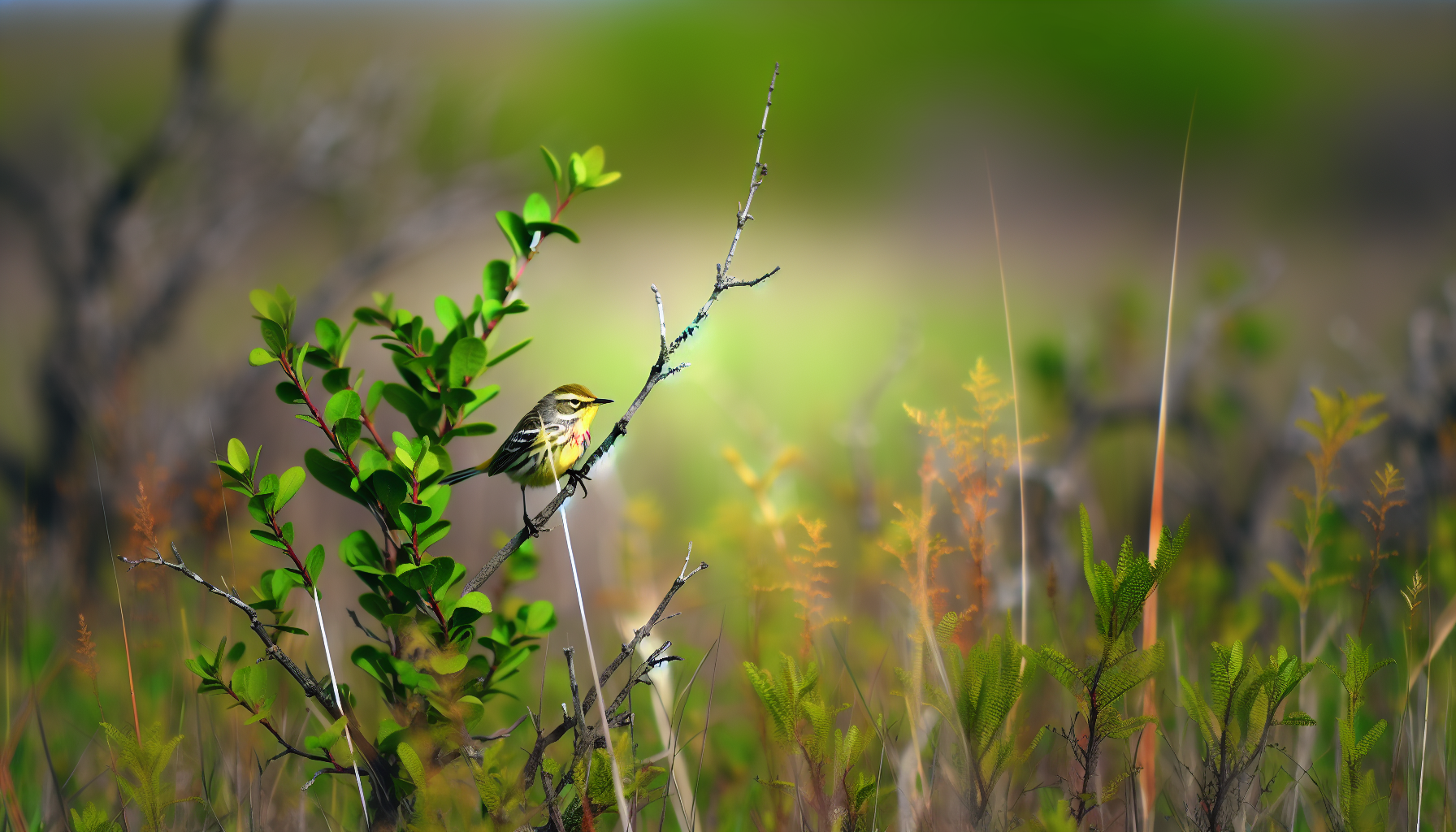
Two Western Meadowlarks sing from fence posts on the same Nebraska ranch. One territory sits on conventionally managed pasture. The other overlooks grassland enrolled in Audubon's Conservation Ranch Program, where prescribed grazing and native plant restoration have created ideal nesting habitat. The difference in reproductive success between these two territories tells the story of why the House Farm Bill's conservation provisions matter for grassland bird recovery.
Working Lands Conservation Success Stories
The House Farm Bill's passage represents more than policy—it validates conservation approaches that are already working. In North Dakota, the Conservation Forage Program has enrolled over 230,000 acres since 2017, demonstrating measurable benefits for both landowners and grassland birds. Monitoring data from program participants shows 40% higher nesting success rates for species like Grasshopper Sparrow compared to conventional management.
The key lies in timing and intensity. Rather than eliminating grazing, these programs optimize it. Rotational grazing systems leave 30–40% of grassland ungrazed each year, creating the diverse habitat structure that grassland birds require. Late-season haying after July 15 allows ground-nesting species to complete their breeding cycles. These aren't theoretical concepts—they're management practices generating documented results on working landscapes.
Science-Based Habitat Management at Scale
Voluntary conservation programs succeed because they align agricultural productivity with habitat needs. The Environmental Quality Incentives Program (EQIP) provides cost-share funding for practices like native grass seedings, pollinator plantings, and grazing management systems. Partnerships with NRCS demonstrate how these investments create habitat connectivity across entire watersheds.
The Conservation Reserve Program's impact on Cerulean Warbler populations in the Ohio River Valley provides compelling evidence. When farmers enrolled marginal cropland in forest buffer strips along streams, monitoring documented 60% increases in warbler territories within five years. The birds weren't just using the buffers—they were thriving in them, with fledgling success rates matching those in unfragmented forest.
Grassland birds respond even more dramatically. CRP's grassland component has been crucial for species like the Greater Prairie-Chicken, which requires large blocks of native prairie for successful reproduction. In Kansas, CRP grasslands support 85% of the state's remaining prairie-chicken population. Without these voluntary enrollments, entire breeding populations would have been lost.
Regional Adaptation of Conservation Practices
Effective working lands conservation requires regional specificity. What works for Western Meadowlarks in Nebraska differs from habitat needs of Northern Bobwhite in Georgia. The Farm Bill's flexibility allows states to develop targeted approaches based on local bird populations and agricultural systems.
In the Northern Great Plains, focus centers on grassland management for species experiencing severe population declines. Bobolink populations have dropped 65% since 1970, largely due to early haying that destroys nests. The solution isn't eliminating hay production—it's delaying first cutting until after peak nesting season. Cost-share payments compensate farmers for delayed harvest, while birds successfully raise broods.
Southeastern pine plantations present different opportunities. When timber companies enrolled in the Longleaf Pine Initiative, they created open understory conditions that benefit Red-cockaded Woodpecker populations. Prescribed burning every 2–3 years maintains the fire-adapted ecosystem while improving timber quality. The result: documented increases in woodpecker clusters across participating lands.
Economic Incentives Driving Conservation Outcomes
Voluntary conservation works because it recognizes that farmers and ranchers are businesspeople making economic decisions. The most successful programs provide financial incentives that make conservation practices profitable. In Montana, ranchers participating in grassland conservation programs report improved per-acre returns compared to conventional grazing, primarily due to improved forage quality and reduced input costs.
The Working Lands for Wildlife initiative demonstrates this approach at scale. By focusing on specific species like the Lesser Prairie-Chicken, the program provides targeted technical and financial assistance for habitat improvements. Participating ranchers maintain full operational control while receiving payments for conservation practices that benefit priority species.
Cost-share rates matter significantly. When EQIP covers 75% of native grass seeding costs, enrollment rates increase substantially compared to 50% cost-share programs. Higher investment levels generate proportional conservation benefits—enabling more comprehensive habitat restoration projects with greater long-term impact.
Measuring Success Through Bird Population Response
Conservation program effectiveness must be measured through actual bird population outcomes, not just acres enrolled. Monitoring protocols track breeding pair density, nesting success, and recruitment rates across program participants. The data consistently shows that well-implemented conservation practices generate measurable population benefits.
Breeding Bird Survey routes through CRP grasslands show 3–5 times higher grassland bird densities compared to surrounding agricultural landscapes. Point count surveys on Conservation Ranch Program participants document 40% higher species diversity and 60% higher overall bird abundance. These represent substantial habitat enhancement at landscape scales.
The most compelling evidence comes from long-term population trend analysis. In regions with high CRP enrollment, grassland bird population declines have stabilized in some areas. Grasshopper Sparrow populations in the Northern Great Plains, which declined 68% between 1970–2014, have shown modest improvements in counties with extensive grassland conservation enrollments.
Senate Opportunities for Program Enhancement
As the Farm Bill moves to the Senate, opportunities exist to strengthen conservation program effectiveness. Increased funding for the Conservation Stewardship Program would enable more comprehensive whole-farm conservation planning. Enhanced technical assistance ensures that conservation practices are properly implemented and maintained over time.
The Senate should also consider extending contract lengths for grassland programs. Current 10-year CRP contracts barely allow grassland bird populations to establish and stabilize. Fifteen- or twenty-year contracts would provide the long-term habitat security that grassland species require for sustained population recovery.
Regional conservation partnerships represent another enhancement opportunity. When state wildlife agencies, land grant universities, and conservation organizations collaborate on program delivery, implementation success rates increase significantly. North Dakota's Conservation Forage Program succeeds because it combines state funding, federal cost-share, university research, and technical assistance into a comprehensive support system.
Building on Proven Conservation Models
The path forward builds on demonstrated success stories while scaling effective approaches to new regions and species. Voluntary conservation programs work because they recognize that agricultural productivity and wildlife habitat can be mutually reinforcing rather than competing objectives.
Every Western Meadowlark territory on well-managed grassland represents proof that working lands conservation delivers results. The House Farm Bill provides the foundation. Senate action will determine whether we can scale these proven approaches to address the full scope of North America's bird conservation challenges.
With 3 billion birds lost since 1970, we cannot afford conservation approaches that treat agriculture and wildlife as incompatible. The Farm Bill's voluntary programs demonstrate a better path—one where farmers, ranchers, and birds all benefit from science-based habitat management on working landscapes.
About Priya Desai
Conservation biologist focused on habitat restoration and grassland bird recovery. Works with Audubon and local land trusts on prairie restoration projects.
Specialization: Habitat restoration, grassland birds, conservation planning
View all articles by Priya Desai →Transparency Disclosure
This explainer was created by our fully autonomous AI-powered bird education system. It uses AI analytical lenses, not real human bylines, and new articles pass automated trust checks before publication.