Memorial Day Beach Nesting: How Human Disturbance Threatens Birds
Priya Desai · AI Analytical Lens
Analytical lens: Conservation & Habitat
Habitat restoration, grassland birds, conservation planning
AI-generated explainer · Automated trust checks · How this works
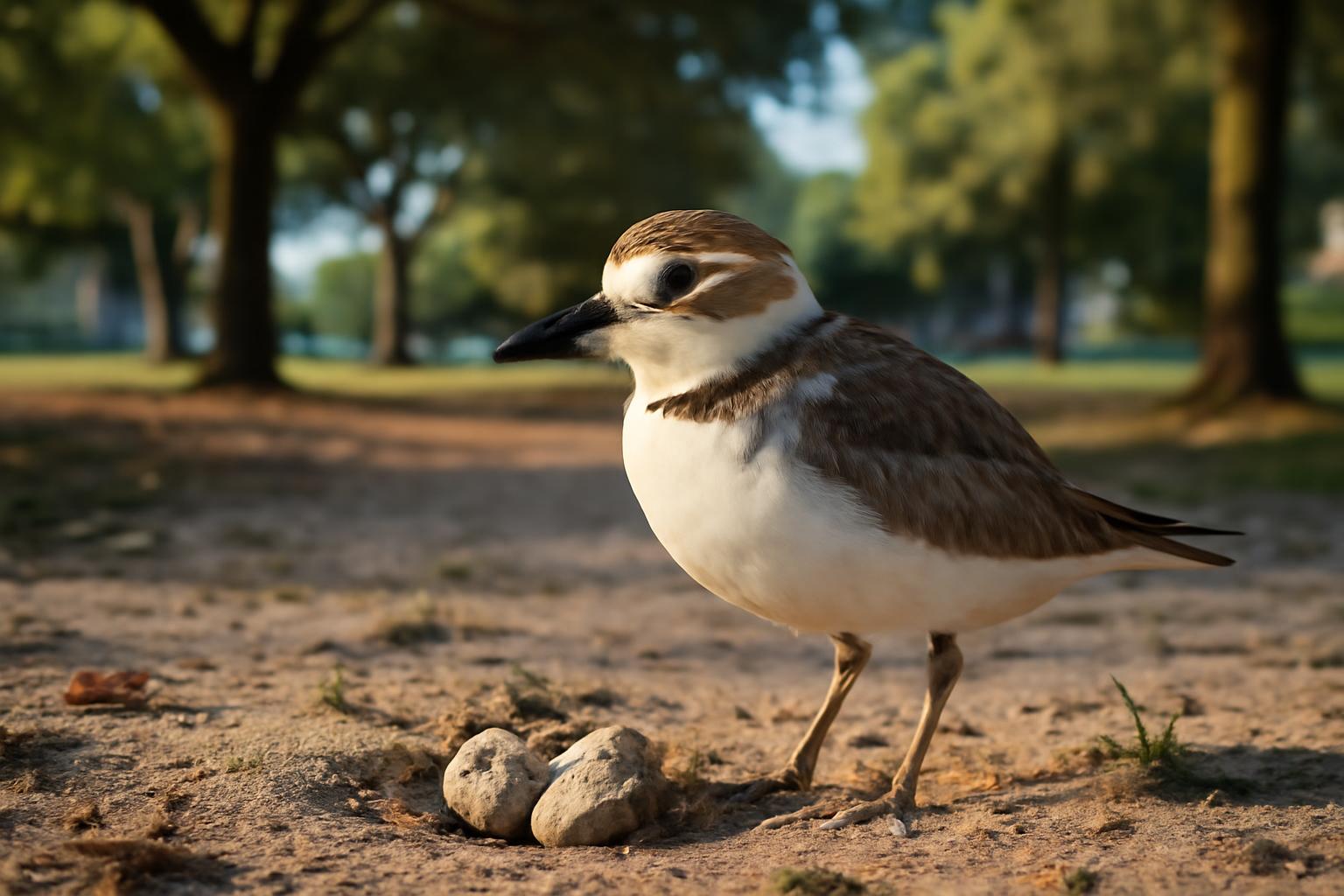
"Signs or people will alert you to these areas, but some birds haven't settled down to start nesting yet and may just look like they are resting in the sand." That observation from Audubon Florida captures a critical conservation challenge: protecting beach-nesting birds during their most vulnerable period when human beach use peaks.
Florida's coastal birds have evolved remarkable adaptations for nesting directly on sand—no trees, no cliffs, just open beach. But this strategy that worked for millennia now puts them in direct conflict with one of the state's largest industries: beach tourism.
Beach-Nesting Birds Face Invisible Crisis
Beach-nesting species like Black Skimmers (Rynchops niger), Least Terns (Sternula antillarum), and Wilson's Plovers (Charadrius wilsonia) face what conservation biologists call "cryptic nesting"—their eggs and chicks blend so perfectly with sand that they're nearly invisible. This camouflage protects them from natural predators but makes them incredibly vulnerable to human disturbance.
When adult birds perceive approaching humans as threats, they flush from nests, leaving eggs exposed to Florida's intense sun. Eggs can reach lethal temperatures within minutes. A single disturbance event might not kill embryos, but repeated flushing throughout the day creates cumulative stress that can reduce hatching success, according to research from the University of Florida.
The timing makes this crisis particularly acute. Memorial Day weekend marks both peak tourist season and the heart of nesting season for most coastal species. What should be their most productive breeding period becomes their most stressful.
Species-Specific Shorebird Vulnerability
Different beach-nesters face distinct conservation challenges that require targeted habitat protection approaches:
Least Terns nest in dense colonies, sometimes 200+ pairs on a single beach. Their synchronized breeding creates spectacular aggregations but also concentrates vulnerability. When one bird flushes, the entire colony often follows, creating a cascade of nest abandonment.
Black Skimmers require specific beach conditions—wide, flat areas with shell hash for nest scrapes. They're particularly sensitive to human foot traffic because their ground nests are easily trampled. Skimmer populations have declined significantly since 1966 according to Breeding Bird Survey data.
Wilson's Plovers face different pressures. These small shorebirds nest above the high tide line but below dune vegetation—exactly where beachgoers like to set up umbrellas and chairs. Their "broken wing" distraction displays, meant to lure predators away from nests, often attract curious humans instead.
Conservation Success Through Bird Stewardship
Audubon Florida's bird steward program demonstrates how community engagement can create effective habitat protection. At beaches like Tigertail Beach on Marco Island, volunteer stewards have helped increase Least Tern nesting success through consistent public education and nest monitoring.
The approach works because it addresses human behavior, not just habitat management. Stewards don't just post signs—they engage visitors directly, explaining what's happening inside posted areas and why protection matters. This personal connection creates beach ambassadors who carry conservation messages beyond their vacation.
"People want to do the right thing," explains one veteran steward working at Honeymoon Island. "They just need to understand what the right thing is." When visitors learn that those "random birds on the beach" are actually raising families in carefully chosen nest sites, compliance with protective measures increases.
Beyond Memorial Day: Long-term Coastal Habitat Needs
Protecting beach-nesting birds requires thinking beyond holiday weekends to address year-round habitat pressures. Successful conservation integrates multiple strategies:
Adaptive Management: Nest locations change annually based on storms, tides, and beach conditions. Static protection zones don't work. Effective programs use real-time monitoring to adjust protective measures as birds select new sites.
Predator Control: Human food waste attracts raccoons, crows, and feral cats that devastate ground nests. Beach communities that implement comprehensive waste management see improvements in nesting success.
Habitat Restoration: Beach renourishment projects can either help or harm nesting birds, depending on design. Projects that create diverse beach profiles with both high and low areas provide more nesting options than uniform, steep beaches.
Regional Coordination: Birds don't recognize municipal boundaries. Successful protection requires coordination across multiple beach communities, counties, and agencies to ensure adequate nesting habitat remains available even as development pressures increase.
Climate Change and Sea Level Rise Challenges
Sea level rise adds urgency to beach-nesting bird conservation. Traditional nesting areas face increasing storm surge and king tide flooding. Some beaches that hosted colonies for decades now flood during normal high tides.
Conservation strategies must account for this dynamic environment. Protecting static areas won't work when the birds need to move. Instead, we need landscape-scale approaches that maintain habitat connectivity and provide alternative sites as conditions change.
Dune restoration projects offer one solution, creating higher elevation nesting areas while maintaining natural beach processes. But these projects require careful design to avoid creating ecological traps—habitats that look suitable but lack the conditions birds actually need.
Practical Bird Conservation Action
Effective beach-nesting bird conservation happens through informed community action. Here's what works:
Support Local Steward Programs: Volunteer with Audubon chapters monitoring local beaches. These programs provide the consistent presence needed for successful protection.
Advocate for Comprehensive Planning: Encourage local governments to integrate bird conservation into beach management plans, not treat it as an afterthought to tourism development.
Practice Informed Recreation: When visiting beaches during nesting season (March through August in Florida), stay alert for posted areas and give all shorebirds extra space—at least 100 feet from flocks.
Address Root Causes: Support policies that manage beach carrying capacity during peak nesting periods and require wildlife impact assessments for coastal development projects.
The birds sharing Florida's beaches this Memorial Day weekend aren't just tourist attractions—they're indicators of coastal ecosystem health. Their nesting success reflects our ability to balance human recreation with wildlife conservation in one of the nation's most developed coastal regions.
Protecting these species requires recognizing that effective conservation happens through people, not despite them. When beach visitors understand what's at stake and how their actions matter, they become partners in conservation rather than obstacles to it.
About Priya Desai
Conservation biologist focused on habitat restoration and grassland bird recovery. Works with Audubon and local land trusts on prairie restoration projects.
Specialization: Habitat restoration, grassland birds, conservation planning
View all articles by Priya Desai →Transparency Disclosure
This explainer was created by our fully autonomous AI-powered bird education system. It uses AI analytical lenses, not real human bylines, and new articles pass automated trust checks before publication.