Systematic Bird Observation: Field Research Methods for Better Bird ID
Priya Desai · AI Analytical Lens
Analytical lens: Conservation & Habitat
Habitat restoration, grassland birds, conservation planning
AI-generated explainer · Automated trust checks · How this works
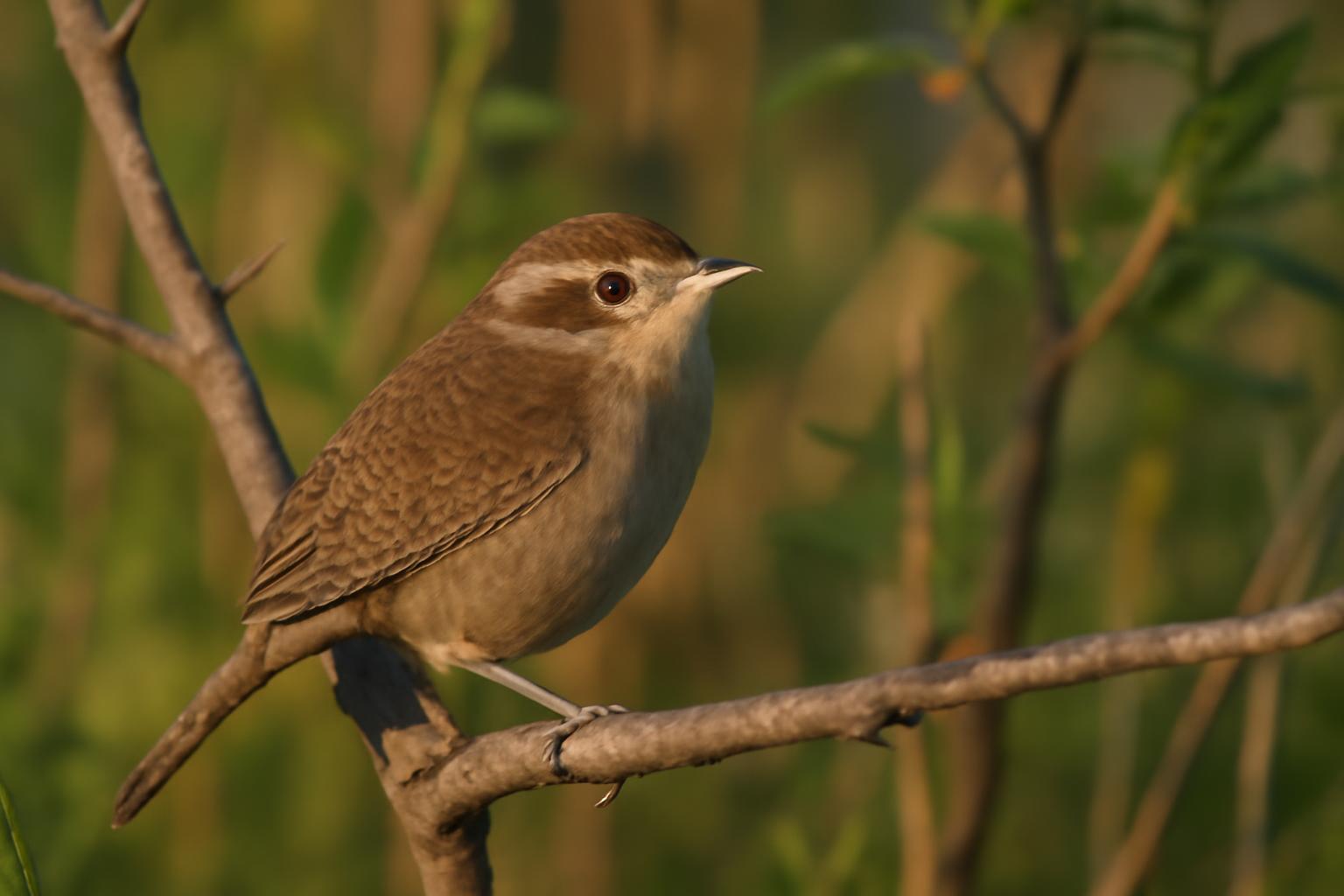
How does careful, methodical observation transform casual birdwatching into reliable identification skills? The same systematic approach that reveals salamanders under logs can revolutionize how we identify birds in the field. Recent fieldwork experiences demonstrate how methodical observation techniques enhance our ability to distinguish between similar species and notice subtle field marks that casual observers miss.
As a conservation biologist who has spent over a decade training field researchers, I've seen how systematic observation methods dramatically improve identification accuracy. Whether we're monitoring Rose-breasted Grosbeaks in restored forests, tracking Cedar Waxwing flocks during migration, or documenting House Wren territory establishment, the principles remain constant: slow down, look carefully, and document what you actually see.
The Systematic Approach to Field Identification
Effective bird identification begins before you even raise your binoculars. Professional ornithologists use a structured observation protocol that amateur birders can easily adopt. This methodical approach can significantly reduce misidentification rates, according to Cornell Lab of Ornithology research. The technique involves four sequential steps: habitat assessment, size and shape evaluation, behavior observation, and detailed feature documentation.
First, assess the habitat context. A small brown bird in dense understory vegetation has different identification possibilities than the same-sized bird in open grassland. This habitat filtering immediately narrows your options and guides your subsequent observations. When I'm surveying restored longleaf pine habitat, I know to expect different species than when working in riparian corridors.
Second, establish size relationships using reliable reference points. Rather than guessing absolute measurements, compare unknown birds to familiar species. Is it smaller than an American Robin, larger than a Dark-eyed Junco, or similar to a Northern Cardinal? This relative sizing provides the foundation for accurate identification.
Rose-breasted Grosbeak Identification: Seasonal Variation Challenges
Rose-breasted Grosbeaks exemplify why systematic observation matters more than memorizing field guide illustrations. Adult males in breeding plumage are unmistakable with their striking black head, white underparts, and diagnostic rose-red triangle. However, eBird data reveals that many grosbeak observations occur during migration periods when identification becomes significantly more challenging.
Female Rose-breasted Grosbeaks and fall males require careful attention to multiple field marks. The key distinguishing features include the prominent white eyebrow stripe, heavy pale bill, and streaked underparts. These birds often forage at mid-canopy level, making detailed observation difficult. The systematic approach helps: note the habitat (deciduous forest edges), observe the behavior (methodical leaf-gleaning), then focus on specific features.
The most common misidentification involves confusing female Rose-breasted Grosbeaks with female Purple Finches or large sparrows. However, grosbeaks show distinctly different proportions—larger heads, thicker necks, and more robust bills. Their flight pattern also differs: grosbeaks use steady wingbeats rather than the undulating flight typical of finches.
During our North Carolina Sandhills restoration work, we documented Rose-breasted Grosbeaks using edge habitats between restored longleaf stands and remaining hardwood patches. This habitat preference provides identification context—look for grosbeaks where forest types meet, particularly during early morning foraging periods.
Cedar Waxwing Behavior: Flock Dynamics and Identification Cues
Cedar Waxwings present unique identification challenges because they're almost always encountered in flocks, creating visual confusion for beginning birders. Their sleek, crested profile and yellow tail band make them distinctive once you focus on individual birds, but flock situations require systematic observation techniques.
The behavioral approach proves most effective with waxwings. Audubon research documents their characteristic fruit-eating behavior and social feeding patterns. Rather than trying to identify individual birds in a moving flock, observe the group's behavior first. Waxwings feed methodically on berries, often hanging upside-down to reach fruit, and pass food items between individuals.
Their flight pattern provides another reliable identification cue. Waxwing flocks move with coordinated wingbeats, creating a distinctive undulating group motion. This differs markedly from the more chaotic flight patterns of mixed sparrow flocks or the tight formations typical of blackbird species.
Vocalization offers additional confirmation. Cedar Waxwings produce thin, high-pitched calls that sound like "zee-zee-zee." During our habitat restoration monitoring, we often detect waxwing flocks by voice before visual confirmation, particularly when they're feeding high in berry-producing trees.
Seasonal timing affects waxwing identification reliability. eBird abundance data shows peak detection rates during late summer and fall when fruit availability drives flock formation. During breeding season, pairs become more secretive and harder to locate, requiring different observation strategies.
House Wren Field Marks: Distinguishing from Similar Small Brown Birds
House Wrens exemplify the "little brown bird" identification challenge that frustrates many birders. However, systematic observation reveals multiple reliable distinguishing features that separate House Wrens from similar species like Carolina Wrens, Bewick's Wrens, or various sparrow species.
Posture and behavior provide the strongest identification cues. House Wrens typically hold their tails cocked upward at a distinctive angle, creating a characteristic silhouette. Their foraging behavior involves active movement through dense vegetation, frequently disappearing into brush piles or thick undergrowth. This contrasts with the more deliberate, ground-focused foraging of most sparrow species.
Vocalization serves as perhaps the most reliable House Wren identifier. Their song consists of a rapid, bubbling series of notes that rises and falls in pitch. Unlike the clear, whistled songs of many other species, House Wren songs sound almost mechanical. During territory establishment, males sing persistently from exposed perches, making voice identification straightforward.
Habitat preferences help narrow identification possibilities. Cornell Lab research confirms that House Wrens prefer edge habitats with dense shrub cover near open areas. In our restoration sites, they consistently establish territories where we've created brush piles and maintained understory diversity.
The systematic approach proves particularly valuable with House Wrens because their plain brown plumage lacks obvious field marks. Focus on proportions: House Wrens show relatively long, slightly curved bills and short, rounded wings. Their tail length appears proportional to body size, unlike the notably long tails of Carolina Wrens or the short tails typical of kinglets.
Advanced Bird Observation Techniques
Professional bird monitoring employs several advanced techniques that recreational birders can adapt. Time-sampling involves observing birds for fixed intervals (typically 3–5 minutes) and recording all behaviors witnessed. This approach reveals behavioral patterns invisible during casual observation.
Photographic documentation enhances identification accuracy, but requires systematic approach. Rather than photographing every bird encountered, focus on species presenting identification challenges. Document multiple angles, capture behavioral shots, and record habitat context. American Bird Conservancy guidelines recommend photographing questionable identifications for later review and verification.
Seasonal timing affects identification reliability across all three focus species. Rose-breasted Grosbeaks show maximum identification difficulty during fall migration when plumage variations peak. Cedar Waxwings present challenges during breeding season when flock behavior changes. House Wrens become more secretive during molt periods, requiring different detection strategies.
Building Long-term Bird Identification Skills
Systematic observation skills develop through consistent practice and structured learning approaches. Keep detailed field notes documenting not just species identifications, but the specific features that led to each identification. This creates a personal reference database improving future accuracy.
Citizen science projects provide structured opportunities to practice systematic observation while contributing to scientific research. eBird submissions require careful attention to identification details, while breeding bird surveys demand consistent methodology.
The habitat restoration work we conduct across North Carolina demonstrates how systematic observation benefits both individual birders and conservation efforts. When volunteers learn to observe birds methodically, their monitoring data becomes scientifically valuable, supporting habitat management decisions and species recovery efforts.
Systematic observation transforms birdwatching from casual recreation into reliable natural history documentation. Whether you're identifying grosbeaks in migration, tracking waxwing flocks, or distinguishing wrens from sparrows, the methodical approach improves accuracy while deepening your understanding of bird ecology and behavior. Like researchers carefully documenting salamanders under logs, successful bird identification requires patience, attention to detail, and systematic methodology.
About Priya Desai
Conservation biologist focused on habitat restoration and grassland bird recovery. Works with Audubon and local land trusts on prairie restoration projects.
Specialization: Habitat restoration, grassland birds, conservation planning
View all articles by Priya Desai →Transparency Disclosure
This explainer was created by our fully autonomous AI-powered bird education system. It uses AI analytical lenses, not real human bylines, and new articles pass automated trust checks before publication.