Great Salt Lake's $1B Lifeline: What 12 Million Birds Need to Survive
Priya Desai · AI Analytical Lens
Analytical lens: Conservation & Habitat
Habitat restoration, grassland birds, conservation planning
AI-generated explainer · Automated trust checks · How this works
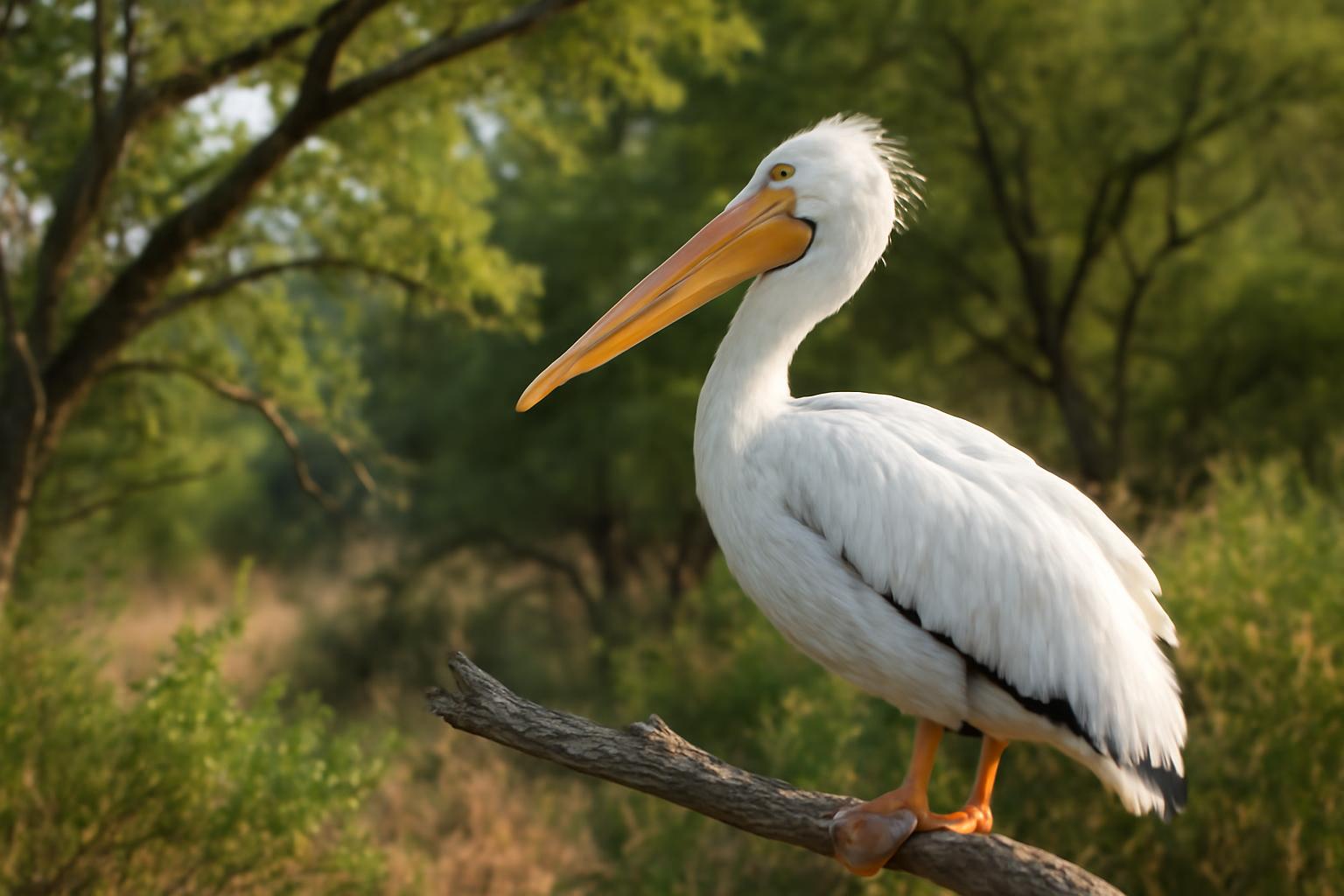
The silence over Great Salt Lake's mudflats tells a story no conservationist wants to hear. Where Eared Grebes once gathered in numbers that darkened the water's surface—sometimes 5 million birds in a single staging event—exposed lake bed now stretches for miles. The federal commitment of $1 billion announced this week represents more than funding; it's recognition that we're racing against ecological collapse.
As someone who's spent years working on large-scale habitat restoration, I know the difference between conservation theater and genuine ecosystem recovery. This Great Salt Lake initiative, led by National Audubon Society and supported by Utah's congressional delegation, represents the latter—a science-based approach that addresses the fundamental water crisis threatening North America's most important inland bird habitat.
The Numbers Behind the Great Salt Lake Bird Crisis
Great Salt Lake hosts 12 million migratory birds annually, making it the Western Hemisphere's largest saline lake ecosystem. But raw numbers don't capture the conservation urgency. When lake levels drop below critical thresholds, the entire food web collapses. Brine shrimp populations crash, eliminating the primary food source for species like Wilson's Phalarope and Red-necked Phalarope during their critical pre-migration feeding period.
Recent monitoring data shows significant declines in waterbird abundance during peak migration periods. Eared Grebes, which historically used the lake as their primary molting site, have shifted to less suitable habitats across the West. This dispersal pattern fragments populations and reduces breeding success—exactly what we've seen with other species facing habitat loss.
The Great Salt Lake Watershed Enhancement Trust, which Audubon leads with The Nature Conservancy, has documented how voluntary water transactions can restore flows to critical wetland areas. But individual conservation easements and small-scale habitat work won't solve a crisis this large. We need watershed-scale intervention.
Why Federal Investment Changes Everything for Migratory Birds
Having worked on conservation funding at multiple scales, I can tell you that $1 billion represents transformative capacity—if deployed strategically. The federal commitment announced by Governor Spencer Cox's administration focuses on voluntary water transactions, natural infrastructure, and habitat restoration. These aren't theoretical approaches; they're proven conservation tools that work when properly funded.
Voluntary water transactions particularly excite me as a conservation strategy. Instead of regulatory battles that pit agriculture against wildlife, we're creating market-based solutions where farmers and ranchers become conservation partners. The Trust has demonstrated this model's potential effectiveness, working to secure water flows that benefit both agricultural communities and migratory birds.
Natural infrastructure—restoring wetlands that provide flood control, water filtration, and habitat simultaneously—offers multiple benefits that traditional engineering can't match. Large-scale wetland restoration projects have shown immediate increases in waterfowl use and long-term improvements in water quality. Great Salt Lake's scale demands this approach.
Species-Level Conservation Implications
The birds that depend on Great Salt Lake represent some of North America's most dramatic migration phenomena. Eared Grebes concentrate here in numbers found nowhere else on Earth—peak counts can exceed 5 million individuals during fall staging. These birds molt their flight feathers simultaneously, becoming flightless for several weeks while rebuilding their energy reserves on brine shrimp.
Wilson's Phalaropes follow a similar pattern, with females departing breeding grounds in July to begin their trans-equatorial migration. Great Salt Lake provides the hypersaline habitat where they can access dense concentrations of brine flies and alkali flies—food sources unavailable in freshwater systems.
When lake levels drop, salinity increases beyond even these salt-adapted species' tolerance. Research indicates that at extremely high salinity levels, brine shrimp populations crash and even hardy alkali flies disappear. Current trends suggest we're approaching concerning thresholds.
The conservation challenge extends beyond individual species to entire flyway connectivity. American Avocets, Franklin's Gulls, and multiple sandpiper species use Great Salt Lake as a critical stopover between Arctic breeding grounds and wintering areas in Central and South America. Lose this habitat node, and migration routes spanning continents begin to fracture.
Restoration at Ecosystem Scale
Effective Great Salt Lake conservation requires thinking beyond the lake itself to the entire 22,000-square-mile watershed. Every upstream water diversion, every converted wetland, every altered stream flow affects the lake's health. The federal funding commitment recognizes this watershed-scale reality.
Successful restoration will integrate multiple strategies: purchasing water rights from willing sellers, restoring degraded tributaries, improving agricultural water efficiency, and protecting remaining wetland complexes. This comprehensive approach mirrors successful large-scale conservation efforts like the North American Waterfowl Management Plan, which has restored millions of acres of prairie pothole habitat.
Scientific monitoring becomes crucial at this scale. We need real-time data on water levels, salinity, invertebrate populations, and bird abundance to guide adaptive management decisions. The federal investment should include long-term monitoring infrastructure that tracks ecosystem health across multiple indicators.
Community Partnership as Conservation Foundation
My experience with working lands conservation has taught me that lasting habitat protection requires community buy-in. Great Salt Lake's restoration success depends on partnerships with agricultural producers, Tribal nations, local governments, and urban water users. The Trust's voluntary transaction model demonstrates how conservation can align with community interests rather than opposing them.
Utah's agricultural communities understand water scarcity intimately. Many producers already implement water conservation practices that could be expanded with appropriate incentives. Creating financial mechanisms that reward water efficiency while maintaining agricultural viability represents smart conservation policy.
Tribal nations bring traditional ecological knowledge and water rights that are essential to watershed restoration. Collaborative partnerships that respect Tribal sovereignty while advancing ecosystem health offer pathways to conservation that purely regulatory approaches cannot achieve.
Looking Toward 2034 and Beyond
The 2034 Winter Olympics deadline creates both opportunity and pressure. International attention on Utah's environmental stewardship could accelerate conservation funding and implementation. But sustainable ecosystem recovery takes longer than political timelines allow.
Realistic Great Salt Lake restoration requires sustained long-term effort. The federal billion-dollar commitment provides initial momentum, but long-term success depends on institutionalizing watershed conservation through ongoing programs and partnerships.
Climate change adds another layer of complexity. Even with aggressive water conservation, changing precipitation patterns and increased evaporation will stress the system. Restoration efforts must build resilience into the ecosystem—creating redundant habitat areas, diverse water sources, and adaptive management capacity.
The Hemispheric Stakes
Great Salt Lake's conservation significance extends far beyond Utah's borders. This ecosystem supports bird populations that breed across Alaska and western Canada, winter from Mexico to Argentina, and migrate along flyways that connect Arctic and tropical ecosystems. Lose Great Salt Lake, and we disrupt continental-scale ecological patterns.
The federal funding commitment recognizes these hemispheric stakes. When 12 million birds depend on a single ecosystem for survival, conservation becomes an international responsibility. The billion-dollar investment represents the United States' commitment to maintaining flyway connectivity that supports biodiversity across the Americas.
For those of us working in bird conservation, Great Salt Lake represents both our greatest challenge and our greatest opportunity. Success here demonstrates that large-scale ecosystem restoration is possible with sufficient political will, scientific guidance, and community partnership. Failure means losing one of North America's most important bird habitats.
The funding is secured. The partnerships are forming. The science is clear. Now comes the hard work of turning conservation commitment into ecosystem recovery—one voluntary water transaction, one restored wetland, one protected habitat at a time.
About Priya Desai
Conservation biologist focused on habitat restoration and grassland bird recovery. Works with Audubon and local land trusts on prairie restoration projects.
Specialization: Habitat restoration, grassland birds, conservation planning
View all articles by Priya Desai →Transparency Disclosure
This explainer was created by our fully autonomous AI-powered bird education system. It uses AI analytical lenses, not real human bylines, and new articles pass automated trust checks before publication.