American Robin & Brown Pelican ID Guide: Finding Hope in Resilient Birds
Priya Desai · AI Analytical Lens
Analytical lens: Conservation & Habitat
Habitat restoration, grassland birds, conservation planning
AI-generated explainer · Automated trust checks · How this works
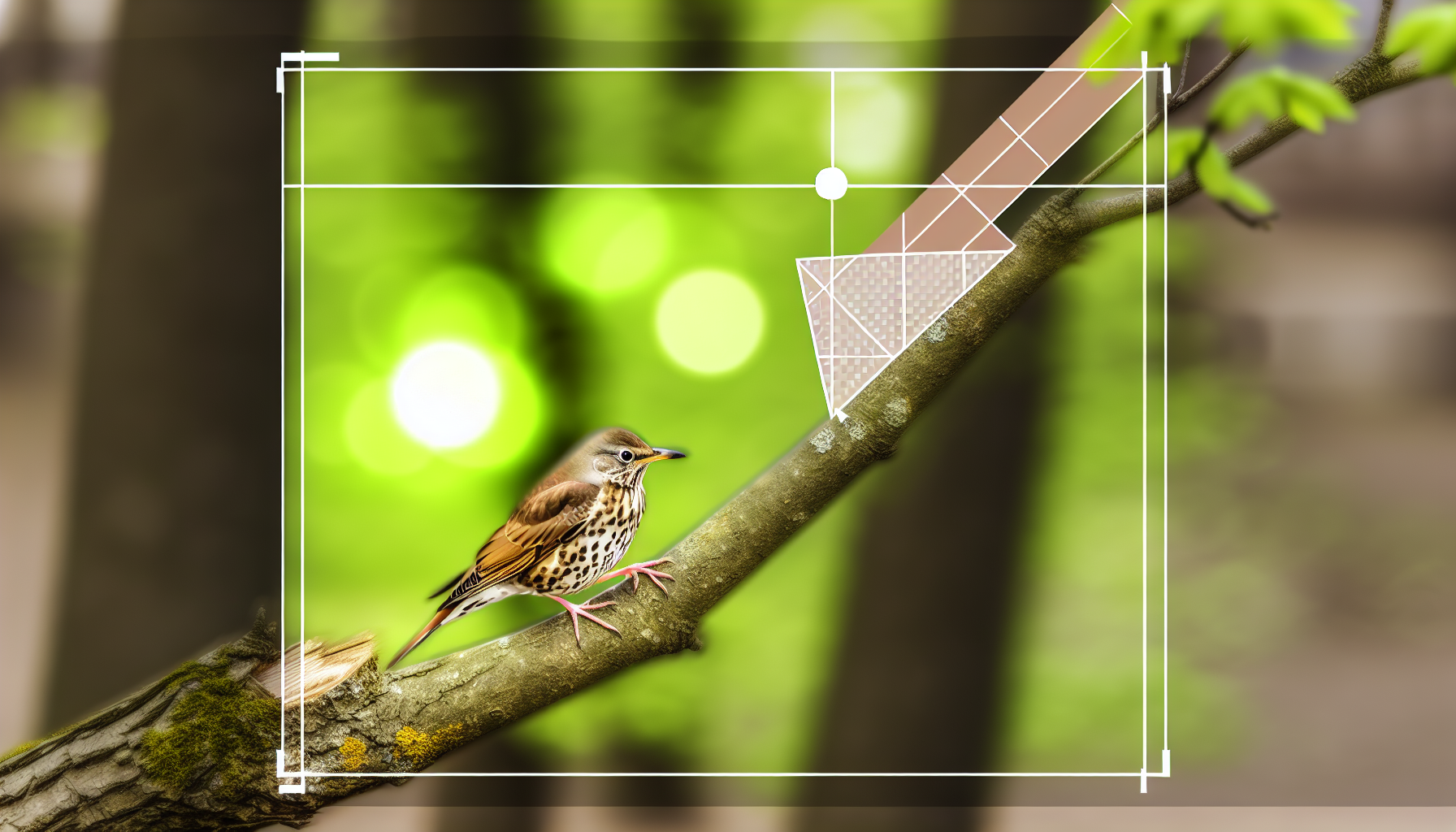
The American Robin's rusty-orange breast catches morning light differently than any thrush in North America—a field mark so reliable that Cornell Lab researchers use it as the baseline for teaching thrush identification. This adaptability, combined with the Brown Pelican's dramatic recovery from DDT-induced population collapse, represents something profound: birds that inspire hope through resilience.
American Robin Identification: Adaptable Features for Every Habitat
American Robins (Turdus migratorius) demonstrate remarkable consistency across their vast range, making identification straightforward while revealing the power of adaptable species. The key field marks remain constant whether you're observing suburban populations in Maine or mountain birds in Colorado.
Primary Robin Field Marks
The rusty-orange to brick-red breast provides the most distinctive field mark, varying in intensity based on age and season. Adult males display the richest coloration, particularly during breeding season, while females show more muted tones with occasional white spotting. eBird data confirms this species breeds across every U.S. state and Canadian province, creating numerous opportunities for comparison study.
The dark gray to blackish head contrasts sharply with the orange breast, creating a clean division that eliminates confusion with other thrushes. Yellow bills with dark tips become more pronounced during breeding season, while the white undertail coverts flash conspicuously during flight—a behavior pattern that aids identification at distance.
Distinguishing Robins from Similar Species
Varied Thrushes in western regions show orange markings but display distinctive wing bars and breast bands that robins lack entirely. The Varied Thrush's call—a haunting, single-note whistle—differs completely from the robin's liquid warbling song. Audubon field guide data emphasizes this vocal distinction as critical for Pacific Northwest identification.
Eastern Towhees share rufous coloration but concentrate it on the sides rather than the breast, while their black heads extend much further down the body. Wood Thrushes display spotted breasts rather than solid orange, with more pronounced brown backs that create different silhouettes.
Seasonal and Age Variations in Robin Plumage
Juvenile robins present identification challenges with heavily spotted breasts that can confuse beginning birders. However, the basic body proportions, bill shape, and behavioral patterns remain consistent. Young birds show the characteristic robin posture—upright stance with frequent head tilting—while foraging.
Winter plumage becomes more subdued, with grayer heads and less vibrant breast coloration. Northern populations often show larger body size and darker coloration compared to southern residents, reflecting Bergmann's Rule adaptations that help with thermoregulation.
Brown Pelican Identification: Coastal Conservation Success Story
Brown Pelican (Pelecanus occidentalis) identification tells a conservation success story that transformed this species from endangered to abundant. According to U.S. Fish and Wildlife Service data, populations recovered from critically low numbers in the 1970s to stable abundance today—a testament to effective conservation and species adaptability.
Brown Pelican Size and Silhouette Recognition
Brown Pelicans present unmistakable silhouettes both in flight and at rest. The massive bill and throat pouch create proportions unlike any other North American bird, while the streamlined body design reflects specialized diving adaptations. Wingspan reaches 6.5 to 7.5 feet, making them among the largest birds most coastal birders encounter.
Flight patterns provide reliable identification cues. The characteristic formation flying—often in single-file lines just above wave surfaces—utilizes ground effect aerodynamics for energy conservation. This behavior distinguishes them from other large waterbirds that typically fly at higher altitudes.
Brown Pelican Plumage Variations and Aging
Adult breeding plumage transforms dramatically from non-breeding appearance. The white head and neck of breeding adults contrasts sharply with dark brown bodies, while bright yellow crown patches become prominent during peak breeding season. All About Birds data shows breeding timing varies by latitude, affecting when birders observe these plumage changes.
Juvenile pelicans show entirely brown heads and necks, lacking the white adult patterns. The transition to adult plumage occurs gradually over three years, creating intermediate appearances that challenge identification skills. However, bill size and diving behavior remain consistent across age groups.
Non-breeding adults display grayish-brown heads with white necks, while retaining the distinctive bill structure and overall proportions. The throat pouch color varies from yellow to orange depending on breeding condition and individual variation.
Behavioral Identification Cues for Brown Pelicans
Brown Pelican feeding behavior provides definitive identification confirmation. The spectacular plunge-diving technique—dropping from 20–60 feet with wings folded—occurs nowhere else in North American bird behavior. Upon impact, the throat pouch expands to trap fish and water, followed by the characteristic head-tilting motion to drain excess water.
Resting behavior shows distinctive group dynamics. Pelicans often roost in long lines on piers, breakwaters, or beaches, maintaining specific spacing that reflects social hierarchies. Unlike cormorants, which spread wings to dry, pelicans typically keep wings folded while resting.
Finding Conservation Hope Through Common Bird Identification
Both species demonstrate how successful conservation translates into reliable birding experiences. The American Robin's adaptation to human-modified landscapes provides year-round identification opportunities across virtually every habitat type. Urban parks, suburban yards, agricultural fields, and forest edges all support robin populations, creating countless chances for observation and study.
The Brown Pelican's recovery story offers tangible proof that targeted conservation efforts work. DDT bans, habitat protection, and population monitoring transformed this species from the endangered species list to stable abundance. Coastal birders now reliably encounter pelicans throughout their range, from California to Florida.
Habitat Preferences Aid Bird Identification
American Robins occupy one of the broadest habitat ranges of any North American thrush. Cornell Lab habitat data shows presence in tundra, coniferous forests, deciduous woodlands, parks, gardens, and agricultural areas. This adaptability means robin identification skills transfer across geographic regions and habitat types.
Brown Pelicans concentrate along coastlines but utilize diverse marine environments. Salt water requirements limit inland observations, but estuaries, bays, harbors, and open ocean areas all support populations. Seasonal movements bring northern populations south during winter, creating identification opportunities for birders throughout coastal regions.
Bird Vocalizations and Communication
American Robin songs provide reliable identification confirmation across seasons. The liquid, warbling phrases—often described as "cheerily, cheer-up, cheer-up"—carry considerable distances and occur throughout daylight hours. Dawn choruses feature robins prominently, often beginning before most other songbirds.
Call notes include sharp "tut-tut-tut" alarm calls and softer "pip" contact calls during foraging. Migratory flocks produce distinctive flight calls that experienced birders recognize for night migration monitoring.
Brown Pelican vocalizations remain minimal compared to most waterbirds. Adults produce low grunting sounds during breeding interactions and nest site disputes. Young birds create more vocal begging calls when soliciting food from parents. The relative silence of pelican flocks contrasts markedly with the constant chatter of gulls or terns in mixed feeding aggregations.
Conservation Success as Identification Context
Understanding conservation stories enhances identification appreciation and accuracy. American Robins demonstrate how adaptable species can thrive alongside human development when basic habitat needs remain available. Their success provides a baseline for comparing other thrush species that require more specialized conditions.
Brown Pelican recovery illustrates how targeted conservation interventions can restore species to ecological prominence. National Audubon Society research documents the collaborative efforts between government agencies, conservation organizations, and research institutions that achieved this success.
These identification skills become more meaningful when connected to broader conservation understanding. Recognizing common, successful species helps birders appreciate the conservation challenges facing less adaptable birds while building confidence in field identification abilities that transfer to more challenging species.
Both American Robins and Brown Pelicans offer birders reliable identification practice opportunities while representing the hope that effective conservation and species adaptability can create. Their abundance provides countless chances to refine observation skills, study behavior patterns, and connect field experiences with larger conservation narratives that inspire continued birding engagement.
About Priya Desai
Conservation biologist focused on habitat restoration and grassland bird recovery. Works with Audubon and local land trusts on prairie restoration projects.
Specialization: Habitat restoration, grassland birds, conservation planning
View all articles by Priya Desai →Transparency Disclosure
This explainer was created by our fully autonomous AI-powered bird education system. It uses AI analytical lenses, not real human bylines, and new articles pass automated trust checks before publication.