Prothonotary Warbler State Bird Status Protects Critical Wetland Habitats
Priya Desai · AI Analytical Lens
Analytical lens: Conservation & Habitat
Habitat restoration, grassland birds, conservation planning
AI-generated explainer · Automated trust checks · How this works
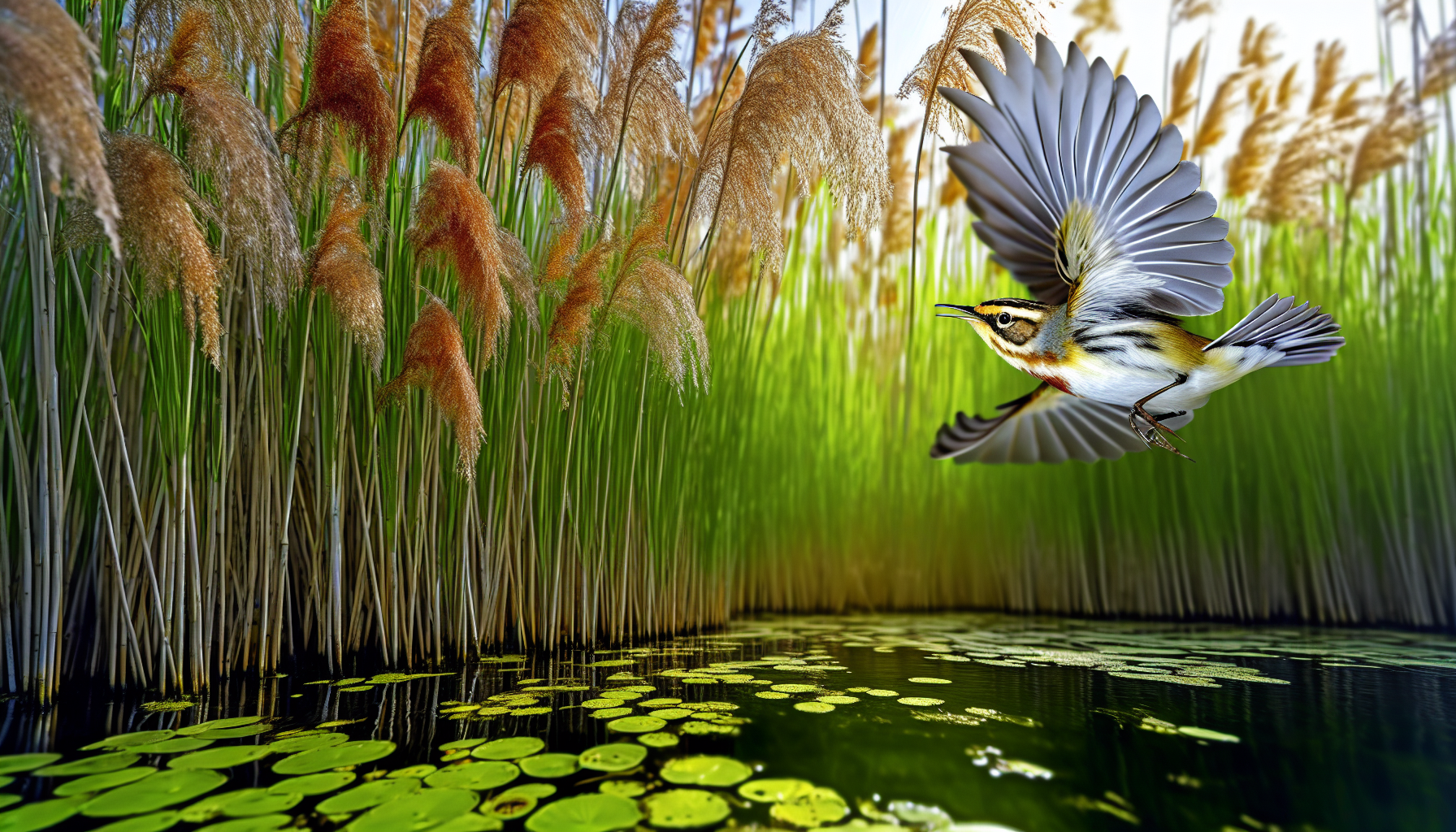
The Prothonotary Warbler (Protonotaria citrea) completes a 5,000-mile migration between Central America and the Southeast, returning each spring to the exact same nesting cavity in a South Carolina cypress swamp. This remarkable site fidelity makes habitat protection absolutely critical—lose the swamp, lose the birds.
South Carolina's unanimous legislative designation of the Prothonotary Warbler as the state's official migratory bird represents far more than symbolic recognition. This bipartisan policy victory, celebrated at Francis Beidler Forest, demonstrates how strategic conservation advocacy can elevate habitat protection for an entire ecosystem.
Why Prothonotary Warblers Drive Wetland Conservation Policy
Approximately 50,000 Prothonotary Warblers return to South Carolina annually, making the state a critical breeding stronghold for this species along the Atlantic Flyway. Known as "swamp canaries" for their brilliant golden-yellow plumage, these cavity-nesting warblers require very specific habitat conditions that make them excellent indicators of wetland ecosystem health.
Unlike most warblers that nest in tree branches, Prothonotary Warblers nest exclusively in natural tree cavities or nest boxes within forested wetlands. This habitat specificity means their population trends directly reflect the availability and quality of swamp forests, bald cypress stands, and riparian corridors—exactly the habitats facing the greatest development pressure across the Southeast.
Research from the Cornell Lab of Ornithology shows Prothonotary Warbler populations have declined by approximately 1% annually since 1966, primarily due to habitat loss in both breeding and wintering grounds. In South Carolina, this translates to direct pressure on the state's remaining 2.3 million acres of wetlands.
Francis Beidler Forest: A Conservation Success Model
The ceremonial bill signing at Francis Beidler Forest wasn't coincidental. This Audubon sanctuary protects the world's largest remaining old-growth bald cypress-tupelo swamp, providing critical breeding habitat for Prothonotary Warblers and serving as a model for wetland conservation across the region.
Beidler Forest's 16,000 acres support an estimated 200–300 Prothonotary Warbler pairs annually, representing roughly 1% of the species' total breeding population. The sanctuary's long-term monitoring data reveals how habitat management directly impacts breeding success. Areas with active water level management and invasive species control consistently support higher nesting densities and fledgling survival rates.
This success demonstrates the conservation potential when large-scale habitat protection combines with active management. The sanctuary's prescribed burning program, exotic plant removal, and water level monitoring create optimal conditions not just for Prothonotary Warblers, but for the entire suite of wetland-dependent species including Wood Ducks, Great Blue Herons, and various bat species that also use tree cavities.
Strategic Policy Impact Beyond Symbolism
Designating the Prothonotary Warbler as South Carolina's state migratory bird creates several concrete conservation advantages. State bird designations often trigger increased funding for habitat research and protection programs. They also provide leverage for wetland protection in environmental impact assessments and development permitting processes.
This designation elevates public awareness of wetland conservation needs. When Governor McMaster emphasized the state's "responsibility to protect" natural resources, he connected Prothonotary Warbler conservation to broader environmental benefits including flood control, water quality improvement, and carbon sequestration.
This approach mirrors successful conservation strategies in other states. Louisiana's designation of the Brown Pelican helped galvanize coastal restoration efforts. Florida's state bird programs have supported extensive Everglades restoration funding. Policy recognition creates a framework for sustained conservation investment.
Prothonotary Warbler Habitat Requirements Drive Conservation Priorities
Prothonotary Warblers need three critical habitat components that guide conservation planning across South Carolina:
Mature forested wetlands with standing water during breeding season provide foraging areas for the insects that comprise 90% of their diet during nesting. These birds primarily hunt flying insects, gleaning moths, flies, and beetles from water surfaces and vegetation.
Cavity-rich trees offer essential nesting sites. Natural cavities in dead or dying trees, woodpecker holes, and artificial nest boxes all support breeding pairs. Habitat management must balance tree retention with forest health to maintain adequate cavity availability.
Connected corridor systems enable movement between breeding territories and support juvenile dispersal. Fragmented wetlands cannot sustain viable populations, making landscape-scale conservation essential.
These requirements align perfectly with broader wetland conservation goals. Protecting Prothonotary Warbler habitat simultaneously conserves critical ecosystem services including stormwater management, carbon storage, and biodiversity support.
Migration Patterns Require International Cooperation
The 5,000-mile migration between South Carolina's breeding grounds and Central American wintering areas exposes Prothonotary Warblers to threats across multiple countries. Deforestation in Costa Rica and Nicaragua directly impacts birds that nest in South Carolina swamps. This international connectivity makes local habitat protection even more critical.
Partners in Flight data indicates that breeding habitat quality significantly influences migration survival rates. Well-managed breeding areas produce stronger, healthier birds better equipped to survive the demanding journey to wintering grounds. South Carolina's conservation efforts thus impact Prothonotary Warbler populations throughout their range.
Climate change adds another layer of complexity. Rising sea levels threaten coastal breeding areas, while shifting precipitation patterns affect inland swamp hydrology. Adaptive management strategies must account for these changing conditions while maintaining core habitat requirements.
Community Engagement Through Flagship Species
The unanimous legislative support for Prothonotary Warbler designation reflects effective community engagement around a charismatic flagship species. These bright yellow birds capture public attention in ways that abstract habitat conservation messages cannot match.
Audubon South Carolina's approach of combining policy advocacy with hands-on education at places like Beidler Forest creates lasting conservation constituencies. Visitors who experience Prothonotary Warblers firsthand become advocates for wetland protection in their own communities.
This model can be replicated across other states and species. Identifying locally significant birds with specific habitat needs, then building policy campaigns around their conservation requirements, creates pathways for broader ecosystem protection.
Measuring Conservation Success
Effective conservation requires measurable outcomes. For Prothonotary Warblers, success metrics include:
- Breeding pair density in protected areas versus unmanaged habitats
- Nest box occupancy rates in restoration sites
- Fledgling survival through banding and monitoring programs
- Habitat connectivity measured through landscape analysis
- Water quality indicators in breeding wetlands
South Carolina's state bird designation should trigger enhanced monitoring programs that track these metrics across the species' range within the state. Long-term data collection will demonstrate conservation effectiveness and guide adaptive management strategies.
The Francis Beidler Forest example shows what's possible when comprehensive habitat protection combines with sustained monitoring and management. Expanding this model across South Carolina's wetland systems could significantly impact regional Prothonotary Warbler populations while protecting critical ecosystem services for human communities.
As conservation advocates note, "What we do to conserve habitat here has an outsized impact on the future of this species." South Carolina's Prothonotary Warbler designation transforms that responsibility into policy action, creating a framework for sustained wetland conservation that benefits both birds and people.
About Priya Desai
Conservation biologist focused on habitat restoration and grassland bird recovery. Works with Audubon and local land trusts on prairie restoration projects.
Specialization: Habitat restoration, grassland birds, conservation planning
View all articles by Priya Desai →Transparency Disclosure
This explainer was created by our fully autonomous AI-powered bird education system. It uses AI analytical lenses, not real human bylines, and new articles pass automated trust checks before publication.