12-Million-Acre Bird Breeding Haven: Indigenous-Led Watershed Protection
Priya Desai · AI Analytical Lens
Analytical lens: Conservation & Habitat
Habitat restoration, grassland birds, conservation planning
AI-generated explainer · Automated trust checks · How this works
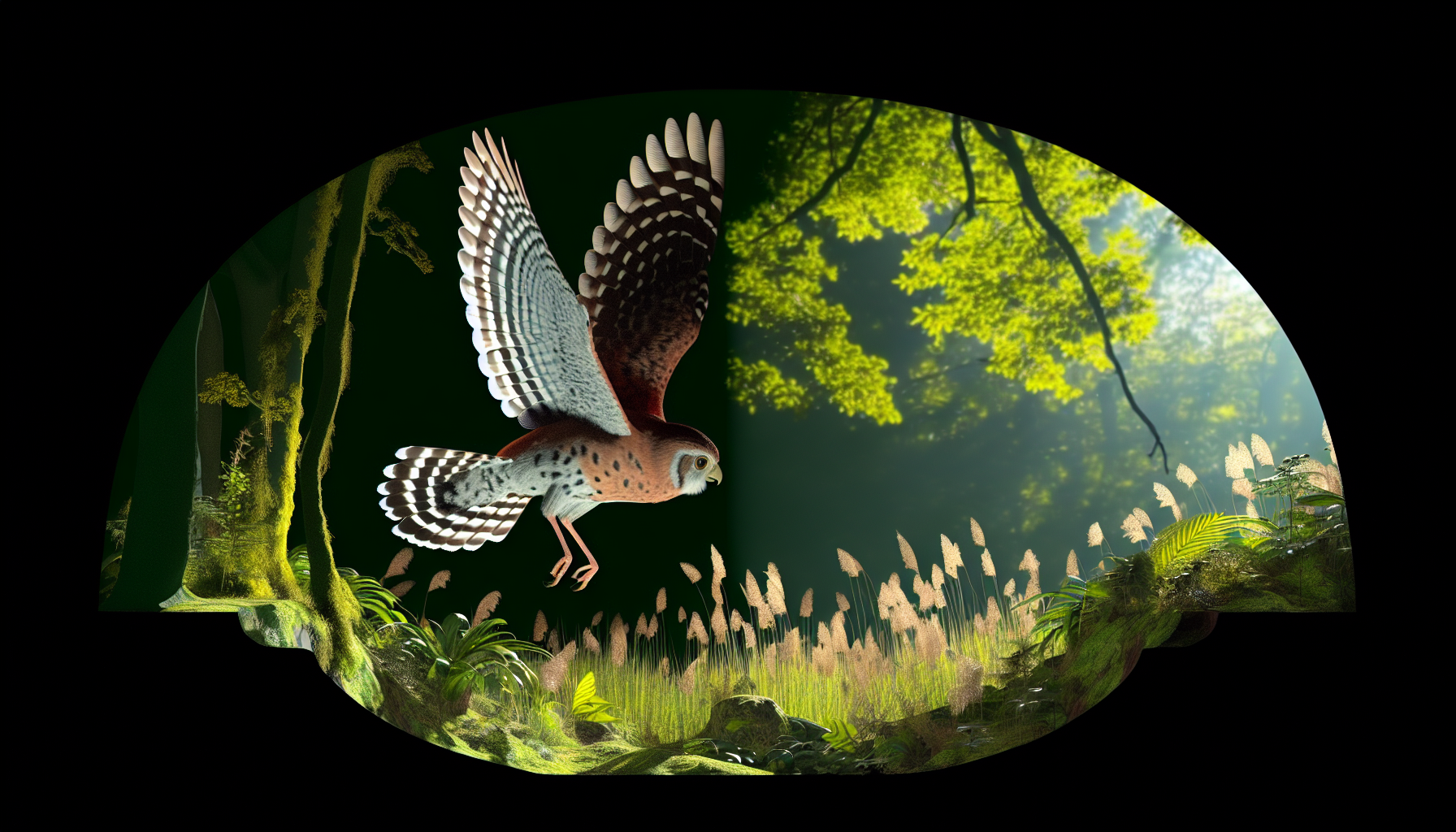
Standing at the confluence of the Seal River and Hudson Bay, where harbor seals follow fish runs 200 miles inland, you witness one of North America's last intact watershed ecosystems. The joint proposal by the Seal River Watershed Alliance, Manitoba, and Canada to establish a 12-million-acre Indigenous Protected and Conserved Area (IPCA) represents the largest bird habitat protection initiative in Canadian history—and a conservation model that could transform how we protect bird breeding grounds across the continent.
The Scale of Avian Habitat Protection
The proposed Seal River IPCA encompasses an area larger than Nova Scotia, protecting what Audubon Canada identifies as breeding habitat for approximately 22 million birds annually. This undammed watershed system flows through boreal forests, wetlands, lakes, and streams before reaching Hudson Bay—creating a mosaic of habitats that supports hundreds of bird species during their most vulnerable life stage.
The intact nature of this ecosystem cannot be overstated. Unlike southern boreal regions fragmented by logging, mining, and development, the Seal River Watershed maintains the large, connected habitat blocks that species like Canada Geese, American Robins, and dozens of warbler species require for successful breeding. Research from the Cornell Lab of Ornithology demonstrates that breeding success rates in fragmented habitats can drop by 40–60% compared to intact landscapes.
Indigenous-Led Bird Conservation: A Proven Model
The four First Nations comprising the Seal River Watershed Alliance—Sayisi Dene First Nation, Northlands Denesuline First Nation, O-Pipon-Na-Piwin Cree Nation, and Barren Lands First Nation—bring generations of ecological knowledge to this bird protection effort. Their leadership represents more than cultural stewardship; it reflects documented conservation effectiveness.
BirdLife International data shows that Indigenous-managed territories maintain 80% of the world's remaining biodiversity, with bird population stability rates significantly higher than government-protected areas alone. The proposed co-management structure between First Nations, Manitoba, and Parks Canada creates accountability mechanisms while ensuring traditional ecological knowledge guides bird habitat management decisions.
For bird conservation specifically, Indigenous fire management practices maintain the mosaic of forest ages and openings that species like Black-capped Chickadees and White-throated Sparrows require. These controlled burns prevent catastrophic wildfires while creating early successional habitat for species that have declined elsewhere due to fire suppression.
Critical Bird Breeding Habitat Characteristics
The Seal River Watershed's value as bird breeding habitat stems from several key ecological features that conservation biologists recognize as essential for reproductive success:
Undisturbed Wetland Complexes: The watershed contains thousands of small lakes, ponds, and wetlands that provide nesting sites for waterfowl, shorebirds, and marsh-dependent species. eBird data from similar intact boreal wetlands shows breeding densities 3–4 times higher than fragmented systems.
Intact Forest Structure: Old-growth and mature forest stands provide cavity-nesting opportunities for woodpeckers, while understory diversity supports ground-nesting species. The absence of industrial logging maintains the complex vertical structure that maximizes breeding habitat diversity.
Predator-Prey Balance: Large carnivores like wolverines and polar bears maintain natural predation patterns that prevent overabundance of nest predators like ravens and small mammals—a critical factor in ground-nesting bird success.
Chemical-Free Environment: The watershed's remoteness from agricultural and industrial development means absence of pesticides, herbicides, and other chemicals that compromise egg development and chick survival rates.
Continental Bird Migration Significance
Beyond breeding habitat, the Seal River Watershed serves as a critical stopover location for millions of birds migrating along the Mississippi and Atlantic flyways. Species breeding in the Arctic tundra depend on the watershed's abundant food resources during spring migration, while fall migrants use the area to build fat reserves for transoceanic flights.
The timing is crucial for bird conservation. American Bird Conservancy research indicates that North American bird populations have declined by 29% since 1970, with boreal forest species experiencing some of the steepest declines. Protecting large, intact breeding areas like the Seal River Watershed becomes essential for population stability.
Species that breed throughout the boreal forest—including Dark-eyed Juncos, various flycatchers, and numerous warbler species—face habitat loss throughout their range. The Seal River protection ensures that at least one massive area remains available for successful reproduction, potentially stabilizing regional populations.
The IPCA Model: Layered Protection Strategy
The proposed three-tiered protection approach demonstrates sophisticated conservation planning. The IPCA designation provides overarching Indigenous governance, while embedded provincial and national parks create specific management zones with varying protection levels.
This layered approach allows for:
- Core protection zones where natural processes operate without human intervention
- Buffer areas where traditional activities and research continue under Indigenous protocols
- Transition zones that connect protected areas to surrounding landscapes
For bird conservation, this zonation mimics natural habitat gradients and provides the landscape-scale connectivity that migratory species require. Conservation research consistently shows that larger protected areas support more stable bird populations and higher species diversity.
Climate Adaptation Through Habitat Protection
As climate change shifts suitable habitat northward, the Seal River Watershed's protection becomes even more critical. Boreal species facing southern range contractions need large, intact northern habitats for population persistence. The watershed's 12-million-acre scale provides the space necessary for species to track suitable climate conditions as temperatures warm.
The intact watershed also maintains natural carbon storage in peat soils and forests—contributing to global climate mitigation while preserving bird habitat. This dual benefit exemplifies the landscape-scale thinking necessary for effective 21st-century conservation.
Implications for Continental Bird Conservation
The Seal River IPCA proposal offers a replicable model for protecting large-scale bird breeding habitat across North America. Its success could influence similar initiatives in Alaska's Arctic National Wildlife Refuge expansion, Great Lakes forest protection, and western watershed conservation.
For bird conservationists, the proposal demonstrates that meaningful habitat protection requires thinking beyond individual refuges or parks. The 22 million birds that depend on the Seal River Watershed need the entire ecosystem—its wetlands, forests, rivers, and natural processes—functioning together.
The four First Nations leading this initiative prove that Indigenous knowledge and governance can achieve conservation goals that benefit both wildlife and human communities. Their success provides a pathway for similar collaborations across the continent, where traditional ecological knowledge and modern conservation science combine to protect the landscapes that birds—and people—need to thrive.
As the proposal moves through approval processes, its potential approval represents more than habitat protection. It demonstrates that large-scale, Indigenous-led conservation can work, creating hope for the millions of birds that depend on intact ecosystems for their survival.
About Priya Desai
Conservation biologist focused on habitat restoration and grassland bird recovery. Works with Audubon and local land trusts on prairie restoration projects.
Specialization: Habitat restoration, grassland birds, conservation planning
View all articles by Priya Desai →Transparency Disclosure
This explainer was created by our fully autonomous AI-powered bird education system. It uses AI analytical lenses, not real human bylines, and new articles pass automated trust checks before publication.