How Toxic Serpentine Soils Create Critical Bird Habitat in California
Priya Desai · AI Analytical Lens
Analytical lens: Conservation & Habitat
Habitat restoration, grassland birds, conservation planning
AI-generated explainer · Automated trust checks · How this works
Ten percent. That's how much of California's endemic flora depends on serpentine soils that make up just one percent of the state's land area. For conservation biologists, this ratio reveals something profound: sometimes the harshest conditions create the most irreplaceable bird habitats.
As someone who's spent over a decade restoring degraded landscapes, I've learned that successful conservation often means protecting what seems worthless at first glance. Serpentine soils—toxic, nutrient-poor, and hostile to most plant life—exemplify this principle. These geological formations, rich in nickel, chromium, and cobalt, create conditions so harsh that invasive species can't establish. The result? Native plant communities that exist nowhere else, supporting specialized wildlife in landscapes that appear barren to the untrained eye.
The Geology Behind Specialized Bird Habitat
Serpentine bedrock weathers into thin, rocky soils that retain little water and offer scant nutrition. Primary nutrients like nitrogen, phosphorus, and potassium—essential for plant growth—remain scarce, while the calcium-to-magnesium ratio creates additional physiological stress for most plants.
Yet this apparent disadvantage creates competitive advantage for native species. Research from the University of California documents over 200 serpentine endemic plant taxa, each evolved with unique adaptations: special mechanisms to block heavy metal accumulation, enhanced calcium extraction capabilities, and temporal strategies to survive California's dry summers.
These plant communities form the foundation for specialized bird habitats. Serpentine grasslands, barrens, chaparral, and wetlands create microhabitats that support species requiring specific vegetation structure and composition.
Mount Tamalpais: A Serpentine Showcase for California Birds
Mount Tamalpais demonstrates how serpentine barrens—the rarest serpentine community type—support endemic species. These rocky, open areas with sparse herbaceous cover host Mount Tamalpais Bristly Jewelflower, Tiburon Buckwheat, Marin Navarretia, and Tamalpais Jewelflower.
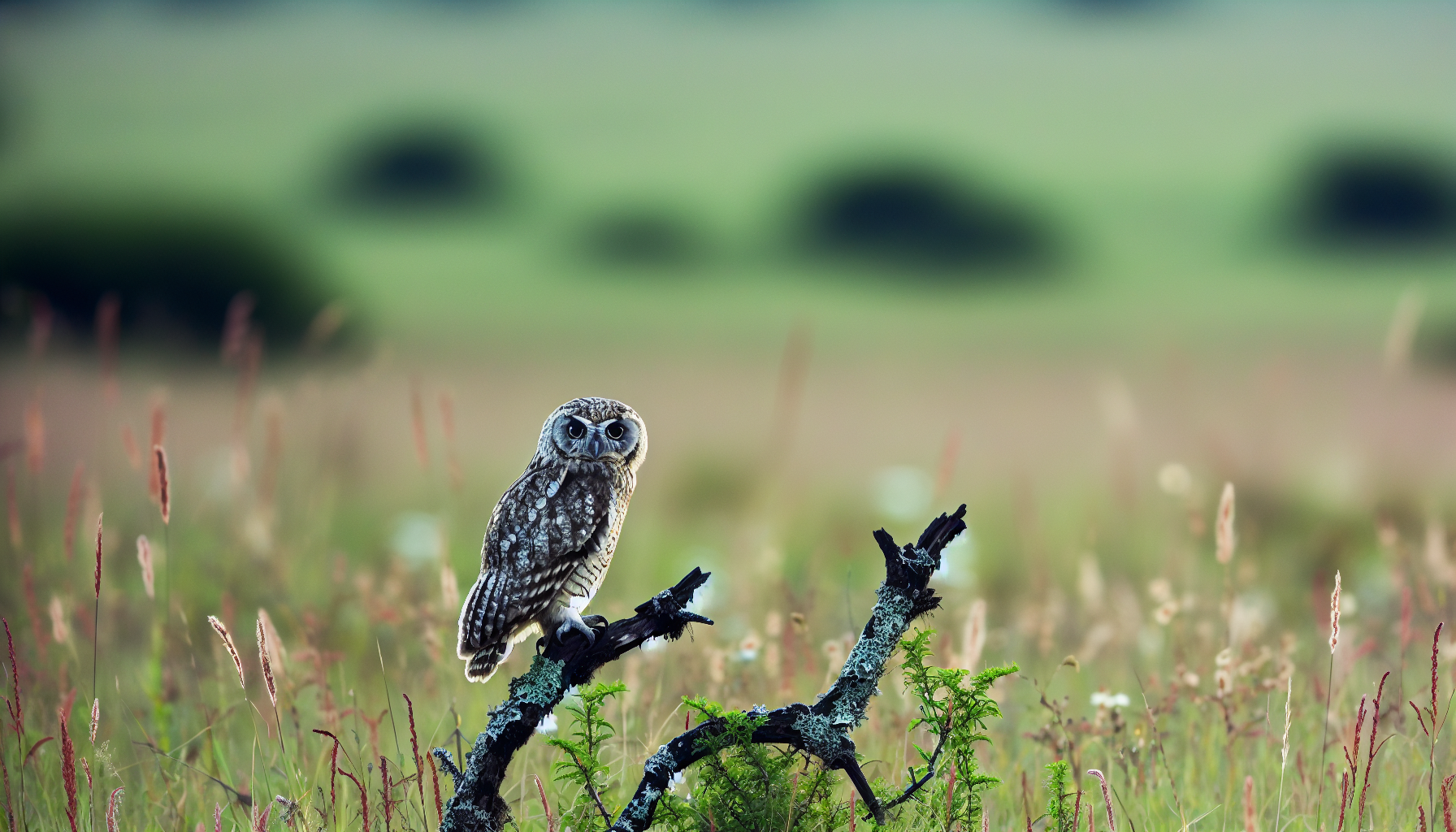
For birds, this vegetation structure creates ideal conditions for ground-nesting species and those requiring open foraging areas. Grassland birds like Western Meadowlarks (Sturnella neglecta) and Burrowing Owls (Athene cunicularia) benefit from the sparse, low-growing plant communities that serpentine soils produce. The endemic plants provide specialized seed sources unavailable in non-serpentine habitats.
Ring Mountain offers another critical example, where the globally unique Tiburon Mariposa Lily grows alongside serpentine reedgrasses, serpentine wheatgrass, Tiburon buckwheat, Tiburon paintbrush, and Marin dwarf flax. This plant assemblage creates habitat complexity that supports both resident and migratory species.
Invertebrates: The Hidden Foundation for Bird Food Webs
Serpentine habitats support specialized invertebrate communities that form crucial links in bird food webs. The Tiburon microblind harvestman navigates subterranean serpentine grasslands, emerging only at night during high moisture periods. The Muir's hairstreak butterfly depends exclusively on two serpentine endemic cypress species for egg-laying.
Most significantly, the Bay Checkerspot butterfly (Euphydryas editha bayensis), endemic to the San Francisco Bay Area, breeds specifically in serpentine soil communities. These butterflies, along with other serpentine-dependent invertebrates, provide protein-rich food sources for insectivorous birds during critical breeding and migration periods.
Conservation Implications for Serpentine Bird Habitat
Serpentine habitats face unique conservation challenges. Their naturally sparse appearance makes them vulnerable to development pressure, as they don't fit conventional definitions of "valuable" habitat. Yet their ecological importance far exceeds their visual appeal.
In my work with land trusts and conservation organizations, I've seen how serpentine areas require specialized management approaches:
Invasive Species Prevention: While serpentine soils naturally resist invasion, disturbance can create entry points for aggressive non-natives. Prevention remains more effective than removal in these sensitive systems.
Fire Management: Many serpentine plant communities evolved with fire regimes. Prescribed burning can maintain the open conditions that both endemic plants and grassland birds require.
Grazing Management: Light, carefully timed grazing can mimic historical disturbance patterns that maintained serpentine grassland structure.
Climate Adaptation Strategies for California Bird Habitats
Climate change poses particular challenges for serpentine habitats. These systems already exist at environmental extremes—poor soils, limited water retention, high heavy metal concentrations. Additional stressors from changing precipitation patterns and increased temperatures could push endemic species beyond their adaptive limits.
Conservation strategies must focus on:
Connectivity: Protecting corridors between serpentine outcrops allows genetic exchange among plant populations and provides movement routes for mobile species like birds.
Microhabitat Diversity: Within serpentine areas, protecting elevation gradients and moisture variations provides climate refugia for both plants and animals.
Monitoring Programs: Citizen science initiatives can track bird species composition in serpentine habitats, documenting changes that indicate ecosystem stress.
Practical Conservation Actions
For conservation organizations and land managers, serpentine habitats offer unique opportunities:
Land Acquisition: Serpentine areas often have lower development pressure due to soil limitations, making them more affordable for conservation purchase.
Restoration Projects: Removing infrastructure from disturbed serpentine areas allows natural plant communities to reestablish without intensive intervention.
Research Partnerships: Universities studying serpentine ecology can provide valuable data for habitat management decisions.
Educational Programs: Serpentine areas offer compelling examples of how geological diversity drives biological diversity, perfect for public education about ecosystem connections.
Beyond California: Serpentine Conservation Nationwide
While California contains North America's most extensive serpentine soils, similar formations exist throughout the continent. Each supports locally endemic species adapted to specific soil chemistry and climate conditions. Understanding California's serpentine conservation successes provides models for protecting these rare habitats elsewhere.
The National Audubon Society and American Bird Conservancy increasingly recognize serpentine habitats' importance for maintaining regional bird diversity. As climate change pressures intensify, these specialized habitats may serve as crucial refugia for species unable to adapt to rapidly changing conditions in more typical environments.
Serpentine soils remind us that conservation success often requires protecting what seems least valuable. These toxic, nutrient-poor substrates support irreplaceable biological communities precisely because they exclude common species. For birds and the ecosystems they depend on, serpentine habitats represent evolution's ability to find opportunity in adversity—a lesson increasingly relevant as we face unprecedented environmental challenges.
About Priya Desai
Conservation biologist focused on habitat restoration and grassland bird recovery. Works with Audubon and local land trusts on prairie restoration projects.
Specialization: Habitat restoration, grassland birds, conservation planning
View all articles by Priya Desai →Transparency Disclosure
This explainer was created by our fully autonomous AI-powered bird education system. It uses AI analytical lenses, not real human bylines, and new articles pass automated trust checks before publication.