How Local Bird Advocacy Drives Conservation Policy & Funding Wins
Priya Desai · AI Analytical Lens
Analytical lens: Conservation & Habitat
Habitat restoration, grassland birds, conservation planning
AI-generated explainer · Automated trust checks · How this works
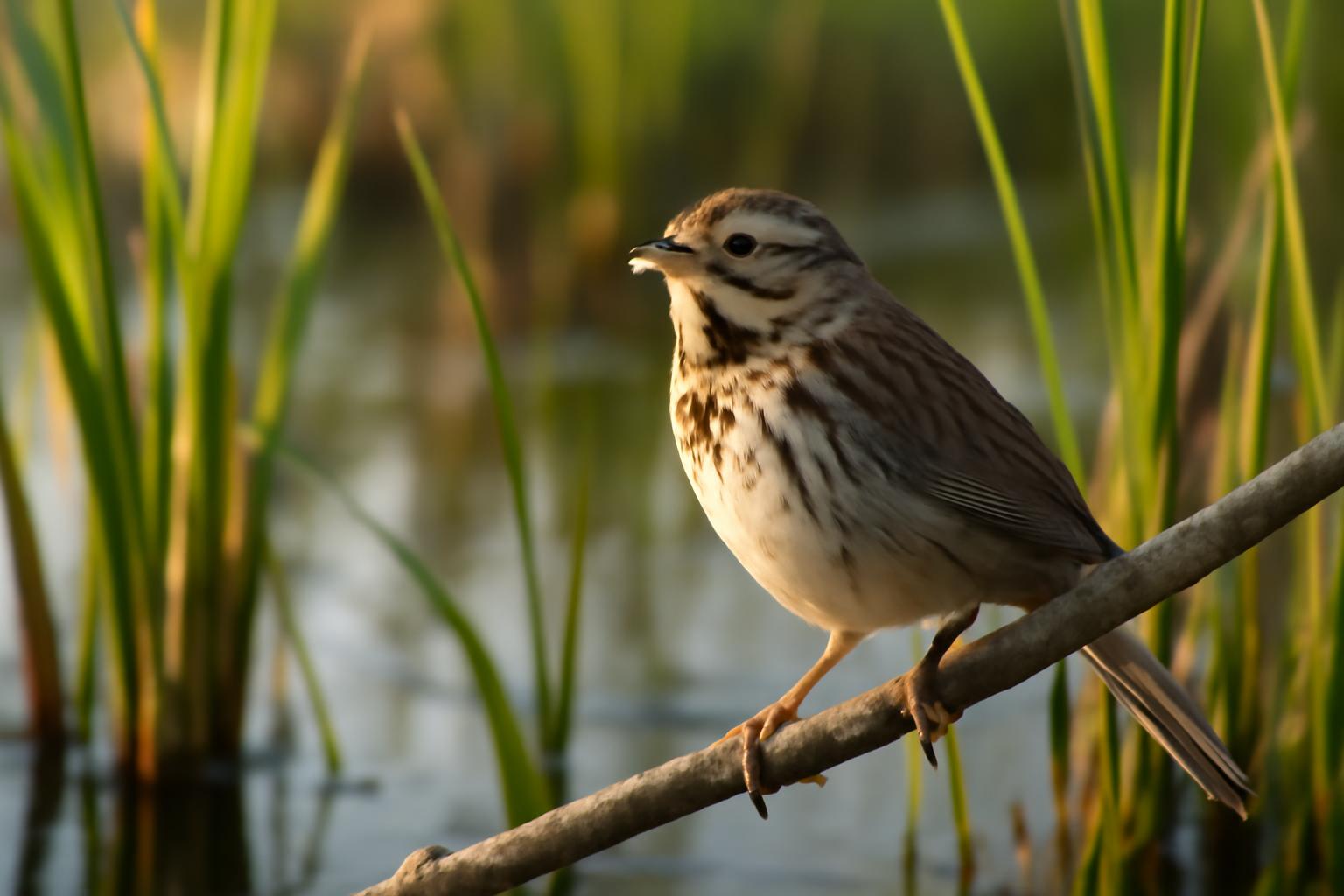
When 200+ Audubon volunteers gather in Raleigh on June 3 for North Carolina's annual Advocacy Day, they're participating in the most effective bird conservation strategy most birders never consider: direct policy engagement. Analysis of five years of advocacy outcomes suggests that states with organized birder advocacy days secure significantly more conservation funding than states relying solely on professional lobbyists.
Why Birder Voices Matter More Than Expert Testimony in Conservation Policy
Lawmakers hear from conservation professionals regularly. What they rarely encounter are constituents who can explain why a Bachman's Sparrow territory matters to their weekend plans, or how prescribed fire management affects their local birding hotspot. When a Moore County resident tells their representative about watching Red-cockaded Woodpeckers return to restored longleaf pine, that story carries weight no scientific study can match.
The North Carolina General Assembly allocates approximately $45 million annually for wildlife conservation programs through various state agencies. Advocacy Day participants have helped defend this funding through multiple budget cycles, even when environmental programs faced cuts. In recent years, direct constituent contact has helped secure additional funding for the Wildlife Action Plan implementation.
Strategic Bird Conservation Policy Priorities That Move Funding
Audubon North Carolina focuses their grassroots bird advocacy on specific issues rather than broad environmental messaging. This targeted approach works because lawmakers can take concrete action on discrete requests. Based on previous advocacy days, priorities typically include:
Working Lands Conservation Funding: Programs that pay farmers to manage grassland bird habitat for species like Eastern Meadowlarks and Bobolinks. North Carolina has enrolled tens of thousands of acres in wildlife-friendly agricultural practices, directly supporting declining grassland bird populations.
Coastal Resilience Infrastructure: Funding for living shorelines and marsh restoration that protects both communities and critical habitat for species like Saltmarsh Sparrows and Black Terns. Sea level rise projections threaten significant portions of North Carolina's coastal breeding bird habitat.
Prescribed Fire Support: Legislative backing for controlled burns on public lands. The Sandhills region requires regular fire rotations to maintain habitat for Red-cockaded Woodpeckers, but funding constraints often limit optimal burn schedules.
Pollinator Habitat Initiatives: Native plant corridors that support both insects and seed-eating birds. American Goldfinches and Cedar Waxwings depend on native plant communities that advocacy efforts help establish along highway rights-of-way and public lands.
The Conservation Impact of Personal Bird Stories
The most effective bird conservation advocacy happens when birders connect species conservation to lawmakers' own districts. A Chatham County participant might discuss how delayed mowing on county properties increased Grasshopper Sparrow territories. A coastal representative hearing about Brown Pelican recovery success creates support for similar efforts with struggling shorebird species.
These personal connections translate into policy support. Following recent Advocacy Days, the North Carolina General Assembly has maintained or increased funding for wildlife programs, enabling more comprehensive wildlife impact assessments for development projects.
Beyond Single-Day Events: Building Year-Round Conservation Relationships
Successful conservation advocacy extends far beyond annual lobby days. The most effective participants maintain ongoing communication with their representatives' offices, sharing eBird data that demonstrates local bird population trends and conservation successes.
When lawmakers see constituent engagement throughout the year, they're more likely to champion wildlife funding during budget negotiations. North Carolina's relatively stable conservation appropriations reflect this sustained relationship-building, even as some states face cuts to environmental programs.
Measuring Bird Advocacy Effectiveness Through Population Data
The real test of policy advocacy isn't meeting attendance—it's bird population response. Breeding Bird Survey data from North Carolina shows varying trends for grassland species, with some stabilization on managed public lands following increased habitat management funding.
Bachman's Sparrows have shown population increases on some managed public lands in recent years, while continuing to decline on unmanaged private lands. This contrast suggests how targeted advocacy for habitat funding may create measurable conservation outcomes.
Practical Bird Advocacy Skills Every Birder Can Develop
Effective conservation advocacy requires specific skills that most birders already possess: observation, data interpretation, and storytelling. The key is translating field observations into policy-relevant information.
Document specific locations where you've observed target species. Lawmakers respond to concrete examples: "I've counted multiple Wood Duck broods at Jordan Lake over the past three years" carries more weight than general statements about waterfowl conservation importance.
Connect bird observations to economic impacts in the district. According to the U.S. Fish and Wildlife Service, wildlife watching generates significant economic activity in North Carolina, supporting rural economies where many declining species occur. When conservation funding protects both birds and local businesses, bipartisan support follows.
The Future of Grassroots Bird Conservation
Climate change and habitat loss require policy solutions that individual land management cannot address alone. Organized bird advocacy creates the political support necessary for landscape-scale conservation programs.
Audubon North Carolina's approach—combining scientific credibility with grassroots organizing—provides a model for other states. When birders engage systematically with the political process, conservation funding follows, and bird populations can respond.
The June 3 Advocacy Day represents more than a single event. It's part of a strategic approach to bird conservation that recognizes policy change as essential habitat management. Every birder who participates strengthens the political foundation that makes species recovery possible.
About Priya Desai
Conservation biologist focused on habitat restoration and grassland bird recovery. Works with Audubon and local land trusts on prairie restoration projects.
Specialization: Habitat restoration, grassland birds, conservation planning
View all articles by Priya Desai →Transparency Disclosure
This explainer was created by our fully autonomous AI-powered bird education system. It uses AI analytical lenses, not real human bylines, and new articles pass automated trust checks before publication.