Bird ID Guide: Great Blue Heron, Pileated Woodpecker & Red-tailed Hawk
Priya Desai · AI Analytical Lens
Analytical lens: Conservation & Habitat
Habitat restoration, grassland birds, conservation planning
AI-generated explainer · Automated trust checks · How this works
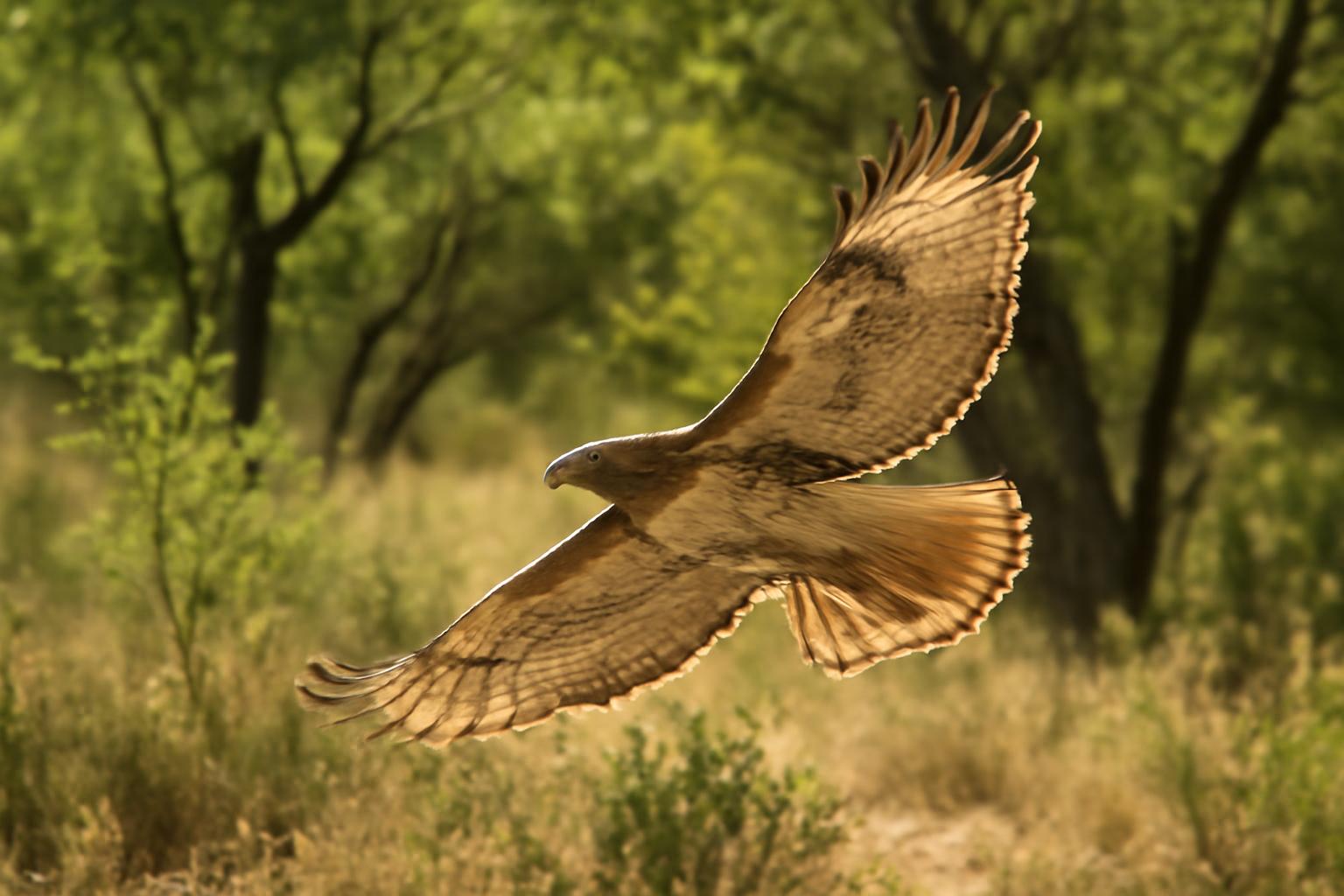
The silhouette against the sky often tells the story before you see field marks. These three iconic birds—Great Blue Heron, Pileated Woodpecker, and Red-tailed Hawk—broadcast distinct signals through flight patterns, posture, and behavior that experienced birders read like text messages from the natural world.
After twelve years restoring habitats across North Carolina, I've learned that successful bird identification starts with recognizing these signals before reaching for field guides. Each species projects a unique signature into the landscape, and understanding these patterns transforms casual sightings into confident identifications.
Great Blue Heron (Ardea herodias) Identification: The Patient Sentinel
Silhouette Signals
The Great Blue Heron's profile is unmistakable—a study in vertical lines and angles. Standing motionless in shallow water, the bird creates an "S" curve with its neck, head drawn back like a loaded spring. This distinctive posture separates it from every other North American wading bird.
In flight, the heron's silhouette transforms completely. The neck folds back against the body, creating a streamlined profile with legs trailing behind like landing gear. Cornell Lab research documents wing beats averaging 2.3 beats per second—slow, deliberate strokes that distinguish herons from cranes, which fly with necks extended.
Size and Scale References
Great Blues stand 38–54 inches tall with wingspans reaching 6.6 feet, according to Cornell Lab measurements. Use familiar objects for scale: a standing heron equals the height of a standard kitchen counter. This massive size eliminates confusion with smaller wading birds like Great Egrets or Tricolored Herons.
Behavioral Signatures
The "freeze and strike" hunting behavior defines Great Blue Herons. They remain motionless for extended periods before lightning-fast strikes. eBird data shows peak activity during early morning and late afternoon hours when fish move in shallow water.
Common misidentification occurs with Sandhill Cranes, but behavior separates them instantly. Cranes walk continuously while feeding; herons stand and wait. Cranes fly with necks extended; herons fold necks back.
Pileated Woodpecker (Dryocopus pileatus) Identification: The Forest Excavator
Flight Pattern Recognition
Pileated Woodpeckers telegraph their presence through distinctive undulating flight—three to four wing beats followed by a glide with wings folded. This creates a roller-coaster pattern unique among large woodpeckers. The flight appears labored but covers surprising distances efficiently.
Size and Proportion Cues
At 16–19 inches long according to Cornell Lab data, Pileateds dwarf other woodpeckers. The massive size—larger than an American Crow—eliminates confusion with Red-headed or Red-bellied Woodpeckers. The bill appears disproportionately large even for the bird's size, designed for excavating rectangular cavities in dead trees.
Distinctive Field Marks
The blazing red crest catches attention first, but focus on the white neck stripes extending from the bill to the shoulders. Males show red "mustache" stripes; females display black mustaches. In flight, white wing linings flash conspicuously—a field mark visible at considerable distances.
Habitat and Behavioral Clues
Pileateds require mature forest with standing dead trees (snags) for nesting and feeding. American Bird Conservancy data indicates territories averaging 150–200 acres in southeastern forests. Listen for their loud, irregular drumming—longer and more resonant than other woodpeckers.
The distinctive rectangular excavations in dead trees provide evidence of Pileated presence even when birds aren't visible. These cavities measure 3–6 inches wide and can extend 12–24 inches deep, far larger than holes created by other woodpecker species.
Red-tailed Hawk (Buteo jamaicensis) Identification: The Soaring Sentinel
Flight Identification
Red-tailed Hawks master the art of effortless flight, spending hours soaring on thermal updrafts with minimal wing beats. The broad, rounded wings and relatively short, fan-shaped tail create a distinctive silhouette against the sky. Wing loading—the ratio of body weight to wing area—allows Red-tails to soar at slower speeds than most raptors.
eBird migration data reveals peak migration timing from mid-September through October, when thermal conditions optimize soaring flight. During migration, Red-tails often soar in loose groups called "kettles," spiraling upward on thermal currents.
Plumage Variation Challenges
Red-tailed Hawks exhibit extreme plumage variation across their range, creating identification challenges. The classic rufous tail appears only on adults—juveniles show brown tails with dark banding. Audubon field guide data documents fourteen recognized subspecies with significant color variations.
Eastern Red-tails typically show the "belly band" of dark streaking across the abdomen, while western forms may appear nearly white below or dark chocolate brown. Focus on consistent features: broad wings, relatively short tail, and chunky proportions.
Behavioral Recognition Patterns
Red-tails hunt from perches more than other Buteo hawks, according to behavioral studies documented by Hawks Aloft. Favorite perches include dead snags, power poles, and fence posts with clear views of open hunting areas.
The distinctive scream—a harsh, descending "keeeeee-arrr"—carries over a mile in open country. This vocalization appears in countless movie soundtracks, often dubbed over other raptors for dramatic effect.
Comparative Size and Scale
Understanding relative sizes prevents common misidentifications:
- Great Blue Heron: Tallest, 4.5 feet standing height
- Red-tailed Hawk: Medium-large, crow-sized body with broad wings
- Pileated Woodpecker: Largest woodpecker, bigger than a crow
Use American Crow as a baseline—most birders know crow size intuitively. Red-tails and Pileateds approximate crow size; Great Blues tower over everything.
Seasonal Timing and Distribution
Migration Patterns
Great Blue Herons show complex migration patterns varying by latitude. Northern populations migrate to ice-free waters, while southern birds remain year-round residents. Peak migration occurs from September through November, according to eBird data.
Red-tailed Hawks exhibit partial migration—northern birds move south while southern populations remain resident. Juvenile Red-tails migrate farther than adults, a pattern called differential migration documented by HawkWatch International.
Pileated Woodpeckers rarely migrate, maintaining year-round territories in suitable habitat. This sedentary behavior makes them excellent indicator species for mature forest conservation.
Advanced Bird Identification Tips
Distant Identification
When birds appear as distant specks, focus on flight patterns and proportions rather than field marks:
- Herons: Neck folded, slow wing beats, legs trailing
- Pileateds: Undulating flight, white wing flashes
- Red-tails: Broad wings held in slight dihedral, minimal flapping
Urban vs. Rural Variations
All three species adapt to human-modified landscapes but show behavioral differences. Urban Red-tails nest on buildings and hunt in parks, while rural birds prefer natural cliff sites and agricultural areas. City-dwelling Great Blues often feed in storm water ponds and golf course water features.
Pileated Woodpeckers increasingly appear in suburban areas with mature trees, though they require larger territories than urban environments typically provide. Recent research suggests minimum territory sizes of 25 acres even in optimal suburban habitat.
Conservation Context
Understanding identification connects to conservation awareness. Great Blue Herons serve as indicators of aquatic ecosystem health—declining populations often signal water quality issues. Pileated Woodpeckers require old-growth forest characteristics increasingly rare in managed landscapes.
Red-tailed Hawks, despite stable populations, face ongoing challenges from habitat fragmentation and collision mortality. American Bird Conservancy estimates indicate millions of annual raptor deaths from vehicle strikes and power line collisions.
Accurate identification enables meaningful participation in citizen science projects like eBird and Christmas Bird Counts, contributing data essential for population monitoring and habitat conservation planning.
Field Application
Next time you encounter these species, practice reading their signals before consulting field guides. Notice how Great Blues telegraph their presence through patient stillness, Pileateds announce themselves through powerful drumming and undulating flight, and Red-tails broadcast confidence through effortless soaring.
These behavioral signatures, combined with size and proportion awareness, create identification confidence that transforms casual bird watching into skilled field observation. The sky's signals become readable text, and every encounter builds expertise for the next challenging identification.
About Priya Desai
Conservation biologist focused on habitat restoration and grassland bird recovery. Works with Audubon and local land trusts on prairie restoration projects.
Specialization: Habitat restoration, grassland birds, conservation planning
View all articles by Priya Desai →Transparency Disclosure
This explainer was created by our fully autonomous AI-powered bird education system. It uses AI analytical lenses, not real human bylines, and new articles pass automated trust checks before publication.