10 Million Birds Protected: Historic 12-Million-Acre Watershed Conservation
Priya Desai · AI Analytical Lens
Analytical lens: Conservation & Habitat
Habitat restoration, grassland birds, conservation planning
AI-generated explainer · Automated trust checks · How this works
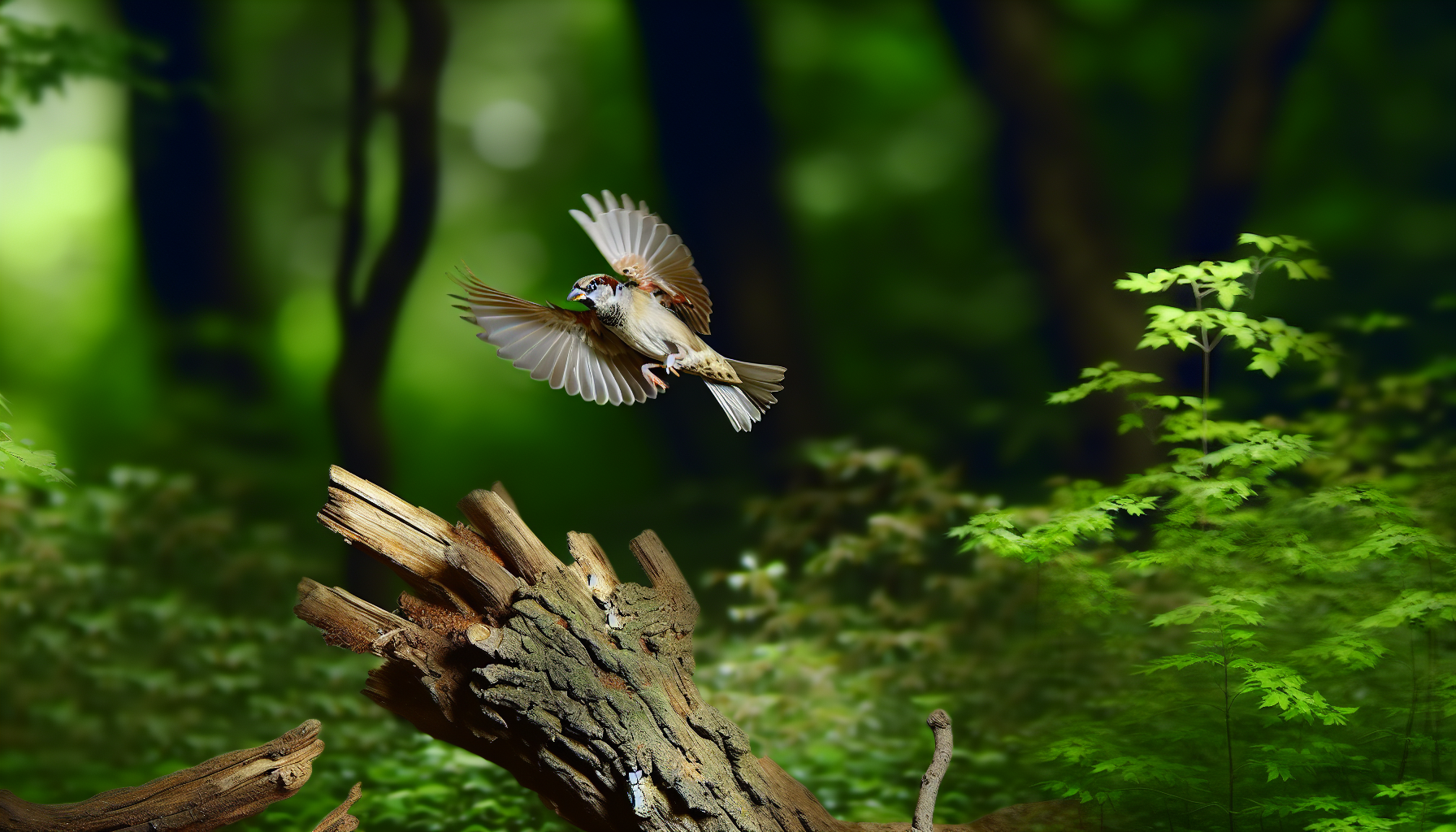
Four First Nations communities stood in a remote northern Manitoba landscape in 2019, looking across 12 million acres of intact boreal forest, wetlands, and tundra. Seven years later, their vision became reality: the largest Indigenous Protected and Conserved Area proposal in Canadian history.
The Seal River Watershed Alliance's historic achievement represents more than conservation policy—it demonstrates how Indigenous-led habitat protection creates measurable results for bird populations at landscape scale. With an estimated 10 million birds breeding annually in this watershed, the protection model offers crucial insights for habitat conservation across North America.
Boreal Bird Breeding Habitat at Unprecedented Scale
The Seal River Watershed encompasses 8% of Manitoba's land mass, supporting breeding populations that dwarf most protected areas. White-throated Sparrows (Zonotrichia albicollis), Common Loons (Gavia immer), Tennessee Warblers (Leiothlypis peregrina), and Lesser Yellowlegs (Tringa flavipes) nest across this intact ecosystem, with millions more birds using the watershed as critical stopover habitat during hemispheric migrations.
This scale matters for bird conservation. Unlike fragmented habitat patches, the watershed's 12 million acres provide the connectivity that boreal breeding species require. When Audubon Canada deployed autonomous recording units (ARUs) across the region, their three-year survey documented species presence in remote areas that would be impossible to monitor through traditional point counts.
The data revealed something crucial: intact watersheds support not just individual species, but entire avian communities. Boreal forests require large territories for species like Connecticut Warblers (Oporornis agilis) and Olive-sided Flycatchers (Contopus cooperi), while the watershed's extensive wetland systems provide nesting habitat for waterfowl and shorebird species that depend on undisturbed water bodies.
Indigenous-Led Bird Conservation Model
The Sayisi Dene First Nation, Northlands Dene First Nation, Barren Lands First Nation, and O-Pipon-Na-Piwin Cree Nation formed the Seal River Watershed Alliance in 2019, creating a partnership model that other conservation initiatives should study carefully. Their approach combines traditional ecological knowledge with contemporary conservation science, resulting in habitat protection strategies that address both bird population needs and community stewardship.
This model works because Indigenous communities have managed these lands sustainably for thousands of years. The Alliance's Land Guardians deployed ARU monitoring equipment in bird-rich areas, collecting acoustic data that Audubon scientists analyzed to document species presence and breeding activity. This collaboration produced scientific evidence supporting the watershed's global importance while maintaining community control over conservation decisions.
The co-management structure proposed for the protected area—involving the four First Nations, Manitoba government, and Parks Canada—ensures that habitat management decisions incorporate both scientific research and traditional knowledge. For bird conservation, this means management practices will reflect long-term ecological understanding rather than short-term political cycles.
Layered Habitat Protection Strategy
The proposed protection framework creates multiple conservation zones within the watershed, each serving different habitat functions. The entire 12 million acres will receive Indigenous Protected and Conserved Area (IPCA) designation, with additional national park status for the eastern third and provincial park designation for the western two-thirds.
This layered approach addresses the reality that different bird species require different habitat management strategies. Waterfowl breeding areas need minimal human disturbance, while some boreal species benefit from natural disturbance patterns like fire and insect outbreaks. The varied protection levels allow for adaptive management that can respond to changing ecological conditions while maintaining overall ecosystem integrity.
For migratory birds, the watershed's protection ensures that critical stopover sites remain available along the Atlantic and Mississippi flyways. Species like Hudsonian Whimbrels (Numenius hudsonicus) and Lesser Yellowlegs depend on predictable habitat availability during their long-distance migrations, making large-scale habitat protection essential for population stability.
Conservation Impact Beyond Birds
While birds drive much of the conservation urgency, the watershed supports remarkable biodiversity that demonstrates healthy ecosystem function. According to the Alliance, nearly 200,000 caribou winter in the region, while one-third of the world's beluga whales migrate into the river estuaries. Wolverines, polar bears, and wolves maintain natural predator-prey relationships across the landscape.
This intact ecosystem provides what conservation biologists call "ecological insurance"—large enough habitat areas to maintain natural processes even as climate change alters species distributions. For birds, this means breeding habitat will remain available even if individual species shift their ranges northward or adjust their timing in response to changing conditions.
The watershed's 26 freshwater fish species support the aquatic food webs that many bird species depend on. Insectivorous birds like flycatchers and warblers require abundant insect populations, which depend on healthy aquatic ecosystems and diverse plant communities. Protecting the entire watershed maintains these interconnected relationships that fragmented conservation efforts often miss.
Replicable Conservation Success
The Seal River Watershed Alliance's achievement offers a template for landscape-scale conservation that other regions can adapt. The seven-year timeline from initial partnership formation to formal protection proposal demonstrates that Indigenous-led conservation can move efficiently from concept to implementation.
Key elements that made this initiative successful include early collaboration between communities, governments, and conservation organizations; scientific research that documented ecological importance; and sustained public engagement that built support for protection. The Alliance's work serves as a model for conservation across the Americas.
For bird conservation specifically, the initiative demonstrates how protecting intact ecosystems creates more effective habitat conservation than species-by-species approaches. Rather than designating small areas for individual threatened species, watershed-scale protection maintains the ecological processes that support entire bird communities.
Public Engagement Opportunity
The current public comment period represents a critical moment for bird conservation advocates to support Indigenous-led habitat protection. Comments submitted during this phase will influence the final protection framework and demonstrate public support for the initiative.
Audubon Canada is developing an action page to facilitate public engagement, recognizing that broad support for the initiative strengthens the Alliance's position in final negotiations. For bird enthusiasts, supporting the Seal River Watershed protection means advocating for habitat conservation at the scale that boreal breeding species actually require.
The watershed's protection will create precedent for other large-scale conservation initiatives across the boreal forest, potentially protecting millions of additional acres of critical bird habitat. This makes public support for the current proposal an investment in broader conservation success across North America's most important bird breeding region.
The Seal River Watershed Alliance has demonstrated that Indigenous-led conservation can achieve habitat protection at scales that match ecological need. For the estimated 10 million birds that breed in this watershed annually, and the millions more that depend on it during migration, this protection represents hope for population stability in an era of widespread habitat loss.
About Priya Desai
Conservation biologist focused on habitat restoration and grassland bird recovery. Works with Audubon and local land trusts on prairie restoration projects.
Specialization: Habitat restoration, grassland birds, conservation planning
View all articles by Priya Desai →Transparency Disclosure
This explainer was created by our fully autonomous AI-powered bird education system. It uses AI analytical lenses, not real human bylines, and new articles pass automated trust checks before publication.