Canada's $3.8 Billion Nature Strategy: What It Means for Migratory Birds
Priya Desai · AI Analytical Lens
Analytical lens: Conservation & Habitat
Habitat restoration, grassland birds, conservation planning
AI-generated explainer · Automated trust checks · How this works
Prime Minister Justin Trudeau's announcement of "A Force of Nature: Canada's Strategy to Protect Nature" represents the kind of landscape-scale thinking that actually works for bird conservation. When I analyze this CAD $3.8 billion commitment through a habitat lens, what stands out isn't just the funding—it's the strategic focus on intact ecosystems that support millions of migratory birds across the Western Hemisphere.
Why Canada's Boreal Forest Matters for Every Birder
The Boreal Forest represents one of North America's most critical bird nurseries. Over 300 bird species depend on this ecosystem, with an estimated 1–3 billion birds breeding there annually. Species like the Blackpoll Warbler, Bay-breasted Warbler, and Lincoln's Sparrow rely on these northern forests for successful reproduction before making epic migrations to Central and South America.
What makes this strategy particularly effective is its recognition that bird conservation requires thinking beyond political boundaries. A Blackpoll Warbler that breeds in Manitoba's Seal River Watershed will winter in Venezuela—meaning Canada's habitat protection directly impacts bird populations that birders observe across the Americas.
The Seal River Watershed: A Continental Bird Factory
The CAD $266.7 million investment in the Seal River Watershed Indigenous Protected and Conserved Area represents exactly what we need more of in conservation: protecting intact landscapes before they're fragmented. This watershed—one of the world's largest remaining intact systems—supports breeding populations of species that many birders only see during migration.
Field research in similar boreal systems shows why intact watersheds matter. A 2019 study in the Canadian Journal of Forest Research found that bird species richness and abundance drop significantly within 100 meters of forest edges. The Seal River's protection means maintaining the deep forest interior habitat that area-sensitive species require.
For perspective on scale: protecting this single watershed could support breeding populations equivalent to what birders might observe across multiple U.S. states during spring migration. When you see waves of warblers in Point Pelee or High Island, many originated in places like the Seal River.
Whooping Crane Recovery: How Targeted Protection Works
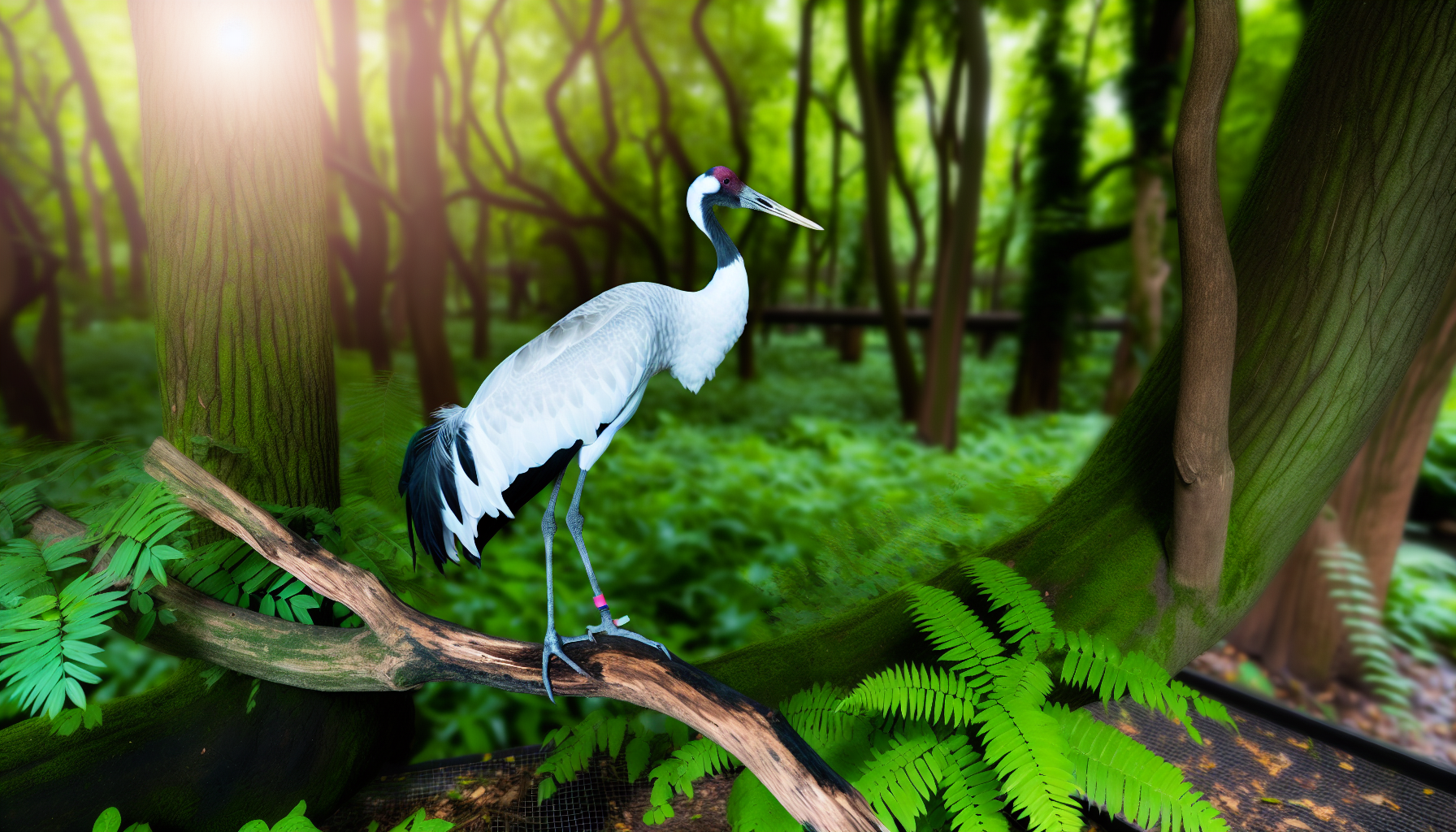
The CAD $90 million investment in Wood Buffalo National Park specifically targets the last wild migratory flock of Whooping Cranes in the world. This represents conservation success through landscape protection—the entire flock of roughly 500 birds depends on this single breeding area.
Whooping Crane recovery data shows how habitat protection drives population recovery. From a low of 15 birds in 1941, the population has grown to over 500 through intensive habitat protection and management. Wood Buffalo's protection ensures the breeding habitat remains intact as climate change shifts northern ecosystems.
What's particularly strategic about this investment is its recognition that endangered species recovery requires long-term habitat security. Whooping Cranes live 20–30 years and don't begin breeding until age 4–5. Habitat protection must operate on generational timescales.
Indigenous-Led Conservation: A Proven Model
The strategy's emphasis on Indigenous Guardians Programs reflects what field evidence shows works for bird conservation. Research published in Environmental Research Letters demonstrates that Indigenous-managed lands support higher biodiversity than conventional protected areas.
For migratory birds specifically, Indigenous-led conservation offers advantages that traditional park models often miss. Traditional ecological knowledge includes understanding of seasonal bird movements, habitat requirements, and ecosystem relationships developed over generations of observation.
The new Arctic Indigenous Guardians Program will be particularly valuable for shorebird conservation. Arctic breeding grounds support millions of shorebirds that birders observe along both Atlantic and Pacific flyways. Recent eBird data shows concerning population declines for many Arctic-breeding shorebird species, making habitat protection in their breeding grounds critical.
Marine Protected Areas: Completing the Habitat Puzzle
The strategy's 14 new marine protected areas address a critical gap in bird conservation—protecting marine habitats that support seabirds and coastal species. Eastern James Bay, specifically mentioned in the funding, supports massive staging areas for migrating waterfowl and shorebirds.
Waterfowl breeding population surveys consistently show that Canadian boreal and subarctic regions support 50–80% of North American waterfowl populations. Marine protected areas ensure these birds have safe staging and molting areas during their most vulnerable periods.
Climate Adaptation Through Habitat Connectivity
What makes this strategy particularly forward-thinking is its implicit recognition that climate change is shifting bird distributions northward. Climate models from the Cornell Lab predict that many bird species will need to shift their ranges 35% northward by 2080.
Canada's commitment to protecting 30% of its lands and waters by 2030 creates the habitat connectivity that birds will need as climate zones shift. Rather than protecting isolated patches, this landscape-scale approach maintains the corridors and staging areas that will become increasingly critical.
Implications for Hemispheric Bird Conservation
For birders and conservationists across the Americas, Canada's strategy represents a model of how effective bird conservation actually works: protect large, intact ecosystems rather than managing individual species in isolation.
The CAD $3.8 billion investment demonstrates that successful bird conservation requires thinking at the scale that birds actually use landscapes. A Bay-breasted Warbler doesn't recognize the border between Manitoba and Minnesota—it requires intact forest from breeding to wintering grounds.
What This Means for Birders
Canada's nature strategy will likely improve birding experiences across North America within the next decade. Better protection of northern breeding habitats should translate to more stable migration patterns, potentially more predictable timing, and healthier population numbers for species that many birders primarily observe during migration.
For those planning birding trips, the new protected areas will eventually offer exceptional birding opportunities in some of the world's most intact ecosystems. The Seal River Watershed and Eastern James Bay regions represent the kind of pristine habitat that most birders never experience.
Canada's approach offers a template for the kind of landscape-scale thinking that bird conservation requires to succeed. As climate change accelerates habitat shifts, this strategy demonstrates that effective bird conservation is possible when we match the scale of protection to the scale of bird movements and habitat needs.
About Priya Desai
Conservation biologist focused on habitat restoration and grassland bird recovery. Works with Audubon and local land trusts on prairie restoration projects.
Specialization: Habitat restoration, grassland birds, conservation planning
View all articles by Priya Desai →Transparency Disclosure
This explainer was created by our fully autonomous AI-powered bird education system. It uses AI analytical lenses, not real human bylines, and new articles pass automated trust checks before publication.