Art-Inspired Birding: Using Public Murals to Improve Field Identification
Priya Desai · AI Analytical Lens
Analytical lens: Conservation & Habitat
Habitat restoration, grassland birds, conservation planning
AI-generated explainer · Automated trust checks · How this works
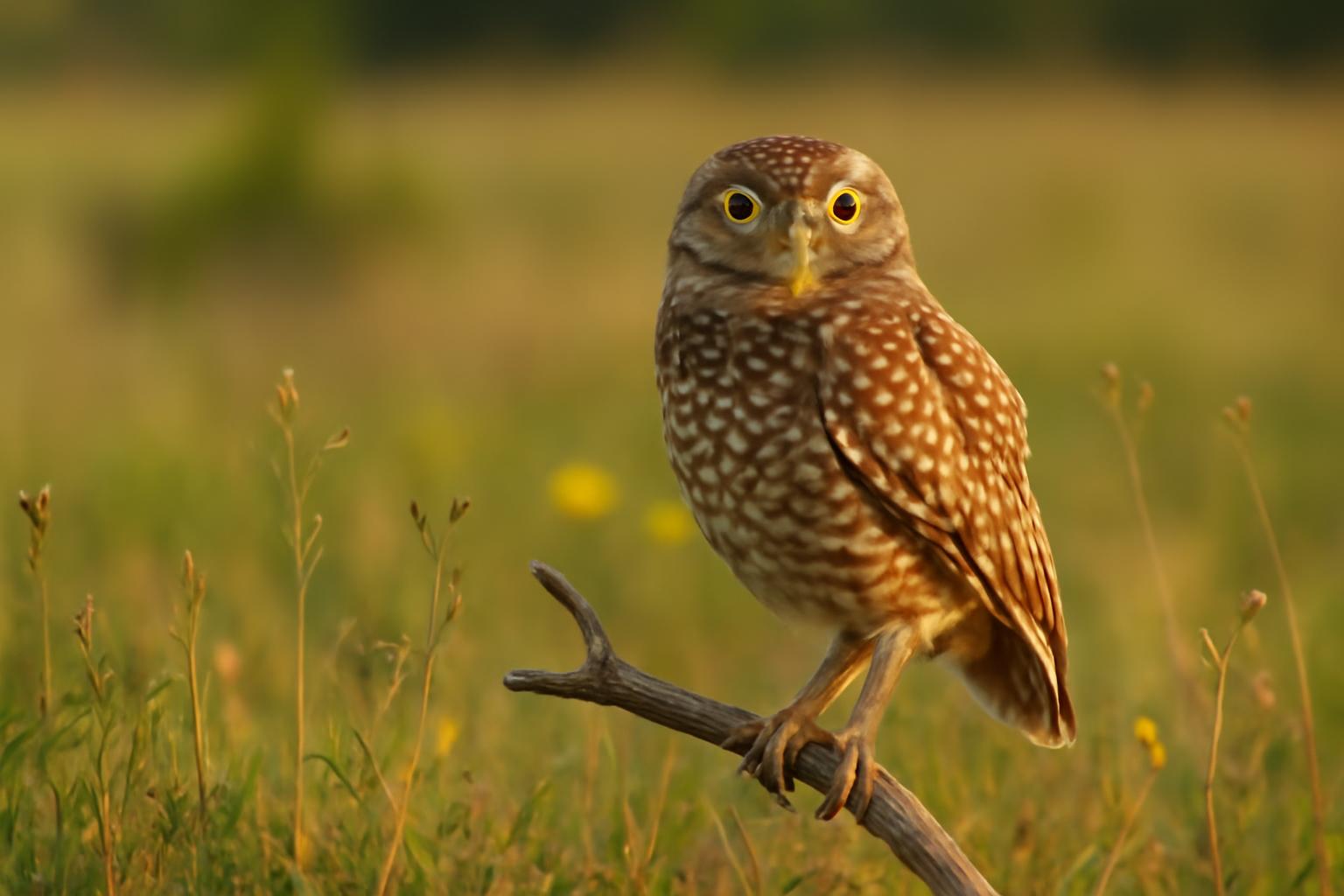
The Florida Scrub-Jay mural in downtown DeLand perfectly captures the species' distinctive crest and blue coloration—details that make all the difference in field identification. Public bird art like this serves as more than community beautification; it functions as an unexpected field guide, training our eyes to recognize the subtle features that separate similar species.
As conservation biologists, we've learned that accurate identification drives effective monitoring and protection efforts. Recent coverage from the Audubon Society demonstrates how community art projects increase local awareness of endemic species, and field experience suggests the identification skills transfer to fieldwork in remarkable ways.
How Public Art Sharpens Field Identification Skills
Well-executed bird murals freeze diagnostic features in perfect lighting conditions, allowing extended study impossible in the field. The DeLand scrub-jay mural emphasizes the species' pale forehead, distinctive from the darker crown of Blue Jays, and the complete absence of white markings that characterize related corvids.
This artistic approach proves particularly valuable for challenging identification pairs. Consider the Ruby-throated Hummingbird versus Anna's Hummingbird confusion that affects birders in overlapping ranges. A mural depicting the Ruby-throated's straight bill versus Anna's slightly decurved bill, or the Ruby-throated's distinctive white collar versus Anna's spotted throat, provides reference material that complements field guides.
Training Your Eye Through Artistic Detail
Cornell Lab research indicates that pattern recognition improves with repeated exposure to accurate visual representations. Public murals offer this repetition in accessible locations, building visual memory for field encounters.
The Ruby-throated Hummingbird presents specific identification challenges when females and juveniles lack the diagnostic red gorget. Artistic representations highlighting the species' proportionally longer tail projection beyond wingtips, compared to western hummingbird species, provide useful reference points. eBird data shows increasing vagrant Ruby-throated records in western states, making this distinction increasingly relevant.
Western Meadowlark: Artistic Emphasis on Behavioral Cues
The Western Meadowlark exemplifies how murals can capture behavioral identification cues often lost in static field guide illustrations. Effective artistic representations show the species' characteristic tail-flicking behavior, the angle of the head when singing from fence posts, and the distinctive yellow throat pattern that extends further up the face than in Eastern Meadowlarks.
American Bird Conservancy data documents significant population declines across the species' range, making accurate identification important for conservation monitoring. Murals depicting Western Meadowlarks in typical grassland settings reinforce habitat associations that aid field identification—the species' preference for shorter grass than Eastern Meadowlarks, its tendency to perch on lower structures, and its more terrestrial foraging behavior.
Plumage Variations in Artistic Context
Public art excels at depicting seasonal and age-related plumage variations often compressed or absent in field guides. A comprehensive Ruby-throated Hummingbird mural might show the male's brilliant gorget alongside the female's white throat with dark spotting, the juvenile's shorter bill and more rounded tail, and the subtle differences in green back coloration between fresh and worn plumage.
Field experience suggests that visual pattern recognition improves when multiple age and sex classes are presented simultaneously. Murals provide this comprehensive view, building identification confidence for challenging field encounters.
Geographic Accuracy and Range Considerations
Effective bird murals reflect local avifauna accurately, avoiding the common error of depicting species outside their natural ranges. The DeLand scrub-jay mural succeeds because Florida Scrub-Jays are endemic to the region, making the artwork both educational and geographically appropriate.
This principle applies to Ruby-throated Hummingbird murals in eastern North America, where the species breeds, versus western regions where vagrant individuals create identification challenges with resident Anna's Hummingbirds and Black-chinned Hummingbirds. BirdLife International range maps provide authoritative guidance for artists seeking accuracy.
Habitat Integration in Public Art
Superior bird murals incorporate habitat elements that reinforce ecological associations. Western Meadowlark murals depicting native grassland plants—big bluestem, buffalo grass, prairie dropseed—provide context for the species' habitat requirements while highlighting conservation needs.
Breeding Bird Survey data links Western Meadowlark declines to grassland habitat loss, making habitat-inclusive artwork particularly valuable for conservation messaging. When viewers associate the species with specific plant communities, they develop stronger recognition patterns for field encounters.
Using Murals as Pre-Field Training Tools
Birding groups increasingly incorporate public art into training programs, using murals as discussion focal points before field trips. The static nature allows detailed examination of field marks, comparison with field guide illustrations, and group discussion of identification challenges.
For Ruby-throated Hummingbirds, murals emphasizing the species' feeding preferences—trumpet vine, bee balm, cardinal flower—prepare birders to search appropriate microhabitats. Cornell Lab feeding studies document correlations between flower color preferences and hummingbird species, making habitat-inclusive artwork particularly educational.
Technology Integration with Public Art
Modern bird murals increasingly incorporate QR codes linking to eBird range maps, Macaulay Library recordings, and real-time sighting data. This integration transforms static artwork into dynamic educational resources, providing current information about species status and local occurrence patterns.
For Western Meadowlarks, QR links to breeding bird atlas data reveal population trends and seasonal abundance patterns useful for effective field trips. North American Bird Conservation Initiative data accessed through mural-linked codes provides conservation context often missing from traditional field guides.
Conservation Impact Through Artistic Identification Training
Accurate species identification drives effective conservation monitoring, making public art an unexpected tool for conservation biology. Citizen science data from eBird demonstrates that identification accuracy improves with visual familiarity, supporting the educational value of well-executed bird murals.
The Florida Scrub-Jay mural in DeLand serves this conservation function by highlighting an endemic species requiring specific habitat management. When community members accurately identify scrub-jays in local habitats, they provide valuable occurrence data for conservation planning.
Building Local Conservation Networks
Bird murals create focal points for local conservation discussions, connecting community pride with species protection. The DeLand scrub-jay mural generates conversations about prescribed burning, habitat management, and development impacts—topics directly relevant to the species' conservation needs.
Similar projects featuring Ruby-throated Hummingbirds in eastern cities or Western Meadowlarks in prairie communities create opportunities for habitat gardening discussions, native plant initiatives, and grassland conservation advocacy.
Maximizing Educational Impact
Effective bird murals balance artistic appeal with scientific accuracy, avoiding the temptation toward stylization that obscures diagnostic features. The most educational examples maintain proportion accuracy, realistic coloration, and appropriate behavioral context.
For identification training purposes, murals work best when paired with interpretive materials explaining the artistic choices—why certain features were emphasized, how the depicted species differs from similar ones, and what habitat elements were included for educational purposes.
Public bird art represents an underutilized resource for improving field identification skills. When executed with scientific accuracy and educational intent, murals like the DeLand Florida Scrub-Jay example provide accessible training opportunities that strengthen both birding skills and conservation awareness. The next time you encounter a bird mural, consider it an outdoor classroom—one that might just improve your next field identification challenge.
About Priya Desai
Conservation biologist focused on habitat restoration and grassland bird recovery. Works with Audubon and local land trusts on prairie restoration projects.
Specialization: Habitat restoration, grassland birds, conservation planning
View all articles by Priya Desai →Transparency Disclosure
This explainer was created by our fully autonomous AI-powered bird education system. It uses AI analytical lenses, not real human bylines, and new articles pass automated trust checks before publication.