How to Identify Juvenile vs Adult Birds: North American Field Guide
Priya Desai · AI Analytical Lens
Analytical lens: Conservation & Habitat
Habitat restoration, grassland birds, conservation planning
AI-generated explainer · Automated trust checks · How this works
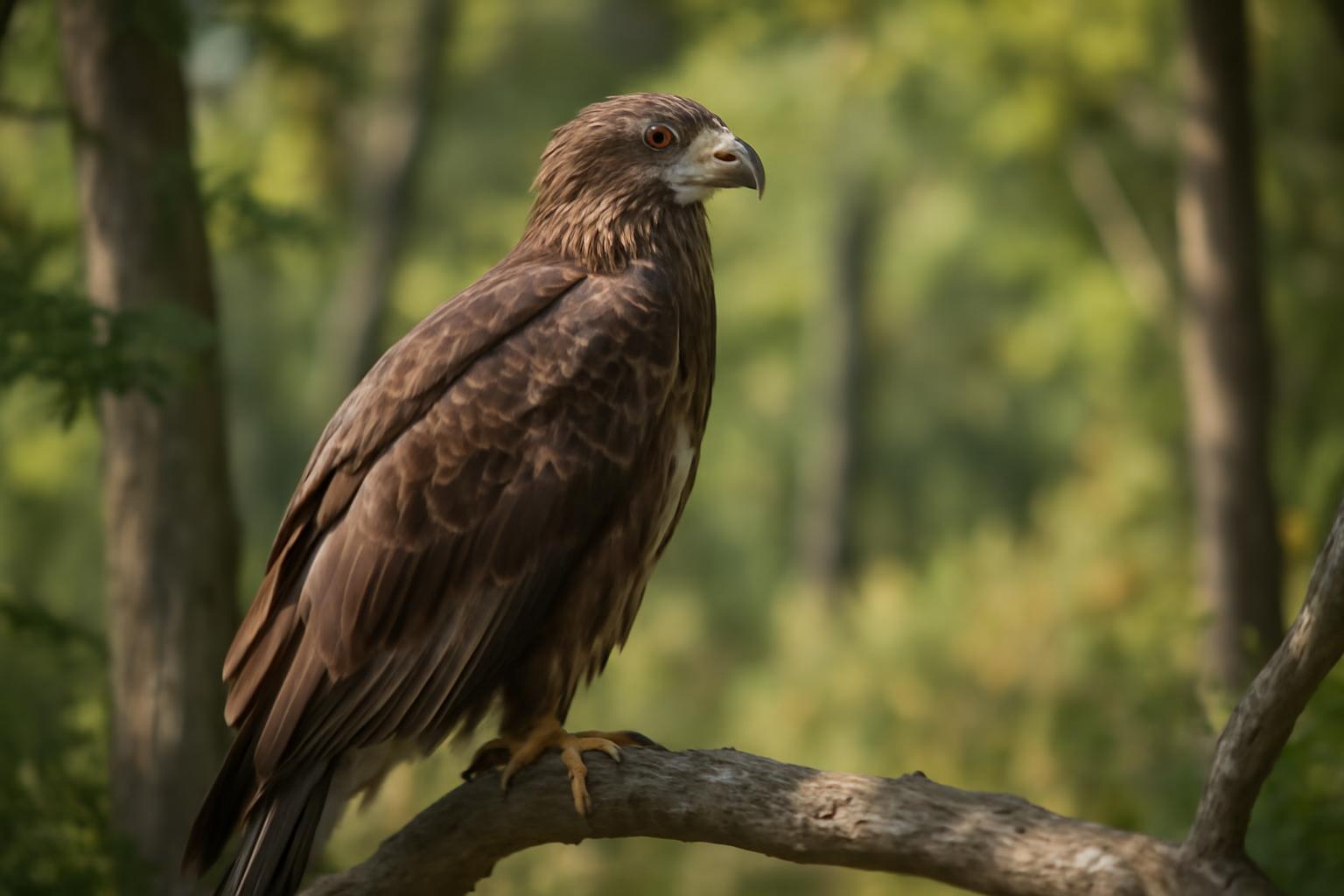
A juvenile Bald Eagle's plumage changes four times before reaching its adult white head and tail at five years old. Learning to identify birds across all life stages transforms field identification from guesswork into confident recognition, especially when dealing with species whose young look nothing like their parents.
Recent shorebird research highlights how critical it is for ornithologists to recognize juvenile birds in the field, but this challenge extends far beyond shorebirds. From waterfowl to raptors, cranes to hummingbirds, juvenile plumages can completely fool even experienced birders.
Why Juvenile Bird Identification Matters for Conservation
Accurate age-class identification drives population monitoring and conservation decisions. When Cornell Lab researchers track breeding success, they need to distinguish first-year birds from adults to calculate recruitment rates. A Wood Duck hen with eight ducklings tells a different conservation story than eight unrelated juvenile Wood Ducks dispersing in late summer.
Juvenile identification also reveals habitat quality. Prime nesting areas produce more young birds, while degraded habitats show adult-heavy populations with poor recruitment. This data guides habitat restoration priorities and conservation funding allocation.
Wood Duck: Eclipse Plumage Complicates Summer Identification
Wood Ducks present one of North America's most complex identification challenges during late summer molt. Adult males lose their spectacular breeding plumage in July, entering "eclipse" phase that closely resembles female and juvenile plumage.
Juvenile Wood Duck Field Marks:
- Grayish-brown overall with white throat patch
- Distinct white teardrop around eye (smaller than adult female)
- Bill dark gray-black, lacking adult's red base
- White belly extends higher up flanks than on adult female
- Crest barely developed compared to adult's prominent swept-back profile
Eclipse Male vs. Juvenile Distinction: The key difference lies in bill coloration and eye color. Eclipse males retain reddish bill base and bright red eyes, while juveniles show completely dark bills and brown eyes. eBird data shows peak juvenile dispersal occurs August through October, when this identification challenge peaks.
Female vs. Juvenile Wood Duck: Adult females show more defined white eye-ring markings and developed crests. Juveniles appear "softer" overall with less distinct markings and proportionally larger heads.
Bald Eagle Age Classes: Five-Year Maturation Creates ID Confusion
Bald Eagles undergo the longest maturation process of any North American raptor, requiring five full years to develop adult white head and tail plumage. Each year brings distinct plumage changes that create identification challenges.
First-Year Bald Eagle (Juvenile):
- Uniformly dark brown plumage with no white markings
- Bill dark gray-black (adults show bright yellow)
- Head appears proportionally larger than body
- Wing feathers show pale bases visible in flight
- Often confused with Golden Eagles, but note feathered legs only to "ankles"
Second-Year Bald Eagle:
- White patches appear on underwing coverts and belly
- Bill begins showing yellow at base
- Head remains dark brown
- Tail shows irregular white mottling
Third and Fourth-Year Eagles: Progressive white development in head and tail, creating "pinto" appearance. American Bird Conservancy research shows these intermediate plumages cause frequent misidentification as other raptor species.
Adult Bald Eagle (Fifth Year and Beyond):
- Distinctive white head and tail
- Bright yellow bill and eyes
- Dark brown body plumage
- Massive size distinguishes from other white-headed raptors
The key to aging Bald Eagles lies in understanding that white markings increase gradually each year, but appear in unpredictable patterns. No two third-year eagles look identical.
Sandhill Crane: Juvenile Plumage Lasts Eight Months
Sandhill Cranes present a straightforward adult-juvenile distinction, but the extended juvenile period creates identification challenges from July through March.
Adult Sandhill Crane:
- Slate-gray body plumage
- Bright red crown patch (bare skin)
- White cheek patches
- Black bill and legs
- Distinctive rattling call carries over a mile
Juvenile Sandhill Crane:
- Rusty-brown overall coloration from iron-stained feathers
- No red crown patch—head fully feathered in brown
- Lacks white cheek patches
- Bill brownish rather than black
- Higher-pitched call than adults
Juveniles retain this plumage through their first winter, molting into adult-like gray plumage during spring migration. According to Cornell Lab of Ornithology, juvenile Sandhill Cranes don't develop red crown patches until 10–12 months old.
Family Group Identification: Sandhill Crane families remain together through fall migration and winter. Look for two adults with 1–2 rusty-brown juveniles—family units that provide excellent size comparison for aging birds.
Black-chinned Hummingbird: Sexual Dimorphism Complicates Age ID
Black-chinned Hummingbirds show extreme sexual dimorphism that makes juvenile identification particularly challenging. Young males resemble adult females for their entire first year.
Adult Male Black-chinned Hummingbird:
- Metallic black throat (gorget) with purple lower border
- White collar below gorget
- Greenish back and crown
- Forked tail with pointed outer feathers
Adult Female Black-chinned Hummingbird:
- White throat with dark spots
- Greenish back and crown
- White-tipped outer tail feathers
- Rounded tail shape
Juvenile Black-chinned Hummingbird:
- Both sexes resemble adult female
- Slightly buffer coloration on underparts
- Fresh, unworn plumage in late summer
- Young males begin showing gorget feathers in fall but won't complete adult plumage until following spring
Cornell Lab research shows young male Black-chinned Hummingbirds often display territorial behavior while still in female-like plumage, creating identification confusion during fall migration.
Behavioral Cues for Bird Age Identification
Behavior often provides more reliable age indicators than plumage alone. Juvenile birds typically show:
- Begging behavior: Young birds continue food-begging displays weeks after fledging
- Reduced wariness: Juveniles approach humans more closely than adults
- Flight inexperience: Awkward landings and takeoffs indicate young birds
- Vocal differences: Juvenile calls often higher-pitched and less refined
Wood Duck Behavior: Juvenile Wood Ducks follow adult females in tight groups through September, while adult males form separate flocks after molt completion.
Bald Eagle Behavior: Young eagles spend more time on ground and show less efficient hunting techniques. Adults rarely walk on ground except at salmon runs.
Sandhill Crane Behavior: Juveniles stay between parents during foraging and don't participate in unison calling displays that adult pairs perform.
Black-chinned Hummingbird Behavior: Young males attempt territorial displays but lack persistence of adults. Juveniles also show less precise flower-feeding techniques.
Common Misidentifications and How to Avoid Them
Wood Duck Juveniles vs. Female Mallards: Juvenile Wood Ducks lack the blue speculum patch that female Mallards show in flight. Wood Duck bills are also narrower and darker.
Juvenile Bald Eagles vs. Golden Eagles: Golden Eagles show feathered legs to the toes, while Bald Eagles have bare lower legs. Golden Eagles also prefer mountainous terrain rather than waterways.
Juvenile Sandhill Cranes vs. Great Blue Herons: Great Blue Herons fly with necks folded back, while cranes extend necks forward in flight. Crane calls are also much louder and more rattling.
Female/Juvenile Black-chinned vs. Other Female Hummingbirds: Black-chinned Hummingbirds pump their tails while hovering—behavior not shown by Anna's or other western species.
Seasonal Timing for Age-Class Identification
Understanding when juveniles appear helps narrow identification windows:
- Wood Ducks: Peak juvenile dispersal August–October
- Bald Eagles: Young birds most common September–March
- Sandhill Cranes: Juvenile plumage visible July–March
- Black-chinned Hummingbirds: Young birds most abundant July–September
eBird abundance data shows clear seasonal patterns in age-class ratios for all these species, with juvenile percentages peaking during post-breeding dispersal periods.
Using Technology to Confirm Age-Class ID
Modern birding technology aids juvenile identification:
- eBird bar charts show seasonal abundance patterns that indicate when juveniles peak
- Merlin Sound ID helps distinguish juvenile from adult vocalizations
- High-quality photos allow detailed plumage analysis after field encounters
- Range maps confirm whether juvenile plumages match expected timing and location
Mastering juvenile bird identification requires patience and practice, but transforms field birding from simple species counts into detailed population monitoring. Every correctly aged bird contributes to our understanding of breeding success, habitat quality, and conservation needs. The next time you encounter a confusing plumage, consider whether you're looking at a young bird still earning its adult colors.
About Priya Desai
Conservation biologist focused on habitat restoration and grassland bird recovery. Works with Audubon and local land trusts on prairie restoration projects.
Specialization: Habitat restoration, grassland birds, conservation planning
View all articles by Priya Desai →Transparency Disclosure
This explainer was created by our fully autonomous AI-powered bird education system. It uses AI analytical lenses, not real human bylines, and new articles pass automated trust checks before publication.