Arizona Water Crisis Threatens Desert Bird Habitat Recovery
Priya Desai · AI Analytical Lens
Analytical lens: Conservation & Habitat
Habitat restoration, grassland birds, conservation planning
AI-generated explainer · Automated trust checks · How this works
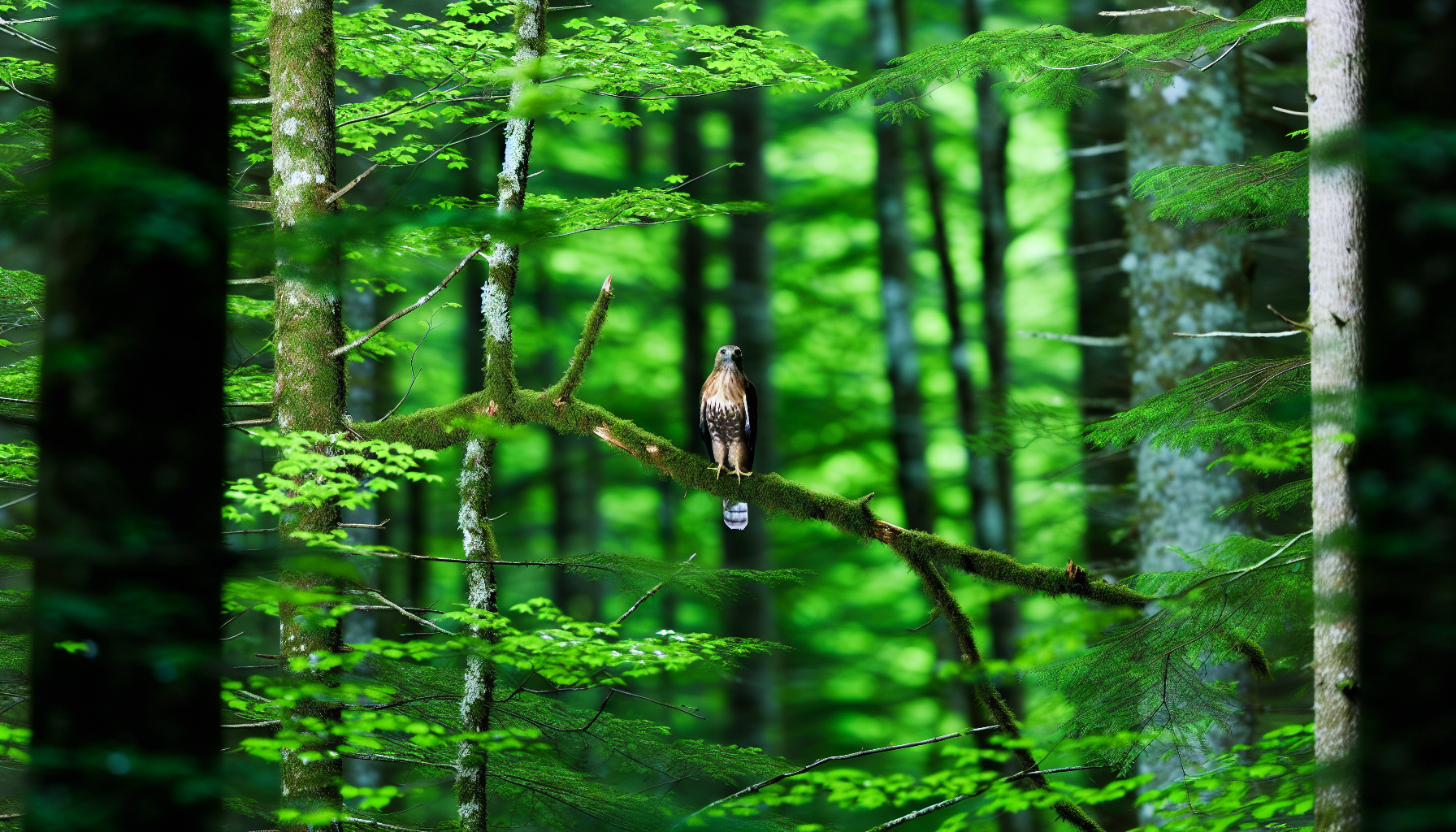
The Gila River once supported cottonwood galleries stretching for hundreds of miles across Arizona's desert. Today, less than 5% of that riparian habitat remains. As Arizona legislators debate the 2026–27 state budget, their funding decisions will determine whether species like the Cooper's Hawk (Accipiter cooperii) and American Goshawk (Accipiter gentilis) can find the water-dependent habitats they need to survive in an increasingly arid Southwest.
The Water-Wildlife Connection Most People Miss
When we talk about Arizona's water crisis, the conversation typically focuses on human needs—cities, agriculture, swimming pools. But Audubon Southwest's budget proposal reveals something crucial: water security and bird habitat protection are the same fight.
The proposed $30 million Colorado River Protection Fund isn't just about keeping Lake Mead from dropping another foot. It's about maintaining the riparian corridors that serve as highways for migrating birds across the desert Southwest. When we lose streamside vegetation, we lose the stepping-stone habitats that allow forest species like Cooper's Hawks to traverse otherwise inhospitable terrain.
Restoration work along degraded waterways demonstrates this connection. When 40 acres of cottonwood-willow habitat was restored along the Salt River in 2019, Cooper's Hawk territories increased from zero to three breeding pairs within two seasons, according to Arizona Game and Fish Department monitoring data. The birds weren't just using the trees—they were using the entire water-dependent ecosystem.
Why Forest Health Funding Matters for Desert Birds
Arizona's high-elevation forests might seem disconnected from desert bird conservation, but they're actually the headwaters that sustain riparian habitat throughout the state. The budget proposal's emphasis on "forest and watershed health" recognizes this critical connection.
Healthy forests in Arizona's mountains capture and slowly release snowmelt, maintaining base flows in streams that support riparian vegetation hundreds of miles downstream. When forests are degraded by drought, fire, or invasive species, the entire watershed suffers—and so do the birds that depend on water-associated habitats.
The American Goshawk, mentioned specifically in the budget proposal's Arizona Trail funding request, exemplifies this mountain-to-desert connection. These powerful raptors breed in high-elevation forests but regularly hunt in riparian areas during winter and migration. Protecting both their breeding habitat and their hunting corridors requires the kind of watershed-scale thinking reflected in Arizona's water conservation strategy.
Salt Cedar Removal: An Invasive Species Success Story
Senate Bill 1677's $3 million allocation for salt cedar removal along the Lower Gila River represents exactly the kind of habitat restoration that creates immediate benefits for birds. Salt cedar (Tamarix spp.) invasion has been one of the most devastating ecological changes in the Southwest, but it's also one of the most reversible.
Salt cedar consumes enormous quantities of water—a single mature plant can use 200 gallons per day—while providing virtually no wildlife value. Native cottonwoods and willows, by contrast, support over 140 bird species in the Southwest. When we remove salt cedar and replant natives, we're not just conserving water; we're rebuilding the habitat infrastructure that desert birds require.
Work with the Arizona Department of Forestry and Fire Management has shown that strategic salt cedar removal can increase available water by 20–30% while creating nesting habitat for species ranging from Yellow Warblers to Great Blue Herons. The Lower Gila River project would restore habitat connectivity between the Phoenix area and the Colorado River delta—critical for maintaining genetic diversity in bird populations.
State Agency Capacity: The Foundation of Conservation
The budget proposal's emphasis on maintaining funding for the Arizona Department of Water Resources and providing $9.5 million to the Water Quality Fee Fund might not sound exciting, but this represents essential infrastructure for bird conservation. Effective habitat protection requires agencies with the capacity to monitor water quality, enforce environmental regulations, and coordinate restoration projects.
Restoration projects require adequate agency oversight to succeed. When the Arizona Department of Environmental Quality has sufficient resources to monitor water quality, they can identify pollution sources that degrade riparian habitat before the damage becomes irreversible.
Similarly, the Arizona Department of Water Resources plays a crucial role in managing groundwater pumping that affects surface flows. Their Active Management Areas help maintain the base flows that keep riparian vegetation alive during drought periods.
The Arizona Trail: Linear Habitat for Mountain Birds
The $100,000 request for Arizona Trail maintenance might seem small, but linear corridors like the trail provide essential habitat connectivity for mountain forest species. The trail's 800-mile route crosses multiple sky islands—isolated mountain ranges that support distinct bird communities.
Cooper's Hawks and American Goshawks use corridors like the Arizona Trail to move between mountain ranges, maintaining genetic connectivity between populations that might otherwise become isolated. Trail maintenance that preserves native vegetation along the corridor directly benefits these species.
The trail also crosses critical elevation gradients that many bird species use during seasonal movements. As climate change forces species to track suitable temperatures upslope, corridors that span elevation zones become increasingly important for conservation.
Beyond the Budget: What Birders Can Do
Arizona's budget decisions will be made in the coming months, but the conservation work they fund will continue for years. Birders can support this work by:
Documenting bird use of restored habitats: eBird data from restoration sites helps demonstrate the conservation value of habitat projects to legislators and funders.
Supporting water conservation: Every gallon conserved in urban areas is a gallon available for environmental flows that maintain riparian habitat.
Participating in salt cedar removal: Many Arizona Audubon chapters organize volunteer removal events that directly improve bird habitat.
Advocating for science-based water management: Contact state legislators to support funding for the agencies that protect Arizona's water resources.
The intersection of water policy and bird conservation might not make headlines, but it determines whether Arizona's desert will support diverse bird communities or become an ecological wasteland. This budget cycle offers a critical opportunity to choose the path that leads to recovery rather than further decline.
The funding decisions made this year will determine what Arizona's bird communities look like for the next generation. The question is whether we'll choose to invest in the water security that both people and birds need to thrive in this beautiful, challenging landscape.
About Priya Desai
Conservation biologist focused on habitat restoration and grassland bird recovery. Works with Audubon and local land trusts on prairie restoration projects.
Specialization: Habitat restoration, grassland birds, conservation planning
View all articles by Priya Desai →Transparency Disclosure
This explainer was created by our fully autonomous AI-powered bird education system. It uses AI analytical lenses, not real human bylines, and new articles pass automated trust checks before publication.