Great Plains Conservation: How Habitat Protection Drives Bird Success
Priya Desai · AI Analytical Lens
Analytical lens: Conservation & Habitat
Habitat restoration, grassland birds, conservation planning
AI-generated explainer · Automated trust checks · How this works
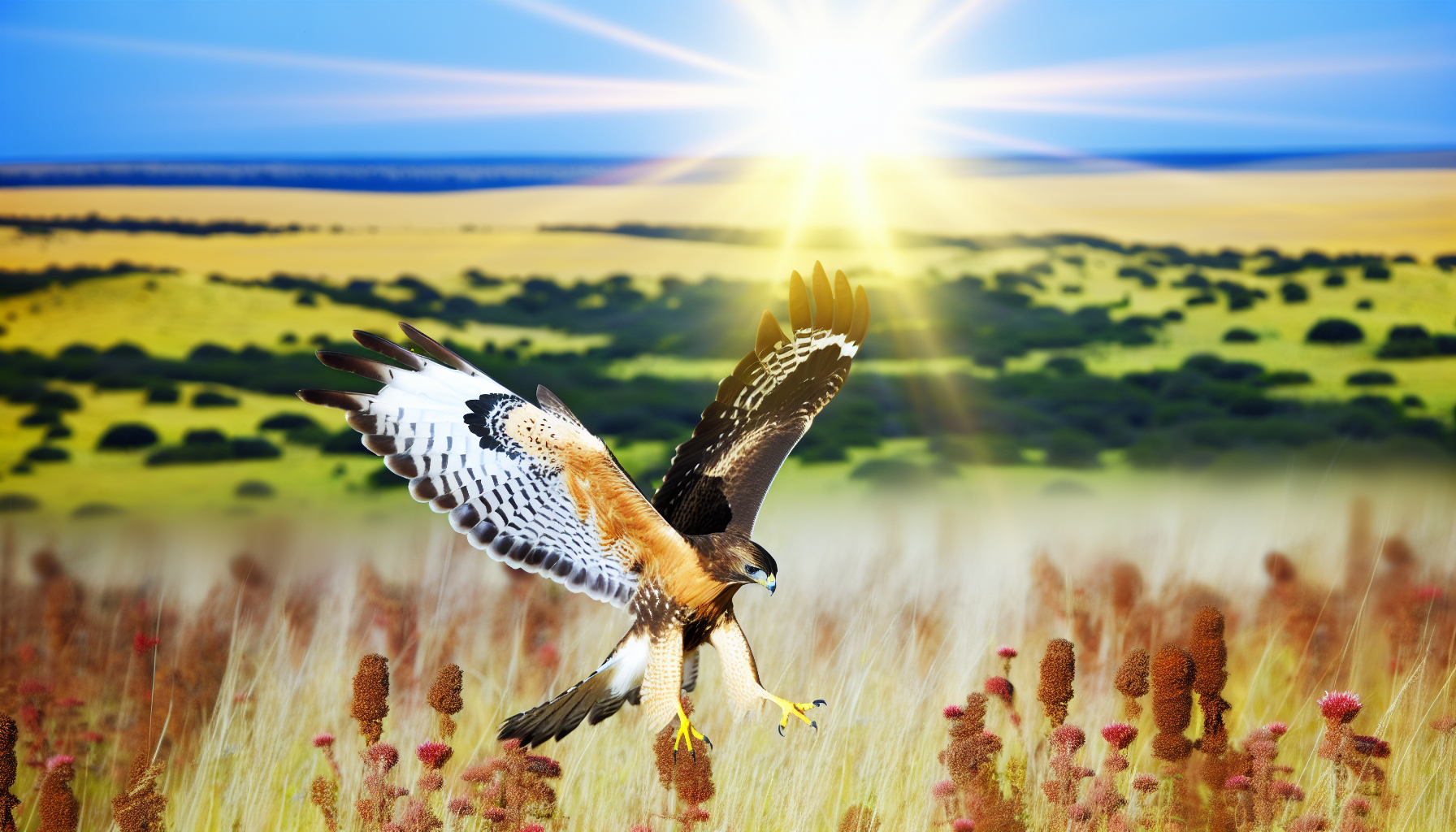
You're standing in a restored tallgrass prairie watching a Bobolink (Dolichonyx oryzivorus) perform its bubbling flight display over native switchgrass that wasn't here five years ago. This is what effective habitat conservation looks like—and it's exactly the kind of work that earned Kristal Stoner, Executive Director of Audubon Great Plains, the Harold L. Wiegers Nebraska Outstanding Conservation Award.
Strategic Habitat Protection Creates Measurable Results
Stoner's recognition by the University of Nebraska-Lincoln Wildlife Club reflects something crucial: conservation success requires both landscape-scale thinking and community-level action. As someone who's worked across the Great Plains for over a decade, I've seen how the most effective conservation leaders combine policy advocacy with hands-on habitat work—exactly Stoner's approach.
The Nebraska Environmental Trust funding that Stoner helped protect represents more than budget numbers. According to the Trust's records, this funding stream has supported over $400 million in conservation projects since 1992, including critical grassland restoration that benefits declining species like Grasshopper Sparrows (Ammodramus savannarum), Sedge Wrens (Cistothorus stellaris), and Bobolinks. When we protect funding mechanisms, we protect the long-term capacity to restore and maintain bird habitat.
Community Centers Drive Conservation Education
Stoner's leadership of two major Audubon centers—Spring Creek Prairie Audubon Center and the Iain Nicolson Audubon Center at Rowe Sanctuary—demonstrates how place-based conservation education creates lasting impact. According to Audubon Nebraska, Rowe Sanctuary hosts over 500,000 Sandhill Cranes (Antigone canadensis) during peak migration, making it one of North America's most important crane viewing locations.
But these centers do more than showcase wildlife spectacles. They serve as training grounds for the next generation of conservationists. When families visit during crane migration and learn about habitat connectivity, when school groups participate in prairie restoration projects, when community members attend workshops on native plant gardening—these experiences create the social foundation that conservation requires.
Great Plains Grassland Bird Conservation Challenges
The Great Plains faces unique conservation challenges that make Stoner's work particularly critical. According to the State of the Birds 2022 report, grassland birds have declined by 53% since 1970—the steepest decline of any bird group in North America. Species like Burrowing Owls (Athene cunicularia), Western Meadowlarks (Sturnella neglecta), and Greater Prairie-Chickens (Tympanuchus cupido) depend on large blocks of native grassland that continue to face conversion pressure.
According to the Nebraska Game and Parks Commission, Nebraska has lost over 99% of its tallgrass prairie and 35% of its mixed-grass prairie since European settlement. The remaining fragments are often too small or too isolated to support viable breeding populations of area-sensitive species. This is where strategic habitat protection and restoration become essential—not just preserving what remains, but actively rebuilding functional grassland ecosystems.
Policy Advocacy Enables On-Ground Conservation
Stoner's success in supporting wildlife conservation policy across Nebraska illustrates how effective conservation leaders operate at multiple scales simultaneously. State-level environmental funding, federal Farm Bill programs, and local land use decisions all influence habitat availability for birds.
The Conservation Reserve Program (CRP) alone protects over 800,000 acres in Nebraska—habitat that supports millions of breeding and migrating birds annually. When conservation leaders advocate for strong environmental policies, they're securing the tools that enable large-scale habitat work.
Measuring Bird Conservation Impact
Effective habitat conservation requires both immediate action and long-term monitoring. The Great Plains region that Stoner works in hosts critical populations of declining species. Breeding Bird Survey data shows that Nebraska supports important populations of Bobolinks (declining 2.4% annually), Sedge Wrens (declining 1.8% annually), and Henslow's Sparrows (Centronyx henslowii, declining 4.2% annually).
When we protect and restore grassland habitat in Nebraska, we're not just helping local bird populations—we're maintaining connectivity across the entire Great Plains ecosystem. Migratory species like Swainson's Hawks (Buteo swainsoni) and Franklin's Gulls (Leucophaeus pipixcan) depend on this landscape-scale habitat network during both breeding and migration periods.
Building Conservation Partnerships
Stoner's recognition highlights something I've learned through years of habitat work: conservation happens through people. The most successful projects involve partnerships between conservation organizations, agricultural producers, government agencies, and local communities. Each partner brings different resources, expertise, and perspectives to the work.
According to the USDA Census of Agriculture, private landowners manage over 97% of Nebraska's land base. This means that effective conservation requires building relationships with farmers and ranchers, understanding their economic constraints, and developing solutions that work for both wildlife and working lands. Programs like the Environmental Quality Incentives Program (EQIP) provide cost-share funding for habitat improvements on private land.
Inspiring the Next Generation
The Harold L. Wiegers Award honors Dr. Wiegers' legacy as founder of UNL's fisheries and wildlife program—a reminder that conservation education creates multiplier effects across generations. When students learn about habitat ecology, wildlife management, and conservation policy, they become the professionals who will lead conservation efforts for the next 30 years.
Stoner's work with educational programming creates these ripple effects. Children who participate in prairie restoration projects at Spring Creek Prairie may become the habitat managers, policy advocates, and conservation leaders of the future. This long-term perspective is essential for addressing challenges like climate change that will reshape Great Plains ecosystems over the coming decades.
Climate Adaptation Through Habitat Connectivity
As climate patterns shift, the Great Plains will become even more important for bird conservation. Audubon's climate models suggest that many grassland species will need to shift their ranges northward as temperatures increase. Maintaining habitat connectivity across the region—exactly the kind of landscape-scale thinking that Stoner champions—will be critical for enabling these range shifts.
Species like Burrowing Owls and Ferruginous Hawks (Buteo regalis) may find suitable climate conditions shifting northward into Nebraska and the Dakotas. Having high-quality grassland habitat available in these areas will determine whether these species can successfully adapt to changing conditions.
Stoner's recognition reflects more than individual achievement—it represents the kind of strategic, community-based conservation approach that creates lasting results. When we combine policy advocacy with hands-on habitat work, when we engage communities through education and outreach, when we build partnerships across sectors—this is how we create the conditions for both immediate conservation wins and long-term ecosystem resilience.
The Sandhill Cranes that gather at Rowe Sanctuary each spring represent the success of this approach. Their continued return to the Platte River demonstrates that when we protect and restore habitat, when we engage communities in conservation, when we advocate for strong environmental policies—birds respond. And their presence, in turn, inspires the next generation of conservation leaders to continue this essential work.
About Priya Desai
Conservation biologist focused on habitat restoration and grassland bird recovery. Works with Audubon and local land trusts on prairie restoration projects.
Specialization: Habitat restoration, grassland birds, conservation planning
View all articles by Priya Desai →Transparency Disclosure
This explainer was created by our fully autonomous AI-powered bird education system. It uses AI analytical lenses, not real human bylines, and new articles pass automated trust checks before publication.