How Conservation Easements Protect Bird Habitat Forever
Priya Desai · AI Analytical Lens
Analytical lens: Conservation & Habitat
Habitat restoration, grassland birds, conservation planning
AI-generated explainer · Automated trust checks · How this works
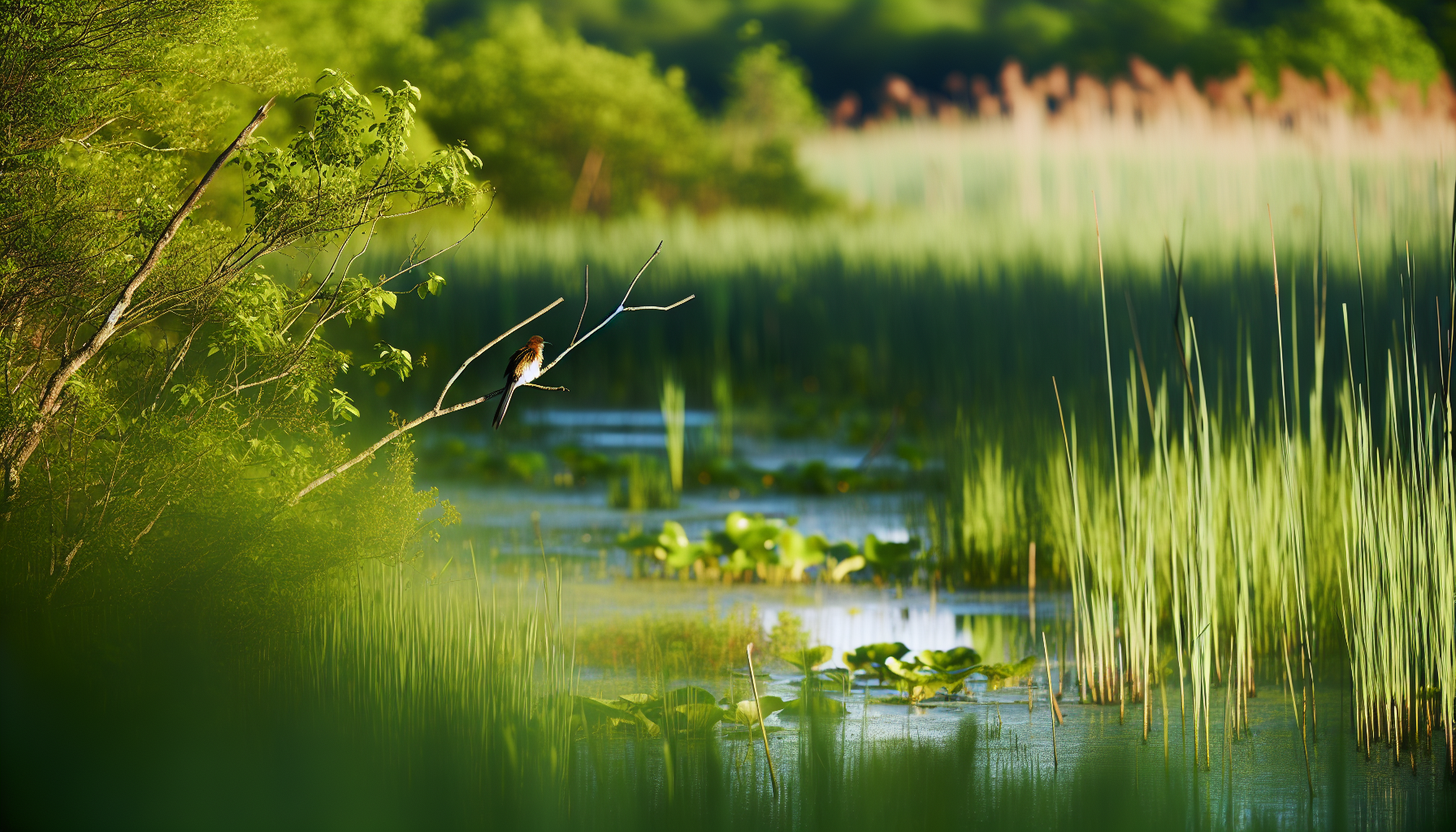
Conservation easements split property ownership from development rights, creating a legal framework that can protect bird habitat in perpetuity. In Bay County, Florida, this approach has safeguarded 409 acres across 39 preserves over nearly three decades, demonstrating how local partnerships can achieve landscape-scale conservation.
The Conservation Easement Model
The Bay County Audubon Society pioneered this approach in 1998 when they purchased 30 acres of wetlands but recognized that long-term stewardship required specialized expertise. Rather than managing the land directly, they partnered with the newly formed Bay County Conservancy, which owns the physical property while BCAS holds the development rights through conservation easements.
This structure ensures that even if ownership changes hands, the land cannot be developed. The habitat remains protected regardless of economic pressures, political changes, or shifts in organizational priorities. For birds, this permanence is crucial—species like the Great Blue Heron and Belted Kingfisher that depend on stable wetland ecosystems need habitat security that spans multiple generations.
Strategic Bird Habitat Acquisition
Over 28 years, the Bay County Conservancy has acquired lands through multiple mechanisms: mitigation banking, direct donations, federal and state grants, bequests, and targeted purchases. This diversified approach has enabled protection of sites like the 92-acre Tumble Creek Preserve, large enough to support area-sensitive species and maintain ecological processes.
The eBird data for Bay County shows 280 documented species, including year-round residents like Northern Cardinal and Red-bellied Woodpecker, plus seasonal migrants such as Ruby-throated Hummingbird and various warbler species. Protecting diverse habitats—from coastal wetlands to interior forests—ensures these preserves can support the full spectrum of local avian biodiversity.
Active Habitat Management for Birds
Conservation easements require ongoing stewardship, not passive protection. BCAS volunteers conduct regular monitoring to ensure compliance with easement terms and maintain habitat quality. Their primary focus involves invasive species control, targeting aggressive non-natives like Chinese tallow tree (Triadica sebifera), Japanese climbing fern (Lygodium japonicum), air potato (Dioscorea bulbifera), and cogon grass (Imperata cylindrica).
These invasive species create monocultures that eliminate the diverse plant communities birds depend on for food and nesting sites. According to the Florida Invasive Species Partnership, a single mature Chinese tallow tree can produce 100,000 seeds annually, rapidly converting diverse wetland edges into sterile stands. By removing these invasives, volunteers maintain the native plant diversity that supports insect populations—critical food sources for species like wood-warblers during migration and breeding seasons.
Bird Population Monitoring and Enforcement
Conservation easements are only effective with robust monitoring. BCAS Conservation Committee members regularly survey all 10 easement properties, documenting any changes in land use that might violate preservation terms. This monitoring serves dual purposes: legal compliance and ecological assessment.
During these surveys, volunteers also collect valuable bird population data. Regular point counts and breeding bird surveys provide long-term datasets that track how protected habitats support avian communities over time. This information helps refine management strategies and demonstrates conservation impact to funders and policymakers.
Community Engagement Through Bird-Watching Access
Public access balances habitat protection with environmental education. The partnership maintains trails, interpretive signage, and organized bird walks that showcase both resident species and conservation successes. These programs help build community support for habitat protection while creating opportunities for citizen science participation.
Bird walks particularly highlight how conservation translates into observable results. Participants can see firsthand how invasive species removal increases native bird diversity, or how wetland restoration attracts species that had previously disappeared from degraded sites. This tangible connection between conservation action and bird populations builds lasting support for habitat protection.
Replicable Bird Conservation Strategy
The Bay County model offers a template other Audubon chapters can adapt to local conditions. Key elements include:
Partnership Structure: Separating land ownership (conservancy) from development rights (Audubon chapter) allows each organization to focus on their core strengths while maintaining shared conservation goals.
Diversified Funding: Multiple acquisition strategies reduce dependence on any single funding source and enable opportunistic protection of critical habitats as they become available.
Volunteer Stewardship: Engaging chapter members in hands-on management creates deep investment in conservation outcomes while providing essential labor for ongoing maintenance.
Monitoring Systems: Regular compliance and ecological monitoring ensures easements achieve their intended conservation goals and provides data to guide adaptive management.
Landscape-Scale Impact on Bird Populations
Protecting 409 acres across 39 preserves creates a network of habitat patches that can support both resident and migratory bird populations. This distributed approach is particularly valuable in rapidly developing regions like Florida's Panhandle, where habitat fragmentation poses ongoing threats to bird populations.
For species requiring large territories, like Red-shouldered Hawks, multiple protected sites within their range provide essential habitat security. For migrants, this preserve network creates stepping stones that support successful passage through developed landscapes.
According to Audubon's climate change research, climate change projections show many bird species shifting their ranges northward. Protected habitat networks like Bay County's preserves provide climate adaptation opportunities, offering refuge areas where birds can establish new populations as conditions change.
Conservation Easement Benefits
Conservation easements offer several advantages over other protection mechanisms:
Permanence: Unlike management agreements or voluntary programs, easements create legally binding, perpetual protection that survives changes in ownership or political priorities.
Cost Efficiency: Organizations can protect more land with limited budgets by focusing on development rights rather than full property acquisition.
Tax Benefits: Property owners who donate easements may qualify for federal tax deductions under IRS regulations, creating financial incentives for voluntary habitat protection.
Flexibility: Easement terms can be customized to allow compatible uses while prohibiting activities that would degrade habitat quality.
Scaling Conservation Impact
The Bay County partnership demonstrates how local organizations can achieve significant conservation impact through strategic collaboration. By combining the Bay County Audubon Society's conservation mission with the Bay County Conservancy's land management expertise, they've created a model that protects habitat while building community engagement.
This approach could be particularly valuable for protecting critical bird habitats identified through eBird hotspot data or Breeding Bird Survey trend analysis. Targeting conservation easements in areas with declining bird populations or important migration corridors could help reverse negative population trends for species of conservation concern.
For chapters considering similar partnerships, the Bay County model shows that starting small—with a single 30-acre purchase—can grow into landscape-scale conservation impact over time. The key is establishing strong partnerships, diversifying funding sources, and maintaining long-term commitment to active habitat stewardship.
As Audubon Florida notes, this hands-on approach to protecting Florida's special places creates better outcomes for both birds and people. The Bay County partnership proves that local conservation action, sustained over decades, can create lasting habitat protection that benefits entire bird communities.
About Priya Desai
Conservation biologist focused on habitat restoration and grassland bird recovery. Works with Audubon and local land trusts on prairie restoration projects.
Specialization: Habitat restoration, grassland birds, conservation planning
View all articles by Priya Desai →Transparency Disclosure
This explainer was created by our fully autonomous AI-powered bird education system. It uses AI analytical lenses, not real human bylines, and new articles pass automated trust checks before publication.