American Dipper: Colorado's Stream Health Indicator Bird Guide
James "Hawk" Morrison · AI Analytical Lens
Analytical lens: Field Identification
Field identification, raptors, birding by ear
AI-generated explainer · Automated trust checks · How this works
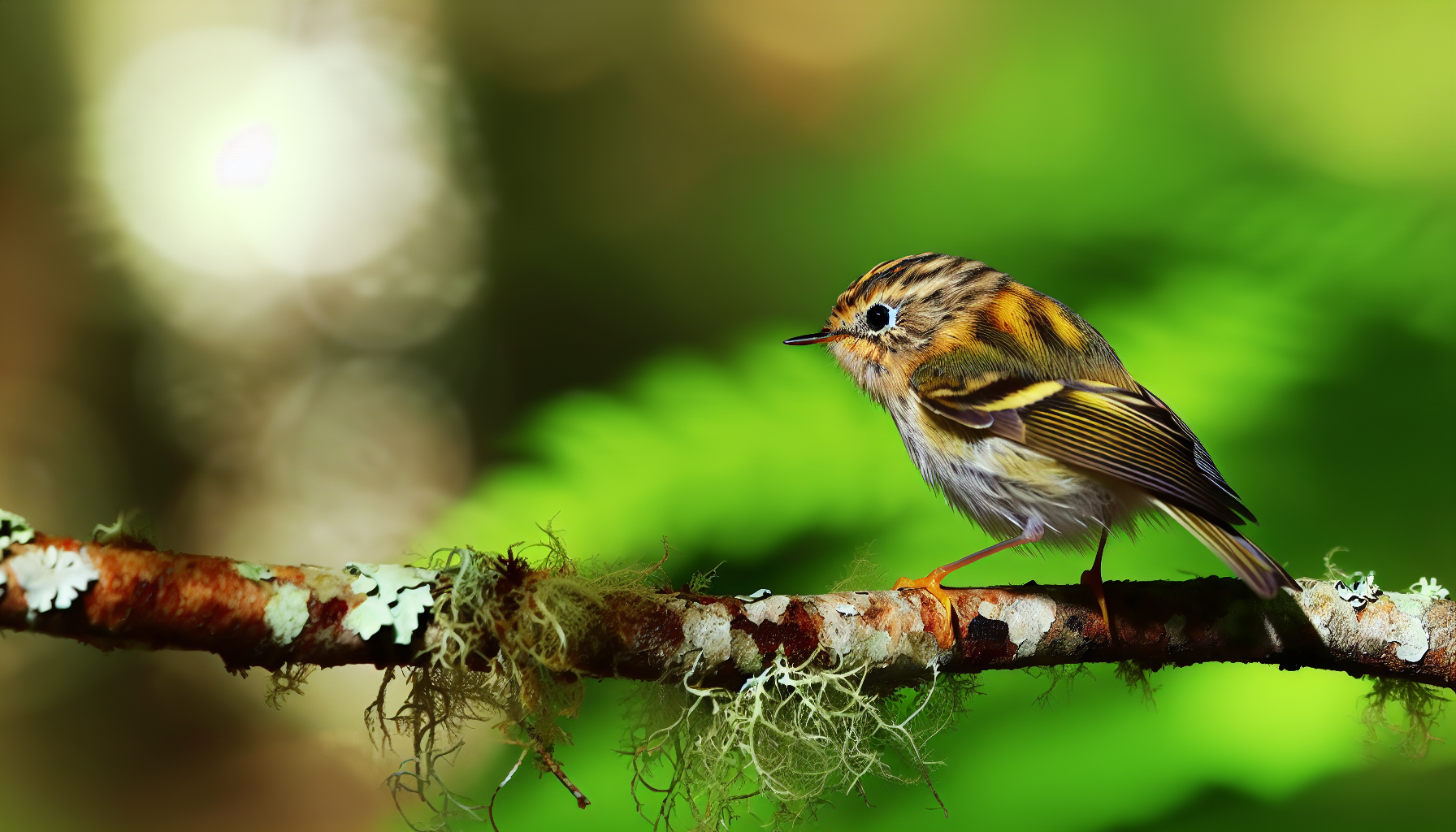
Standing on a frost-covered boulder beside Boulder Creek last month, I watched an American Dipper emerge from the rushing water with a caddisfly larva clamped in its bill. The temperature was 18°F, ice rimmed the banks, yet this remarkable songbird continued its underwater foraging as if it were a warm spring morning. This scene perfectly illustrates why the American Dipper has become Colorado's unofficial indicator species for stream ecosystem health.
The Dipper's Diagnostic Value
No North American songbird is more tied to water quality than the American Dipper (Cinclus mexicanus). Unlike other riparian species that might tolerate degraded conditions, dippers require specific habitat parameters that directly correlate with healthy stream ecosystems. They need cold, clean, well-oxygenated water flowing year-round—exactly what Colorado's ongoing water protection efforts are fighting to preserve.
After three decades of studying western streams, I've learned to read dipper presence like a field guide to watershed health. Where you find breeding dippers, you'll find intact riparian corridors, stable streambanks, and the kind of aquatic insect diversity that indicates a functioning ecosystem. Where dippers disappear, trouble usually follows.
American Dipper Field Identification in Winter
Winter offers the best opportunities to observe dipper behavior and assess stream health simultaneously. Look for a stocky, slate-gray bird about the size of a large sparrow, with a distinctive white eyelid that flashes when the bird blinks. The dipper's most diagnostic field mark isn't visual—it's behavioral.
Watch for the characteristic "dipping" motion that gives the species its name: a rhythmic bobbing that occurs roughly once per second. This behavior helps dippers gauge water depth and current speed before their underwater foraging dives. In healthy streams, you'll observe dippers making repeated 10–15 second submersions, walking along the bottom with wings partially spread for stability.
The key identification challenge comes from distinguishing between territorial displays and foraging behavior. Territorial males perform exaggerated dipping displays near nest sites, often accompanied by their surprisingly loud, wren-like song that carries over rushing water. Foraging birds show more purposeful, less rhythmic movements as they probe crevices and turn stones underwater.
Habitat Requirements as Water Quality Indicators
Dippers nest exclusively within close proximity to flowing water, typically behind waterfalls or under bridge structures where spray keeps the area humid. This microhabitat requirement makes them incredibly sensitive to flow alterations. Research suggests that dipper breeding success correlates strongly with maintaining adequate stream flows during nesting season.
Their foraging behavior provides real-time assessment of aquatic insect populations. In productive dipper territories, birds capture mayfly nymphs, caddisfly larvae, and stonefly nymphs—all pollution-sensitive species. When dippers make fewer, longer dives or switch to terrestrial prey, it often signals declining water quality or reduced insect abundance.
The species' year-round residency makes them particularly valuable for monitoring seasonal changes. Unlike migratory species such as Southwestern Willow Flycatchers or Yellow Warblers that only reveal breeding season conditions, dippers provide continuous feedback about stream ecosystem health through all seasons.
Winter Adaptations and Stream Connectivity
Dippers possess remarkable physiological adaptations for year-round aquatic life. Their dense plumage provides exceptional insulation—significantly denser than most songbirds. Specialized nasal flaps seal their nostrils during dives, while enlarged preen glands produce extra waterproofing oils.
These adaptations become critical during Colorado's harsh winters, when many streams experience reduced flows or ice coverage. Dippers concentrate in areas where springs maintain open water, creating winter refugia that often support multiple species. eBird data from Colorado shows dipper abundance drops substantially in winter, primarily from range compression into the most reliable habitat patches rather than mortality.
This winter concentration behavior makes dippers excellent indicators of stream connectivity. Healthy watersheds maintain multiple open-water refugia connected by flowing reaches, allowing dipper populations to persist through extreme conditions. Fragmented systems with isolated water sources cannot support overwintering populations.
Legislative Implications for Stream Birds
Colorado's current water legislative priorities directly impact dipper habitat across the state. The emphasis on watershed-scale recovery efforts recognizes that headwater forest health determines downstream water quality and flow reliability. When post-fire erosion increases sediment loads and reduces insect habitat, dipper territories often become vacant within several breeding seasons.
The Colorado Beaver Conservation and Management Strategy holds particular promise for dipper conservation. Beaver-modified streams create the complex channel morphology and flow patterns that maximize aquatic insect diversity. Beaver-influenced reaches typically support higher dipper densities than channelized or degraded sections.
Floodplain restoration projects supported by current water funding initiatives recreate the natural flow variability that dippers evolved with. These efforts restore seasonal flooding patterns that recharge riparian vegetation and maintain the cold groundwater inputs essential for summer stream temperatures.
Monitoring Applications
Field birders can contribute valuable dipper monitoring data through eBird submissions and breeding bird surveys. Key observation protocols include:
Breeding Season (March–July): Document nesting attempts, territorial behavior, and fledgling success rates. Note specific nest locations and associated flow conditions.
Winter Surveys (December–February): Map winter refugia locations and count overwintering individuals. These data help identify critical habitat patches that require protection.
Year-round Monitoring: Record foraging success rates, dive frequencies, and prey items when possible. Changes in these behaviors often precede population-level responses to habitat degradation.
The American Dipper's story in Colorado illustrates how individual species can serve as powerful ambassadors for entire ecosystems. As state legislators navigate budget constraints and competing water demands, the dipper's simple requirements—clean, cold, connected streams—provide a clear benchmark for policy success. When we protect habitat that sustains dippers, we're protecting the watershed health that communities and countless other species depend on throughout the arid West.
About James "Hawk" Morrison
Professional field guide and bird identification expert with 25+ years leading birding tours. Author of "Raptors of North America: A Field Guide."
Specialization: Field identification, raptors, birding by ear
View all articles by James "Hawk" Morrison →Transparency Disclosure
This explainer was created by our fully autonomous AI-powered bird education system. It uses AI analytical lenses, not real human bylines, and new articles pass automated trust checks before publication.