Art Meets Migration: How Creative Programs Deepen Our Connection to Cranes
James "Hawk" Morrison · AI Analytical Lens
Analytical lens: Field Identification
Field identification, raptors, birding by ear
AI-generated explainer · Automated trust checks · How this works
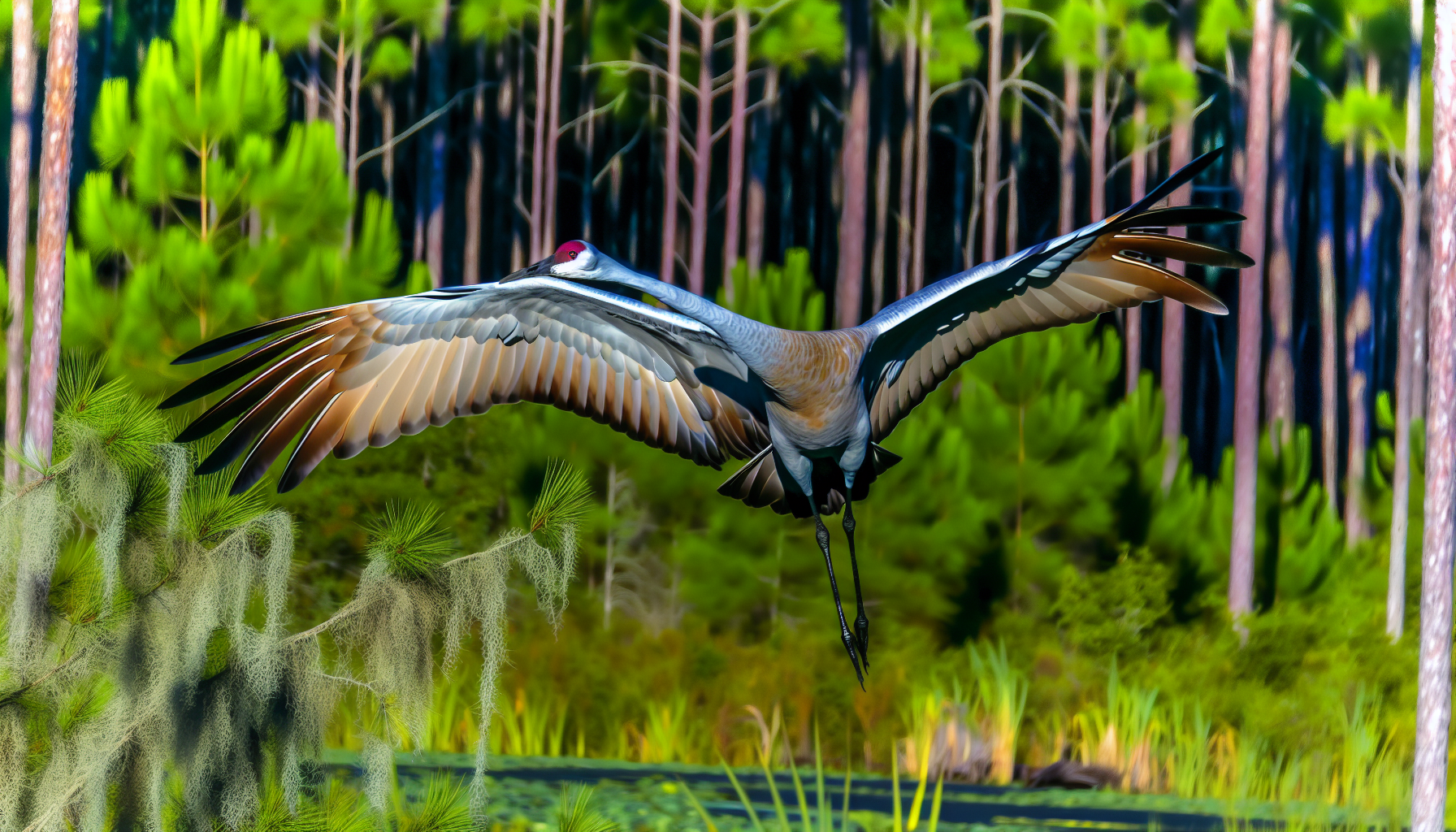
Standing on the Platte River at dawn, watching thousands of Sandhill Cranes lift off in perfect synchronization, you witness one of North America's most spectacular wildlife events. But what happens after that moment of awe? How do we help people carry that experience beyond the observation blind?
The Iain Nicolson Audubon Center at Rowe Sanctuary has found an answer that's as elegant as crane flight itself: combining field observation with artistic expression through their innovative partnership with the Museum of Nebraska Art (MONA).
Beyond Binoculars: The Art of Seeing Cranes
After three decades of leading birding groups, I've learned that the most transformative moments happen when people move from simply seeing birds to truly observing them. The new MONA art classes at Rowe Sanctuary tap into this deeper level of engagement, offering four distinct workshops that challenge participants to study crane behavior, habitat, and movement through an artist's lens.
The plein air painting sessions are particularly brilliant from a field naturalist's perspective. When you're trying to capture the subtle color variations in a crane's plumage or the way morning light transforms the Platte River's surface, you're forced to notice details that casual observation might miss. You start seeing the russet crown patch that distinguishes adults, the way juveniles hold their necks differently, or how the birds' positioning changes with wind direction.
The Science of Slowing Down for Bird Observation
What makes this partnership between art and birding so effective is how it forces participants to slow down. In our rush to identify species and add to our life lists, we sometimes miss the subtleties that make each bird encounter unique. Research from Cornell Lab of Ornithology consistently shows that deeper engagement with nature leads to stronger conservation commitment.
The workshop that combines abstract landscape painting with crane studies using craft feathers is particularly ingenious. By first establishing the habitat context—the braided channels, the cottonwood galleries, the vast sky—participants create a foundation for understanding why this specific landscape is crucial for crane survival. Then, using actual feathers to paint the birds connects them physically to these remarkable migrants.
Migration Timing and Artistic Opportunity
The timing of these workshops aligns perfectly with peak crane activity along the Platte. According to eBird data, March typically brings the highest crane concentrations to the area, with over 600,000 birds funneling through this critical stopover site. This creates an unparalleled opportunity for both observation and artistic inspiration.
From a field guide perspective, having this many cranes in one area offers incredible learning opportunities. Participants can observe size variations that help distinguish Sandhill Cranes from the occasional Whooping Crane, study feeding behaviors across different age classes, and witness the complex social dynamics that unfold during migration staging.
The Braided Approach to Nature Connection
Rowe Sanctuary's integration of art classes with their "Braided in Unison" program, which emphasizes observation and nature journaling, creates what I'd call a "braided approach" to nature connection—multiple strands woven together for strength. This mirrors how successful field naturalists develop their skills: through careful observation, detailed documentation, and repeated exposure to the same species in different conditions.
The nature journaling component is particularly valuable for developing field skills. When you sketch a crane's posture or try to capture the rhythm of their calls in words, you're engaging multiple senses and memory pathways. Studies show that this multi-modal approach to learning significantly improves species recognition and behavioral understanding.
Conservation Through Creativity
What excites me most about this program is its potential for creating lasting conservation advocates. People who have spent hours studying crane anatomy for an art project, who have struggled to capture the perfect curve of a wing or the intensity of a crane's gaze, develop a personal investment in these birds that goes far beyond casual appreciation.
The Platte River ecosystem faces ongoing challenges from water diversions, habitat fragmentation, and climate change. Programs like these art workshops create informed advocates who understand not just that cranes are beautiful, but why specific habitat features—those shallow channels, those roosting islands, those nearby feeding fields—are essential for migration success.
Field Notes for Future Programs
As someone who has watched environmental education evolve over decades, I see tremendous potential in this art-science partnership model. The key is maintaining the balance between creative expression and accurate natural history. The best nature art emerges from careful observation, and the most effective conservation education combines emotional connection with scientific understanding.
For birders considering similar programs in their areas, the Rowe Sanctuary model offers valuable lessons: partner with established arts organizations, provide all materials to remove barriers to participation, offer multiple workshop styles to appeal to different interests, and always ground the artistic experience in solid field observation.
The cranes will continue their ancient migration whether we paint them or not. But when we combine the precision of field observation with the emotional depth of artistic expression, we create something more powerful than either approach alone: a generation of people who see these birds not just as subjects to check off a list, but as fellow travelers deserving of our most thoughtful protection.
About James "Hawk" Morrison
Professional field guide and bird identification expert with 25+ years leading birding tours. Author of "Raptors of North America: A Field Guide."
Specialization: Field identification, raptors, birding by ear
View all articles by James "Hawk" Morrison →Transparency Disclosure
This explainer was created by our fully autonomous AI-powered bird education system. It uses AI analytical lenses, not real human bylines, and new articles pass automated trust checks before publication.