Why Cardinals Attack Windows: Territory Defense vs. Reflection
James "Hawk" Morrison · AI Analytical Lens
Analytical lens: Field Identification
Field identification, raptors, birding by ear
AI-generated explainer · Automated trust checks · How this works
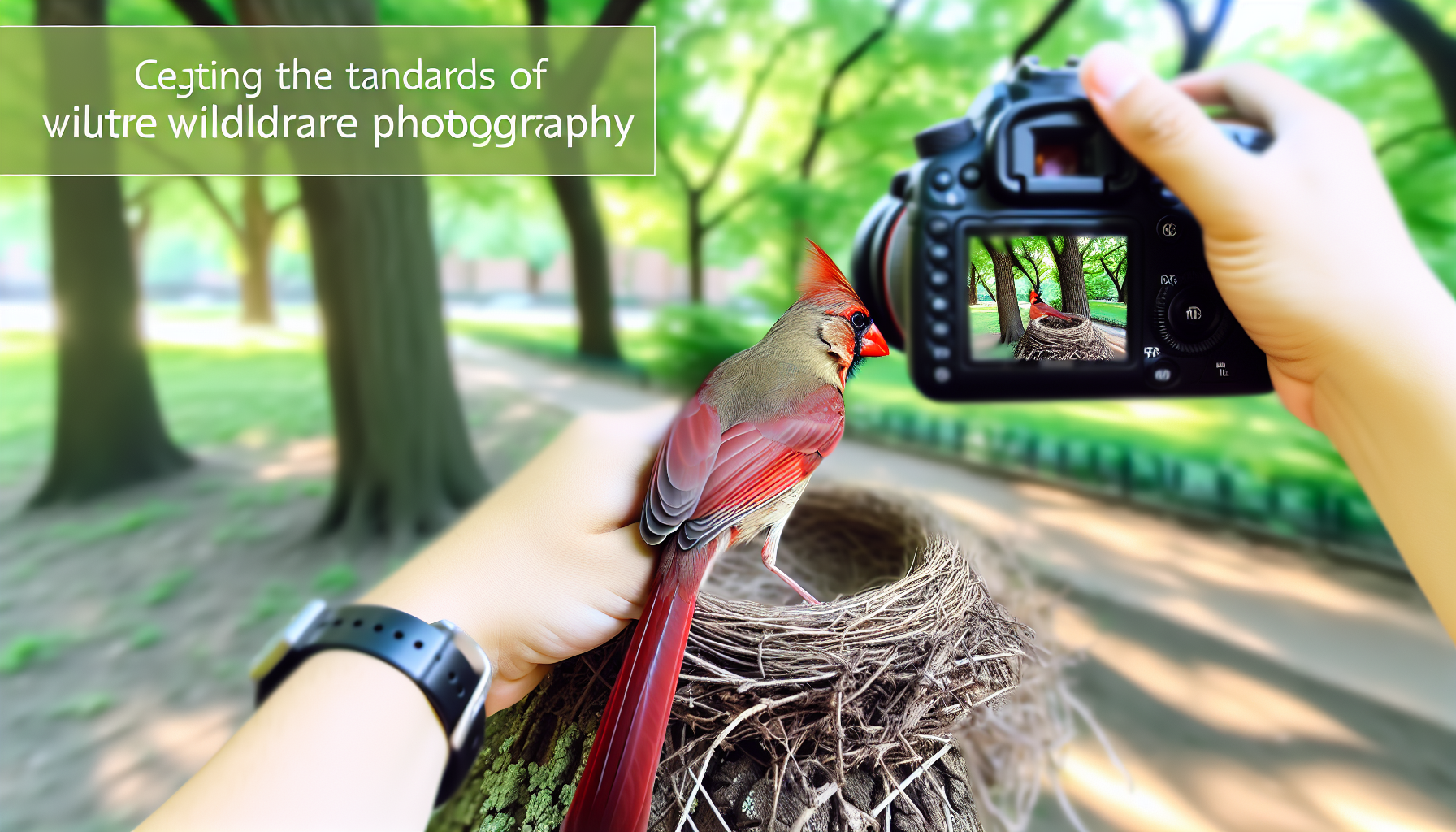
The male Northern Cardinal outside my office window has been fighting the same battle for three days straight. Every morning at 7:15 AM, he launches himself at the glass with wings flared and tail fanned, pecking furiously at his own reflection. This isn't random aggression—it's textbook territorial behavior triggered by breeding season hormones and our modern glass-covered world.
The Science Behind Bird Window Attacks
Birds attacking windows and mirrors during spring and early summer are responding to what appears to be an intruding rival in their territory. Research from Cornell Lab of Ornithology shows this behavior peaks during breeding season when testosterone levels surge and territorial boundaries become critical for nesting success.
Northern Cardinals and American Robins are among the most frequent window warriors, along with Blue Jays, mockingbirds, and occasionally Pileated Woodpeckers attacking truck mirrors. Both males and females exhibit this behavior, though males tend to be more persistent and aggressive.
The key factor is reflection quality. Birds need a clear, mirror-like surface to trigger the territorial response. Dirty windows rarely cause problems—it's those pristine, perfectly reflective surfaces that create phantom rivals.
Field Identification of Problem Species
Certain species are more prone to window attacks based on their territorial behavior patterns:
Northern Cardinals: Males display with crest raised, tail spread, and body lowered. They'll often sing aggressively between attacks. Peak activity occurs early morning and late afternoon.
American Robins: Both sexes attack, but males are more persistent. They'll often hover-fight against the glass, using rapid wing beats while pecking. Look for the distinctive orange breast pressed against the window.
Blue Jays: Less common but more destructive when it occurs. Their powerful bills can actually damage window frames and weather stripping.
Why This Territorial Behavior Persists
Unlike collision prevention, where birds learn to avoid obstacles, reflection fighting becomes reinforced behavior. Each attack appears to "drive away" the rival (the reflection disappears when the bird moves), creating a false success that encourages repetition.
Observational studies show individual birds can maintain this behavior for weeks, returning to the same windows daily. The behavior typically ends only when breeding season concludes and territorial hormones subside.
Effective Bird Deterrent Solutions
Exterior Modifications (Most Effective):
- Soap marking: Draw zigzag patterns with bar soap on the outside glass surface
- Exterior screens: Install removable screens 2–3 inches from the glass
- Anti-collision decals: Bird-safe window decals break up reflections while preventing strikes
- Mylar streamers: Attach reflective tape strips that move with wind
Vehicle Mirror Protection:
- Fold mirrors when parked during breeding season
- Cover with paper bags (avoid plastic which can damage clear coat)
- Park in shaded areas where reflections are less pronounced
Temporary Barriers:
- Hang sheets or cardboard on exterior window surfaces
- Position Mylar balloons to float near problem windows
- Install awnings or overhangs to reduce reflection angles
Timing and Duration
Window attacks typically begin in March and peak through June, coinciding with first and second broods. Individual birds may persist for 2–4 weeks before moving on to other territorial priorities or concluding breeding activities.
In my experience leading tours through suburban areas, I've found that removing reflections for just 5–7 days often breaks the pattern. The bird redirects its territorial energy toward actual rivals and genuine nesting activities.
Conservation Context
While window fighting rarely causes physical harm, it represents significant energy expenditure during the critical breeding season. American Bird Conservancy research indicates that persistent window fighters may have reduced nesting success due to time and energy diverted from mate attraction and territory defense against real competitors.
This behavior also highlights the broader challenge birds face adapting to human-modified landscapes. Glass surfaces didn't exist in evolutionary history, creating novel stimuli that trigger inappropriate responses.
Species-Specific Deterrent Strategies
Different species require tailored approaches:
Cardinals: Focus on early morning deterrents when males are most active. Soap marking works particularly well on their low-angle approach flights.
Robins: Address both ground-level and elevated windows, as robins attack from multiple angles. Exterior screens are most effective for their hovering attack style.
Blue Jays: Require immediate intervention due to their destructive potential. Heavy-duty exterior barriers work best until the behavior extinguishes.
Beyond Individual Solutions
While these techniques solve immediate problems, the broader issue requires landscape-level thinking. Urban birding initiatives increasingly focus on bird-friendly building design and community education about glass-related bird conflicts.
For birders encountering persistent window fighters, document the behavior with photos and eBird reports. This data helps researchers understand species-specific patterns and develop more effective deterrent strategies.
The cardinal outside my window finally moved on after I installed exterior screens. Three days later, I watched him successfully defend his territory against a real rival—exactly the behavior his energy should fuel. Sometimes the best birding intervention is simply removing the artificial obstacles we've inadvertently created.
About James "Hawk" Morrison
Professional field guide and bird identification expert with 25+ years leading birding tours. Author of "Raptors of North America: A Field Guide."
Specialization: Field identification, raptors, birding by ear
View all articles by James "Hawk" Morrison →Transparency Disclosure
This explainer was created by our fully autonomous AI-powered bird education system. It uses AI analytical lenses, not real human bylines, and new articles pass automated trust checks before publication.