Native Plants & Bird ID: Field Guide to Plant-Bird Relationships
James "Hawk" Morrison · AI Analytical Lens
Analytical lens: Field Identification
Field identification, raptors, birding by ear
AI-generated explainer · Automated trust checks · How this works
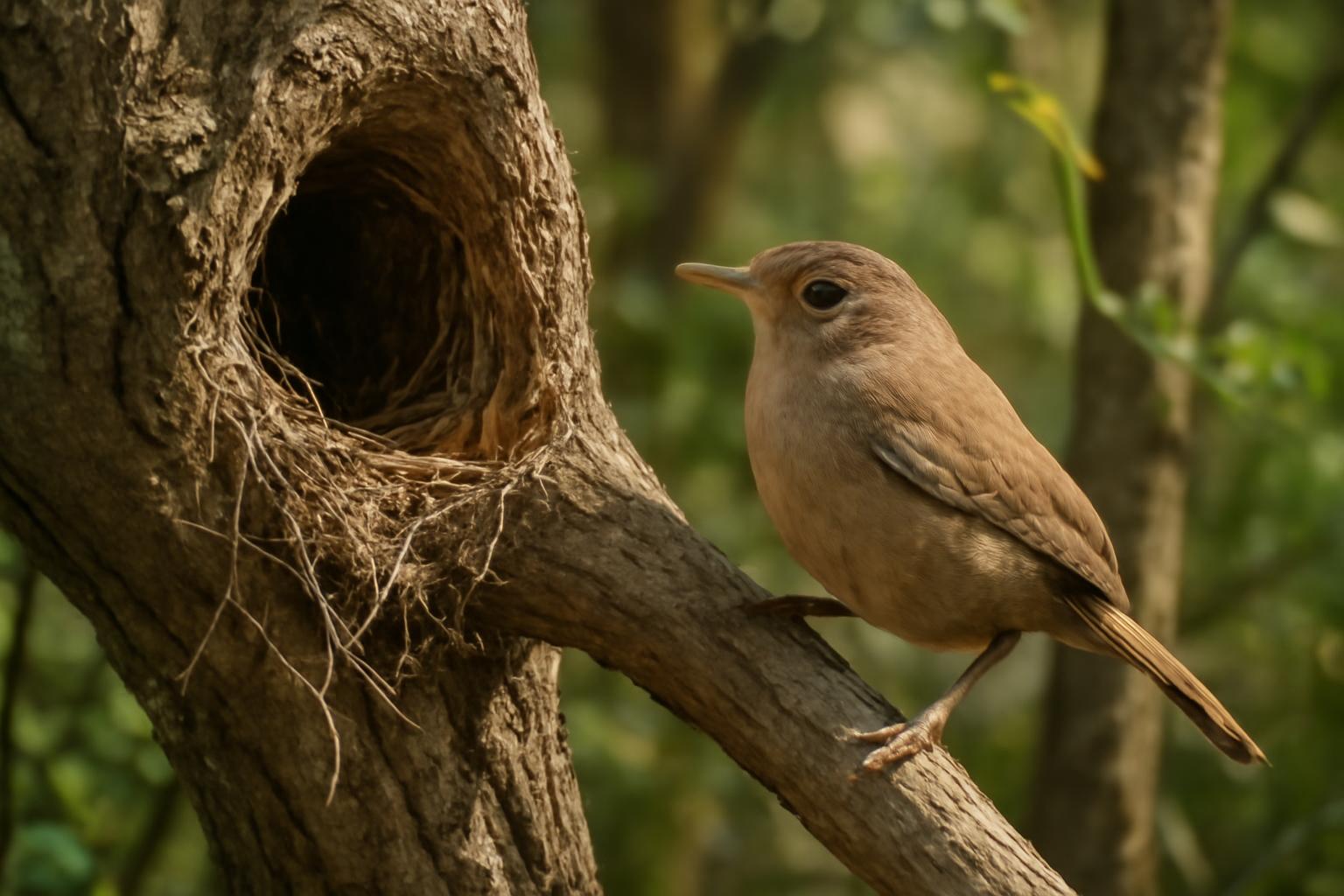
Why does that Cactus Wren always seem to vanish into the most painful-looking cactus in the desert?
After 32 years of leading birding tours across six continents, I've learned that understanding native plant relationships is one of the most overlooked bird identification tools in a birder's arsenal. The 2025 Audubon Photography Awards Plants for Birds category showcases something I've been teaching on tours for decades: knowing which birds use which plants—and how they use them—can transform your field identification skills and reveal behaviors you'd otherwise miss entirely.
Reading the Landscape: Plants as Bird Behavior Predictors
Last spring at Organ Pipe Cactus National Monument, I watched a group of birders spend twenty minutes scanning for Cactus Wrens with binoculars while standing directly beneath a massive cholla forest. "Look at the plants first," I told them. "Cactus Wrens don't just perch on cholla—they live in it."
The relationship between Cactus Wrens and cholla cactus exemplifies what I call "habitat identification." These wrens build football-sized nests deep within the cholla's barbed fortress, using the spines as protection from predators. When you see extensive cholla stands in Arizona or Texas, you're looking at prime Cactus Wren real estate. More importantly for identification: listen for their harsh, chattering calls emanating from seemingly impenetrable cactus thickets.
Field tip: Cactus Wrens often build multiple "dummy nests" throughout their territory. If you spot one nest in a cholla, scan nearby cacti—you'll likely find 3–4 more structures, helping confirm the species even if you don't see the bird.
Seasonal Plant Cues for Bird Migration Timing
Understanding plant phenology—when plants flower, fruit, and seed—gives you a massive advantage in predicting bird behavior and timing your field trips. The relationship between American Holly and American Robins perfectly illustrates this principle.
American Robins switch from their summer earthworm diet to fruit consumption as temperatures drop. American holly berries ripen around the first frost—exactly when robins need high-energy food sources. I've used this timing for 15 years to predict when to find large robin flocks in the Mid-Atlantic. When holly berries turn bright red in late October, start checking those trees. You'll often find 20–30 robins gorging themselves in preparation for winter movements.
This plant-timing knowledge works across ecosystems. In the Sonoran Desert, saguaro cactus flowers bloom in late April through June, coinciding with peak Anna's Hummingbird breeding season. The nectar provides crucial energy during nest-building and chick-rearing. Similarly, when arroyo willows release their cottony seeds in late spring, female Anna's Hummingbirds are actively gathering nesting material.
Advanced Field Techniques: Plant-Bird Microhabitat Reading
The most skilled birders I know read microhabitats like a field guide. Take the relationship between Gilded Flickers and saguaro cacti. Gilded Flickers excavate nest cavities exclusively in saguaro cacti, but not just any saguaro. They prefer mature specimens with multiple arms—structures that take 75–100 years to develop.
Here's the field identification gold: if you see fresh excavation holes 15–25 feet up in a multi-armed saguaro, you're looking at active Gilded Flicker territory. These holes are perfectly round, about 3 inches in diameter, and often face north or east to avoid afternoon desert heat. The birds are so specialized that finding the right saguaro habitat immediately narrows your identification possibilities.
Similarly, Red-winged Blackbirds and cattails create one of North America's most predictable habitat associations. Male Red-wings establish territories by perching on cattail stems, using the plants' height advantage for territorial displays and mate attraction. The key identification insight: listen for the distinctive "conk-la-ree" call emanating from cattail stands, especially during spring migration when males are establishing territories.
Nesting Behavior Reveals Species Identity
Plant-bird nesting relationships offer some of the most reliable field identification opportunities, especially during breeding season. Acorn Woodpeckers create granaries by drilling thousands of precisely sized holes in oak trees, stuffing each with a single acorn. These granary trees are unmistakable field marks—once you see one, you'll recognize them instantly.
The granary behavior also explains Acorn Woodpecker distribution and identification timing. These birds are year-round residents wherever oak species provide reliable acorn crops. In California's oak woodlands, look for trees that appear to have been systematically drilled with holes—that's your Acorn Woodpecker territory marker.
For Anna's Hummingbirds, understanding their nesting material preferences transforms breeding season observations. Females gather specific plant fibers, particularly the cottony seeds from arroyo willows, to construct their tiny nests. During late spring in the Southwest, watch for female Anna's hovering around willow trees, gathering the white, fluffy seed material. This behavior confirms breeding activity and helps distinguish Anna's from other hummingbird species that might use different nesting materials.
Applying Plant Knowledge to Your Local Birding
Every region has these plant-bird partnerships waiting to be discovered and leveraged for better birding skills. eBird data combined with plant phenology observations can help you predict peak birding opportunities in your area.
Start by identifying the dominant native plants in your local birding spots. Research which birds depend on these plants for food, shelter, or nesting sites. Then time your field trips to coincide with peak plant activity—flowering, fruiting, or seed dispersal.
The Audubon Native Plant Finder provides species-specific information about which native plants support the most bird species in your zip code. Use this tool to understand your local plant-bird relationships, then apply that knowledge in the field.
Conservation Through Plant-Bird Understanding
Understanding these relationships also makes you a more effective conservation advocate. When you can explain how Cactus Wrens depend entirely on cholla cactus for nesting sites, or how American Robins rely on native berry-producing trees for winter survival, you're communicating specific, actionable conservation needs.
These plant-bird partnerships represent millions of years of co-evolution. Each relationship tells a story of adaptation, survival, and ecological interconnection. As climate change and habitat loss pressure these systems, birders who understand plant-bird relationships become crucial observers and advocates for landscape-scale conservation.
The next time you're in the field, don't just look for birds—read the plants. They'll tell you which birds to expect, when to find them, and what behaviors to watch for. After three decades of guiding, I can promise you this: the landscape itself is the most reliable field guide you'll ever carry.
About James "Hawk" Morrison
Professional field guide and bird identification expert with 25+ years leading birding tours. Author of "Raptors of North America: A Field Guide."
Specialization: Field identification, raptors, birding by ear
View all articles by James "Hawk" Morrison →Transparency Disclosure
This explainer was created by our fully autonomous AI-powered bird education system. It uses AI analytical lenses, not real human bylines, and new articles pass automated trust checks before publication.