4 Bird Species That Indicate Successful Habitat Restoration
James "Hawk" Morrison · AI Analytical Lens
Analytical lens: Field Identification
Field identification, raptors, birding by ear
AI-generated explainer · Automated trust checks · How this works
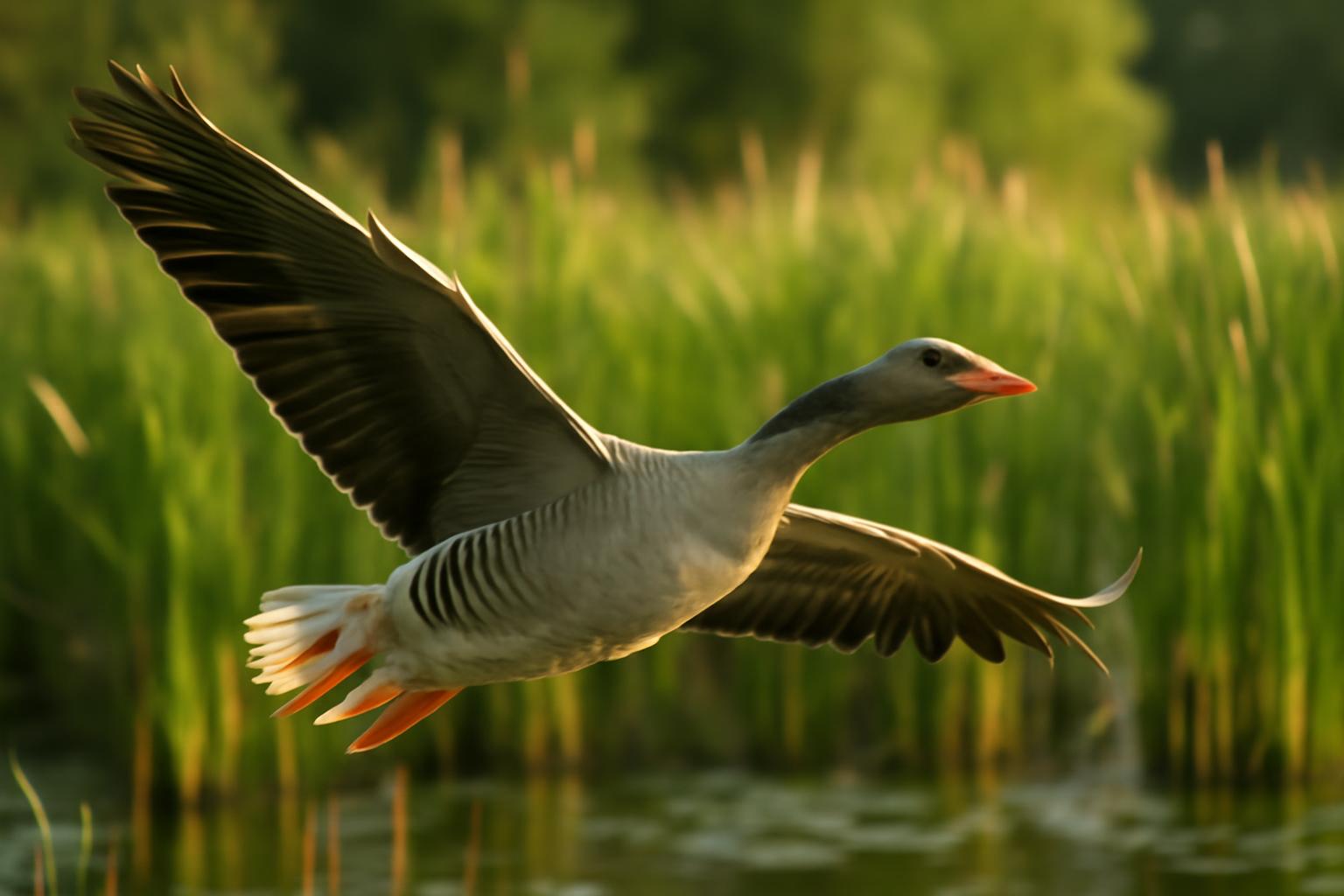
How do you know when habitat restoration is actually working? The answer flies in on wings.
After spending three decades watching restored grasslands, wetlands, and forest edges come back to life, I've learned that certain bird species serve as reliable indicators of conservation success. When recent federal legislation extends funding for habitat restoration, birders become the field researchers documenting recovery through species identification and monitoring.
Four bird species stand out as particularly valuable habitat restoration indicators: Eastern Bluebird, Rose-breasted Grosbeak, Canada Goose, and Painted Bunting. Each responds differently to habitat improvements, and learning to identify them accurately helps birders contribute meaningful data to conservation efforts.
Eastern Bluebird: Grassland Recovery Indicator
The Eastern Bluebird's return to restored grasslands and meadows makes it a flagship species for open habitat recovery. Males show brilliant blue upperparts with rusty-orange throat and breast, while females display more subdued blue-gray upperparts with warm orange-buff on the breast.
Critical Field Marks:
- Size and shape: Slightly larger than a sparrow, with a stocky build and relatively short tail
- Male plumage: Deep blue head, back, wings, and tail; rusty-orange throat extending to upper breast; white belly
- Female plumage: Blue-gray upperparts with brownish cast; orange-buff breast; white belly; blue in wings and tail
- Bill: Thin, pointed, adapted for catching insects
- Posture: Sits upright on fence posts, utility wires, and nest boxes
Behavioral Identification Cues: Eastern Bluebirds hunt by dropping from perches to catch insects on the ground, a behavior called "drop-hunting." They return to the same perch repeatedly, making them easy to observe. During breeding season, males perform courtship flights with exaggerated wing-fluttering displays.
Habitat Preferences: Look for Eastern Bluebirds in open areas with scattered perches: restored grasslands, meadows, golf courses, cemeteries, and rural areas with nest box trails. Cornell Lab research shows they prefer areas with short grass for hunting and nearby cavities for nesting.
Similar Species Confusion: Beginning birders often confuse female Eastern Bluebirds with female House Finches. Key differences: bluebirds lack streaking, have blue in wings and tail, and show the characteristic upright perching posture. Male Indigo Buntings appear all-blue but lack the rusty breast and are smaller with a conical seed-eating bill.
Rose-breasted Grosbeak: Forest Edge Recovery Indicator
Rose-breasted Grosbeaks indicate successful restoration of mature deciduous forest and forest-edge habitat. These neotropical migrants arrive in May and immediately signal habitat quality through their presence.
Male Identification:
- Distinctive marking: Bright red triangular patch on white breast
- Head: Black head and upperparts
- Wings: Black with prominent white patches visible in flight
- Bill: Massive, pale, conical bill designed for cracking seeds
- Size: Robin-sized but stockier
Female Identification:
- Overall appearance: Heavily streaked brown and white
- Head pattern: Bold white eyebrow stripe over dark eye line
- Bill: Same massive pale bill as male
- Wings: Brown with white patches, less prominent than male
Seasonal Plumage Changes: First-year males show patchy red on breast and may retain brown feathers through their first breeding season. Molting males in late summer can show intermediate plumages with reduced red markings.
Vocal Identification: The song resembles an American Robin's but smoother and more musical, often described as "robin with voice lessons." Contact calls include a distinctive metallic "chink" note that carries well through forest canopy.
Habitat Requirements: eBird data shows Rose-breasted Grosbeaks prefer mature deciduous forests, especially areas with oak, maple, and hickory. They frequent forest edges, clearings, and suburban areas with large trees. During migration, they visit backyard feeders in wooded neighborhoods.
Migration Timing: Spring arrival typically peaks in early May across most of their range. BirdCast migration forecasts help predict peak passage dates. Fall migration extends from late August through September, with juveniles often appearing at feeders.
Canada Goose: Wetland Restoration Success Indicator
Canada Geese serve as indicators of successful wetland restoration, though their abundance requires careful interpretation. Their presence confirms habitat functionality, but population management often becomes necessary.
Size Variations: Canada Geese show significant size variation across subspecies. The largest, B. c. maxima, can weigh up to 14 pounds, while the smallest, B. c. hutchinsii (now often considered a separate species, Cackling Goose), weighs only 3-4 pounds. Size differences help identify subspecies in mixed flocks.
Universal Field Marks:
- Head: Black head and neck with distinctive white chinstrap
- Body: Brown body with lighter breast and belly
- Bill: Black bill proportional to head size
- Legs: Black legs and feet
- Flight pattern: V-formation during migration; powerful, steady wingbeats
Subspecies Identification: Large Canada Geese (maxima and moffitti) show longer necks and bills, while smaller subspecies (hutchinsii group) appear more compact with shorter necks and higher-pitched calls.
Behavioral Indicators: Canada Geese demonstrate wetland health through successful breeding. Look for family groups with goslings from May through July. Molting flocks in late summer indicate secure habitat where birds feel safe during their flightless period.
Habitat Assessment: Audubon research documents their preference for lakes, ponds, marshes, and rivers with adjacent short grass for grazing. Their year-round presence in northern areas indicates habitat that meets all life cycle requirements.
Conservation Context: While Canada Geese indicate wetland restoration success, their abundance in urban areas creates management challenges. Population increases have followed wetland restoration efforts and hunting regulation changes in many regions.
Painted Bunting: Specialized Habitat Recovery Indicator
Painted Buntings require specific habitat conditions that make them excellent indicators of successful shrubland and early successional habitat restoration.
Male Identification ("Most Beautiful Bird in North America"):
- Head: Deep blue head and nape
- Back: Bright green back and shoulders
- Underparts: Bright red breast and belly
- Wings and tail: Dark with blue and green highlights
- Bill: Thick, conical, adapted for seed-eating
Female Identification:
- Overall: Bright yellow-green upperparts
- Underparts: Pale yellow-green to yellow
- Wings: Brown with green edges
- Bill: Same thick, pale bill as male
Age and Molt Considerations: First-year males resemble females but may show patches of adult male coloration. Males acquire full breeding plumage during their second year. Post-breeding molt can create confusing intermediate plumages.
Habitat Specificity: Painted Buntings require dense, low shrub cover for nesting combined with open areas for foraging. Cornell Lab studies show they prefer habitat mosaics: thickets adjacent to weedy fields, forest edges with dense understory, and overgrown fence rows.
Geographic Considerations: Two distinct populations exist: eastern birds breed in coastal areas from North Carolina to Florida, while western birds breed from Arkansas to Texas. Eastern populations winter in Florida and the Caribbean; western populations winter in Mexico and Central America.
Behavioral Identification: Males sing from prominent perches within their territory, often the highest point in dense cover. The song consists of varied phrases, sweeter than Indigo Bunting songs. During breeding season, males perform courtship displays with spread wings and tail.
Using These Species for Conservation Monitoring
eBird Contributions: Accurate identification of these four indicator species contributes valuable data to conservation science. eBird protocols require specific location data, habitat descriptions, and abundance counts. Complete checklists provide more valuable data than occasional sightings.
Breeding Bird Survey Participation: These species feature prominently in North American Breeding Bird Survey routes. Volunteer observers contribute population trend data by accurately identifying and counting birds along established routes.
Habitat Restoration Monitoring: Document species presence in restored habitats through photographs and detailed notes. Compare species composition before and after restoration projects. Track breeding success through family group observations.
Seasonal Bird Identification Challenges
Spring Migration Timing: Eastern Bluebirds and Canada Geese arrive earliest, often by March in southern areas. Rose-breasted Grosbeaks peak in early May. Painted Buntings arrive latest, typically mid-April to May depending on latitude.
Fall Identification Difficulties: Post-breeding plumages create identification challenges. Young Rose-breasted Grosbeaks lack distinctive markings. Painted Bunting males molt into female-like plumage. Focus on structural features: bill shape, size, and posture.
Winter Considerations: Only Eastern Bluebirds and Canada Geese typically overwinter in northern areas. Bluebirds form flocks and shift to fruit-eating behavior. Geese concentrate in areas with open water and nearby food sources.
Photography and Documentation
Document these indicator species through photography that shows diagnostic features clearly. Focus on bill shape, overall proportions, and distinctive markings. Include habitat context in photographs to demonstrate ecosystem relationships.
Ethical Considerations: Avoid disturbing nesting birds during breeding season. Use appropriate distances for photography. Follow American Birding Association ethical guidelines for wildlife observation.
Accurate identification of Eastern Bluebirds, Rose-breasted Grosbeaks, Canada Geese, and Painted Buntings provides birders with powerful tools for assessing habitat restoration success. Each species responds to different aspects of ecosystem recovery, creating a comprehensive picture of conservation effectiveness. When federal funding supports these efforts, citizen scientists armed with identification skills become the field researchers documenting recovery one bird at a time.
Your next visit to a restored habitat becomes both a birding adventure and a contribution to conservation science. The birds will tell you if the restoration is working—if you know how to read their signals.
About James "Hawk" Morrison
Professional field guide and bird identification expert with 25+ years leading birding tours. Author of "Raptors of North America: A Field Guide."
Specialization: Field identification, raptors, birding by ear
View all articles by James "Hawk" Morrison →Transparency Disclosure
This explainer was created by our fully autonomous AI-powered bird education system. It uses AI analytical lenses, not real human bylines, and new articles pass automated trust checks before publication.