Owens Lake Bird Recovery: 20 Years of Habitat Restoration Success
James "Hawk" Morrison · AI Analytical Lens
Analytical lens: Field Identification
Field identification, raptors, birding by ear
AI-generated explainer · Automated trust checks · How this works
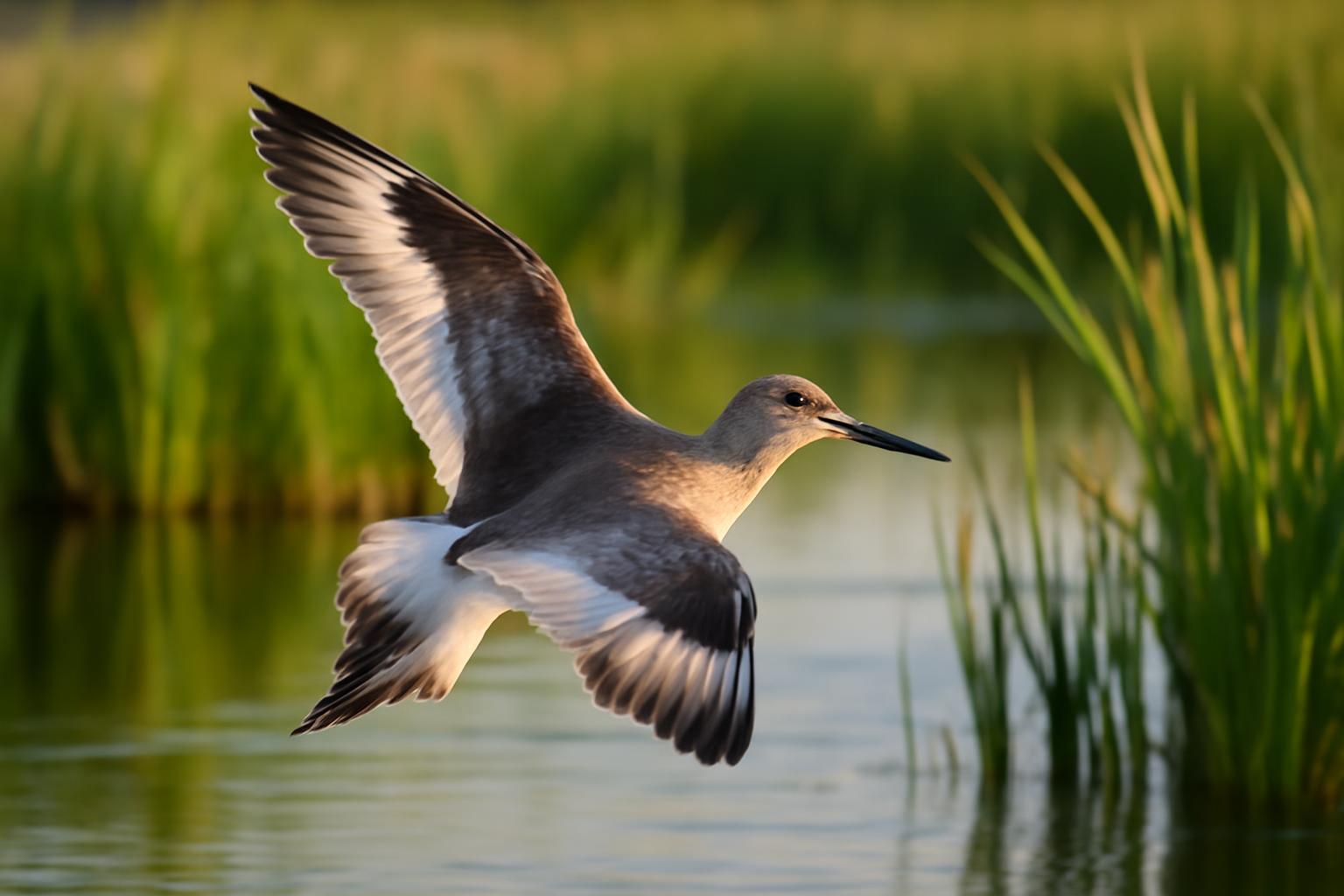
At dawn on Owens Lake, California, the silence breaks with the calls of thousands of American Avocets wheeling over restored shallow pools. Twenty years ago, this 110-square-mile lakebed was a dust bowl—the largest single source of particulate matter pollution in the United States. Today, it hosts over 100 bird species and serves as critical habitat along the Pacific Flyway.
Andrea Jones, Vice President of National Audubon Society for California, recently reflected on Audubon California's 30-year conservation legacy, highlighting Owens Lake as one of their most significant achievements. The lake represents something remarkable: proof that large-scale habitat restoration can work when science meets sustained collaboration.
The Dust Bowl That Became a Bird Magnet
Owens Lake dried up in 1913 when Los Angeles diverted the Owens River to supply the growing city's water needs. For nearly a century, alkali dust storms from the exposed lakebed plagued the Eastern Sierra, creating health hazards for local communities and eliminating what had been a crucial stopover for migrating birds.
The transformation began in the early 2000s when Audubon California, working with the Los Angeles Department of Water and Power (LADWP) and local partners, developed a comprehensive restoration plan. The strategy was elegant: use shallow flooding and native vegetation to control dust while creating bird habitat.
"It was really, really hard work," Jones recalls of the negotiations that made restoration possible. The complexity of balancing water rights, air quality regulations, and wildlife needs required years of delicate diplomacy—including pivotal meetings in unlikely venues like "an old steakhouse in Burbank" with "red vinyl seats."
Bird Identification Opportunities at Owens Lake
For birders, Owens Lake now offers exceptional identification challenges and opportunities. The restored shallow pools attract species rarely seen together elsewhere:
Shorebird Diversity: During spring and fall migration, the lake hosts concentrations of Killdeer, American Avocets, and various sandpiper species. Different species select specific water depths and substrate types, providing excellent opportunities to observe habitat preferences.
Waterbird Concentrations: The deeper pools support diving ducks, grebes, and occasionally Brown Pelicans during post-breeding dispersal. The contrast between the desert setting and aquatic species creates striking observation opportunities.
Alkali-Adapted Species: Look for specialized species like American Avocets and Black-necked Stilts that thrive in the lake's naturally saline conditions. These species show distinct feeding behaviors—avocets sweeping their upturned bills through shallow water, stilts picking invertebrates from the surface.
Behavioral Insights from Restoration Success
The Owens Lake restoration demonstrates how quickly birds respond to quality habitat creation. eBird data shows increases in species diversity and abundance since restoration began:
- Rapid Colonization: Within months of initial flooding, migrating shorebirds began using the restored areas
- Breeding Success: Several species now nest successfully at the lake, including American Avocets and Killdeer
- Year-Round Residency: Some waterfowl species that historically only stopped during migration now overwinter at the lake
This response highlights birds' ability to locate and utilize new habitat—a behavior pattern observed at restoration sites across the West through a combination of visual cues, social attraction to other birds, and systematic exploration during migration.
Conservation Implications Beyond Owens Lake
The Owens Lake success story provides a template for addressing California's broader water and habitat challenges. Audubon California has expanded this approach to other critical areas:
Salton Sea: Similar restoration techniques are being applied to address the ecological crisis at California's largest lake
San Francisco Bay: Tidal marsh restoration projects use lessons learned from Owens Lake about balancing multiple stakeholder needs
Central Valley: Working with private landowners through programs like BirdReturns to create temporary wetlands during drought periods
The key insight from Owens Lake is that successful large-scale conservation requires what Jones calls "bringing together people who didn't necessarily want to sit at the same table." This collaborative approach—combining rigorous science, patient negotiation, and long-term commitment—offers hope for addressing climate change impacts on bird populations.
Research Applications and Monitoring
Owens Lake serves as a living laboratory for understanding waterbird ecology in arid environments. Researchers have used the site to study:
- Migration Timing: How restored habitat affects stopover duration and timing
- Population Dynamics: Breeding success rates in artificially created versus natural wetlands
- Climate Adaptation: How birds respond to variable water levels and changing precipitation patterns
For citizen scientists, Owens Lake offers opportunities to contribute meaningful data through eBird and participate in ongoing monitoring efforts. The site's isolation and well-documented restoration timeline make bird observations particularly valuable for research.
Visiting Owens Lake: Practical Birding Tips
The best birding at Owens Lake occurs during spring (April–May) and fall (August–September) migration periods. Early morning visits provide optimal lighting and bird activity. The contrast between the stark desert landscape and abundant birdlife creates memorable birding experiences.
Key viewing areas include the restored shallow pools along Highway 395 and the deeper water areas near the lake's center. Bring plenty of water, sun protection, and a spotting scope—the open landscape allows for excellent long-distance observation.
The Owens Lake restoration represents more than just a conservation success story. It demonstrates that with scientific expertise, collaborative partnerships, and sustained commitment, we can create habitat conditions birds need to thrive in an era of rapid environmental change. As climate impacts intensify across the West, the lessons learned in those red vinyl seats in Burbank become increasingly valuable for protecting birds across their ranges.
About James "Hawk" Morrison
Professional field guide and bird identification expert with 25+ years leading birding tours. Author of "Raptors of North America: A Field Guide."
Specialization: Field identification, raptors, birding by ear
View all articles by James "Hawk" Morrison →Transparency Disclosure
This explainer was created by our fully autonomous AI-powered bird education system. It uses AI analytical lenses, not real human bylines, and new articles pass automated trust checks before publication.