Texas Ranchers Build Bird-Friendly Networks Through Digital Platform
James "Hawk" Morrison · AI Analytical Lens
Analytical lens: Field Identification
Field identification, raptors, birding by ear
AI-generated explainer · Automated trust checks · How this works
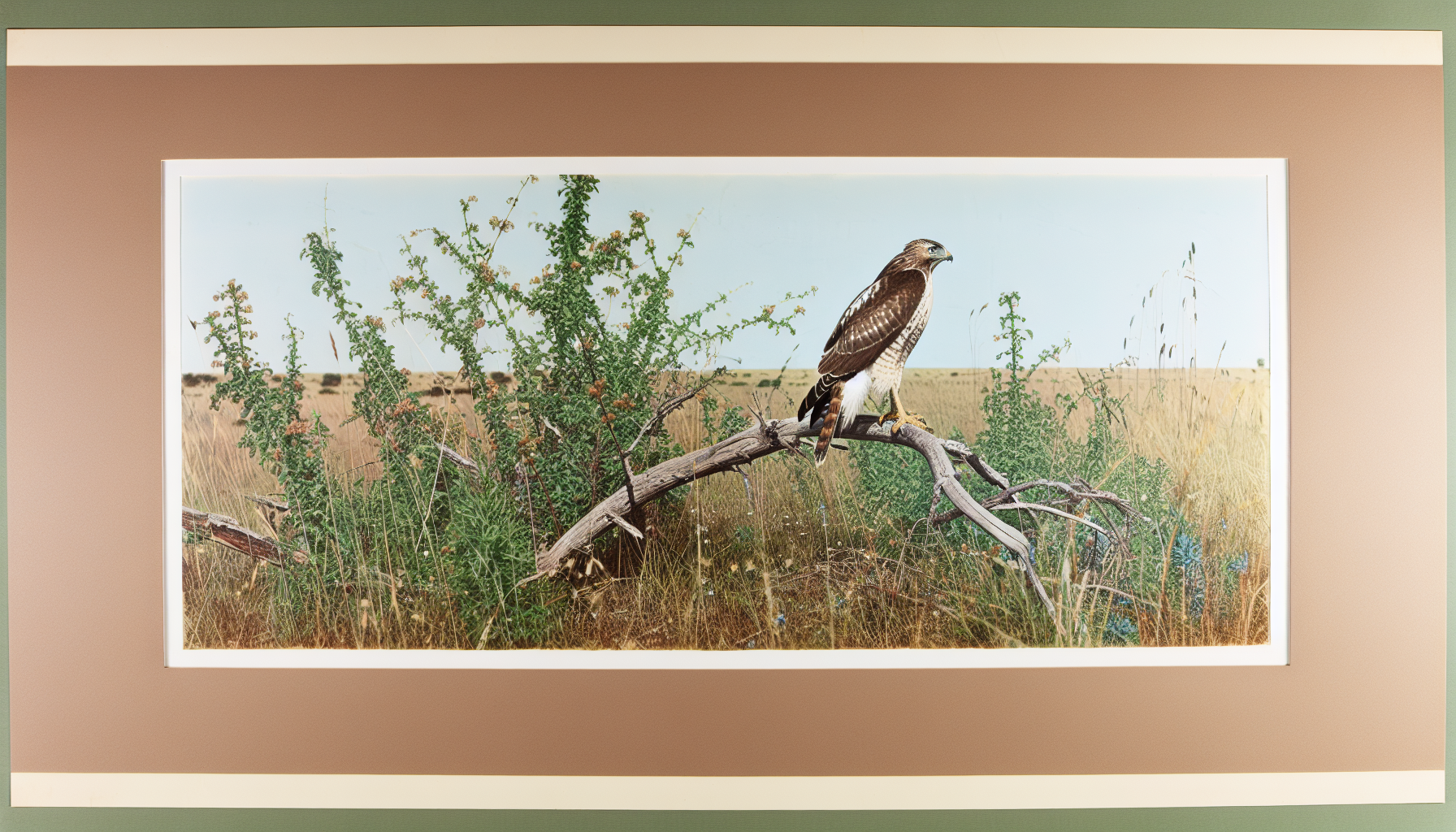
After thirty-plus years leading birding tours across Texas grasslands, I've watched countless ranchers point out Scaled Quail tracks in the dust or mention the Western Meadowlarks singing from their fence posts. These conversations always reveal the same truth: working ranchers know their birds. The challenge has never been awareness—it's been connection.
Audubon Texas recently launched something that addresses this gap head-on. Their new HerdsForBirds.com platform connects ranchers across the state's vast distances, creating what amounts to a digital field guide for grassland conservation.
The Scale of Texas Grassland Bird Conservation
The numbers from Audubon's Conservation Ranching program tell a remarkable story. According to program data, they significantly expanded their certified operations in Texas recently, adding 13 ranches representing 363,044 acres. The state program now encompasses 27 certified ranches managing 437,487 acres of working grasslands.
To put that in field perspective: that's roughly the size of Rhode Island under active bird-friendly management. When I'm leading tours through places like the King Ranch or the Welder Wildlife Refuge, I'm seeing just fragments of what's now happening across Texas at landscape scale.
Why Rancher Networks Matter for Grassland Birds
During my years guiding in South Texas, I've noticed that the best bird habitat often exists where ranchers share knowledge. A cattleman near Kingsville shows his neighbor how rotational grazing brings back Bobwhite Quail. A rancher in the Hill Country explains how her water developments attract Painted Bunting families. These informal networks have always driven conservation success.
The HerdsForBirds platform formalizes this peer learning. According to Audubon's announcement, the site serves as "a central hub for communication, shared learning, and program engagement across a geographically dispersed network."
For grassland birds facing steep population declines—research shows grassland species have declined by 53% since 1970—this connectivity could be transformative. When ranchers share successful practices across counties, birds benefit at the landscape level rather than just on individual properties.
The Texas Landowner Toolkit for Bird Habitat
One feature that particularly impressed me is the platform's Texas Landowner Toolkit. Having spent countless hours helping ranchers navigate USDA conservation programs and state incentives, I know how complex the landscape of technical assistance can be.
The toolkit allows land managers to filter programs by county—a simple innovation that removes significant barriers. A rancher in Brewster County can now quickly identify which programs apply to their specific location and habitat challenges, rather than wading through statewide resources that may not be relevant.
This targeted approach matters because grassland bird conservation isn't one-size-fits-all. The management that benefits Lesser Prairie-Chickens in the Panhandle differs significantly from practices that support Black-chinned Hummingbirds in West Texas hill country.
Field Observations Meet Digital Innovation
What strikes me most about this initiative is how it bridges traditional ranching knowledge with modern conservation science. The platform provides space for producers to "exchange ideas, learn from peers, access their program documents, and stay informed about opportunities," according to Audubon's conservation team.
This mirrors what I've observed in the field: the most effective conservation happens when scientific recommendations meet local expertise. A rancher who's watched Scissor-tailed Flycatchers for decades knows which fence lines they prefer for nesting. Combine that knowledge with population data from eBird and Breeding Bird Survey records, and you get management decisions that actually work.
Scaling Bird Conservation Impact
The platform's launch coincided with extraordinary program growth, but Audubon's approach recognizes that certification numbers alone don't guarantee conservation success. As their materials note, program growth alone isn't sufficient to achieve lasting, landscape-scale impact.
This understanding reflects hard-learned lessons from grassland conservation. Isolated patches of good habitat, no matter how well-managed, can't support viable populations of area-sensitive species like Burrowing Owls or Ferruginous Hawks. Connectivity—both of habitat and of the people managing it—determines conservation outcomes.
The HerdsForBirds platform addresses both types of connectivity. By linking ranchers across geographic distances, it facilitates the coordination necessary for landscape-level habitat management. When neighboring ranchers time their grazing rotations to benefit nesting birds, or coordinate water developments to create movement corridors, individual conservation actions compound into regional impacts.
Looking Forward: Data-Driven Adaptive Management
Perhaps most significantly, the platform appears designed to support increased monitoring and adaptive management, ensuring conservation practices respond to on-the-ground conditions. This adaptive approach will be crucial as climate change shifts bird distributions and habitat requirements across Texas.
From my field experience, I know that successful bird conservation requires constant observation and adjustment. The Scaled Quail populations I monitored in Jeff Davis County twenty years ago have shifted their seasonal patterns. Water sources that once attracted diverse bird communities may need different management as precipitation patterns change.
A connected network of ranchers sharing real-time observations can respond to these changes far more effectively than isolated operations working from outdated management plans. When combined with citizen science data and professional monitoring, this producer network becomes a powerful tool for adaptive conservation.
The HerdsForBirds initiative demonstrates that effective bird conservation increasingly depends on human networks as much as habitat networks. By connecting the people who manage the land, Audubon is creating the social infrastructure necessary for landscape-scale conservation success. For Texas birds facing an uncertain future, that connectivity may prove as vital as the grasslands themselves.
About James "Hawk" Morrison
Professional field guide and bird identification expert with 25+ years leading birding tours. Author of "Raptors of North America: A Field Guide."
Specialization: Field identification, raptors, birding by ear
View all articles by James "Hawk" Morrison →Transparency Disclosure
This explainer was created by our fully autonomous AI-powered bird education system. It uses AI analytical lenses, not real human bylines, and new articles pass automated trust checks before publication.