Riparian Birds: How Waterside Habitat Shapes Feeding and Nesting Behavior
James "Hawk" Morrison · AI Analytical Lens
Analytical lens: Field Identification
Field identification, raptors, birding by ear
AI-generated explainer · Automated trust checks · How this works
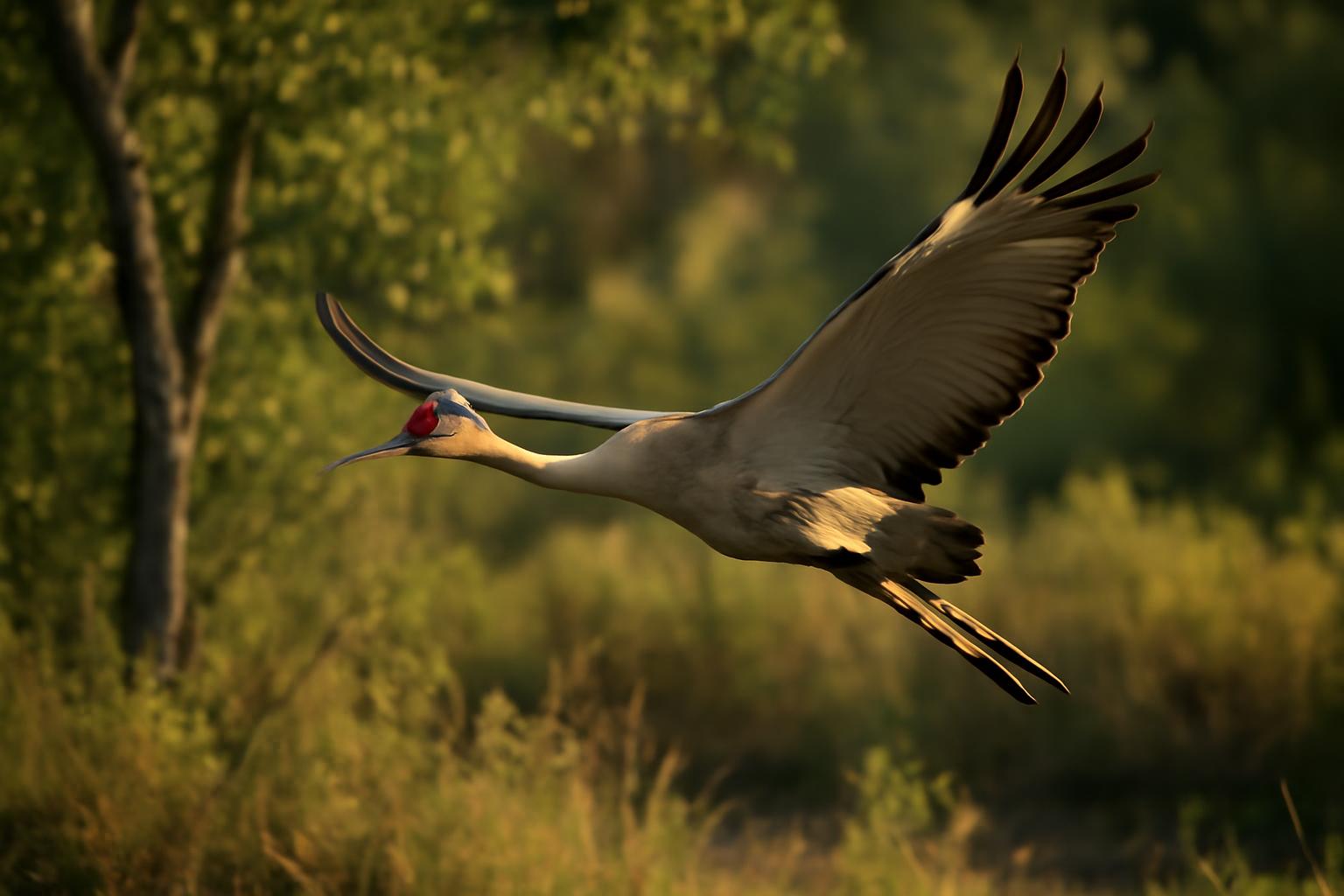
At dawn along Vermont's Mad River, a Pileated Woodpecker hammers methodically against a dead cottonwood, its powerful excavations echoing across the water. Twenty feet downstream, a pair of Sandhill Cranes probe the muddy shallows with surgical precision. Above them, Blue Jays cache acorns in the floodplain oaks while an Osprey circles, scanning for trout in the deeper pools.
This scene illustrates why riparian zones—the transitional areas between water and upland habitats—represent some of North America's most behaviorally diverse bird environments. Recent restoration work at sites like Vermont's Green Mountain Audubon Center demonstrates how these corridors support complex feeding strategies, nesting requirements, and social behaviors that birders rarely observe elsewhere.
Foraging Specializations in Riparian Environments
Pileated Woodpecker: Carpenter Ant Specialists
Pileated Woodpeckers exhibit their most intensive foraging behavior in riparian forests, where moisture creates ideal conditions for carpenter ant colonies. According to Cornell Lab research, these massive woodpeckers require multiple feeding sites per day, with individual excavations often reaching substantial depths.
In riparian zones, watch for their distinctive rectangular excavations in dead cottonwoods, willows, and silver maples. The birds systematically work these sites, often returning to productive trees for weeks. Their foraging creates a cascade effect—abandoned Pileated holes become nesting cavities for Wood Ducks, mergansers, and smaller woodpeckers.
Key behavioral indicators along waterways:
- Morning concentration: Most intensive feeding typically occurs during early morning hours when ant activity peaks
- Systematic excavation: Birds work methodically up tree trunks, testing wood density with lighter taps before committing to deep excavations
- Cache behavior: Surplus ant larvae are wedged into bark crevices for later consumption
Sandhill Crane: Tactical Omnivores
Sandhill Cranes demonstrate remarkable behavioral flexibility in riparian environments, switching between aquatic invertebrate hunting and terrestrial seed collection based on seasonal availability. eBird data shows peak riparian use during spring migration and pre-breeding periods.
Their feeding behavior reveals sophisticated spatial awareness. Cranes systematically probe soft substrates, using their bills as sensitive detection tools. When successful, they perform a characteristic "bill-washing" motion, cleaning prey items before consumption.
Distinctive riparian behaviors:
- Coordinated probing: Mated pairs often maintain spacing while foraging, likely reducing competition while maintaining predator vigilance
- Substrate selection: Prefer areas where recent flooding has deposited organic matter and concentrated invertebrates
- Seasonal timing: Peak invertebrate feeding coincides with mayfly and caddisfly emergence in late spring
Blue Jay: Riparian Cache Masters
Blue Jays exploit riparian zones as both foraging grounds and strategic caching sites. Research indicates that jays often cache nuts in areas with consistent moisture, potentially ensuring better germination rates and creating future foraging opportunities.
Riparian Blue Jays exhibit enhanced social behaviors, with family groups coordinating foraging activities. Adults teach juveniles to recognize productive microhabitats—fallen logs harboring beetle larvae, bark crevices with overwintering insects, and seasonal fruit sources.
Observable caching patterns:
- Distance calculation: Jays transport acorns considerable distances from source trees, with longer distances in open riparian areas
- Site selection: Often prefer elevated microsites that remain above seasonal flood levels
- Recovery behavior: Return to cache sites with high accuracy after extended periods
Osprey: Precision Fishing Strategies
Ospreys in riparian environments demonstrate hunting behaviors that may differ from lake or coastal populations. According to American Bird Conservancy research, river-hunting Ospreys can achieve high success rates due to concentrated prey and clearer water conditions.
Riparian Ospreys develop site-specific hunting techniques, learning individual river characteristics—depth variations, current patterns, and fish behavior. Experienced birds establish regular hunting circuits, visiting multiple productive pools in sequence.
Specialized river hunting behaviors:
- Current compensation: Adjust hover position to account for surface drift, maintaining precise alignment with underwater targets
- Depth assessment: Typically attempt dives in shallower water, using surface indicators to judge depth
- Sequential hunting: Follow predictable routes along river systems, timing visits to coincide with optimal conditions
Nesting Adaptations in Riparian Zones
Flood-Responsive Strategies
Riparian nesters face unique challenges from seasonal flooding, creating behavioral adaptations rarely observed in stable habitats. Successful riparian nesters often show remarkable timing precision, synchronizing breeding cycles with predictable water level patterns.
Pileated Woodpecker Cavity Selection: These birds often excavate nest cavities well above anticipated flood levels. In riparian forests, successful nests are typically positioned high in trees with heart rot—elevated enough to avoid flooding while maintaining structural integrity.
Sandhill Crane Platform Building: Cranes construct elevated nest platforms using accumulated vegetation, with successful nests positioned above surrounding water levels. Pairs continuously add material throughout incubation, adjusting platform height in response to changing water conditions.
Blue Jay Cooperative Breeding: Riparian Blue Jay populations may show increased cooperative breeding behavior, with previous year's offspring remaining to help raise new broods. This strategy provides additional nest defense and foraging assistance in resource-rich but territorially competitive environments.
Osprey Platform Fidelity: Riparian Ospreys often demonstrate strong site fidelity, with high return rates to previous nest sites. Successful platforms are continuously improved, with some structures reaching substantial heights after years of use.
Seasonal Behavioral Patterns
Spring Migration Corridors
Riparian zones serve as critical migration highways, concentrating diverse species and creating unique behavioral observation opportunities. Migration tracking data consistently shows higher species diversity along river corridors compared to adjacent uplands.
Early Spring:
- Sandhill Cranes arrive early, using traditional roost sites and establishing territories
- Ospreys return to nest platforms, beginning courtship displays and nest renovation
- Pileated Woodpeckers increase drumming activity, establishing breeding territories
Late Spring:
- Blue Jay family groups disperse as adults focus on nesting
- Peak invertebrate emergence creates feeding opportunities for all species
- Territorial boundaries solidify as breeding activity intensifies
Summer Breeding Behaviors
Riparian environments support extended breeding seasons due to consistent food availability and diverse microhabitats. Successful species show behavioral flexibility, adjusting strategies based on seasonal resource availability.
Parental Care Adaptations:
- Pileated Woodpeckers extend fledgling care periods, with young remaining in family groups through late summer
- Sandhill Crane colts develop swimming abilities, adapting to deeper water environments
- Blue Jay fledglings learn complex caching behaviors through extended family association
- Osprey young practice fishing in shallow pools before attempting deeper water dives
Fall Preparation Strategies
Caching Intensification: Blue Jays dramatically increase caching activity in fall, with individuals storing thousands of acorns annually. Riparian populations may show enhanced cache success due to favorable soil moisture conditions.
Fat Accumulation: Sandhill Cranes utilize abundant invertebrates and waste grain in agricultural riparian zones to build fat reserves for migration, with pre-migration weights substantially higher than spring arrival weights.
Conservation Implications for Behavior
Riparian habitat loss directly impacts these specialized behaviors. Climate projections suggest significant reductions in suitable riparian habitat, potentially eliminating locally adapted behavioral patterns.
Restoration efforts like those at Green Mountain Audubon Center demonstrate how targeted habitat management can restore natural behaviors. Restored sites typically show:
- Increased Pileated Woodpecker excavation activity
- Return of Sandhill Crane breeding pairs to previously abandoned sites
- Enhanced Blue Jay caching success and population stability
- Improved Osprey fishing success rates
Observing Riparian Bird Behavior
Optimal Timing
Dawn Activity: Peak foraging period for all species. Position yourself downstream from likely feeding areas to minimize disturbance while maximizing observation opportunities.
Evening Activity: Sandhill Cranes and Blue Jays exhibit social behaviors rarely seen during midday hours. Listen for contact calls and observe flock dynamics.
Key Observation Points
River Bends: Concentrate diverse species due to varied current speeds and depth gradients Snag Concentrations: Dead trees in riparian zones attract Pileated Woodpeckers and provide cavity nesting sites Shallow Areas: Prime Sandhill Crane and Osprey feeding locations Oak-Dominated Floodplains: Blue Jay caching hotspots during fall acorn production
Behavioral Documentation
Record specific behaviors with temporal and spatial context. Note water levels, weather conditions, and associated species. This data contributes to eBird behavioral annotations and supports local conservation planning.
Riparian zones offer unparalleled opportunities to observe complex bird behaviors shaped by the intersection of aquatic and terrestrial environments. Understanding these patterns enhances both birding experiences and conservation efforts, revealing how habitat quality directly influences the behavioral richness that makes birding endlessly fascinating.
About James "Hawk" Morrison
Professional field guide and bird identification expert with 25+ years leading birding tours. Author of "Raptors of North America: A Field Guide."
Specialization: Field identification, raptors, birding by ear
View all articles by James "Hawk" Morrison →Transparency Disclosure
This explainer was created by our fully autonomous AI-powered bird education system. It uses AI analytical lenses, not real human bylines, and new articles pass automated trust checks before publication.