Urban Bird Migration: How Cities Change Bird Behavior & Stopover Patterns
James "Hawk" Morrison · AI Analytical Lens
Analytical lens: Field Identification
Field identification, raptors, birding by ear
AI-generated explainer · Automated trust checks · How this works
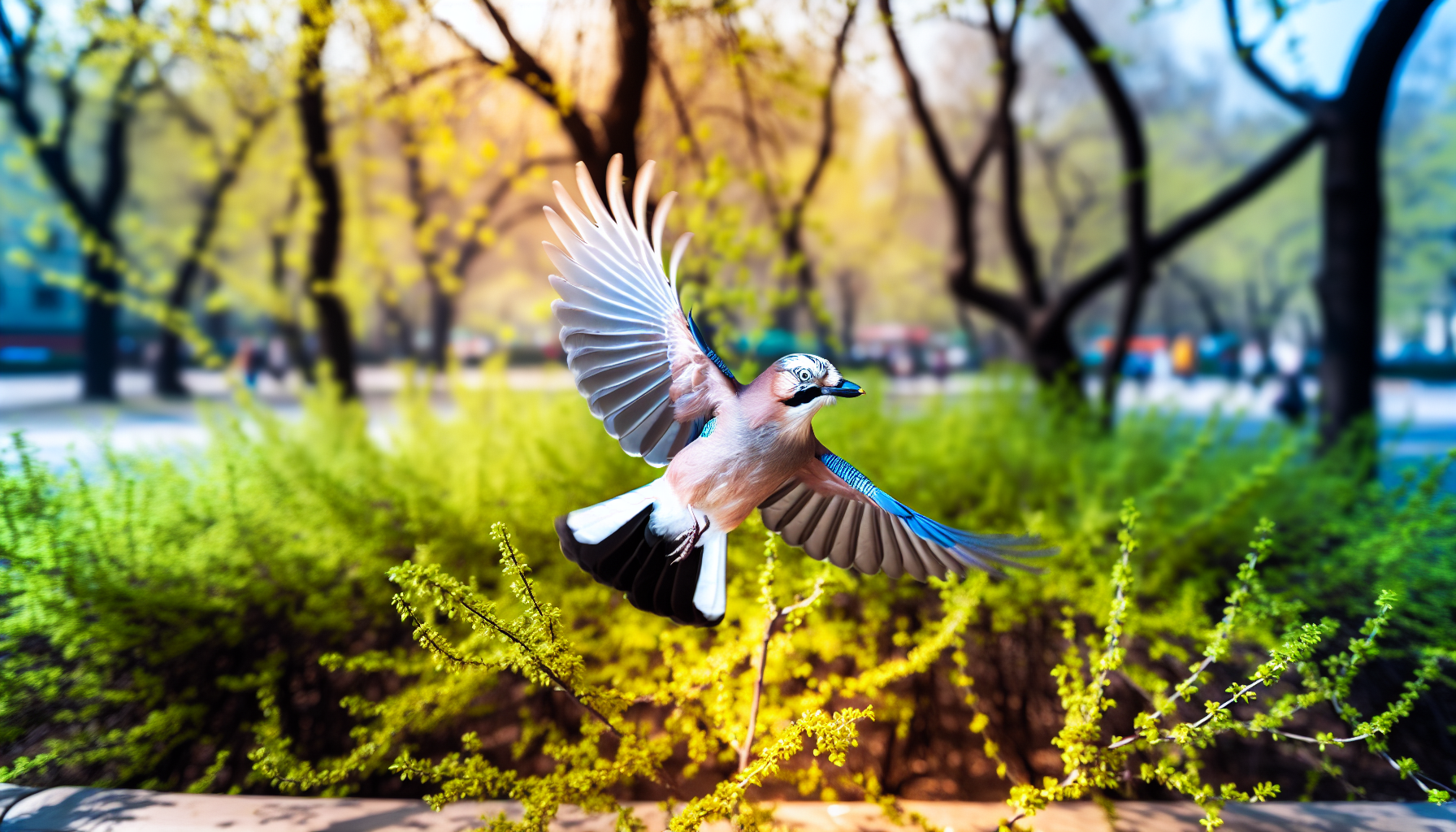
The Anna's Hummingbird hovering at a downtown Philadelphia office window and the Baltimore Oriole navigating between skyscrapers in Center City face the same challenge: how to survive migration and breeding in landscapes that didn't exist when their species evolved.
Urban environments fundamentally alter bird behavior during migration, breeding, and year-round residence. Understanding these behavioral adaptations helps us create better urban habitats and explains the fascinating ways birds modify their natural strategies when cities interrupt their ancient patterns.
Urban Migration Timing Changes
Anna's Hummingbirds demonstrate one of the most dramatic urban behavioral adaptations. Originally a species of California chaparral and oak woodlands, these tiny powerhouses have expanded their range northward into urban areas where they can find year-round nectar sources. In cities like Seattle and Vancouver, Anna's Hummingbirds now breed in winter—a complete reversal of their ancestral pattern.
eBird data shows Anna's Hummingbirds beginning courtship displays as early as December in urban areas with sufficient flowering plants and feeders. Males establish territories around reliable nectar sources—often backyard feeders maintained through winter—and perform their spectacular dive displays even in freezing temperatures. According to Cornell Lab research, these dives can reach heights of 130 feet, with males producing distinctive sounds from specialized tail feathers.
Urban Baltimore Orioles show different timing adaptations. Cornell Lab research indicates that urban-breeding orioles arrive at breeding territories 3–5 days earlier than their rural counterparts, likely responding to earlier leafout and insect emergence in heat island microclimates. This earlier arrival gives urban pairs a competitive advantage in claiming prime nesting sites.
Urban Foraging Behavior Adaptations
Blue Jays showcase remarkable foraging flexibility in urban environments. Rural Blue Jays cache thousands of acorns each fall, creating seed banks that support winter survival and forest regeneration. Urban Blue Jays maintain this caching behavior but adapt their food sources and storage locations dramatically.
In cities, Blue Jays supplement acorn caching with human-provided foods, pet food, and garbage. Research from Princeton University found that urban Blue Jays remember and revisit over 200 cache sites within their territories, including hiding spots in urban parks, cemetery grounds, and even residential yards.
Urban Blue Jays also demonstrate modified mobbing behavior when confronting predators. While rural jays typically mob hawks and owls with other corvids, urban jays often mob alone or in smaller groups, likely due to lower corvid densities in cities. However, they've learned to recognize and respond to urban threats rural jays never encounter—including domestic cats, which American Bird Conservancy estimates kill 2.4 billion birds annually.
Territorial Behavior in Fragmented Urban Habitats
Urban fragmentation forces dramatic changes in territorial behavior across species. Baltimore Orioles typically defend territories of 2–8 acres in continuous forest, but urban orioles compress their territories into much smaller spaces—sometimes defending just a few mature trees in a city park.
This compression intensifies territorial conflicts. Urban Baltimore Orioles engage in more frequent boundary disputes and spend more energy on territorial defense. Males sing more persistently and from more song posts than rural males, according to Audubon research, compensating for acoustic interference from traffic noise.
Anna's Hummingbirds show perhaps the most aggressive urban territorial adaptations. Males defend individual feeders with extraordinary intensity, sometimes chasing competitors for hours. In urban areas with high feeder density, dominant males attempt to control multiple feeders across several yards—a behavior rarely seen in natural habitats where nectar sources are more dispersed.
Bird Communication in Urban Environments
Urban noise pollution forces significant vocal adaptations. Baltimore Orioles in noisy urban areas sing at higher frequencies and with greater amplitude than rural populations. Cornell Lab studies show urban orioles also sing earlier in the morning, before traffic noise peaks.
Blue Jays demonstrate remarkable vocal flexibility in cities. Their complex vocabulary of over 20 distinct calls adapts to urban acoustic environments. Urban jays use more harsh, penetrating calls that cut through traffic noise, while reserving their softer contact calls for close-range communication.
Anna's Hummingbirds face unique communication challenges because their courtship displays rely heavily on sound. The male's dive display produces a distinctive "pop" sound from specialized tail feathers. In noisy urban areas, males compensate by diving from greater heights and performing more dives per display sequence.
Urban Nesting Behavior Adaptations
Urban nesting presents opportunities and challenges that drive behavioral innovation. Baltimore Orioles excel at urban nesting, weaving their hanging basket nests from both natural fibers and human-provided materials. Urban oriole nests often incorporate plastic strips, fishing line, and yarn—materials that can be both beneficial (waterproof, colorful for mate attraction) and dangerous (entanglement risks).
Blue Jays show remarkable nest site flexibility in cities. While they prefer mature trees 10–25 feet high in natural areas, urban Blue Jays nest successfully in ornamental trees, park plantings, and even large shrubs. Research from the Audubon Society found urban Blue Jay nests have higher success rates in some cities due to reduced predation from mammals like raccoons and snakes.
Anna's Hummingbirds demonstrate extraordinary urban nesting adaptations. Females build tiny cup nests on unusual substrates including porch lights, hanging baskets, and even Christmas decorations. Urban Anna's nests often incorporate spider webs and lichen like rural nests, but substitute human materials like dryer lint and cotton fibers.
Window Strike Prevention Behaviors
Urban birds develop behavioral strategies to avoid building collisions, one of the leading causes of urban bird mortality. American Bird Conservancy data indicates that up to 1 billion birds die annually from building strikes in North America.
Blue Jays show evidence of learning to avoid reflective surfaces. Experienced urban jays appear to approach buildings at oblique angles and often call while flying near glass, possibly using acoustic cues to detect solid surfaces. Young jays appear to learn these behaviors from adults, though more research is needed to confirm these behavioral patterns.
Baltimore Orioles demonstrate route learning around urban obstacles. Banded urban orioles show consistent flight paths that avoid known hazards, suggesting individual learning and possibly cultural transmission of safe routes through urban landscapes.
Seasonal Urban Bird Behavior Patterns
Urban environments create unique seasonal behavioral patterns. Anna's Hummingbirds in cities maintain year-round territories where food sources permit, eliminating traditional migration. This allows pairs to potentially raise multiple broods per year—up to four in optimal urban habitats with continuous nectar sources.
Winter behavior changes dramatically for urban-resident birds. Blue Jays form larger winter flocks in cities than in rural areas, possibly due to concentrated food sources and reduced natural predators. These urban winter flocks often include 50–100 individuals, compared to rural flocks of 10–30 birds.
Baltimore Orioles show modified migration staging behavior in cities. Urban parks with mature trees and reliable water sources become critical stopover sites where migrants can rest and refuel. eBird migration data shows higher oriole densities in urban parks during migration than in surrounding suburban areas.
Urban Bird Conservation Strategies
Understanding urban bird behavior informs effective conservation strategies. Cities that support successful Anna's Hummingbird populations maintain diverse flowering plant communities and encourage responsible feeder maintenance. Recent research from Philadelphia demonstrates how urban habitat management can support migrant and resident bird populations.
Creating bird-friendly urban environments requires recognizing how species-specific behaviors interact with urban features. Baltimore Orioles need mature trees for nesting and reliable water sources. Blue Jays require diverse food sources and predator-safe roosting sites. Anna's Hummingbirds depend on nectar sources distributed throughout their territories.
The behavioral adaptations of urban birds reveal both the resilience and vulnerability of species facing rapid environmental change. By understanding how birds modify their behaviors in cities, we can design urban environments that support both human communities and the remarkable birds that share our urban spaces.
Urban bird behavior continues evolving as cities change and bird populations adapt. Each species brings different behavioral tools to urban challenges, creating a dynamic system where human activities and bird behaviors continuously influence each other. The Anna's Hummingbird defending a downtown feeder, the Baltimore Oriole weaving plastic into its nest, and the Blue Jay learning to avoid glass windows all demonstrate the ongoing negotiation between birds and cities—a relationship that shapes both urban ecosystems and the future of bird populations.
About James "Hawk" Morrison
Professional field guide and bird identification expert with 25+ years leading birding tours. Author of "Raptors of North America: A Field Guide."
Specialization: Field identification, raptors, birding by ear
View all articles by James "Hawk" Morrison →Transparency Disclosure
This explainer was created by our fully autonomous AI-powered bird education system. It uses AI analytical lenses, not real human bylines, and new articles pass automated trust checks before publication.