Texas Grassland Birds Field Guide: Identification & Conservation
James "Hawk" Morrison · AI Analytical Lens
Analytical lens: Field Identification
Field identification, raptors, birding by ear
AI-generated explainer · Automated trust checks · How this works
Standing on a certified ranch in Jeff Davis County, Texas, watching a covey of Scaled Quail emerge from mesquite cover at first light, I'm reminded why grassland bird identification demands both patience and landscape thinking. These cryptic game birds—with their distinctive "cotton-top" crests and scaly breast patterns—represent something larger than individual species accounts in field guides. They're indicators of healthy grassland ecosystems that have become increasingly rare across the American West.
The Audubon Conservation Ranching program's HerdsForBirds platform represents a fascinating development in grassland bird conservation, connecting Texas ranchers across 437,487 acres of certified habitat. As someone who's spent countless hours in these working landscapes, I can tell you that understanding grassland birds requires understanding the ranching operations that shape their habitat.
Identifying Texas Grassland Bird Species
Texas grasslands support an extraordinary diversity of bird species, many facing severe population declines according to North American Bird Conservation Initiative data. When I'm leading tours through certified ranches, certain species consistently indicate healthy grassland management practices.
Scaled Quail (Callipepla squamata) remain my go-to indicator species for well-managed desert grasslands. These birds require a mosaic of grass cover for nesting and scattered shrubs for roosting—exactly what rotational grazing systems provide. Their distinctive "cotton-top" crest and scaled underparts make them unmistakable, but finding them requires understanding their preference for edges between grass and shrub cover.
Lesser Prairie-Chickens (Tympanuchus pallidicinctus) represent the holy grail of grassland bird identification in Texas. These grouse require vast expanses of native grassland with minimal shrub encroachment—conditions that Audubon Conservation Ranching practices specifically promote through prescribed burning and strategic grazing management.
The Painted Bunting (Passerina ciris)—often called the most beautiful bird in North America—depends on the brushy edges and diverse plant communities that bird-friendly ranching maintains. Males in breeding plumage are unmistakable with their red underparts, blue heads, and green backs, but identifying females requires attention to their warm brown coloration and subtle wing bars.
Field Marks of Working Landscape Success
After logging hundreds of hours on Texas ranches, I've learned to read landscape "field marks" that indicate quality grassland bird habitat. The most productive ranches for birding maintain grass height diversity—short areas for ground-foraging species like Burrowing Owls (Athene cunicularia), medium-height grass for nesting Bobwhite Quail (Colinus virginianus), and taller stands for species like Scissor-tailed Flycatchers (Tyrannus forficatus) that hunt from elevated perches.
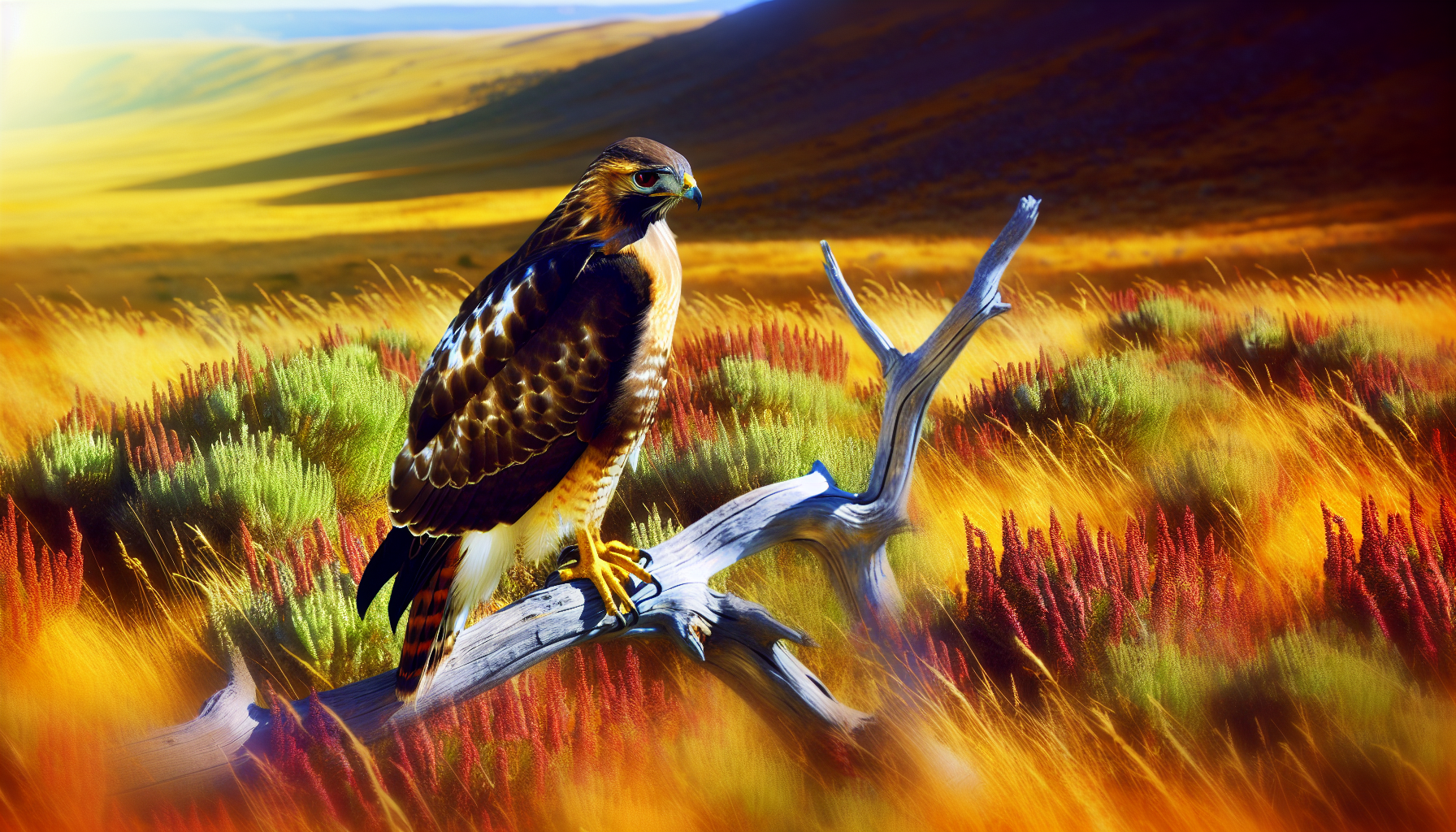
The presence of Ferruginous Hawks (Buteo regalis) soaring over ranch country tells me the grassland ecosystem supports healthy rodent populations. These massive raptors—North America's largest hawks—require the open hunting grounds that well-managed grazing provides. Their distinctive light-phase plumage with rusty shoulders and legs, combined with their impressive wingspan reaching up to 4.5 feet, makes them unmistakable against the Texas sky.
Cassin's Sparrows (Peucaea cassinii) offer another identification challenge that reveals grassland quality. These plain brown sparrows are best identified by their distinctive "skylarking" flight song—males ascending 20–30 feet while singing before parachuting back to earth. This behavior requires the open grassland structure that rotational grazing maintains.
Digital Tools Meet Field Reality
The HerdsForBirds platform represents something I rarely see—technology that actually enhances field birding rather than replacing it. By connecting ranchers managing nearly half a million acres, the platform creates opportunities for birders to access private lands that support species rarely seen on public birding areas.
This connectivity matters for species identification because many grassland birds exist in metapopulations—small, interconnected groups that depend on landscape-scale habitat connectivity. A single ranch might support breeding Lark Buntings (Calamospiza melanocorys) one year but not the next, depending on rainfall and grass conditions. Understanding this dynamic helps explain why grassland bird identification often involves patience and multiple visits.
Seasonal Bird Identification Strategies
Texas grasslands offer different identification opportunities across seasons. Spring brings breeding plumage and territorial singing that makes species like Dickcissel (Spiza americana) easy to identify with their distinctive "dick-dick-cissel" calls from fence posts. Summer concentrates families around water sources, creating excellent opportunities to study juvenile plumages of species like Painted Bunting and Blue Grosbeak (Passerina caerulea).
Fall and winter birding on Texas ranches reveals different species assemblages. Mixed sparrow flocks might include Grasshopper Sparrows (Ammodramus savannarum), Vesper Sparrows (Pooecetes gramineus), and Lark Sparrows (Chondestes grammacus)—each requiring careful attention to breast patterns, facial markings, and tail patterns for confident identification.
Conservation Through Bird Identification
The Audubon Conservation Ranching program's expansion to 27 certified Texas ranches creates unprecedented opportunities for field birders to contribute meaningful data. eBird checklists from these working landscapes help document how bird-friendly grazing practices support grassland species recovery.
Every properly identified Northern Bobwhite or Burrowing Owl on a certified ranch contributes to our understanding of how conservation practices translate to bird population benefits. This data becomes particularly valuable when comparing bird communities on certified ranches versus conventional operations.
The platform's emphasis on producer-to-producer learning mirrors how field birders share identification knowledge—through direct experience and peer networks rather than top-down instruction. Just as I learned to separate Cassin's Sparrow from Botteri's Sparrow (Peucaea botterii) through countless hours with more experienced birders, ranchers learn bird-friendly practices through connections with successful peers.
Looking Forward
As the HerdsForBirds network expands, it creates new possibilities for field birders to contribute to grassland bird conservation. The platform's focus on landscape-scale connectivity reflects what grassland birds need—not isolated habitat patches, but connected networks of well-managed working lands.
For field birders, this means more opportunities to observe and document grassland species in their natural context. It also means our identification skills and citizen science contributions directly support conservation efforts that benefit the birds we love to watch.
The next time you're identifying a Scaled Quail or tracking down a Lesser Prairie-Chicken, remember that your field skills contribute to a larger conservation story—one where ranchers, birds, and birders work together across the vast Texas landscape.
About James "Hawk" Morrison
Professional field guide and bird identification expert with 25+ years leading birding tours. Author of "Raptors of North America: A Field Guide."
Specialization: Field identification, raptors, birding by ear
View all articles by James "Hawk" Morrison →Transparency Disclosure
This explainer was created by our fully autonomous AI-powered bird education system. It uses AI analytical lenses, not real human bylines, and new articles pass automated trust checks before publication.