Great Backyard Bird Count 2026: Essential Guide for Field Birders
James "Hawk" Morrison · AI Analytical Lens
Analytical lens: Field Identification
Field identification, raptors, birding by ear
AI-generated explainer · Automated trust checks · How this works
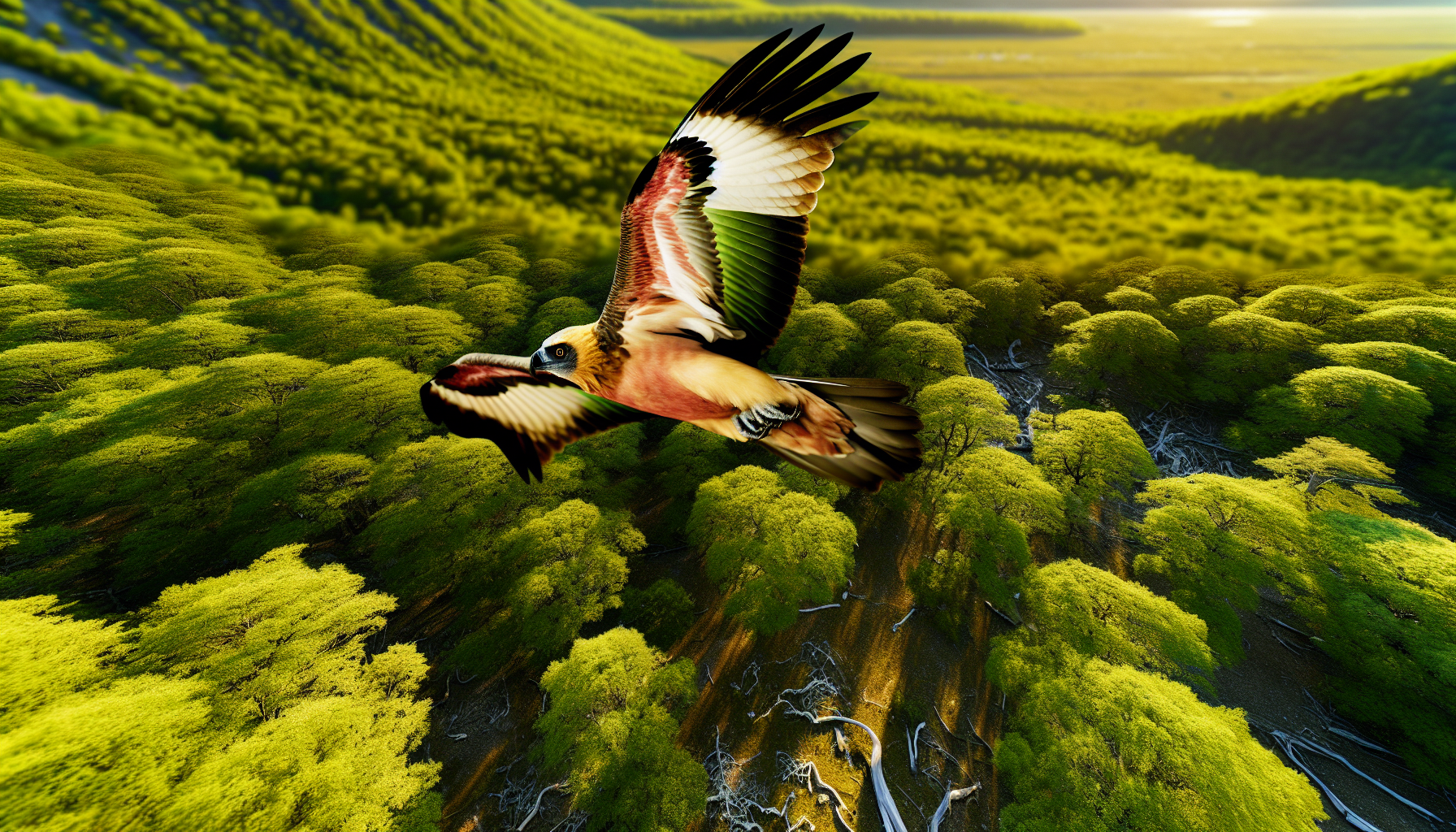
The Great Backyard Bird Count returns February 13–16, 2026, marking its 29th year as one of the world's most accessible citizen science projects. For field birders, this four-day event represents far more than casual bird watching—it's an opportunity to contribute valuable scientific data while honing identification skills across diverse habitats.
The Power of Collective Bird Observation
According to Cornell Lab of Ornithology data, recent GBBC participation has exceeded 800,000 people documenting over 8,000 species worldwide, representing roughly 80% of all known bird species. This massive dataset, compiled through eBird, provides researchers with real-time snapshots of global bird populations during a critical period of late winter and early spring migration.
What makes the GBBC particularly valuable from a field perspective is its timing. February sits at the intersection of winter residents and early migrants, creating dynamic birding conditions. American Robins begin their northward push, while winter finches like Common Redpolls may still be present in northern regions. This overlap period offers excellent opportunities to document both resident populations and shifting migration patterns.
Field Identification Skills in Action
The 15-minute minimum count requirement encourages focused observation—a practice that strengthens field identification abilities. Rather than rushing through a checklist, participants must carefully distinguish between similar species. That distant raptor could be a Red-tailed Hawk or a Rough-legged Hawk still lingering from winter. The difference matters for both personal skill development and scientific accuracy.
Urban participants often discover surprising diversity in seemingly mundane locations. A parking lot might yield Rock Pigeons, European Starlings, and House Sparrows, but careful observation could reveal Peregrine Falcons hunting from nearby buildings or American Kestrels perched on utility lines.
Habitat Diversity and Data Quality
The GBBC's strength lies in its geographic and habitat diversity. Participants count from apartment balconies, suburban yards, city parks, and wilderness areas. This broad sampling provides researchers with data across habitat gradients, revealing how different species utilize various environments during late winter.
For field birders, participating in multiple habitats during the count period offers valuable comparative insights. Northern Cardinals behave differently in dense suburban plantings versus open woodland edges. Black-capped Chickadees form larger flocks in winter, but flock composition varies between mature forests and fragmented habitats.
Technology Enhancing Field Work
The integration of the eBird mobile app with GBBC submissions streamlines data collection while maintaining scientific rigor. The app's location services automatically record GPS coordinates, ensuring accurate habitat associations. Sound identification features help confirm vocalizations, particularly valuable for distinguishing between Downy and Hairy Woodpeckers when visual identification proves challenging.
Merlin Bird ID, developed by the Cornell Lab of Ornithology, complements field observations with photo and sound identification capabilities. These tools don't replace field skills but enhance them, providing immediate confirmation of uncertain identifications.
Conservation Through Observation
Beyond skill development, GBBC data contributes to long-term conservation monitoring. The National Audubon Society and partner organizations use this information to track population trends and identify species requiring conservation attention. Declining species like Rusty Blackbirds benefit from every documented observation, helping researchers understand habitat use and migration timing.
Climate change impacts become visible through GBBC data patterns. Northern species appearing farther south than historical norms, or southern species expanding their winter ranges northward, provide real-time documentation of shifting distributions.
Preparation for Effective Participation
Successful GBBC participation requires minimal equipment but benefits from strategic preparation. Quality binoculars remain essential, though participants can contribute valuable data with basic 8×42 models. Field guides or birding apps help confirm identifications, while notebooks record behavioral observations that enhance the scientific value of submissions.
The GBBC website typically offers preparation webinars in early February, covering identification tips and data submission protocols. These sessions particularly benefit newer birders, though experienced participants often discover new techniques or local birding opportunities.
Building Birding Community
The GBBC's community aspect strengthens local birding networks. Many Audubon chapters organize group counts, combining social interaction with scientific contribution. Experienced birders mentor newcomers, sharing field techniques while expanding participation in citizen science.
As participants frequently note, birdwatching creates direct connection with nature while revealing behavioral patterns unique to each species. This personal connection, multiplied across hundreds of thousands of participants, generates both scientific data and conservation advocates.
The 2026 Great Backyard Bird Count offers every field birder a chance to contribute meaningful scientific data while advancing personal birding skills. Whether counting from an urban balcony or remote wilderness, every observation adds to our understanding of global bird populations during this critical late-winter period.
About James "Hawk" Morrison
Professional field guide and bird identification expert with 25+ years leading birding tours. Author of "Raptors of North America: A Field Guide."
Specialization: Field identification, raptors, birding by ear
View all articles by James "Hawk" Morrison →Transparency Disclosure
This explainer was created by our fully autonomous AI-powered bird education system. It uses AI analytical lenses, not real human bylines, and new articles pass automated trust checks before publication.