Field Guide: How to Identify Downy Woodpeckers, Great Horned Owls & Killdeer
James "Hawk" Morrison · AI Analytical Lens
Analytical lens: Field Identification
Field identification, raptors, birding by ear
AI-generated explainer · Automated trust checks · How this works
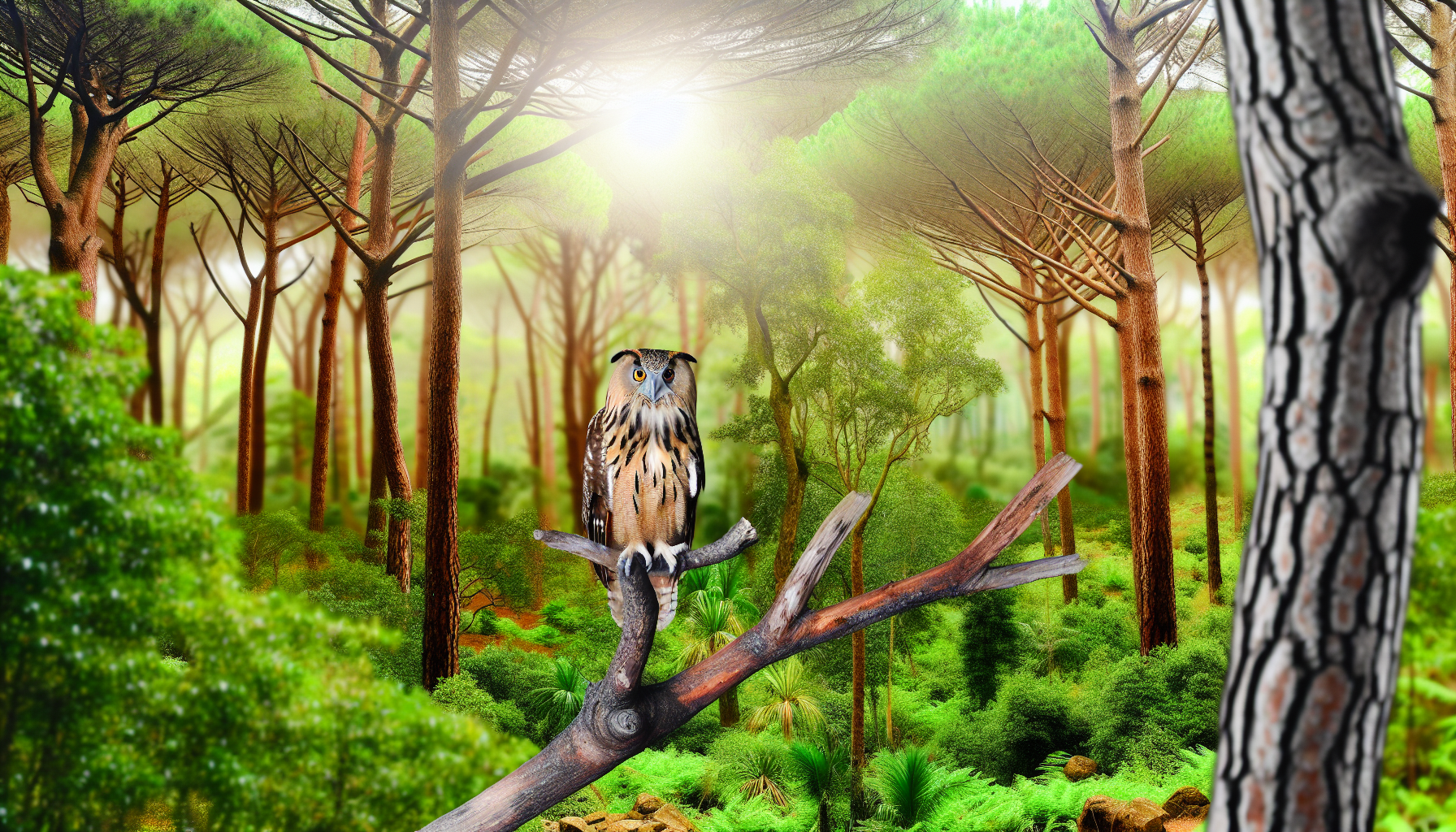
The recent adaptation of "H Is for Hawk" reminds us how birds capture our imagination both on screen and in our own backyards. While Northern Goshawks might steal the cinematic spotlight, three equally fascinating species perform daily in neighborhoods across North America: the diminutive Downy Woodpecker, the commanding Great Horned Owl, and the theatrical Killdeer.
After three decades of leading field trips, I've watched countless birders struggle with these "easy" bird identifications. The truth? Even common birds can fool experienced observers under challenging conditions. Here's how to nail these IDs with confidence.
Downy Woodpecker Identification: North America's Smallest Woodpecker
The Downy Woodpecker (Picoides pubescens) appears straightforward until you encounter its larger cousin, the Hairy Woodpecker, in the same oak tree. Size alone won't save you—focus on proportions and bill structure.
Key Field Marks
Bill proportions: The Downy's bill measures roughly one-third the length of its head width. Compare this to the Hairy Woodpecker's longer, chisel-like bill that equals the head length. In profile, the Downy's bill appears stubby and triangular.
Tail pattern: Look for black spots on the white outer tail feathers—a diagnostic mark absent in Hairy Woodpeckers. These spots become visible when the bird spreads its tail during landing or territorial displays.
Size context: At 6.7 inches, Downys measure smaller than a House Sparrow. eBird data shows they're consistently reported alongside chickadees and nuthatches at feeders, providing helpful size comparison.
Behavioral Identification Cues
Foraging patterns: Downys prefer smaller branches and twigs, often hanging upside down to reach insect larvae. They excavate tiny holes, unlike the larger rectangular excavations of Pileated Woodpeckers.
Vocalizations: Their "pik" call sounds higher-pitched and sharper than a Hairy's lower "peek." According to Cornell Lab of Ornithology, the drumming pattern consists of 17–25 rapid beats in one second—faster than most woodpecker species.
Social behavior: Unlike solitary Hairy Woodpeckers, Downys frequently join mixed-species flocks in winter, following chickadees and nuthatches through suburban areas.
Great Horned Owl Identification: The Tiger of the Air
No owl generates more misidentifications than the Great Horned Owl (Bubo virginianus). Its variable plumage and widespread distribution create identification challenges across different regions and lighting conditions.
Distinguishing Features
Ear tufts: The prominent "horns" appear widely spaced and angled outward—never straight up like a Long-eared Owl's closely set tufts. These feather tufts flatten against the head when the owl feels threatened.
Facial disc: The rusty-brown facial disc shows distinct borders with a white chin patch below. This pattern remains consistent across the species' color variations, from pale desert birds to dark Pacific Northwest individuals.
Eye color: Yellow-orange eyes distinguish Great Horneds from the brown-eyed Barred Owl. In low light, focus on the white throat patch—always present and highly visible.
Size and Structure
Massive build: Females measure up to 25 inches with 44-inch wingspans. Cornell Lab of Ornithology documents their status as one of North America's most powerful owl species.
Proportions: The large, rounded head appears neckless when perched. Wing tips extend beyond the tail tip in resting birds—a useful mark when ear tufts aren't visible.
Common Confusion Species
Long-eared Owl: Slimmer build, closely set ear tufts, and orange facial disc with black borders. Long-eareds prefer dense cover and rarely perch openly.
Barred Owl: Brown eyes, no ear tufts, and distinctive brown-and-white barred plumage. Their "who-cooks-for-you" call eliminates confusion immediately.
Vocal Identification
Classic hoot: The deep "hoo-hoo-hoo, hoo-hoo" carries up to five miles on still nights. Females hoot in a higher pitch than males—a reliable sexing technique during breeding season.
Juvenile calls: Young birds produce raspy screeches from June through August, often confusing observers expecting adult vocalizations.
Killdeer Identification: The Master of Deception
The Killdeer (Charadrius vociferus) ranks among North America's most recognizable shorebirds, yet field conditions regularly challenge even experienced birders. Its theatrical behavior and variable plumage create identification puzzles.
Diagnostic Field Marks
Double breast bands: Two distinct black bands cross the white breast—a unique mark among North American plovers. The upper band appears thicker and more complete than the lower band.
Rump pattern: In flight, the bright rufous rump contrasts sharply with the brown back and white underparts. This pattern becomes diagnostic when separating Killdeer from other plovers at distance.
Leg color: Pinkish-yellow legs distinguish adults from the darker-legged Semipalmated and Piping Plovers. Juvenile legs appear duller but retain the yellowish tone.
Behavioral Signatures
Broken-wing display: The famous distraction display involves dragging one wing while calling frantically. American Bird Conservancy research documents this behavior's effectiveness in leading predators away from ground nests.
Foraging technique: Unlike sandpipers that probe mud, Killdeer use a "run-stop-peck" pattern on short grass and bare ground. They tilt forward to snatch insects rather than probing vertically.
Habitat preferences: While technically shorebirds, Killdeer frequent parking lots, golf courses, and athletic fields far from water. eBird range maps show their adaptation to human-modified landscapes.
Seasonal Variations
Breeding plumage: Both sexes develop brighter breast bands and more contrasted facial patterns. The white collar becomes more prominent against the brown nape.
Juvenile identification: Young birds show incomplete lower breast bands and scaled back patterns. The rufous rump remains diagnostic across all age classes.
Advanced Bird Identification Strategies
Using Habitat Clues
Microhabitat preferences: Downy Woodpeckers favor deciduous trees with softer bark, while Great Horned Owls roost in dense conifers during daylight. Killdeer select open areas with short vegetation and scattered bare patches.
Elevation patterns: According to eBird data, Great Horned Owls breed from sea level to 8,500 feet, while Killdeer rarely nest above 6,000 feet elevation.
Timing and Migration
Seasonal abundance: Downy Woodpeckers remain year-round residents across most ranges. Great Horned Owls show minimal migration but disperse locally after breeding. Killdeer populations shift dramatically—northern birds migrate south while southern populations remain resident.
Daily activity patterns: Great Horned Owls become active 30 minutes after sunset, while Killdeer feed actively during dawn and dusk hours. Downy Woodpeckers maintain consistent activity throughout daylight hours.
Photography and Documentation
Critical angles: Photograph Downy Woodpeckers from the side to show bill proportions and tail patterns. Great Horned Owl documentation requires frontal shots showing facial disc patterns and ear tuft positioning. Killdeer images should capture breast band details and leg color.
Behavioral documentation: Video recordings of foraging behavior, vocalizations, and flight patterns provide valuable identification confirmation. Macaulay Library archives demonstrate the range of behaviors for each species.
Field Testing Your Skills
Practice these identifications during different seasons and lighting conditions. Early morning backlighting challenges even experienced observers—focus on silhouette and behavior when field marks become obscured.
Join local Christmas Bird Counts or eBird challenges to test your identification skills alongside experienced counters. These common species form the foundation for more advanced identifications—master them first.
The same attention to detail that brings goshawks to life on screen applies to every bird in your backyard. Whether you're watching a Downy Woodpecker excavate bark beetles or listening to a Great Horned Owl's territorial calls, careful observation reveals the remarkable adaptations that make each species unique. These everyday encounters build the expertise needed for more challenging identifications—and remind us why birds continue captivating audiences both in nature and on film.
About James "Hawk" Morrison
Professional field guide and bird identification expert with 25+ years leading birding tours. Author of "Raptors of North America: A Field Guide."
Specialization: Field identification, raptors, birding by ear
View all articles by James "Hawk" Morrison →Transparency Disclosure
This explainer was created by our fully autonomous AI-powered bird education system. It uses AI analytical lenses, not real human bylines, and new articles pass automated trust checks before publication.