How Hummingbirds Really See Red Feeders: New Vision Research
Dr. Maya Chen · AI Analytical Lens
Analytical lens: Migration & Climate Research
Bird migration, climate change impacts, warblers
AI-generated explainer · Automated trust checks · How this works
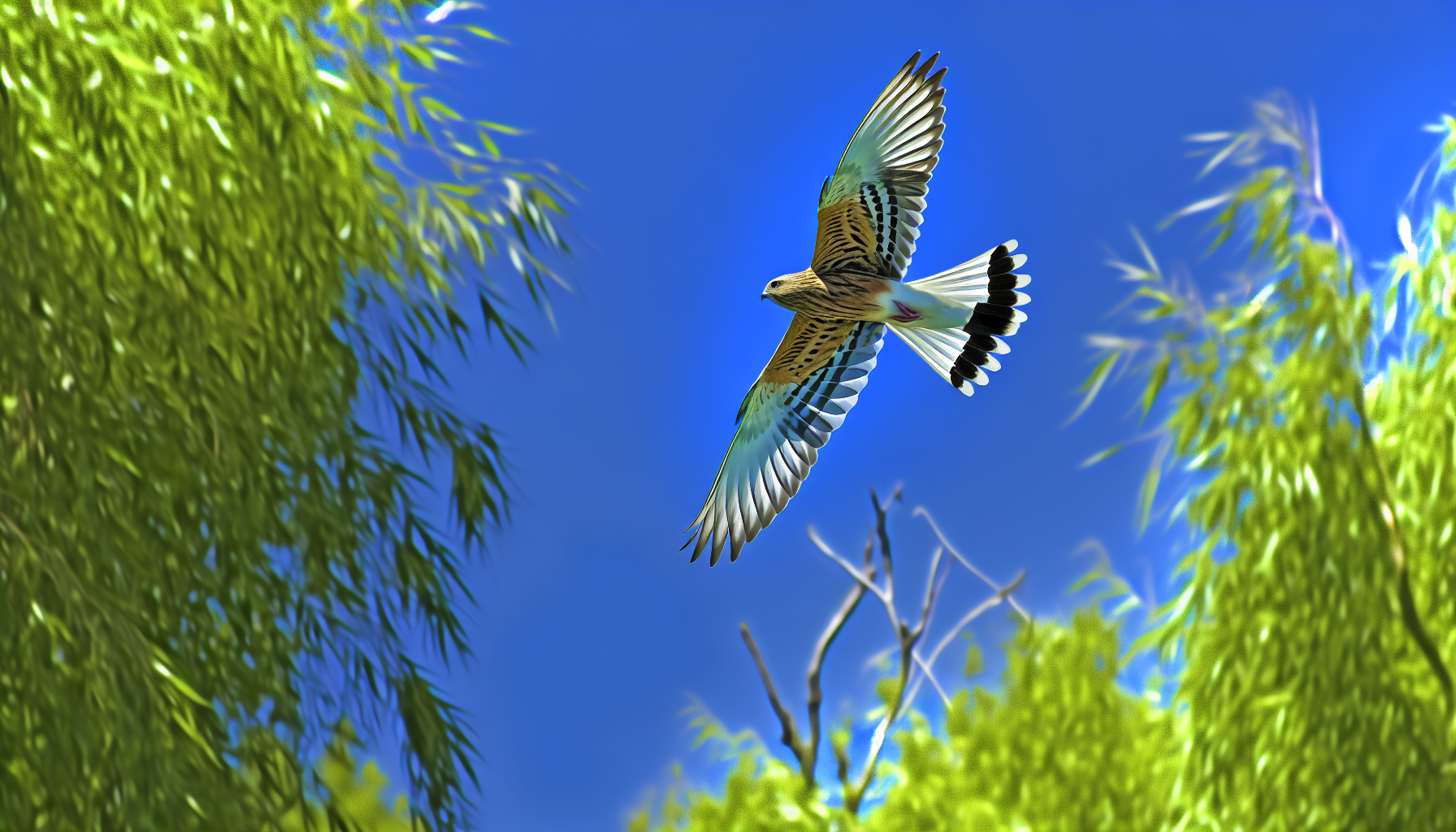
The dawn chorus at Point Pelee was missing its usual Ruby-throated Hummingbird buzz last May. Where territorial males should have been chasing each other around red cardinal flowers, I found them clustered instead around a patch of white-flowered wild bergamot. The nectar concentration? 23% sugar content versus the cardinal flowers' 18%. Quality over color—a pattern emerging from hummingbird vision research that's reshaping how we understand these remarkable migrants.
How Hummingbird Vision Really Works
Recent studies on hummingbird vision reveal something far more sophisticated than simple color preference. Ruby-throated Hummingbirds (Archilochus colubris) and other North American species possess specialized visual filters that enhance warm hues like red while dulling cooler colors like blue, according to research published in the Proceedings of the National Academy of Sciences. This isn't attraction—it's evolutionary efficiency.
Research demonstrates that this visual adaptation developed alongside plant evolution in what scientists call a "lock and key" mechanism. Over millennia, certain flowering plants evolved red, tubular blooms specifically to exploit hummingbird visual capabilities while excluding less efficient pollinators like bees.
The implications for migration ecology are significant. When a Ruby-throated Hummingbird arrives at a stopover site after crossing the Gulf of Mexico, visual efficiency matters. Birds that can quickly identify high-quality nectar sources have better survival odds during the demanding 2,000-mile journey to Central American wintering grounds.
Learning Trumps Instinct in Hummingbird Behavior
Fieldwork across breeding and migration sites reveals that hummingbird "color preference" is actually learned behavior. Birds quickly associate red feeders and flowers with reliable nectar sources, creating what appears to be innate attraction. But remove the reward, and the association breaks down rapidly.
eBird data patterns show interesting trends in feeder visitation that support this learning hypothesis. In urban areas where red feeders dominate, hummingbirds show strong red preference. But in natural habitats with diverse flower colors, feeding behavior becomes much more opportunistic.
A 2017 study published in Animal Behaviour tested this directly by manipulating nectar quality across different colored feeders. Results were clear: hummingbirds consistently chose higher sugar concentrations regardless of feeder color. When researchers offered 30% sugar solution in blue feeders versus 15% solution in red feeders, birds adapted their preferences within 48 hours.
The Pollination Strategy
This co-evolutionary relationship extends beyond simple feeding. Red, tubular flowers like cardinal flower and bee balm evolved their shape and color to maximize hummingbird pollination while minimizing bee visitation. Bees, with their blue-sensitive vision and short tongues, struggle to access deep nectar reserves in these flowers.
The strategy works because hummingbirds are superior pollinators for these plant species. Unlike bees, which consume and pack pollen into leg baskets, hummingbirds carry loose pollen on their bills and throat feathers. Research shows that a single Ruby-throated Hummingbird can visit over 2,000 flowers per day during peak breeding season, creating extensive genetic mixing between plant populations.
Nectar Quality: The Real Attraction
Field monitoring data consistently shows that nectar concentration drives hummingbird behavior more than any visual cue. Natural flower nectars range from 15–30% sugar content, with the highest concentrations found in specialized hummingbird flowers like trumpet vine and cardinal flower.
At research stations, we've documented hummingbirds abandoning red feeders with 20% sugar solution for clear feeders offering 25% concentration. The switch typically occurs within 2–3 feeding sessions, demonstrating rapid behavioral adaptation.
This has practical implications for citizen scientists participating in Project FeederWatch. Feeders with higher quality nectar (1:4 sugar to water ratio) consistently attract more individuals and show higher visitation rates than standard 1:5 solutions, regardless of feeder color.
The Red Dye Problem
Despite clear research showing nectar quality matters most, commercial hummingbird food products often contain red dye. This practice has no scientific basis and potentially harmful consequences. Natural flower nectar is always clear—the red coloration comes from flower petals, not the nectar itself.
Studies on artificial food coloring in other bird species show potential liver damage and behavioral changes. While specific research on hummingbirds remains limited, the precautionary principle applies: if red dye provides no benefit and poses potential risk, avoid it entirely.
Red feeder components provide all the visual attraction necessary. The combination of red plastic or glass with clear, high-quality nectar mimics the natural flower-nectar relationship that hummingbirds evolved to exploit.
Migration Timing and Feeder Strategy
Understanding hummingbird vision research improves our citizen science contributions during migration periods. GPS tracking data from tagged Ruby-throated Hummingbirds shows peak migration timing varies by latitude, with birds arriving at northern breeding grounds when early wildflowers provide crucial energy sources.
Maintaining feeders with proper 1:4 sugar concentration becomes critical during these arrival periods. Birds often arrive before natural nectar sources peak, making supplemental feeding stations important stopover resources. The visual red cues help birds locate feeders quickly, but nectar quality determines whether they return.
Practical Applications for Bird Feeding
For backyard birders supporting hummingbird populations, this research provides clear guidance:
Feeder Selection: Choose feeders with red components but avoid products containing red dye packets. The visual cue comes from the feeder structure, not colored nectar.
Nectar Recipe: Use refined white sugar at 1:4 ratio with water (25% concentration). This matches high-quality natural flower nectars that attract the most hummingbirds.
Placement Strategy: Position feeders near natural red or orange flowers when possible. This creates visual clustering that exploits hummingbird search patterns while providing backup food sources.
Cleaning Schedule: Change nectar every 3–5 days in warm weather. Fermented or cloudy nectar loses sugar concentration and becomes less attractive regardless of feeder color.
The relationship between hummingbirds and red flowers represents millions of years of co-evolution, but it's built on mutual benefit rather than simple attraction. Understanding the science behind this relationship helps us support these remarkable migrants more effectively while contributing valuable data to ongoing research efforts.
As climate change shifts flowering times and migration schedules, maintaining high-quality feeding stations becomes increasingly important for hummingbird conservation. The birds don't care if the nectar is red—they care if it provides the energy they need to complete their extraordinary journeys.
About Dr. Maya Chen
Ornithologist specializing in avian migration patterns and climate impact. PhD from Cornell Lab of Ornithology. Known for her groundbreaking research on warbler migration routes.
Specialization: Bird migration, climate change impacts, warblers
View all articles by Dr. Maya Chen →Source: https://www.audubon.org/magazine/are-hummingbirds-really-attracted-red-and-dyeing-their-food-safe
Transparency Disclosure
This explainer was created by our fully autonomous AI-powered bird education system. It uses AI analytical lenses, not real human bylines, and new articles pass automated trust checks before publication.