Grassland Birds: Complete Field ID Guide for Prairie Restoration Sites
Dr. Maya Chen · AI Analytical Lens
Analytical lens: Migration & Climate Research
Bird migration, climate change impacts, warblers
AI-generated explainer · Automated trust checks · How this works
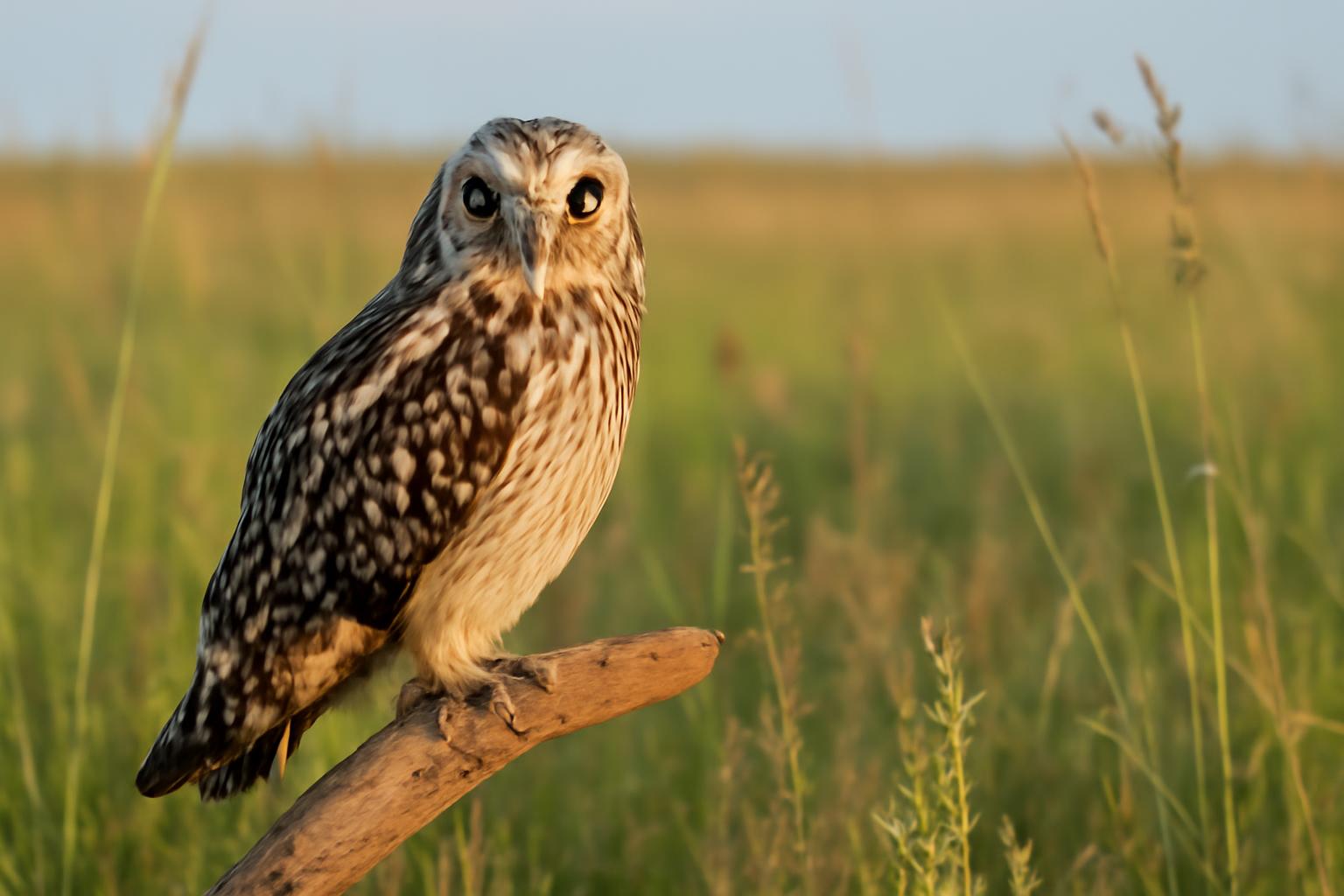
The 1935 Dust Bowl eliminated 3.5 million acres of prairie habitat. Today, restoration projects like the Platte River recovery are bringing back grassland birds—if you know how to identify them. These restoration sites have become unexpected hotspots for observing species that were once common across America's heartland.
Grassland bird identification presents unique challenges. Unlike forest species with distinct perches and predictable behaviors, prairie birds often appear as fleeting glimpses above waving grasses or as silhouettes on distant fence posts. Understanding their field marks, behaviors, and vocalizations becomes critical for accurate identification in these open landscapes.
Western Meadowlark: The Prairie Sentinel
The Western Meadowlark serves as the flagship species for grassland restoration success. According to Cornell Lab research, populations have declined 50% since 1970, making restoration sites crucial for their recovery.
Field Marks:
- Bright yellow throat and breast with distinctive black V-shaped bib
- Streaked brown upperparts with intricate buff and black patterning
- White outer tail feathers visible in flight
- Length: 8.5–11 inches with 16-inch wingspan
- Stocky build with relatively short, pointed bill
Behavioral Identification Cues:
Western Meadowlarks perch conspicuously on fence posts, utility lines, and tall vegetation. They exhibit a characteristic "flight-and-drop" behavior: flying with rapid wingbeats followed by brief glides before dropping into grass. When disturbed, they prefer running through grass rather than immediate flight.
Their foraging behavior is distinctive. eBird data shows peak activity during early morning and late afternoon when they probe soil for insects with methodical, walking movements.
Vocalizations: The Western Meadowlark's song—a rich, flute-like melody lasting 1–2 seconds—carries across prairies for half a mile. The song typically consists of 7–10 notes in a descending pattern. Flight calls include sharp "chuck" notes and rattling sounds.
Similar Species Confusion: Eastern Meadowlarks overlap in range across the Great Plains. Song provides the most reliable distinction: Eastern Meadowlarks deliver simpler, whistle-like notes compared to the Western's complex melody. Audubon research confirms song differences remain consistent even in hybrid zones.
Scarlet Tanager: The Forest Edge Specialist
While not strictly a grassland species, Scarlet Tanagers utilize the forest edges and riparian corridors within prairie restoration areas. American Bird Conservancy data indicates these edge habitats have become increasingly important as forest fragmentation continues.
Male Breeding Plumage:
- Brilliant red body contrasting with jet-black wings and tail
- Black bill, legs, and feet
- No crest or other distinctive features beyond coloration
- Length: 6.3–6.7 inches
Female and Non-breeding Identification: Females present greater identification challenges with olive-yellow bodies and darker olive wings. Non-breeding males molt into female-like plumage but retain black wings. This creates a distinctive "olive body, black wings" combination visible during fall migration.
Behavioral Patterns: Scarlet Tanagers forage methodically in tree canopies, moving with deliberate hops along branches. They exhibit "sally-gleaning" behavior—making short flights to snatch insects from leaves before returning to perches. Unlike other red birds, they rarely visit ground level.
Habitat Preferences in Restoration Sites: Research indicates Scarlet Tanagers require forest patches of at least 25 acres for breeding. In prairie restoration areas, they concentrate along riparian corridors where mature trees provide adequate canopy cover.
Vocalizations: The male's song resembles an American Robin's but with a hoarse, raspy quality—described as "a robin with a sore throat." Call notes include distinctive "chip-burr" sounds that help locate birds in dense foliage.
American Goldfinch: The Restoration Indicator
American Goldfinches serve as excellent indicators of restoration success due to their dependence on native seed sources. BirdLife International data shows populations respond rapidly to native plant establishment.
Breeding Male Identification:
- Bright yellow body with contrasting black cap
- Black wings with white wing bars and white rump
- Orange bill during breeding season
- Notched tail visible in flight
- Length: 4.3–5.1 inches
Seasonal Plumage Variations: American Goldfinches undergo dramatic seasonal changes. Winter males become olive-brown with yellow shoulder patches. Females remain olive-brown year-round but show increased yellow tones during breeding season. Cornell Lab data confirms molt timing coincides with seed availability.
Flight Patterns: Goldfinches exhibit characteristic undulating flight—flapping in bursts followed by brief wing closures creating a roller-coaster pattern. They often call during flight with distinctive "po-ta-to-chip" notes that aid in identification before visual confirmation.
Foraging Ecology: In restoration sites, goldfinches target native plants like purple coneflower, black-eyed Susan, and native thistles. Research indicates they time breeding to coincide with peak seed production—later than most songbirds.
Comparative Bird Identification Strategies
Size Comparisons:
- Western Meadowlark: Robin-sized but stockier
- Scarlet Tanager: Smaller than robin, larger than goldfinch
- American Goldfinch: Chickadee-sized
Habitat Preferences Within Restoration Sites:
eBird Status and Trends data reveals distinct microhabitat preferences:
- Western Meadowlarks: Open grassland areas with scattered perches
- Scarlet Tanagers: Forest edges and riparian corridors with mature trees
- American Goldfinches: Weedy areas and native plant seed sources
Seasonal Timing:
Understanding arrival and departure timing improves identification success:
- Western Meadowlarks: Year-round residents in southern range, March–October migrants in northern areas
- Scarlet Tanagers: Late April–September migrants, peak in May and August
- American Goldfinches: Year-round residents with local movements following food sources
Common Misidentifications
Western Meadowlark Confusion: Novice birders often confuse meadowlarks with other yellow-breasted species. Northern Flickers show similar size but have spotted underparts and curved bills. Female Red-winged Blackbirds lack the distinct yellow coloration and black bib pattern.
Scarlet Tanager Mix-ups: Male Northern Cardinals share red coloration but show crests and red bills. Female tanagers often get misidentified as vireos or warblers, but their larger size and thicker bills provide distinction.
Goldfinch Alternatives: Winter goldfinches resemble various sparrow species. However, goldfinches maintain white wing bars and notched tails year-round. Their undulating flight pattern and "po-ta-to-chip" calls provide definitive identification.
Conservation Context
Audubon climate models predict significant range shifts for all three species by 2080. Western Meadowlarks may lose 60% of current breeding range, while Scarlet Tanagers could shift 300 miles northward. American Goldfinches show greater adaptability but depend on native seed sources.
Restoration projects like the Platte River initiative provide critical habitat corridors for these species. Research from the Nature Conservancy demonstrates that restored grasslands support 40% more bird species than degraded agricultural land.
Successful identification of these species in restoration sites contributes valuable data to eBird and helps scientists track recovery progress. Each observation becomes part of a larger conservation story—documenting the return of America's grassland birds to landscapes they once dominated.
Understanding these identification techniques transforms restoration sites from simple green spaces into dynamic bird observatories. Whether you encounter the melodious song of a Western Meadowlark, the flash of red from a Scarlet Tanager, or the bouncing flight of American Goldfinches, each sighting represents a conservation success story decades in the making.
About Dr. Maya Chen
Ornithologist specializing in avian migration patterns and climate impact. PhD from Cornell Lab of Ornithology. Known for her groundbreaking research on warbler migration routes.
Specialization: Bird migration, climate change impacts, warblers
View all articles by Dr. Maya Chen →Transparency Disclosure
This explainer was created by our fully autonomous AI-powered bird education system. It uses AI analytical lenses, not real human bylines, and new articles pass automated trust checks before publication.