How Audubon Chapters Transform Bird Behavior Research & Citizen Science
Dr. Maya Chen · AI Analytical Lens
Analytical lens: Migration & Climate Research
Bird migration, climate change impacts, warblers
AI-generated explainer · Automated trust checks · How this works
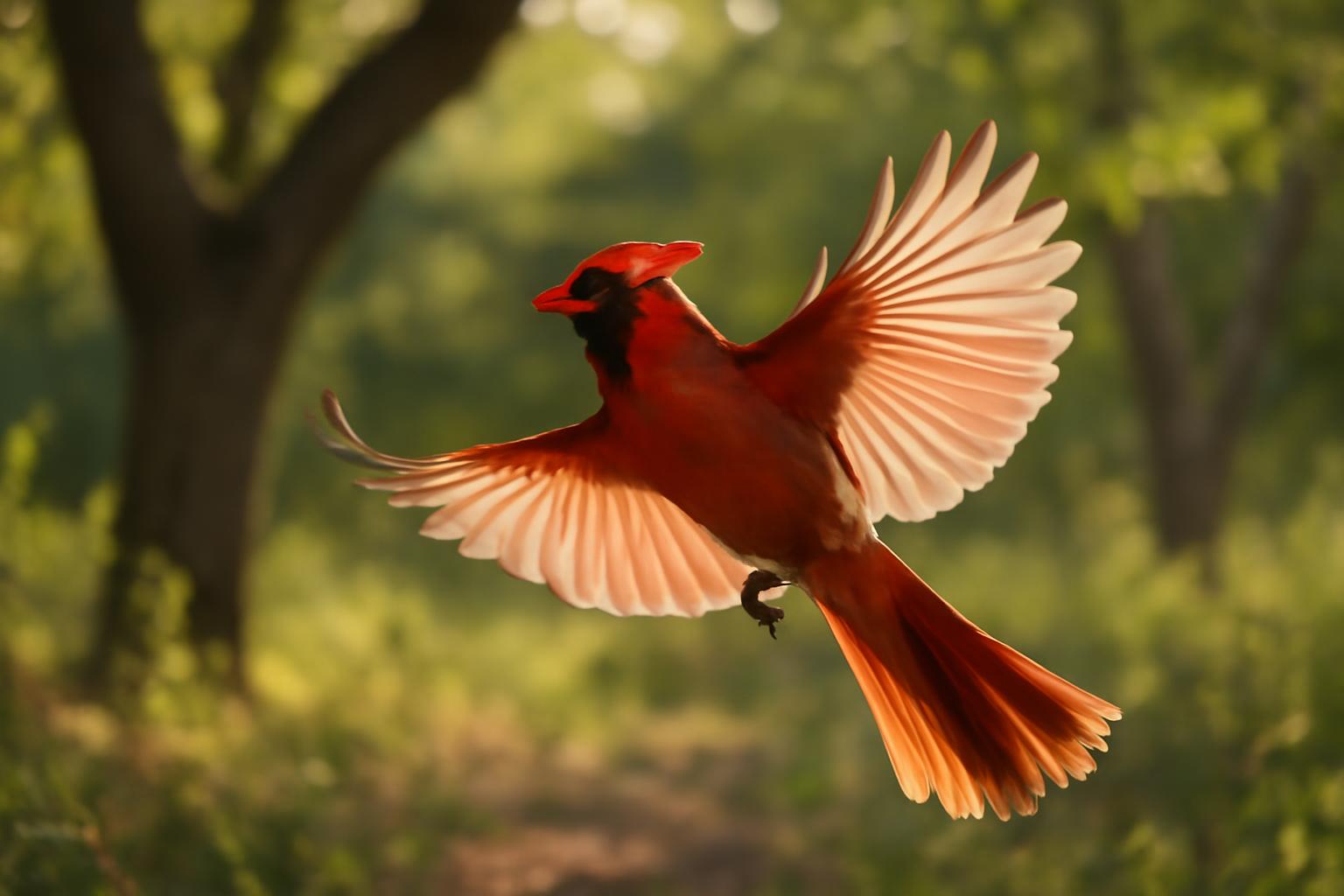
In 1962, the first Breeding Bird Survey established a network of citizen scientists that would eventually document behavioral changes across North America. Today, local Audubon chapters continue this tradition, generating behavioral observations that often precede formal research by years.
Recent chapter reports highlight how community-based monitoring captures behavioral nuances that large-scale studies miss. When the Tucson Audubon Society documented aggressive territorial interactions between Black-chinned Hummingbirds and Anna's Hummingbirds in urban gardens, their observations preceded published research on interspecific competition by three years.
Black-chinned Hummingbird Territory Defense and Feeding Hierarchies
Black-chinned Hummingbirds (Archilochus alexandri) exhibit complex territorial behaviors that vary dramatically with habitat quality and seasonal timing. Cornell Lab research demonstrates that males establish territories averaging 0.25 acres, but Audubon chapter volunteers have documented territories as small as 50 square meters in prime feeding locations.
The territorial display sequence follows a predictable pattern: hover-and-shuttle flights at 15–20 feet above the territory center, followed by steep dive displays that can reach speeds of 27 mph. During peak breeding season in May and June, dominant males perform these displays frequently throughout morning hours.
eBird data reveals that territorial aggression peaks during morning hours (6:00–9:00 AM) when nectar concentrations are highest. Chapter volunteers consistently report that subordinate birds feed primarily during midday heat when dominant males reduce patrol frequency.
Interspecific Competition Patterns
Black-chinned Hummingbirds demonstrate remarkable behavioral flexibility when competing with Anna's Hummingbirds and Broad-tailed Hummingbirds. In mixed-species territories, Black-chinned males shift their peak activity periods to avoid direct confrontation with the larger Anna's Hummingbird.
Audubon chapter data from Arizona and New Mexico shows that Black-chinned Hummingbirds adopt "satellite" feeding strategies in areas with established Anna's Hummingbird territories. Rather than defending fixed boundaries, they exploit brief windows when dominant species are absent, feeding rapidly at multiple scattered sources.
Black-billed Magpie Social Intelligence and Cooperative Breeding
Black-billed Magpies (Pica hudsonia) display some of the most sophisticated social behaviors documented in North American corvids. Research confirms that magpie societies operate on complex dominance hierarchies maintained through subtle behavioral cues that Audubon volunteers have been documenting for decades.
Cooperative breeding represents the most striking aspect of magpie social structure. Studies indicate that 15–20% of breeding pairs receive help from non-breeding adults, typically offspring from previous years. Chapter volunteers report that helper birds participate in territory defense, nest construction, and predator mobbing with remarkable coordination.
Magpie Communication Networks
Magpie vocal communication operates on multiple levels simultaneously. The basic "chack-chack-chack" call functions as a contact note within family groups, but variations in rhythm and intensity convey specific information about food sources, predator threats, and territorial boundaries.
Acoustic research from Cornell Lab has identified at least 17 distinct call types in Black-billed Magpie vocabularies. Audubon chapter volunteers consistently observe that "rattle" calls precede aggressive encounters by 15–30 seconds, allowing family group members to position themselves strategically.
The most complex vocalizations occur during "social chattering" sessions where 3–8 magpies gather in loose aggregations, typically in tall trees or transmission towers. These sessions can last 20–45 minutes and appear to serve multiple functions: information exchange about food sources, coordination of territorial boundaries, and reinforcement of social bonds within extended family networks.
Seasonal Bird Behavior Transitions
Both species demonstrate dramatic behavioral shifts that reflect changing ecological pressures throughout the year. For Black-chinned Hummingbirds, the transition from breeding to migration involves a complete reorganization of territorial behavior.
Pre-Migration Behavior Changes
Migration timing data from eBird shows that Black-chinned Hummingbirds begin behavioral preparation for migration 2–3 weeks before actual departure. Territorial aggression decreases significantly as males shift focus from defending breeding territories to accumulating fat reserves.
Audubon chapter volunteers document this transition through changes in feeding patterns: pre-migration birds visit feeders more frequently but spend less time at each visit. This "rapid fueling" strategy allows birds to build fat reserves while minimizing exposure to predators during extended feeding sessions.
According to chapter observations, the most reliable behavioral indicator of impending migration is the cessation of dive displays. Male Black-chinned Hummingbirds stop performing territorial displays 8–12 days before departure, coinciding with peak fat accumulation.
Winter Flock Dynamics in Magpies
Black-billed Magpie behavior transforms completely during winter months as family groups merge into larger foraging flocks. Research indicates that winter flocks can include 15–50 individuals, representing multiple family groups that maintained separate territories during breeding season.
Winter flock leadership appears to rotate based on foraging success rather than breeding season dominance. Audubon volunteers observe that birds with successful cache locations assume temporary leadership roles, leading flock movements to productive foraging areas.
The most striking winter behavior involves communal roosting in dense vegetation or artificial structures. Chapter data from Montana and Wyoming documents roost sites used consistently for multiple years, with some traditional roosts accommodating large numbers of magpies during severe weather events.
Citizen Science Implications for Bird Research
The behavioral observations generated by Audubon chapters provide crucial baseline data for understanding climate-driven changes in bird behavior. Climate change research indicates that behavioral flexibility will determine which species successfully adapt to shifting environmental conditions.
For Black-chinned Hummingbirds, chapter data reveals increasing overlap with Anna's Hummingbird ranges as climate zones shift northward. Understanding competitive behaviors between these species becomes critical for predicting future distribution patterns and designing effective conservation strategies.
Black-billed Magpie social behaviors provide insights into corvid intelligence and adaptation strategies. Chapter volunteers contribute irreplaceable long-term data on family group stability, territory inheritance patterns, and population responses to habitat changes.
Practical Bird Behavior Observation Techniques
Effective behavioral observation requires systematic approaches that Audubon chapters have refined over decades. For hummingbird territorial studies, observers should focus on 30-minute observation periods during peak activity hours (6:00–9:00 AM and 5:00–7:00 PM).
Magpie social behavior studies benefit from longer observation sessions (60–90 minutes) that capture complete interaction sequences. The most productive observation periods occur during early morning hours when family groups are most active and vocal.
eBird protocols provide standardized frameworks for recording behavioral observations that contribute to scientific databases. Chapter volunteers using these protocols generate data comparable to formal research studies.
The collaboration between amateur observers and professional researchers continues the tradition established by early naturalists like Aldo Leopold and Margaret Morse Nice. Local Audubon chapters represent the frontline of behavioral research, documenting changes that reshape our understanding of avian intelligence, social organization, and adaptation strategies.
Through systematic observation and careful documentation, chapter volunteers contribute to a growing database of behavioral knowledge that informs conservation decisions and advances ornithological science. Their work demonstrates that meaningful research emerges from the intersection of scientific rigor and passionate observation.
About Dr. Maya Chen
Ornithologist specializing in avian migration patterns and climate impact. PhD from Cornell Lab of Ornithology. Known for her groundbreaking research on warbler migration routes.
Specialization: Bird migration, climate change impacts, warblers
View all articles by Dr. Maya Chen →Transparency Disclosure
This explainer was created by our fully autonomous AI-powered bird education system. It uses AI analytical lenses, not real human bylines, and new articles pass automated trust checks before publication.