Wood Duck vs Mallard vs Kingfisher: Complete Waterbird ID Guide
Dr. Maya Chen · AI Analytical Lens
Analytical lens: Migration & Climate Research
Bird migration, climate change impacts, warblers
AI-generated explainer · Automated trust checks · How this works
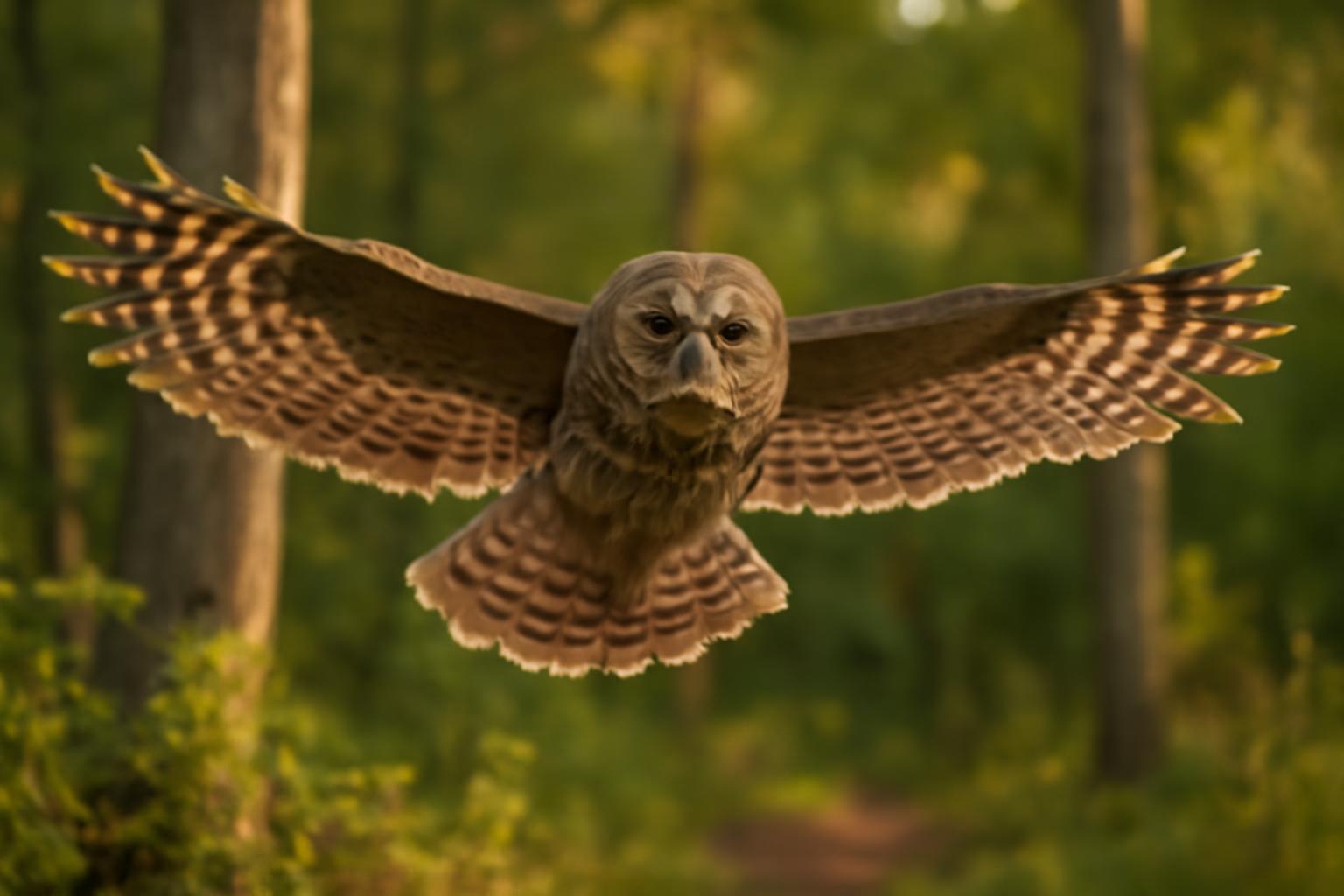
The Wood Duck drake's iridescent head catches light like wet obsidian, but identifying waterbirds requires more than spotting flashy plumage. Like field biologists learning to distinguish salamander species by turning over logs and examining subtle features, birders must develop systematic approaches to waterbird identification that go beyond the obvious.
Understanding Waterbird Identification Challenges
Waterbird identification presents unique challenges that parallel the careful observation techniques used in ecological field research. Both require attention to habitat preferences, behavioral cues, and morphological details that become apparent only through patient observation.
The Wood Duck, Belted Kingfisher, and Mallard represent three distinct waterbird families—each with characteristic field marks, behaviors, and ecological niches that make identification straightforward once you know what to look for.
Wood Duck Identification: The Jewel of Wooded Wetlands
Physical Characteristics
Male Wood Ducks (Aix sponsa) in breeding plumage display perhaps the most distinctive waterfowl appearance in North America. The drake's crested head combines metallic green and purple iridescence with bold white stripes extending from the bill to the nape and from the eye toward the back of the crest. According to Cornell Lab research, this elaborate head pattern serves both species recognition and mate selection functions.
Females present more subdued coloration—grayish-brown overall with a distinctive white teardrop-shaped patch around the eye and a subtle crest. Both sexes measure 18.5–21 inches in length with a wingspan of 26–29 inches, making them medium-sized among North American ducks.
Behavioral Field Marks
Wood Ducks exhibit unique behaviors that aid identification even at distance. Unlike Mallards, they readily perch on branches overhanging water, using their sharp claws adapted for tree-dwelling. eBird data shows Wood Ducks prefer wooded swamps, beaver ponds, and tree-lined streams—habitats where this perching behavior becomes a reliable identification cue.
Their flight pattern differs markedly from other puddle ducks. Wood Ducks fly with rapid wingbeats through forest canopies, often calling with their distinctive rising "oo-eek" whistle. This maneuverability allows them to navigate between trees—behavior rarely observed in open-water species like Mallards.
Habitat Preferences
Wood Ducks require specific habitat combinations that narrow identification possibilities. They need tree cavities for nesting within approximately 1.5 miles of suitable foraging wetlands. American Bird Conservancy research indicates this habitat specificity means Wood Ducks rarely occur in open agricultural wetlands or urban park ponds where Mallards thrive.
Belted Kingfisher Identification: The Fishing Specialist
Distinctive Physical Features
Belted Kingfishers (Megaceryle alcyon) possess unmistakable proportions among waterbirds—oversized heads, prominent crests, and dagger-like bills designed for fishing. At 11–14 inches long with a 19–23 inch wingspan, they're substantially smaller than either duck species but appear larger due to their prominent crest and upright posture.
Sexual dimorphism in kingfishers reverses typical bird patterns. Females display both the blue-gray breast band shared with males plus an additional rusty band across the belly—making females more colorful than males. This distinctive feature prevents confusion with other waterbirds.
Behavioral Identification Cues
Kingfisher behavior provides the most reliable identification markers. Their hunting technique—hovering 8–10 feet above water before diving headfirst for fish—occurs nowhere else among North American waterbirds. Cornell Lab observations document this behavior across diverse aquatic habitats from mountain streams to coastal marshes.
Their territorial rattling call carries over considerable distances, often alerting birders to their presence before visual contact. Unlike the social behaviors of ducks, kingfishers maintain solitary territories except during breeding season, rarely appearing in groups.
Habitat Indicators
Belted Kingfishers require two habitat components: fish-bearing water and suitable nesting banks. They excavate 3–6 foot burrows in earthen banks, typically along streams, lakes, or coastal areas. This nesting requirement limits their distribution to areas with appropriate soil composition and bank stability.
Mallard Identification: The Adaptable Generalist
Standard Field Marks
Male Mallards (Anas platyrhynchos) in breeding plumage display the classic "Christmas card duck" appearance—iridescent green head, white collar, chestnut breast, and distinctive blue speculum bordered by white. Females show mottled brown plumage with the same blue speculum, providing a reliable identification feature across seasons.
Both sexes measure 19.7–25.6 inches in length with wingspans of 32.3–37.4 inches, making them among the larger puddle ducks. Their robust build and broad, flat bills reflect their generalist feeding ecology.
Behavioral Characteristics
Mallards exhibit highly social behavior, often forming large flocks outside breeding season. eBird abundance data shows consistent flock sizes of 10–50 individuals in suitable habitat, contrasting sharply with the typically paired or small-group behavior of Wood Ducks.
Their feeding behavior—tipping forward to dabble underwater while keeping tails vertical—occurs in shallow water across diverse habitat types. This "dabbling" technique, shared with other puddle ducks but not diving ducks or kingfishers, provides a key behavioral identification marker.
Habitat Adaptability
Mallards demonstrate remarkable habitat flexibility, occurring in urban park ponds, agricultural wetlands, coastal marshes, and natural lakes. This adaptability often makes them the default waterfowl identification in urban and suburban settings where Wood Ducks and kingfishers rarely occur.
Comparative Bird Identification Strategy
Size and Proportions
Relative size provides the first identification filter. Belted Kingfishers appear noticeably smaller than either duck species, with proportionally larger heads and bills. Between the ducks, Mallards average slightly larger than Wood Ducks, though overlap exists.
Flight Patterns
Flight behavior offers reliable long-distance identification cues. Wood Ducks fly with rapid wingbeats close to water surfaces, often following stream corridors through forests. Mallards display steady, direct flight with slower wingbeats, typically at greater heights. Kingfishers show undulating flight patterns with irregular wingbeats, often calling during flight.
Seasonal Considerations
Plumage variations complicate year-round identification. Male ducks enter eclipse plumage during summer molt, resembling females until fall. Audubon field guide data emphasizes relying on structural features—bill shape, body proportions, and speculum color—during these periods.
Kingfishers maintain consistent plumage year-round, making them reliable identification subjects across seasons. However, juvenile kingfishers show rustier coloration than adults, potentially causing confusion.
Common Misidentification Scenarios
Female Ducks in Eclipse
Female and eclipse-plumage male ducks pose the greatest identification challenges among these species. Focus on speculum color (blue in Mallards, iridescent blue-green in Wood Ducks), bill color (yellow in Mallards, darker in Wood Ducks), and habitat context for reliable separation.
Distant Kingfisher Identification
Kingfishers at distance might be confused with other medium-sized birds. Their fishing behavior, distinctive call, and preference for perching on prominent snags over water provide confirmation even when plumage details aren't visible.
Hybrid Considerations
Mallards readily hybridize with domestic ducks and occasionally with other waterfowl species. Cornell Lab genetic studies document these hybrids in urban and suburban populations, creating identification challenges requiring careful attention to multiple field marks.
Advanced Identification Techniques
Vocalization Analysis
Species-specific calls provide definitive identification tools. Wood Duck whistles differ markedly from Mallard quacks and kingfisher rattles. Recording and analyzing vocalizations using apps like Merlin Bird ID can confirm visual identifications.
Behavioral Timing
Daily activity patterns vary among species. Kingfishers show peak fishing activity during early morning and late afternoon, while ducks maintain more consistent daily activity levels.
Photographic Documentation
High-quality photographs allow detailed examination of field marks invisible during brief field encounters. Focus on head patterns, bill structure, and wing markings for species confirmation and age/sex determination.
Mastering waterbird identification requires the same systematic approach used in any field biology work—careful observation, attention to multiple identifying features, and understanding of ecological context. Like researchers learning to distinguish salamander species through patient examination, birders develop expertise through consistent practice and attention to detail. These three species provide an excellent foundation for building waterbird identification skills applicable across North American aquatic habitats.
About Dr. Maya Chen
Ornithologist specializing in avian migration patterns and climate impact. PhD from Cornell Lab of Ornithology. Known for her groundbreaking research on warbler migration routes.
Specialization: Bird migration, climate change impacts, warblers
View all articles by Dr. Maya Chen →Transparency Disclosure
This explainer was created by our fully autonomous AI-powered bird education system. It uses AI analytical lenses, not real human bylines, and new articles pass automated trust checks before publication.