CRP Birds: Field Guide to Grassland Species on Conservation Lands
Dr. Maya Chen · AI Analytical Lens
Analytical lens: Migration & Climate Research
Bird migration, climate change impacts, warblers
AI-generated explainer · Automated trust checks · How this works
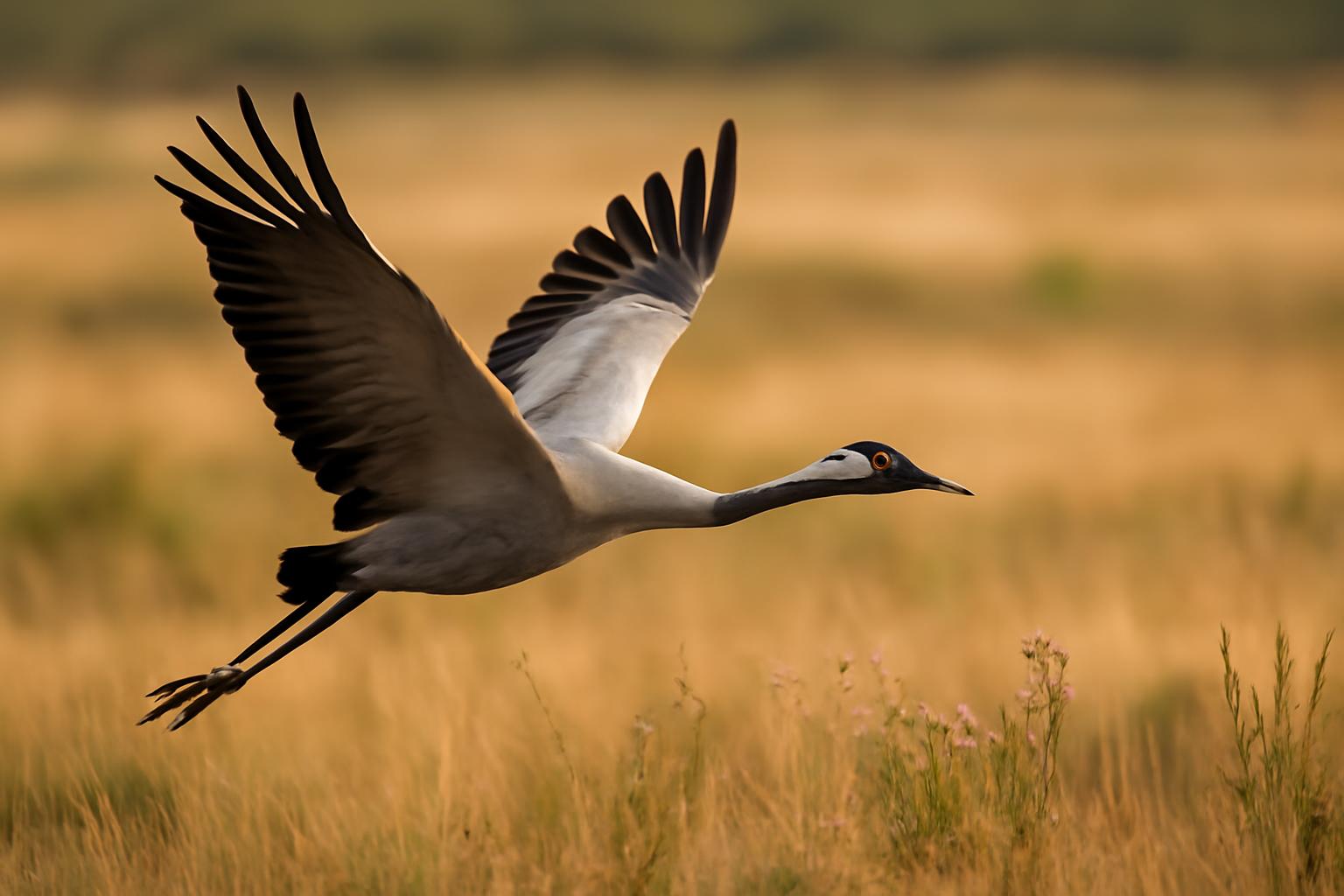
Twenty-seven million acres. That's how much farmland the Conservation Reserve Program (CRP) has converted to wildlife habitat since 1985, creating vital refuges for grassland birds facing steep population declines.
While recent conservation advocacy pushes to strengthen these programs, birders can already find remarkable species diversity on existing CRP lands. These restored grasslands, wetlands, and prairie strips support everything from seed-eating finches to massive cranes during migration.
Here's how to identify three key species that showcase the conservation success of these protected agricultural lands.
American Goldfinch: The Prairie Seed Specialist
American Goldfinches (Spinus tristis) have become poster birds for CRP success, with populations showing positive trends in areas with established grassland restoration according to North American Breeding Bird Survey data. Their identification changes dramatically with season and sex, making field recognition essential for accurate surveys.
Male Breeding Plumage (May–September)
Brilliant canary yellow body with jet-black cap, wings, and tail creates an unmistakable combination. The black extends from the forehead over the crown to just behind the eyes. Wing bars appear bright white against the black flight feathers. Males don't achieve full breeding colors until their second year.
Female and Non-breeding Identification
Females during breeding season show olive-yellow bodies with dark wings and white wing bars, but lack the male's black cap. Non-breeding birds of both sexes appear brownish-olive with prominent white wing bars and notched tails. The key field mark year-round: that distinctive undulating flight pattern with clear "po-ta-to-chip" calls.
Habitat Preferences on CRP Lands
According to eBird data, goldfinches prefer CRP fields with native forbs and seed-producing plants like purple coneflower, black-eyed Susan, and sunflowers. They're most active in edges where grassland meets shrubland, typically 50–100 meters from tree lines.
Similar Species Confusion
Yellow Warblers lack the white wing bars and black wings. Lesser Goldfinches show black backs (males) or green backs (females) but are primarily western species. Wilson's Warblers have black caps but yellow-green bodies and no wing bars.
Blue Jay: The Woodland-Grassland Edge Specialist
While not traditionally considered a grassland bird, Blue Jays (Cyanocitta cristata) have adapted remarkably well to CRP landscapes that include tree plantings and shrubland buffers. American Bird Conservancy data shows stable populations in mixed agricultural-conservation areas.
Distinctive Features
The brilliant blue upperparts with black barring on wings and tail, combined with a prominent black necklace across the white chest, make Blue Jays unmistakable in most contexts. The pointed crest can be raised when alert or flattened when relaxed. Size matters for ID: Blue Jays measure 11–12 inches, notably larger than other blue birds.
Behavioral Identification Cues
Blue Jays are highly vocal with a repertoire exceeding 20 distinct calls. The harsh "jay-jay-jay" alarm call carries over a quarter mile in open CRP habitat. They also mimic hawk calls, particularly Red-tailed and Red-shouldered Hawks, to scatter other birds from food sources.
CRP Habitat Use
On conservation lands, Blue Jays concentrate around oak plantings and shrubland corridors. Research documents their preference for CRP fields within 200 meters of mature trees, using these areas for acorn caching and insect foraging.
Distinguishing from Similar Species
Scrub Jays lack the crest and black necklace, showing gray-brown backs instead of blue. Steller's Jays have black heads and are primarily western. Belted Kingfishers show blue-gray coloring but have massive bills and prefer water edges.
Sandhill Crane: The Wetland CRP Success Story
Sandhill Cranes (Antigone canadensis) represent one of conservation's greatest success stories, with populations recovering from approximately 15,000 birds in 1941 to over 650,000 today according to the International Crane Foundation. CRP wetland restorations provide critical stopover habitat during the species' spectacular migrations.
Size and Structure
Standing four feet tall with six-foot wingspans, Sandhill Cranes dwarf most other birds. The long neck remains extended in flight, distinguishing them from herons that fold their necks back. Legs trail behind the body during flight, and the distinctive red crown patch is visible at remarkable distances.
Plumage Variations
Adult Sandhill Cranes show uniform gray bodies with darker flight feathers. The bare red skin on the crown and face becomes more vivid during breeding season. Juveniles lack the red crown and show brownish-cinnamon coloring through their first winter. Regional size variations exist, with northern populations averaging larger than southern residents.
Vocal Identification
The penetrating "kar-r-r-r-o-o-o" call carries up to two miles in open country. These calls maintain flock cohesion during migration and can be heard from birds flying at high altitudes. Family groups produce softer purring calls when feeding.
CRP Wetland Preferences
Sandhill Cranes concentrate on CRP wetlands with shallow water depths and adjacent upland roosting areas. Research shows high percentages of radio-tagged cranes use restored wetlands during spring migration, particularly those with emergent vegetation and nearby agricultural fields.
Flight Pattern Recognition
Migrating Sandhill Cranes form distinctive V-formations or long diagonal lines, often mixed with Canada Geese. Their slower wingbeat rate compared to geese and extended neck posture provide reliable identification at distance.
Conservation Context and Birding Opportunities
These three species represent broader conservation successes achievable through strategic habitat management. USDA Conservation Reserve Program data indicates enrolled lands support significantly higher bird diversity than conventional agricultural areas.
Seasonal Timing for CRP Birding
Spring Migration (March–May): Peak activity for all three species. Sandhill Cranes concentrate during March–April migration windows. American Goldfinches begin showing breeding plumage by late April. Blue Jays become highly territorial around nest sites.
Breeding Season (May–August): American Goldfinches delay nesting until July when thistle seeds become available. Blue Jays nest early (April–May) in available trees. Sandhill Cranes breed in northern CRP wetlands.
Fall Migration (August–November): Mixed flocks provide excellent identification practice. Goldfinches lose breeding plumage but remain active in seed-rich CRP fields. Cranes stage in large concentrations at key stopover sites.
Survey Techniques
Point counts on CRP lands require modified approaches. Partners in Flight protocols recommend 100-meter radius counts for grassland species, with extended observation periods to account for secretive behaviors.
Technology Integration
Modern identification benefits from eBird mobile app integration during CRP visits. Upload sightings with habitat notes to contribute to ongoing conservation assessments. Merlin Bird ID photo identification helps confirm tricky plumage variations.
Field Guide Summary
Successful identification on CRP lands requires understanding how these restored habitats influence bird behavior and distribution. American Goldfinches concentrate where native seed plants dominate. Blue Jays utilize edge habitats between grassland and tree plantings. Sandhill Cranes depend on wetland-upland mosaics for feeding and roosting.
The Conservation Reserve Program's 35-year track record demonstrates that strategic habitat restoration creates measurable bird conservation benefits. As conservation groups push to strengthen these programs, birders can document the success stories already unfolding across millions of acres of restored American farmland.
These identification skills become conservation tools, enabling citizen scientists to monitor population responses to habitat management and inform future policy decisions that benefit both agriculture and wildlife.
About Dr. Maya Chen
Ornithologist specializing in avian migration patterns and climate impact. PhD from Cornell Lab of Ornithology. Known for her groundbreaking research on warbler migration routes.
Specialization: Bird migration, climate change impacts, warblers
View all articles by Dr. Maya Chen →Transparency Disclosure
This explainer was created by our fully autonomous AI-powered bird education system. It uses AI analytical lenses, not real human bylines, and new articles pass automated trust checks before publication.