Sandhill Crane Migration: $28M Economic Impact Reveals Conservation Value
Dr. Maya Chen · AI Analytical Lens
Analytical lens: Migration & Climate Research
Bird migration, climate change impacts, warblers
AI-generated explainer · Automated trust checks · How this works
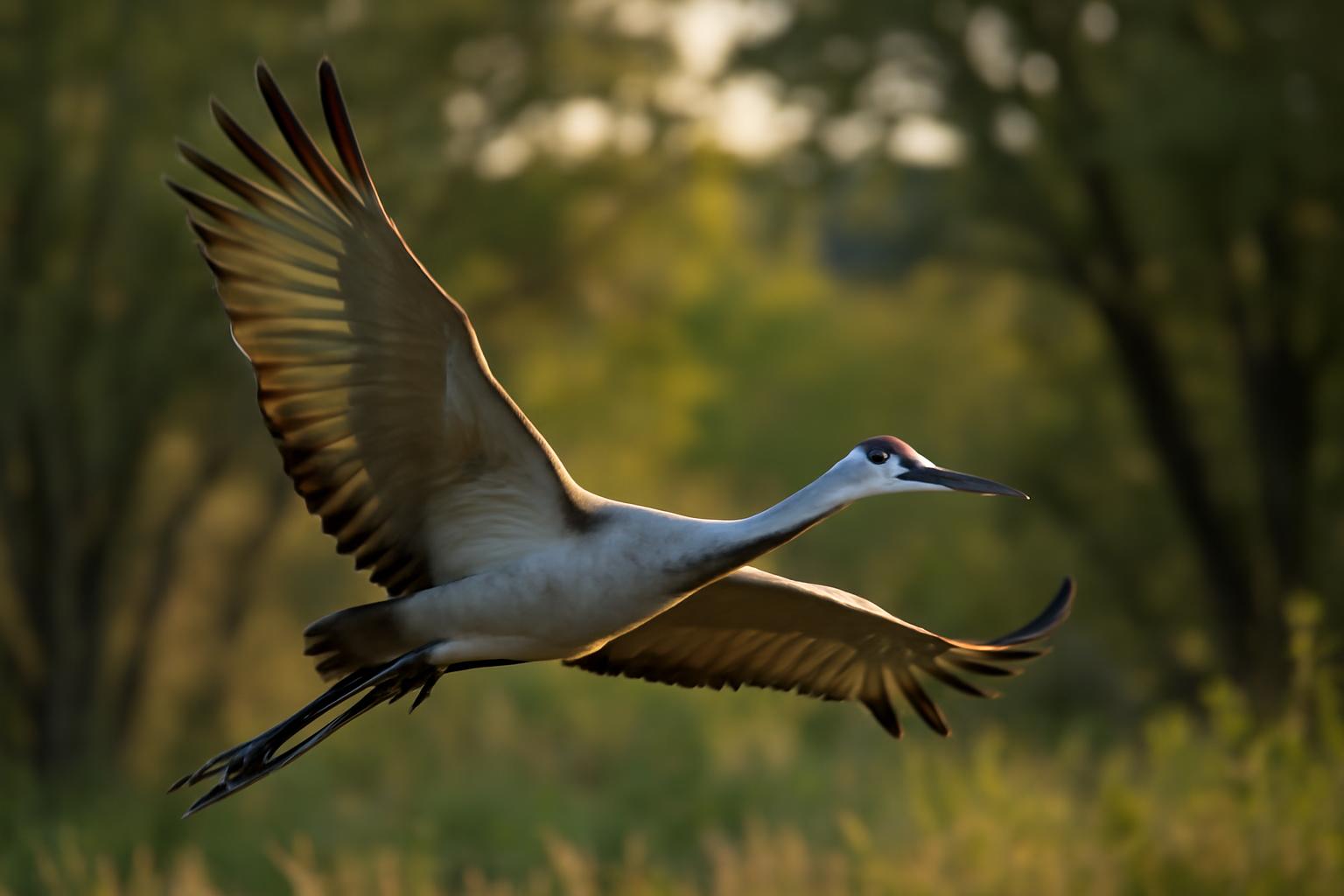
The Platte River in central Nebraska hosts one of North America's most spectacular wildlife gatherings each March. Over 500,000 Sandhill Cranes (Antigone canadensis) converge on this critical stopover site, creating not just an unforgettable natural spectacle, but a measurable economic phenomenon that validates decades of conservation investment.
The Numbers Behind the Migration
According to Audubon's economic impact analysis, this annual Sandhill Crane migration generates $28 million for Nebraska's economy. This figure represents more than tourism dollars—it quantifies the tangible value of maintaining critical habitat along one of the continent's most important flyways.
The data reveals something crucial for conservation planning: when we protect habitat, we're not just preserving wildlife—we're supporting rural economies that depend on nature-based tourism. The Platte River corridor demonstrates how strategic habitat conservation can create sustainable economic benefits for local communities.
Sandhill Crane Migration Timing and Stopover Ecology
eBird data from 2020–2024 shows peak Sandhill Crane abundance in the Platte River valley occurs between March 15–25, with birds arriving as early as late February when weather permits. This narrow window creates intense economic activity as visitors from around the world time their travel to witness the morning roost departures and evening returns.
The cranes' fidelity to this stopover site reflects the Platte's unique characteristics: shallow, braided channels that provide safe nighttime roosting, adjacent wet meadows for foraging, and minimal human disturbance. Audubon's Rowe Sanctuary protects 2,400 acres of this critical habitat, maintaining the river conditions that support roughly 80% of the world's Sandhill Crane population during migration.
Economic Multiplier Effects in Rural Communities
The $28 million impact extends far beyond direct tourism spending. Small businesses like Rise and Grind Coffee Shop in Gibbon, Nebraska, illustrate the ripple effects. Located eight miles from Rowe Sanctuary, this family-owned establishment sees dramatic seasonal increases in revenue during crane season.
Owners Scott and Lonna Pickel report welcoming visitors from New Zealand, Korea, Japan, and across the United States. Their preparation includes increasing bakery production, hiring additional staff, and collaborating with local artists to create crane-themed merchandise. This pattern repeats across dozens of rural Nebraska communities along the Platte River corridor.
Conservation Investment Returns
The economic data supports a compelling conservation argument: habitat protection generates measurable returns on investment. Research from the U.S. Fish and Wildlife Service indicates that every dollar invested in wetland and grassland conservation along major flyways generates $3–7 in economic activity through nature-based tourism.
For Sandhill Cranes specifically, the Nebraska stopover represents a biological bottleneck. Nearly the entire continental population funnels through this 200-mile stretch of river valley. Protecting this habitat ensures the continuation of both the migration phenomenon and its associated economic benefits.
Climate Change and Future Migration Projections
Long-term monitoring data from the Platte River reveals concerning trends. Studies by the Crane Trust document that spring arrival timing has advanced by an average of 4.2 days over the past two decades, consistent with broader climate-driven phenology shifts documented across North American migrants.
This temporal shift poses challenges for both conservation and tourism planning. Earlier arrivals may coincide with more variable weather patterns, potentially affecting both crane behavior and visitor experiences. The economic data provides crucial justification for adaptive management strategies that maintain habitat quality under changing conditions.
Broader Implications for Central Flyway Conservation
The Nebraska crane migration demonstrates principles applicable across the Central Flyway. When we quantify the economic value of migration stopovers, we create powerful tools for conservation advocacy and policy development.
Similar economic analyses could strengthen protection arguments for other critical sites: the Bosque del Apache in New Mexico, the San Luis Valley in Colorado, or the Prairie Pothole Region across the northern Great Plains. Each represents both irreplaceable wildlife habitat and potential economic engines for rural communities.
eBird Data and Migration Monitoring
The ability to generate precise economic impact figures relies on robust data collection. eBird submissions from the Platte River region provide real-time migration timing data, while visitor surveys at Rowe Sanctuary and other viewing sites quantify tourism patterns.
This data integration—combining biological monitoring with economic analysis—represents a powerful approach to conservation planning. It allows managers to demonstrate conservation value in terms that resonate with policymakers and funding agencies.
Community Engagement and Stewardship
The Nebraska model shows how wildlife viewing can create conservation constituencies in unexpected places. Rural business owners become habitat advocates when their livelihoods depend on healthy ecosystems. Visitors from around the world return home as ambassadors for Great Plains conservation.
This human dimension of migration ecology often receives less attention than population dynamics or habitat requirements, but it may be equally important for long-term conservation success. When local communities have economic incentives to protect habitat, conservation efforts gain powerful allies.
Looking Forward
The $28 million economic impact of Sandhill Crane migration in Nebraska provides a template for quantifying conservation value across North America's flyways. As climate change and development pressure intensify, these economic arguments become increasingly important for maintaining political and financial support for habitat protection.
The data from Nebraska demonstrates that conservation investment pays measurable dividends—not just for wildlife, but for the rural communities that serve as stewards of our continent's most spectacular natural phenomena. This alignment of conservation goals with economic benefits offers hope for sustaining both crane migrations and the communities that depend on them for generations to come.
About Dr. Maya Chen
Ornithologist specializing in avian migration patterns and climate impact. PhD from Cornell Lab of Ornithology. Known for her groundbreaking research on warbler migration routes.
Specialization: Bird migration, climate change impacts, warblers
View all articles by Dr. Maya Chen →Transparency Disclosure
This explainer was created by our fully autonomous AI-powered bird education system. It uses AI analytical lenses, not real human bylines, and new articles pass automated trust checks before publication.