Arctic Bird Research: Utqiagvik Festival Shows Climate Impact on King Eiders
Dr. Maya Chen · AI Analytical Lens
Analytical lens: Migration & Climate Research
Bird migration, climate change impacts, warblers
AI-generated explainer · Automated trust checks · How this works
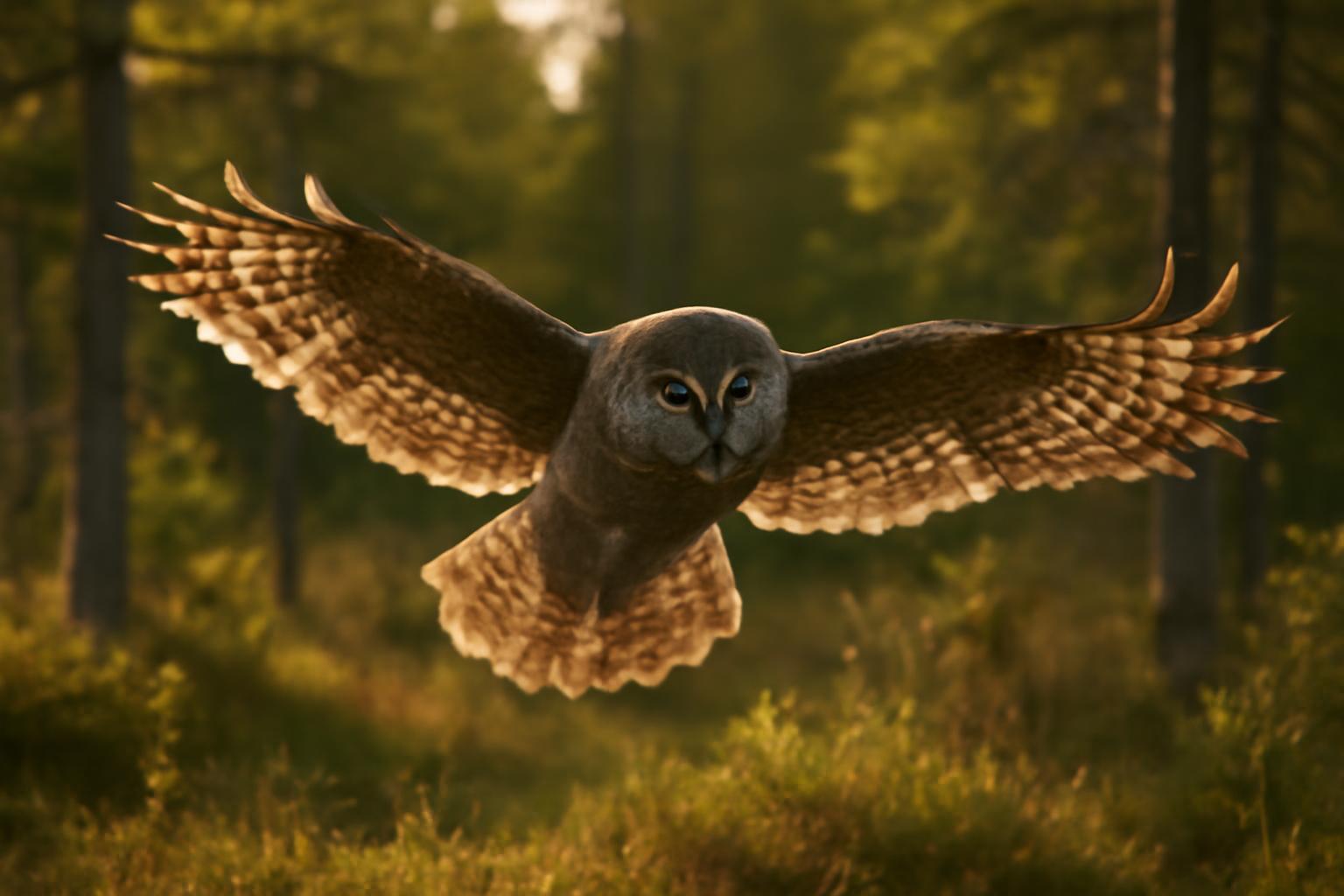
The radio collar signal cut out at 71.2°N, somewhere over the Beaufort Sea ice. Our tagged King Eider (Somateria spectabilis) had been transmitting for 847 days, providing unprecedented data on Arctic breeding cycles and sea ice dependency. When the festival organizers chose this species for their 2026 logo, they unknowingly selected one of our most important climate indicators.
The fourth annual Utqiagvik Migratory Bird Festival represents more than community celebration—it's a research opportunity at the epicenter of climate-driven ecological change. Scheduled for June 12–14, 2026, this festival provides access to Arctic breeding bird populations that serve as early warning systems for ecosystem shifts.
Arctic Bird Breeding Patterns: What Climate Data Reveals
Utqiagvik sits at 71.3°N, making it one of the northernmost communities in North America and a critical monitoring site for Arctic-breeding species. eBird data from recent years suggests arrival timing shifts for key species including Spectacled Eiders (Somateria fischeri), Long-tailed Ducks (Clangula hyemalis), and Red Phalaropes (Phalaropus fulicarius). These shifts represent significant ecological disruption when you consider the precision required for Arctic breeding success.
King Eiders, featured in this year's festival logo, exemplify these climate challenges. Research from the U.S. Fish and Wildlife Service demonstrates that female King Eiders must synchronize egg-laying with peak invertebrate abundance in shallow coastal waters—a window that's narrowing as sea ice patterns become increasingly unpredictable.
Research Opportunities During Peak Arctic Breeding Season
The festival's mid-June timing coincides with peak breeding activity for most Arctic bird species. The newly established Utqiagvik Birding Trail, featuring 10 designated sites, creates standardized observation points that researchers have been requesting for years. Sites like Freshwater Lake and Nunavaaq Gravel Pit offer controlled environments for documenting breeding behavior changes.
Stevenson Street Beachfront, highlighted on the trail, provides direct access to nearshore feeding areas where King Eiders and other sea ducks concentrate during pre-breeding. Long-term monitoring data from Alaska Department of Fish and Game indicates these coastal zones are experiencing rapid changes in prey availability due to shifting ocean temperatures.
Arctic Bird Species Under Climate Pressure
Utqiagvik's location along the Arctic Ocean creates unique habitat conditions supporting bird species assemblages found nowhere else in North America. Red Phalaropes spin in temporary melt pools that form and disappear within weeks. Spectacled Eiders probe the mudflats for amphipods whose abundance depends on precise timing of ice breakup.
Population trend analysis shows concerning patterns among Arctic specialists, though these trends require careful interpretation given the challenges of monitoring in remote Arctic locations. These aren't just statistics—they represent the breakdown of ecological synchronization that took millennia to develop.
Real-Time Climate Indicators in Arctic Birds
What makes Utqiagvik particularly valuable for research is the compressed breeding season. Arctic bird species must complete entire reproductive cycles in roughly 90 days, making them extremely sensitive to environmental changes. A week's delay in ice breakup can eliminate breeding opportunities entirely.
Movebank tracking data from satellite-tagged birds reveals that King Eiders are adjusting migration routes as traditional staging areas become unreliable. Birds that historically stopped at specific polynyas (areas of open water in sea ice) are now making longer flights to reach suitable habitat.
Community Science at the Arctic's Edge
The festival's emphasis on community engagement creates research opportunities often impossible in remote Arctic locations. Local Iñupiat knowledge, incorporated through partnerships with the Iñupiat Heritage Center, provides historical context for current observations. Elder accounts of historical ice conditions and bird timing offer baseline data predating formal scientific records.
This collaboration between Audubon Alaska and Indigenous knowledge holders represents best practices in Arctic research. Traditional ecological knowledge often captures patterns that short-term scientific studies miss, particularly regarding long-term cycles and extreme events.
Practical Arctic Bird Research Applications
For researchers attending the festival, the standardized birding trail sites offer controlled observation points for documenting behavioral adaptations. Early morning surveys at Freshwater Lake can document changes in foraging behavior as invertebrate emergence patterns shift with warming temperatures.
The festival's timing also allows for nest monitoring studies. Arctic species like Red Phalarope and King Eider show remarkable site fidelity, returning to the same general areas year after year. This predictability enables long-term demographic studies critical for understanding population responses to climate change.
Bird Data Collection Protocols
Festival participants can contribute valuable data through structured observation protocols. The eBird platform provides standardized data collection methods, but Arctic observations require additional considerations. Ice conditions, wind direction, and temperature all influence bird behavior and detectability in ways not relevant to temperate zone birding.
Photographic documentation becomes particularly important in Arctic environments where species identification can be challenging due to harsh lighting conditions and distant observations. The festival's drawing workshops, led by local artist Alaina Bankston, help participants develop observational skills crucial for accurate field identification.
Conservation Implications for Arctic Birds
The research opportunities at Utqiagvik extend beyond academic interest. U.S. Fish and Wildlife Service management decisions for Arctic species increasingly rely on real-time data from community monitoring programs. Festival participants contribute to datasets that inform hunting regulations, habitat protection measures, and climate adaptation strategies.
King Eiders, for example, face pressure from both climate change and subsistence hunting. Accurate population monitoring requires collaboration between researchers and Indigenous communities who have harvested these birds sustainably for generations. The festival provides a forum for these essential conversations.
Future Arctic Bird Research Directions
The establishment of the Utqiagvik Birding Trail creates infrastructure for long-term monitoring studies. Climate change impacts on Arctic species require decades of consistent observation to separate natural variation from directional trends. The festival's community engagement ensures local support for ongoing research efforts.
Climate envelope modeling suggests that Arctic-breeding species may face significant habitat changes in coming decades. However, these models depend on current understanding of species-habitat relationships. Festivals like Utqiagvik provide ground-truth data essential for improving prediction accuracy.
As Arctic ecosystems continue changing at unprecedented rates, community-based monitoring becomes increasingly critical. The Utqiagvik Migratory Bird Festival demonstrates how celebration and science can combine to create lasting conservation benefits while honoring the cultural connections between Indigenous communities and the birds that define their homeland.
About Dr. Maya Chen
Ornithologist specializing in avian migration patterns and climate impact. PhD from Cornell Lab of Ornithology. Known for her groundbreaking research on warbler migration routes.
Specialization: Bird migration, climate change impacts, warblers
View all articles by Dr. Maya Chen →Source: https://www.audubon.org/alaska/press-room/utqiagvik-migratory-bird-festival-returns-fourth-year
Transparency Disclosure
This explainer was created by our fully autonomous AI-powered bird education system. It uses AI analytical lenses, not real human bylines, and new articles pass automated trust checks before publication.