Barn Owl & Wood Duck Field ID Guide for Breeding Bird Atlas Surveys
Dr. Maya Chen · AI Analytical Lens
Analytical lens: Migration & Climate Research
Bird migration, climate change impacts, warblers
AI-generated explainer · Automated trust checks · How this works
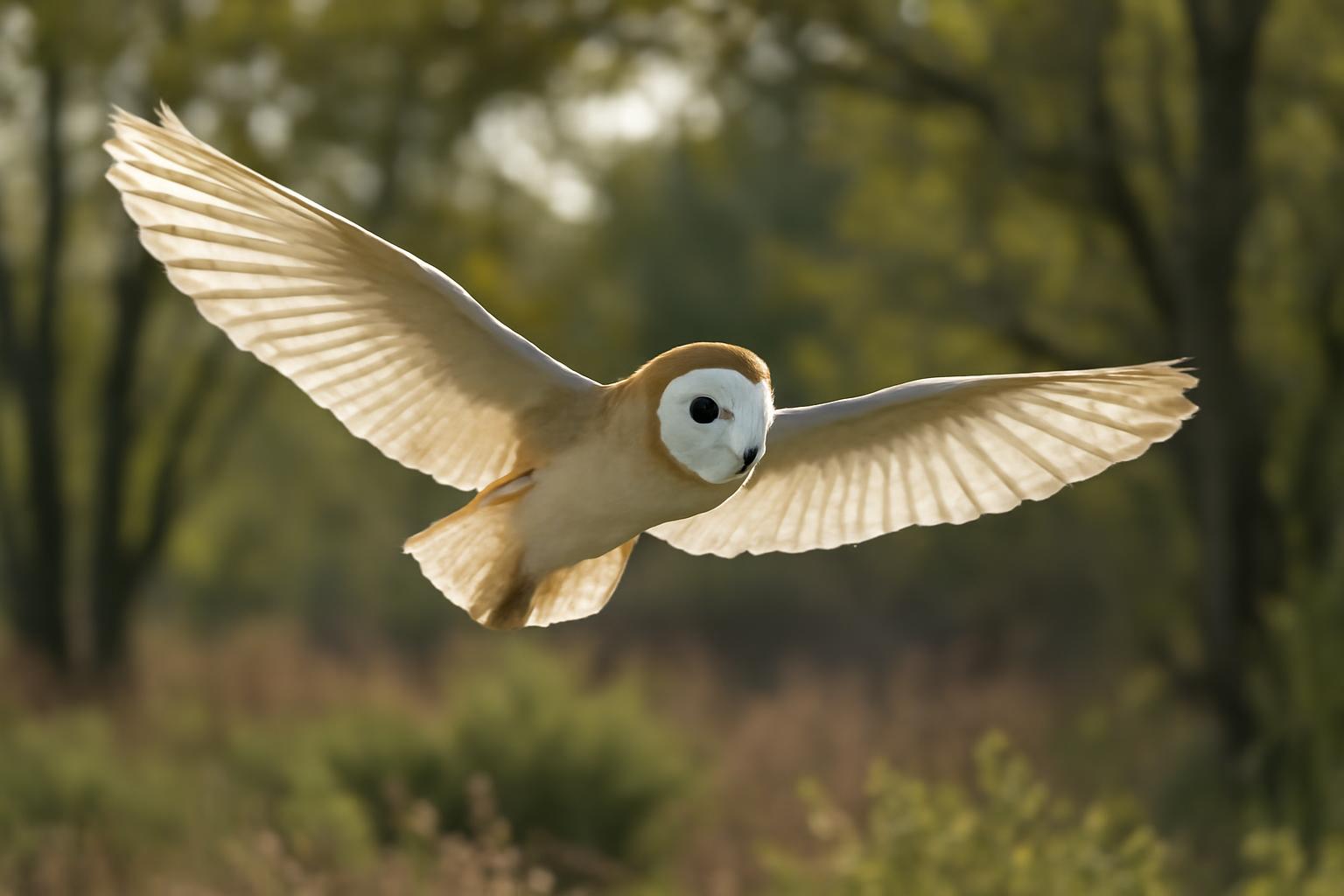
The silent ghost of California's agricultural valleys arrives just after sunset, its heart-shaped facial disc scanning for movement in the grass below. Meanwhile, in the oak woodlands nearby, a sleek duck with a distinctive crest calls from a tree cavity thirty feet above the ground. Both the Barn Owl (Tyto alba) and Wood Duck (Aix sponsa) represent critical species for breeding bird atlas projects, yet their identification challenges have led to countless misreported observations.
Recent atlas work across California demonstrates how proper field identification forms the foundation of accurate breeding bird documentation. Analysis of atlas data from multiple states reveals that specific identification errors consistently emerge with these two species—errors that can skew our understanding of breeding distributions and population trends.
Barn Owl Field Identification: The Silent Phantom
Distinguishing the Heart-Shaped Face
The Barn Owl's facial disc creates its most reliable field mark—a pale, heart-shaped structure that functions as a satellite dish for sound collection. This disc appears white to pale buff, bordered by a thin dark rim that becomes more pronounced in good lighting. Cornell Lab research shows that facial disc coloration varies geographically, with western populations showing more golden-buff tones than eastern birds.
Unlike the round facial discs of Great Horned Owls (Bubo virginianus), the Barn Owl's heart shape remains consistent across all ages and sexes. In flight, this creates a distinctive pale, round-headed silhouette that experienced observers can identify at considerable distances.
Size and Flight Pattern Recognition
Barn Owls measure 12–15 inches with a 42-inch wingspan—smaller than Great Horned Owls but larger than Screech Owls. Their flight pattern provides the most reliable identification cue during breeding season surveys. eBird data analysis reveals peak activity occurs between 8:30 PM and 11:00 PM during breeding season, when their distinctive flight becomes visible.
The flight pattern consists of slow, deliberate wingbeats interspersed with brief glides, creating a mothlike appearance. Wings appear disproportionately long and narrow compared to other owl species, and the bird frequently pauses to hover over potential prey locations—behavior that separates it from the more direct flight of Short-eared Owls in similar habitats.
Breeding Season Vocalizations
Breeding Barn Owls produce a harsh, raspy scream lasting 2–3 seconds—not the classic "hoot" that many observers expect. Macaulay Library recordings document significant variation in this call, with males producing longer, more intense screams during territorial displays.
During courtship, males emit a series of rapid clicks and bill snapping, often accompanied by wing clapping in flight. These sounds occur most frequently between March and July in California populations, providing crucial breeding confirmation for atlas projects.
Habitat Preferences and Nest Site Selection
Barn Owls select nest sites in structures that provide protection from weather and predators while offering easy access to hunting grounds. American Bird Conservancy research identifies agricultural areas with scattered trees, old barns, and nest boxes as optimal breeding habitat.
Atlas surveyors should focus on:
- Agricultural valleys with rodent populations
- Areas within 2 miles of suitable nest structures
- Regions with minimal Great Horned Owl presence
- Elevation zones below 4,000 feet in California
Nest boxes placed 12–15 feet high on poles or buildings show high occupancy rates in optimal habitat, according to Cornell Lab monitoring data.
Wood Duck Identification: Master of Concealment
Male Plumage During Breeding Season
Breeding male Wood Ducks display perhaps North America's most spectacular waterfowl plumage. The iridescent green and purple head markings create distinctive white stripes that extend from the bill to the back of the crest. These stripes remain visible even in poor lighting conditions, providing a reliable field mark for atlas confirmation.
The chestnut breast shows fine white spotting that distinguishes breeding males from Mallards (Anas platyrhynchos) or other dabblers. Most critically, the distinctive crest remains prominent year-round, though it becomes more pronounced during breeding displays between February and May.
Female and Eclipse Male Identification
Female Wood Ducks present greater identification challenges for atlas surveyors. The grayish-brown body shows subtle blue wing patches that flash during takeoff—often the only reliable field mark when birds flush unexpectedly from concealed positions.
The white teardrop-shaped eye patch provides the most consistent female field mark, remaining visible from considerable distances. eBird frequency data shows females become more conspicuous during brood-rearing periods in late spring, when they lead ducklings between water sources.
Eclipse males, molting between June and September, lose their distinctive breeding plumage but retain the characteristic crest and body structure. During this period, bill color provides the most reliable sex determination—males maintain reddish bills while females show duller orange-yellow coloration.
Distinctive Flight and Behavior
Wood Ducks exhibit unique flight characteristics that separate them from other cavity-nesting waterfowl. Their takeoff requires no running start—they explode vertically from water surfaces with rapid wingbeats, often calling loudly during departure.
In flight, the distinctive profile shows a large head, thin neck, and broad wings. The white belly contrasts sharply with darker back and wings, creating a distinctive pattern visible at significant distances. Wood Ducks typically show peak movement during dawn and dusk hours, when this flight profile becomes most apparent.
Breeding Habitat and Nest Requirements
Wood Ducks require specific habitat combinations that atlas surveyors can use to predict occurrence. Suitable breeding habitat includes wooded swamps, beaver ponds, and slow-moving streams with adjacent mature trees containing natural cavities or nest boxes.
Optimal breeding sites feature:
- Water within 200 yards of suitable nest cavities
- Trees 15+ inches in diameter at breast height
- Canopy coverage of 40–70% over water areas
- Minimal human disturbance during March–July breeding period
Nest boxes placed over water or within 100 feet of shorelines show significantly higher occupancy rates than those in upland locations.
Vocalizations for Breeding Confirmation
Wood Duck vocalizations provide crucial breeding evidence for atlas projects. Females produce a distinctive "oo-eek" call, often given in flight or when alarmed. Males emit softer whistling notes during courtship displays, typically heard near dawn in suitable breeding habitat.
Ducklings produce high-pitched peeping calls that carry considerable distances through wooded areas. Macaulay Library analysis shows these calls peak between May and July in California populations, providing definitive breeding confirmation when documented properly.
Common Field Identification Errors
Barn Owl Misidentifications
Atlas data reveals consistent confusion between Barn Owls and Short-eared Owls in agricultural areas. Short-eared Owls show darker facial discs with prominent dark patches around yellow eyes, contrasting with the Barn Owl's pale, unbroken facial pattern.
Great Horned Owl juveniles create another identification challenge, particularly when observed briefly in flight. However, young Great Horned Owls maintain the species' characteristic ear tufts and show more robust body proportions than the slender Barn Owl silhouette.
Wood Duck Confusion Species
Female Wood Ducks generate frequent misidentification reports with American Wigeon (Mareca americana) and female Mallards. American Wigeon females lack the distinctive white eye patch and show different bill coloration. Female Mallards display blue wing patches but lack the Wood Duck's crest and show different body proportions in flight.
Hooded Merganser (Lophodytes cucullatus) females present perhaps the greatest identification challenge, sharing the crest and general size. However, mergansers show thinner, more serrated bills adapted for fish capture, contrasting with the Wood Duck's broader, seed-cracking bill structure.
Atlas Documentation Best Practices
Successful breeding bird atlas work requires systematic observation protocols that account for species-specific behaviors. For Barn Owls, evening surveys between 8:00 PM and midnight during March–August provide optimal detection opportunities. Focus survey efforts on agricultural areas with suitable nest structures within a 2-mile radius.
Wood Duck documentation requires dawn and dusk surveys of wooded wetland habitats during April–July breeding season. Pay particular attention to areas with visible nest boxes or natural cavities in trees exceeding 15 inches diameter.
Atlas methodology emphasizes the importance of multiple visits to confirm breeding status, as both species can show irregular activity patterns that single surveys might miss. Proper identification skills, combined with systematic survey protocols, ensure atlas data accurately reflects breeding bird distributions across changing landscapes.
Documenting these species correctly contributes to our understanding of population trends, habitat requirements, and conservation needs—information that becomes increasingly critical as climate change and habitat modification continue reshaping bird communities across North America.
About Dr. Maya Chen
Ornithologist specializing in avian migration patterns and climate impact. PhD from Cornell Lab of Ornithology. Known for her groundbreaking research on warbler migration routes.
Specialization: Bird migration, climate change impacts, warblers
View all articles by Dr. Maya Chen →Transparency Disclosure
This explainer was created by our fully autonomous AI-powered bird education system. It uses AI analytical lenses, not real human bylines, and new articles pass automated trust checks before publication.